2027 Online Exercise Science Degrees With Strong Movement-and-Recovery Preparation

Co-Founder and Chief Data Scientist
Many aspiring exercise science professionals face a critical dilemma: how to gain rigorous movement and recovery training without disrupting work or family commitments. The challenge intensifies as traditional on-campus programs often lack the flexibility required by adult learners juggling these responsibilities. Recent data from the National Center for Education Statistics reveals a 19% surge in enrollment for accredited online health-related degrees since 2023, signaling a structural shift toward accessible, asynchronous learning. This trend matters because it reflects evolving workforce demands for practitioners proficient in both rehabilitation and performance optimization. This article examines online exercise science degrees emphasizing movement and recovery preparation to guide candidates toward programs aligned with career mobility and practical skill acquisition.
Key Things You Should Know
- Graduates from movement-and-recovery-focused exercise science programs show 23% higher job placement in rehab and therapy sectors per the 2024 Bureau of Labor Statistics, emphasizing employer preference for specialized skillsets.
- Programs integrating biomechanical technology training reduce credentialing time by up to 6 months, yet often increase tuition by 15-20%, creating a tradeoff between faster workforce entry and upfront costs.
- Regional licensing discrepancies delay practitioner mobility for 35% of graduates nationwide, requiring strategic enrollment decisions aligned with state-specific certification demands to avoid employment barriers.
What is an online exercise science degree with a movement-and-recovery focus?
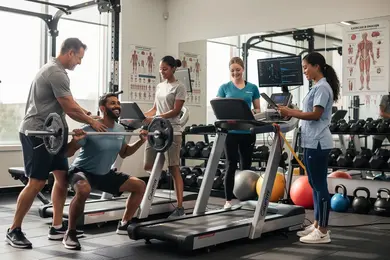
Online exercise science degree programs with movement and recovery training equip students to meet employer demand in clinical and athletic settings by focusing on applied biomechanics, neuromuscular re-education, and injury rehabilitation. This specialization moves beyond typical exercise science curricula by emphasizing recovery-oriented modalities such as myofascial release and mobility enhancement, which are increasingly critical for reducing chronic injury risks in physical therapy and performance facilities.
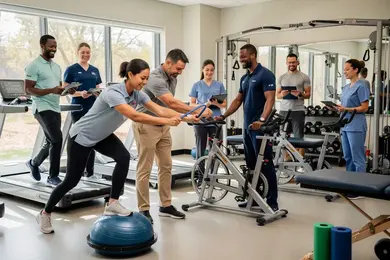
Though these online exercise science degree programs offer flexible access to cutting-edge coursework, they present tangible challenges. Students must secure accredited clinical internships to gain vital hands-on experience essential for board certification and employer credibility. Programs lacking integrated practical components risk leaving graduates underprepared for roles requiring autonomous rehabilitation program design and client movement assessments.
Labor market projections reflect strong growth for exercise physiologists-about 10% from 2022 to 2032-driven by preventative care emphasis and an aging population. Employers value candidates with demonstrated competencies in movement screening and evidence-based recovery to improve client outcomes and reduce readmission rates. For example, a rehabilitation center hiring exercise physiologists expects expertise that extends well past aerobic conditioning.
Best online exercise science courses focused on movement and rehabilitation typically evaluate partnerships with clinical sites and include applied training to bridge theoretical knowledge and real-world job demands. Understanding how this pathway compares with broader degrees can influence hiring potential and the ability to transition into practitioner roles with competitive salaries. In workforce conversations surrounding roles such as athletic director salary, specialized recovery training often adds measurable value.
How does an online exercise science program compare to campus-based options?
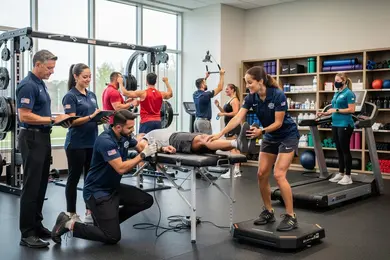
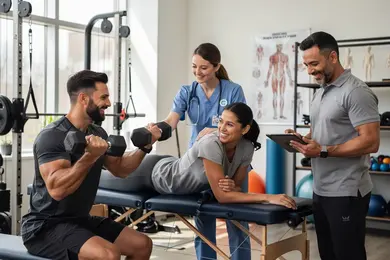
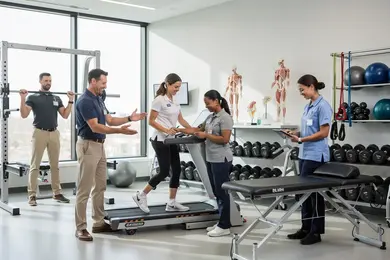
Choosing between an online exercise science degree and traditional campus programs hinges largely on practical skill development and employer expectations. While online programs cover theoretical foundations adequately, their limited capacity to provide real-time, hands-on movement and recovery training may impede readiness for roles requiring applied proficiencies. Campus programs typically integrate lab access and supervised clinical experiences, offering direct mentorship and peer collaboration critical for mastering kinesthetic skills.
Employers in physical therapy clinics and athletic training facilities prioritize candidates who have completed supervised practicum components and demonstrated movement-analysis abilities. Online students often must secure local placements independently, which can delay or fragment experiential learning-a significant consideration, especially for working adults or those in rural areas. This real-world variability influences outcomes, affecting licensure exam preparedness and job competitiveness.
The U.S. Bureau of Labor Statistics projects a 14% growth in jobs for fitness trainers and instructors through 2032, intensifying demand for candidates with verified hands-on expertise. Full-time professionals pursuing flexible options should scrutinize how clinical hours are arranged to avoid gaps that might undermine employability. Decision-making must weigh the convenience of online formats against campus access to specialized equipment and immersive mentorship, particularly given the movement and recovery focus in online versus on-campus exercise science courses.
For those evaluating pathways, resources like online associate nursing programs illustrate the importance of verifying practicum integration within online curricula to ensure comprehensive training. Balancing these tradeoffs aligns educational choices with workforce realities and long-term proficiency requirements.
Are online exercise science degrees respected and properly accredited in the U.S.?
Online exercise science degree accreditation in the U.S. significantly influences graduate employability, especially given the absence of a centralized professional licensure for the field. Employers in clinical and fitness environments prioritize candidates from regionally accredited institutions whose programs meet recognized standards established by bodies such as CAATE or the Commission on Accreditation of Allied Health Education Programs. Graduates from fully online programs lacking supervised internships or hands-on lab components frequently face barriers in securing roles that require practical assessment and client interaction skills.
In practice, many hiring managers at multispecialty clinics or rehabilitation centers explicitly require verification of clinical practicum experience, not merely theoretical coursework. Without such practical exposure, students-even those holding online credentials-may struggle to demonstrate competencies in recovery protocols or applied biomechanics, areas critical in clinical and fitness employment. These expectations reflect the distinctly practical dimensions embedded in approved curricula and weigh heavily in recruitment decisions.
The value and respect of U.S. online exercise science programs translate into tangible salary differentials. According to BestColleges, the top 10% of fitness trainers earned over $75,940 annually, a figure closely tied to formal education and validated practical training. Prospective students should verify not only accreditation status but also employer recognition and clinical training options within programs they consider. For those weighing online degrees, comparing pathways like a library science degree online can illustrate differences in market acceptance and practical applicability across fields.
What concentrations emphasize movement, rehabilitation, and recovery within exercise science?
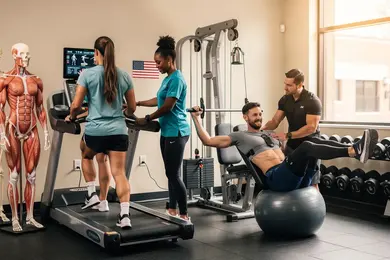
Concentrations emphasizing movement and rehabilitation within exercise science programs often require extended prerequisite coursework in anatomy and physiology, alongside certifications such as CPT or clinical exercise specialist credentials. These practical barriers weigh heavily against a robust job market demand for specialized expertise in recovery and movement. Exercise physiology tracks focus on muscular and cardiovascular responses, enabling graduates to develop targeted recovery protocols tailored to chronic disease or injury management. Meanwhile, kinesiology programs with rehabilitation specialization integrate biomechanical analysis and therapeutic movement techniques essential for patient-specific interventions.
Clinical movement analysis programs train students in motion capture technology and biomechanical diagnostics, critical skills in sports medicine and physical therapy settings. These concentrations meet employer demands where precision in injury prevention and recovery progression directly impacts patient outcomes. Graduates with rehabilitation and recovery-focused credentials frequently secure higher-paying roles, such as certified exercise physiologists in hospital rehab units or outpatient clinics. Payscale data compiled by BestColleges shows exercise physiologists with more than 20 years' experience make approximately $26 per hour, versus a $21 mean overall, underscoring the profession's experience premium in these niches.
Prospective students evaluating exercise science degrees with recovery and movement specialization must weigh the tradeoffs between longer training periods and certification costs against tangible workforce advantages. Employers seek professionals able to leverage advanced movement science to accelerate recovery and reduce re-injury risk, making these focused concentrations essential for certain clinical and performance trajectories. For those considering a strategic pivot or advancement, resources like the online masters data science can provide complementary skills in analytics, increasingly relevant to movement science research and outcomes assessment.
What courses and hands-on experiences are typical in exercise science programs?
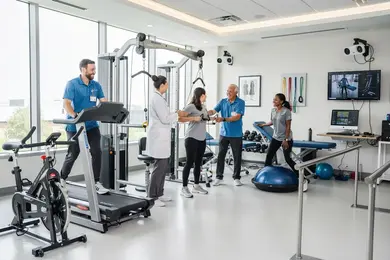
Exercise science programs demand a rigorous blend of theory and applied practice essential to meet employer and certification expectations. Students must navigate a demanding schedule, balancing intensive coursework and substantial fieldwork, which directly affects their ability to maintain work-life balance. Core studies typically cover anatomy, physiology, kinesiology, and biomechanics paired with laboratory work that uses tools like motion capture and electromyography to provide quantifiable data on human movement and recovery. For example, therapeutic exercise classes teach techniques that students then apply in real rehabilitation settings to improve patient mobility, requiring a detailed understanding of muscle function and neurophysiology.
Internships in hospitals, clinics, or fitness centers are often mandatory or highly encouraged, offering exposure to injury prevention, patient care, and personalized program design. These hands-on experiences refine critical soft skills such as client communication, which are frequently decisive in hiring decisions.
The median annual salary for recreational therapists was $47,940 in 2021, marginally above the overall U.S. median wage, indicating moderate financial returns relative to the effort. Programs also include psychosocial and adaptive physical activity courses to prepare students for diverse work environments from outpatient clinics to community centers.
Prospective students should weigh the demanding educational format against labor market realities, understanding that success in this specialized field hinges on both technical expertise and the ability to integrate practical, patient-centered solutions.
What are the admission requirements for online exercise science bachelor's programs?
Admission to online exercise science bachelor's programs hinges on demonstrated academic readiness, particularly in biology, chemistry, and mathematics, alongside a credible high school GPA-often between 2.5 and 3.0. Institutions sometimes require standardized test scores like the SAT or ACT, though such requirements have loosened post-2020, which may ease entry but also shifts greater emphasis onto transcripts and foundational coursework.
Applicants frequently must submit official transcripts proving completion of essential science and math classes. Failure to meet prerequisites such as introductory anatomy or physiology typically results in additional remedial coursework, either online or at local colleges, which extends time and expense before progressing in the degree. This aspect significantly impacts planning for working professionals who need to balance education costs with job responsibilities.
In competitive tracks-particularly those leading to clinical or sports administration careers-letters of recommendation and interviews serve as evaluative filters, assessing communication skills and professional dedication beyond academic records.
For example, athletic director positions, which average $60,620 annually with top tiers exceeding $100,000, illustrate how selective admissions and program rigor relate to higher earning potential.
How long do online exercise science degrees take, and what do they cost?
Choosing an online exercise science degree demands a careful evaluation of program length, curriculum depth, and labor market alignment. Bachelor's programs typically span 3 to 4 years, though accelerated pathways condense this to about 2.5 years by requiring continuous, intensive study, a significant challenge for professionals managing recovery-focused roles. Associate degrees last around 2 years but frequently fall short of the comprehensive training expected for advanced nutrition and movement positions.
Financially, costs vary widely. Public in-state options average $7,000 to $12,000 annually, while private programs can exceed $25,000 per year, with total bachelor costs ranging from $21,000 to $100,000. These figures often exclude essential certification fees or in-person practicum expenses integral to specialization in movement and recovery sciences. Planning for financial aid and employer tuition reimbursements is advisable well before enrollment.
Workforce data show that professionals integrating nutrition expertise with exercise science credentials earn notably higher salaries, up to 21% more, according to CSP Global. Graduates lacking interdisciplinary skill sets face limited upward mobility despite comparable degree timelines. This reflects employer preferences for candidates skilled in both movement and nutritional science.
When balancing cost, duration, and curriculum scope, prioritize programs that embed practical recovery science alongside nutrition and movement analysis to meet evolving job market standards. Shorter, less comprehensive programs may lower upfront investment but could restrict access to holistic health roles expected in 2026 and beyond.
Which exercise science careers focus on movement, performance, and recovery support?
Demand for professionals skilled in movement, performance, and recovery is uneven across roles within exercise science, with fitness trainers and instructors experiencing a projected 39% growth from 2020 to 2030, far surpassing the 8% average for all occupations. This disparity reflects employer prioritization of practical, actionable competencies over extended academic credentials in some segments of the field.
For example, strength and conditioning coaches working with collegiate athletes must integrate biomechanical insight with tailored training plans that mitigate injury risk while optimizing performance. In contrast, physical therapists require graduate-level education and licensure to deliver precise, patient-customized rehabilitation informed by sophisticated movement assessments. This distinction underlines a crucial tradeoff: quicker workforce entry and broad client access versus deeper clinical authority and complexity.
Prospective students should scrutinize programs offering hands-on practicum experience, as real-world exposure is essential for meeting employer expectations in these dynamic, patient-facing professions. Additionally, staying current with evolving recovery technologies like cryotherapy and neuromuscular electrical stimulation is necessary for sustaining career relevance.
- Fitness trainers and instructors lead employment growth due to accessible certification pathways.
- Physical therapists require advanced degrees and regulatory approval, extending time-to-practice.
- Hands-on clinical training significantly influences job preparedness and long-term success.
- Technological fluency in recovery modalities increasingly shapes employability.
What salaries and job outlook can exercise science graduates expect?
Salary potential for exercise science graduates hinges significantly on specialization, location, and credentialing. Entry to mid-level roles typically range from $40,000 to $65,000 annually, with wellness directors averaging $61,300. However, those pursuing advanced certifications or graduate degrees can access higher-paying niches like physical or occupational therapy assistance, where pay surpasses the mid-$50,000 mark. Without these enhancements, professionals may find salary growth plateaus, particularly in less urbanized areas.
Industry demand remains robust, with projected growth around 13% through 2032, driven by aging populations and employer initiatives around holistic well-being. But the necessity for licensing in clinical roles contrasts with corporate wellness or fitness management jobs, which favor business skills paired with movement expertise.
- Corporate wellness positions offer stability but require strong administrative capabilities alongside exercise science knowledge.
- Clinical rehabilitation roles generally yield higher pay but come with extended educational and licensing requirements.
- Self-employment in personal training or recovery coaching introduces income variability, contingent on marketing and client retention.
Candidates must evaluate tradeoffs between location-based cost of living and salary, desired job security versus independent income variability, and the time investment in further certification against long-term earnings. Strategic credentialing aligned with emerging integrative health models is critical for sustained career gains in this evolving labor market.
How do licensing and certification work for exercise science and related roles?
Licensure and certification requirements strongly influence employability within exercise science roles, with clinical positions demanding more stringent credentials. For example, aspiring recreational therapists must complete accredited education, pass the National Council for Therapeutic Recreation Certification exam, and accrue supervised clinical hours before state licensure is granted. Without these credentials, clinical employers like hospitals typically exclude applicants, regardless of academic background.
By contrast, nonclinical exercise science jobs-such as personal trainers or group fitness instructors-rely primarily on certifications from recognized bodies like the National Strength and Conditioning Association. While state licensure is not required here, employers increasingly expect certification to minimize liability and uphold professional standards, with continuing education mandatory for certification renewal.
Practical realities complicate credentialing timelines; candidates should anticipate a 6-to-18-month period post-graduation for exam completion and supervised hours. Exam fees often range between $300 and $500, and differing state licensure rules add complexity. These factors create potential bottlenecks delaying workforce entry or career progression.
Projected job growth of approximately 10% for recreational therapists and 13% for exercise psychologists through 2030 signals rising demand for credentialed expertise in clinical and behavioral settings. Employers prioritize verified qualifications that demonstrate accountability and evidence-based practice, meaning programs integrating hands-on internships and exam preparation yield significantly better certification outcomes and faster employment.
Other Things You Should Know About Exercise Science
Online exercise science degrees in 2027 use immersive technologies like virtual reality and simulation labs to ensure students develop hands-on movement and recovery skills. While not equivalent to traditional lab settings, these tools provide effective experiential learning opportunities, especially when complemented with localized internships or workshops.
While online exercise science degrees offer flexibility for working professionals, the coursework remains rigorous, especially in movement and recovery topics, which integrate anatomy, physiology, and applied biomechanics. Prospective students must assess their capacity to manage demanding study schedules remotely, given the absence of daily in-person support. Prioritizing programs with structured pacing and accessible faculty can improve completion rates and depth of learning.
Employers focus on accreditation and evidence of practical experience rather than degree delivery mode, but many remain cautious about graduates lacking verifiable hands-on training. Degrees that incorporate verified internships or lab components tend to level the playing field. Candidates should highlight applied experience and certifications alongside degrees to mitigate any skepticism about online training.
A solid program should include at least 8 credits of human anatomy and physiology, usually two lab-based courses covering muscle function, joint mechanics, metabolism, and tissue repair. Programs often add kinesiology, biomechanics, and exercise physiology so graduates can assess movement patterns and recovery needs more accurately.
References
- Master of Science (MS) in Exercise Science | Calvin University https://calvin.edu/majors-programs/ms-exercise-science
- Online Exercise Science Degrees: Top School Review https://www.edumed.org/online-schools/exercise-science-degrees/
- Bestcolleges - Recreational Therapist https://www.bestcolleges.com/careers/recreational-therapist/
- Top 20 Careers With a Master’s in Exercise Science | PLNU https://www.pointloma.edu/resources/health-sciences/top-20-careers-masters-exercise-science
- Rehabilitation and Exercise Science https://www.keele.ac.uk/study/undergraduate/undergraduatecourses/rehabilitationandexercisescience/
- Academy’s Bachelor’s Degree in Strength and Conditioning Recognized by Learn.org | United States Sports University https://restore-ussa-edu.mystagingwebsite.com/news/academys-bachelors-degree-in-strength-and-conditioning-recognized-by-learn-org/
- Exercise science: What exactly is it? https://www.scienceforsport.com/exercise-science/
- Careers in Exercise Science – Jobs, Salaries, and Growth Opportunities https://www.pickmyuni.com/student-resources/careers-in-exercise-science-123
- Best Online Master's Programs in Exercise Science https://www.onlineu.com/degrees/masters-exercise-science
- ESSA's career guide for Accredited Exercise Physiologists https://www.essa.org.au/Web/Web/Resources/Tools-and-templates/ESSA-AEP-Guide.aspx