2027 Online Exercise Science Degrees With Strength and Conditioning Coursework

Co-Founder and Chief Data Scientist
Professionals in exercise science aiming to integrate advanced strength and conditioning expertise often struggle to find programs that offer both specialized coursework and the scheduling flexibility required to maintain employment or personal commitments.
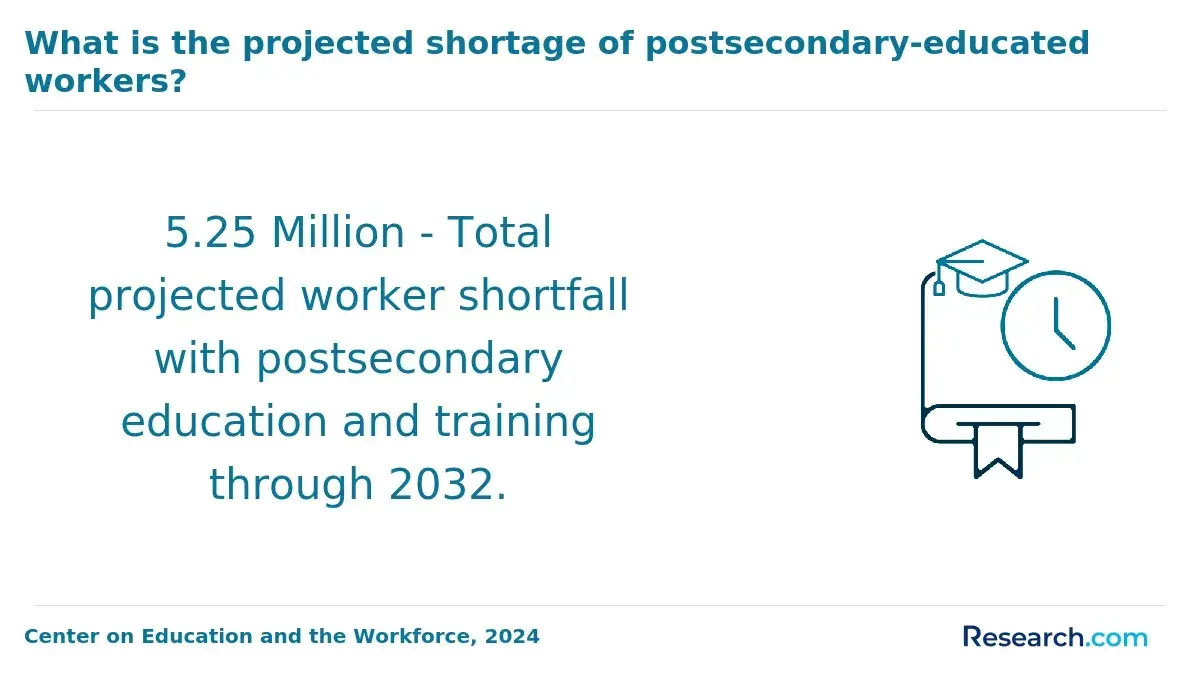
With nearly 40% of higher education enrollments now online, based on National Center for Education Statistics data, this modality addresses critical access gaps, particularly for adult learners balancing work and study. However, not all online degrees equally prepare students for evolving employer demands in applied strength and conditioning certification and practical experience.
This article examines key online exercise science degree options featuring strength and conditioning coursework to support informed choices aligned with career realities and workforce expectations.
Key Things You Should Know
- Online exercise science degrees with strength and conditioning coursework often omit extensive hands-on lab time, limiting practical skill development; this tradeoff poses risks when employers prioritize direct client experience over theoretical knowledge, per recent workforce surveys.
- According to 2024 BLS data, certified strength and conditioning roles grew 9% faster in on-site hires, indicating many employers still prefer in-person degree programs or hybrid formats for practical vetting, affecting graduate employability.
- Program costs and time-to-completion vary widely, with accelerated online pathways cutting average degree length by 20% but correlating with higher dropout rates, requiring students to balance faster credentialing against retention risk documented in national education reports.
What are online exercise science degrees with strength training coursework?
Online exercise science degrees with strength training coursework demand a strategic balance between theoretical knowledge and practical skill acquisition. These programs integrate biomechanics, physiology, and nutrition with targeted strength and conditioning protocols, directly supporting specialized roles in sports performance and rehabilitation.
However, students often face limited access to on-campus labs, requiring local internships or practicum arrangements to satisfy hands-on competency standards.
Employers seek candidates proficient in both scientific principles and applied resistance training methodologies, impacting hiring outcomes in fitness facility management and clinical exercise settings. Prospective students should critically assess program alignment with national strength and conditioning certifications and clarify expectations for supervised practical experience to avoid credential gaps.
The relevance of strength and conditioning programs in online exercise science degrees extends to workforce dynamics where early-career salaries range between $46,903 and $50,706. Annual tuition generally falls between $9,480 and $15,150, creating a measured return on investment for individuals pursuing career pivots without incurring excessive debt.
Planning must include how remote coursework connects with local, supervised training, ensuring both academic and practical proficiencies are achieved. Those evaluating this pathway should consider how the integration of these elements affects marketability and long-term employer valuation.
For those curious about related administrative career outcomes, understanding "How much do athletic directors make?" can provide context on alternative pathways within the exercise science sphere.
Which accreditation should online exercise science programs have?
Accreditation from the Commission on Accreditation of Allied Health Education Programs (CAAHEP) or the National Strength and Conditioning Association (NSCA) is a decisive factor for online exercise science program accreditation standards, affecting employability and certification eligibility.
Graduates from non-accredited programs may face restricted job opportunities due to employer preferences for candidates whose credentials align with recognized industry benchmarks and regulatory requirements.
For professionals pursuing accredited strength and conditioning coursework online as a pathway to certifications like Certified Strength and Conditioning Specialist (CSCS), program content must rigorously cover anatomy, kinesiology, and exercise physiology. NSCA-accredited curriculums typically emphasize evidence-based conditioning techniques suited for roles in collegiate or professional sports, whereas CAAHEP accreditation caters more to clinical exercise physiology roles tied to state licensure.
Consider a mid-career fitness professional deciding between routes: selecting a CAAHEP-accredited degree can unlock clinical job prospects by meeting licensure prerequisites that unaccredited programs often overlook. Conversely, a strength coach seeking advancement with sports organizations benefits more from NSCA-accredited coursework reflecting employer expectations and practical readiness.
Projected employment growth between 2022 and 2032—14% for fitness trainers, 10% for exercise physiologists, and 9% for coaches and scouts—intensifies competition, making accreditation a meaningful filter for hiring managers. Those evaluating programs should also factor in how credentials influence access to specialized roles beyond general jobs for environmental science majors and related health fields.
How do online and campus exercise science degrees compare?
Choosing between online exercise science degrees vs. campus programs involves critical tradeoffs in practical training and career readiness. Campus-based strength and conditioning coursework in online exercise science degrees cannot fully replicate the supervised, hands-on experience vital for certification and employment in competitive athletic or clinical settings.
For instance, aspiring certified strength and conditioning specialists often find the lack of onsite practicums in online formats delays their exam eligibility and integration into high-level work environments.
Employers in sports and rehabilitation fields prioritize verifiable, in-person skill application and expect candidates to have completed industry-aligned internships or practicums. While online degrees increase accessibility and schedule flexibility, they frequently require supplemental local internships, which add time and expenses beyond tuition.
Salary data reflect the premium placed on applied expertise: health education specialists earn a median of $62,860 annually, while exercise physiologists make about $54,860, according to Maryville University based on U.S. Bureau of Labor Statistics figures from 2024. This highlights that credentials tied to comprehensive campus programs often translate into stronger workforce positioning.
Students and professionals weighing options should note: online pathways may speed initial milestones but demand proactive planning to secure fieldwork components. Research-focused roles or community health positions might accept fully online education supplemented with local practical experience. For those targeting direct client care or licensure, campus programs remain the more reliable route.
For a broader perspective on related online programs, including an online degree for library science offers insights into balancing flexibility with hands-on demands in professional education.
What classes are included in strength and conditioning tracks?
Choosing a strength and conditioning specialization within online exercise science programs means prioritizing a rigorous blend of science and applied training tailored to high-performance and clinical environments. Core classes for strength and conditioning specialization often cover advanced exercise physiology, biomechanics, and nutrition, alongside resistance training protocols and sport-specific performance testing.
These elements prepare students for tangible workforce challenges such as managing athlete periodization schedules or implementing injury prevention strategies in rehabilitation settings.
For professionals aiming at collegiate or pro-level strength coach roles, coursework includes monitoring athlete workload with up-to-date technologies, emphasizing safe performance peaks without overtraining. Clinical tracks integrate therapeutic exercise and functional movement screening, equipping graduates to contribute effectively in patient recovery contexts.
Importantly, research methods training enables the practical application of evidence-based practices, an employer priority demanding graduates translate emerging studies into protocols.
One operational tradeoff is cost: strength and conditioning tracks incur significantly higher tuition, often $1,750 per credit for a 36-credit master's, reflecting the intensity and specialization of instruction. Prospective students must weigh this against career advantages like eligibility for Certified Strength and Conditioning Specialist (CSCS) certification and access to advanced roles, recognizing the premium does not guarantee job placement but positions candidates within competitive applicant pools.
For comparative financial context across specialized degrees, reviewing MLIS programs offers insight into affordability variation in graduate education pricing structures.
What admissions requirements do these programs usually ask for?
Applicants to online exercise science degrees with strength and conditioning coursework must typically hold an accredited bachelor's degree and meet specific academic standards, usually a minimum GPA between 2.75 and 3.0. Programs increasingly waive standardized tests like the GRE to accommodate working professionals, though some still require them.
Practical experience as a certified personal trainer or strength coach can significantly strengthen admission prospects, illustrating employer preference for candidates who combine theory with applied skills.
Admissions often hinge on foundational science coursework in biology or kinesiology, alongside letters of recommendation and statements of purpose that clarify alignment with program goals. Students without prior science or field-specific experience face added preparatory expenses and time to fulfill prerequisites before full enrollment.
Military-affiliated candidates benefit from sharply reduced tuition rates—typically $250 to $290 per credit—offering 40-50% savings compared to civilian graduate tuition costs between $580 and $645. This financial relief is critical for active-duty service members and spouses balancing education with duty or employment demands.
Many programs include synchronous virtual sessions or required in-person practicums, which may limit flexibility for professionals managing work schedules or geographic constraints. Prospective students should carefully evaluate these requirements and the tradeoffs between credential attainment and immediate workforce availability.
How long does an online exercise science degree take?
Completion timelines for online exercise science degrees vary significantly based on enrollment status and program design, creating important tradeoffs for students balancing work and education. Full-time bachelor's students generally spend four years, but accelerated paths leveraging transfer credits or summer terms can reduce this to as little as two and a half years.
For master's level study, programs typically range from 18 to 24 months full-time, with part-time options sometimes extending beyond three years, which may affect workforce reentry timing and earning potential.
Part-time enrollment offers necessary flexibility for professionals but often doubles the duration compared to full-time study. Programs with fixed cohorts help maintain pacing and reduce completion risk, whereas self-paced formats can inadvertently prolong degree attainment absent external structure. Beyond time, clinical practicums and internships introduce unpredictable scheduling hurdles essential for employer-valued practical experience.
Financially, maintaining cost predictability over extended periods is critical. For example, a fixed tuition rate of approximately $575 per credit, as seen in certain strength and conditioning master's programs, safeguards students from incremental price increases during multi-year enrollment. Graduate degrees generally require 30 to 40 credits, so cost stability mitigates financial uncertainty amid uncertain timelines.
How much do online exercise science degrees cost?
Investing in an online exercise science degree requires balancing upfront costs with realistic salary prospects and career goals. Bachelor's degrees range broadly from around $15,000 at public or community colleges to over $40,000 at private or nationally ranked institutions.
Those targeting roles such as fitness studies teachers or recreational therapists should weigh whether the program's tuition aligns with corresponding average salaries—$79,080 and $53,900, respectively—in North Carolina's job market. For coaches and scouts, with typical earnings near $50,550, more affordable certificates or experience-based pathways might offer better returns.
Key decision factors include:
- Whether higher tuition justifies itself through strong placement and employer recognition in a chosen specialty.
- Programs offering integrated strength and conditioning coursework minimize the need for costly post-graduate certifications.
- Internship or clinical practicum requirements often add hidden financial and time investments essential for licensure and employability.
Students must anticipate potential debt against actual earning power. A $40,000 degree, expecting a mid-$50,000 starting salary, narrows financial flexibility, necessitating supplemental income or careful budgeting. Conversely, sub-$25,000 pathways with clear certification routes provide stronger value for therapeutic or academic career tracks.
Employer preferences for accredited programs affect licensure eligibility and long-term employment prospects, making upfront cost analysis and financial aid opportunities critical to strategic educational planning.
What jobs can you get with this degree?
Graduates with an online exercise science degree often face a critical hurdle: certification and hands-on experience significantly influence employability beyond the degree itself. While the degree provides foundational knowledge, job roles such as exercise physiologists and strength and conditioning coaches typically require credentials like ACSM or NSCA and supervised practical training before securing stable positions.
Employment growth for exercise physiologists is projected at 13% by 2030, reflecting steady demand, mostly in clinical environments, sports organizations, and rehabilitation centers, with median salaries near $50,280. However, entry into professional sports or private training facilities is markedly competitive and generally necessitates building extensive portfolios and passing rigorous certification exams.
Key tradeoffs for graduates include:
- Clinical roles offer relatively more openings and stable pay but less opportunity for rapid advancement or high compensation.
- Strength and conditioning roles in collegiate or professional sports demand unpaid internships or practicums, delaying income but potentially yielding higher salaries long-term.
For example, a graduate pursuing a collegiate strength and conditioning coach path must prioritize certification and real-world experience through challenging internships, whereas community health program roles may provide faster employment with lower pay.
This pathway requires strategic navigation of credentialing and practical experience, as employers often prioritize demonstrable competency over academic credentials alone.
What salary can exercise science graduates expect?
Starting salaries for graduates with strength and conditioning coursework typically range from $45,000 to $65,000 annually, but roles tied to collegiate or professional sports programs often command $60,000 to $75,000 due to specialized skills and sector demand. Entry-level jobs in fitness centers or rehabilitation clinics generally start between $42,000 and $48,000, reflecting varied employer expectations and geographic factors.
Graduate degrees bring a clear earnings advantage, with master's-level candidates earning 15% to 25% more than their bachelor's counterparts. This premium reflects advanced technical competencies and applied certifications valued by employers. For instance, Liberty University Online offers accessible tuition rates, around $580-$645 per credit hour for 2025-2026, making a practical investment in a master's program more attainable.
Employers place significant weight on real-world experience, so augmenting education with internships or certifications typically accelerates salary growth. However, this involves a tradeoff: bachelor's graduates enter the workforce sooner, while master's candidates invest more time and financial resources upfront to position themselves for specialized roles.
Planning should also consider cost-to-benefit ratios, balancing tuition expenses and expected salary gains. Job growth for strength and conditioning specialists is projected at 13% through 2032, above average, supporting both salary stability and long-term career mobility.
Which certifications pair with strength and conditioning degrees?
Securing a strength and conditioning degree without complementary certification often limits access to key employer markets, particularly NCAA institutions and professional sports franchises. The Certified Strength and Conditioning Specialist (CSCS) credential is effectively a baseline requirement for graduates targeting applied performance roles, as it validates critical exercise science competencies beyond academic knowledge.
Choosing between certifications also depends on career focus. The NSCA-CPT suits those aiming for general fitness roles, while specialized options like Certified Functional Strength Coach (CFSC) or Certified Strength Coach (CSC) better align with niche training or rehabilitation sectors. For instance, a graduate pursuing entry-level NCAA strength positions faces steep competition; holding only a bachelor's degree without CSCS markedly reduces their employability.
Graduate degrees in exercise science with strength and conditioning specialization can deepen expertise but involve substantially higher tuition—roughly $1,750 per credit versus $500 or less for broader bachelor's programs—forcing candidates to evaluate clear return on investment against job market benefits.
To improve short-term employability, integrated online programs that combine degree coursework with certification preparation reduce both time and cost barriers, offsetting the tuition gap while meeting layered employer demands. Employers seldom consider standalone degrees sufficient, increasing reliance on multi-credentialed professionals for clinical, research, or high-performance coaching roles.
Other Things You Should Know About Exercise Science
Most accredited online exercise science degrees include 100 to 400 supervised clinical or practicum hours, usually completed in approved fitness, rehab, or sports settings. Programs often require a signed site agreement, a qualified preceptor, and liability coverage before placement.
A fully online degree can cover foundational knowledge, but certifications such as CSCS require hands-on practical skills that online-only formats often lack. Candidates need to supplement online coursework with in-person experience to meet eligibility requirements and develop the applied competencies certifications demand. Prioritize hybrid programs or plan to complete externships and supervised practical hours separately to ensure certification readiness and maintain competitiveness in the field.
Online exercise science degrees often require navigating asynchronous lectures alongside intensive lab or practicum hours scheduled independently. Balancing exercise science theory with strength and conditioning labs demands strong time management and self-discipline, especially for working professionals. Before enrolling, assess your ability to commit time consistently to hands-on practice and coursework, as underestimating this can delay graduation or reduce practical skill acquisition crucial for career advancement.
References
- Expert-Reviewed: The 5 Best Strength and Conditioning Certifications (2026) | Garage Gym Reviews https://www.garagegymreviews.com/best-strength-and-conditioning-certifications
- Exercise science program accredited by national organization | Lipscomb University https://lipscomb.edu/news/exercise-science-program-accredited-national-organization
- Strength and Conditioning for Athletes: The Complete Guide https://latitudeperformance.ca/strength-and-conditioning-for-athletes/
- Accredited Certifications | National Strength and Conditioning Association https://www.nsca.com/certification/certification-overview/
- Strength & Conditioning Education | Leading Providers of Strength & Conditioning Courses https://strengthandconditioningeducation.com/
- ESSA's career guide for Accredited Exercise Physiologists https://www.essa.org.au/Web/Web/Resources/Tools-and-templates/ESSA-AEP-Guide.aspx
- NFHS https://nfhslearn.com/courses/strength-and-conditioning
- Requirements - Idaho College of Osteopathic Medicine https://www.icom.edu/admission-aid/requirements/
- Strength and Conditioning Degree 2026 - [Tuition & Duration] https://www.ptpioneer.com/personal-training/strength-and-conditioning-degree/
- Exercise Science (Strength & Conditioning) | Academics | Southern Arkansas University https://web.saumag.edu/academics/program/exercise-science-strength/