2027 Best Online Exercise Science Degrees for Advancement in Performance and Wellness Leadership

Co-Founder and Chief Data Scientist
Mid-career professionals aiming to transition into exercise science leadership face a critical bottleneck: how to obtain accredited credentials without sacrificing current employment or personal obligations. Traditional programs often lack scheduling flexibility, sidelining capable candidates who must balance work and family.
Recent federal data shows a 15% surge in adult enrollment in fully online health sciences programs in 2024, signaling shifting learner preferences toward accessible, asynchronous education.
These trends spotlight the necessity for candidates to prioritize programs offering both rigorous curricula and adaptability-factors directly influencing employability in performance and wellness sectors. This article identifies the best online exercise science degrees designed to reconcile these demands, enabling strategic career advancement with practical education pathways.
Key Things You Should Know
- Online exercise science degrees often delay hands-on certifications, requiring supplementary in-person internships, which shifts initial employment timelines and total credentialing costs upward by 15-20% on average, according to 2024 labor data.
- Employers in wellness leadership increasingly prefer graduates from programs integrating digital health analytics skills, with 62% of hiring managers prioritizing data literacy, indicating that degrees lacking this focus yield lower leadership-track placement rates.
- Tuition disparities among top-ranked online exercise science programs, ranging from $12,000 to over $30,000 annually (National Center for Education Statistics 2024), critically impact return on investment timelines, especially for mid-career professionals balancing work-study demands.
What is an online exercise science degree and how does it prepare performance leaders?
The value of an online exercise science degree lies in its capacity to develop applied expertise crucial for leadership roles in both wellness and performance fields. A professional such as a corporate wellness manager typically leverages skills acquired to design data-driven health initiatives that enhance employee productivity.
Meanwhile, a sports performance director focuses on biomechanical assessments to minimize injury risk among athletes. These distinct applications illustrate core benefits for performance leaders pursuing this pathway.
Employers consistently favor candidates who combine theoretical foundations with demonstrable practical competence. While the online format integrates virtual labs, case analyses, and simulations, students must carefully assess if programs offer accreditation aligned with licensure or certification standards, as this determines candidacy legitimacy and job market access.
Considering hands-on clinical requirements remains essential, with hybrid models often offering a necessary balance between convenience and experiential learning.
The labor market projects a 10% growth in exercise physiologist roles through 2032, with a median wage of $56,530 and top professionals earning above $80,340. This underlines steady demand across healthcare, sports, and corporate sectors. The online degree format is well-suited for working professionals seeking schedule flexibility without sacrificing advancement potential.
Graduates contemplating how an online exercise science degree prepares wellness and performance professionals should weigh logistical challenges like remote mentorship and fieldwork opportunities against program design.
For prospective students evaluating program options and long-term outcomes, specialized resources such as the best online exercise science degree guides provide data-driven analysis to enhance decision-making.
Which accredited online exercise science programs offer the strongest career advancement pathways?
Programs offering accredited online exercise science degrees for career advancement succeed by integrating clinical rigor with employer connections that reduce the time from graduation to employment.
Students aiming for roles in athletic training or wellness management gain distinct advantages from curricula adhering to bodies like the Commission on Accreditation of Allied Health Education Programs (CAAHEP), which align with national certification standards and foster placements through formal partnerships.
For instance, athletic training candidates benefit from programs incorporating National Athletic Trainers' Association (NATA) guidelines and accredited clinical rotations, essential for work environments where injury prevention is pivotal.
Given a 14% projected job growth and roughly 2,500 annual openings for athletic trainers (U.S. Bureau of Labor Statistics), access to structured practicums directly correlates with employer preference and faster credentialing success.
Trade-offs include balancing online coursework with local, often mandatory, in-person clinical commitments, which may pose logistical challenges. Programs lacking solid clinical placement assistance may compel students to independently secure internships, potentially delaying readiness. Effective career services that emphasize regional market alignment, resume building, and certification exam preparation significantly improve employment outcomes.
When assessing the best online exercise science programs for leadership roles in performance and wellness, prioritize those that offer:
- CAAHEP accreditation or equally rigorous standards aligned with certification.
- Established practicum partnerships with healthcare or athletic organizations.
- Career support customized to relevant labor markets.
Students interested in program comparisons and degree options can explore detailed information on ASN programs online, which provide useful models of accreditation and structured clinical integration applicable across allied health disciplines.
How do online exercise science degrees compare to campus programs for quality and credibility?
Online exercise science degree quality comparison reveals a critical divide rooted in practicum delivery. Regional accreditation and academic rigor often match campus programs, but the real determinant of graduate readiness lies in verified hands-on experience.
For instance, a candidate pursuing wellness management leadership roles faces barriers if their clinical hours are not documented through supervised labs or local internships, which fully online programs struggle to provide without explicit partnerships.
The credibility of online versus campus exercise science programs hinges on this experiential component. Campus settings typically guarantee structured, supervised fieldwork with direct instructor oversight, whereas online students frequently must independently arrange comparable placements or rely on virtual alternatives that may not meet stringent licensure standards.
This difference creates tangible workforce repercussions in government and health sectors where median salaries exceed $58,000 for fitness trainers with practical credentials.
Salary trajectories in this field correlate more tightly with applied skill mastery than with program format alone. Students should weigh program transparency concerning practicum pathways and employer engagement over convenience. Programs integrating synchronous mentorship and local externships can mitigate traditional online delivery limitations, safeguarding employability and return on investment.
Those evaluating options might also consider broader context, including affordability across disciplines; for example, a affordable online computer science degree offers a different labor market profile but a comparable tradeoff analysis regarding skills versus tuition costs.
What concentrations and core courses are typically included in online exercise science curricula?
Employer demand for exercise science graduates increasingly favors candidates with a balanced expertise in core sciences and leadership capabilities. Online exercise science degree concentrations and core courses often cover anatomy, physiology, kinesiology, biomechanics, exercise physiology, and nutrition science to ensure foundational competence for clinical, fitness, or wellness roles.
Specialized tracks-such as strength and conditioning or rehabilitation-train students with applied protocols relevant to real-world settings, including injury prevention strategies vital for athletic or corporate wellness environments.
The integration of curriculum topics in exercise science programs for leadership commonly includes advanced coursework in program design, wellness leadership, and performance data analysis. This aligns with workforce expectations for individuals who can manage teams and interpret complex metrics to optimize outcomes.
Practical challenges remain, particularly in delivering lab components online; these are frequently mitigated through simulation software and coordinated local internships, though students must actively secure these opportunities to meet certification standards.
Cost considerations further influence decision-making, with online options typically charging between $7,000 to $13,000 annually versus over $20,000 on-campus, offering access with fewer financial constraints.
Prospective students should critically evaluate how experiential learning and career services are structured, as employers prioritize demonstrated skill application over academic pedigree alone. For those balancing career pivots or leadership aspirations, these factors affect long-term employability and upward mobility.
A practical point of comparison is available through reviewing online master data science offerings, which similarly emphasize affordable, skill-intensive curricula tailored for professionals seeking measurable impact in their fields.
What admission requirements and prerequisites do online exercise science programs expect?
Admission to online exercise science programs often requires more than just academic credentials; practical experience increasingly shapes candidate viability. While a high school diploma or equivalent is a baseline for bachelor's degree entry, standardized test requirements like the SAT or ACT can sometimes be waived if applicants demonstrate college credits or relevant professional exposure.
Graduate-level or accelerated tracks mandate an undergraduate degree in a related discipline, generally with a minimum 3.0 GPA.
Employers now demand candidates capable of contributing immediately, so documented volunteer or work experience in rehabilitation, fitness, or health coaching environments is frequently mandatory. For instance, a professional transitioning into strength and conditioning must present both foundational coursework and evidence of client or athlete engagement to secure desirable roles.
The expansion of degree offerings nationwide-from roughly 140 to 188 programs-reflects diversification in subfields such as wellness coaching and strength conditioning. This creates variation in prerequisite courses, which may include kinesiology, exercise physiology, nutrition, or health psychology depending on the program's specialization.
Students should also anticipate challenges from clinical or lab components requiring local partnerships or travel despite online delivery, demanding logistical planning. Verifying specific admission criteria against career objectives is a strategic necessity to avoid delays or misalignment in job preparation within this credential-driven job market.
How long do online exercise science degrees take, and what do they cost?
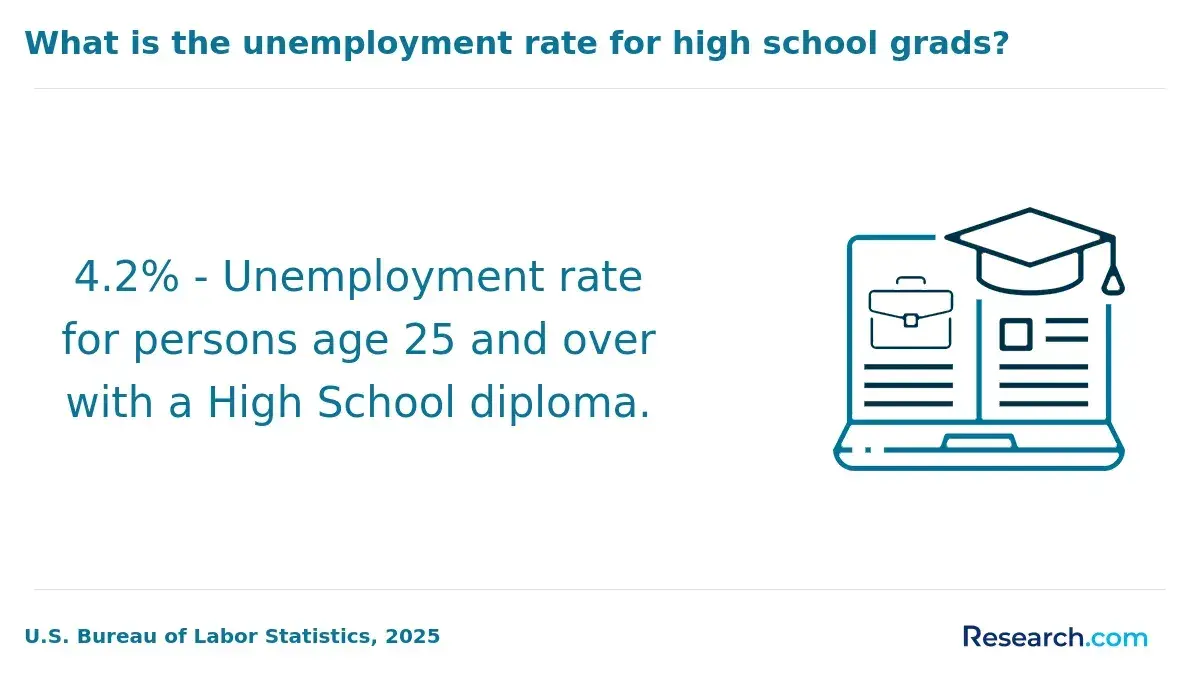
Choosing an online exercise science degree requires weighing program length against career goals focused on leadership in health and wellness. Associate degrees, typically two years, offer quicker entry but limit advancement without further credentials. Bachelor's programs, spanning three to four years, provide deeper expertise and better positioning for supervisory roles, but accelerated or part-time formats extend timelines and may reduce immediate earning potential.
Cost variation reflects institutional type and credential level, with associate degrees ranging roughly from $10,000 to $20,000 and bachelor's degrees from $20,000 to over $60,000. Public universities generally present lower in-state tuition, although total investment should be evaluated in light of the leadership roles graduates seek, where practical experience and internships can improve employment prospects.
Labor market projections affirm this approach: medical and health services manager positions are expected to grow 28% from 2022 to 2032, indicating strong demand for candidates who combine technical exercise science knowledge with proven managerial skills.
Strategic alignment of educational pacing, cost, and experiential learning thus directly influences the ability to meet employer expectations and secure leadership roles in community or corporate wellness sectors.
What leadership, coaching, and wellness-focused careers can these degrees lead to?
Advanced degrees in exercise science frequently position professionals for leadership roles that extend beyond foundational knowledge, requiring nuanced skills in program design, management, and multidisciplinary coordination. For instance, performance directors in collegiate sports implement broad athlete development strategies demanding both evidence-based expertise and administrative oversight-skills rarely mastered at the undergraduate level.
Operational realities in corporate wellness or community health settings illustrate demands for behavior change application along with scalable program development, aligning with employer expectations for measurable health outcomes.
Clinical exercise physiologists managing rehabilitation or cardiopulmonary teams face additional complexities involving insurance frameworks and compliance, justifying graduate-level specialization. Similarly, military strength and conditioning coaches leverage advanced coursework to meet rigorous criteria for injury prevention and operational readiness.
The expanded scope in these roles translates to salary differentials; a 2025 OnlineU median salary analysis notes compensation approximately 30% higher than entry-level positions, typically exceeding $75,000. However, tuition investment-from $11,000 to $22,000-necessitates careful cost-benefit analysis based on career trajectory and employer priorities.
Key considerations include:
- Balancing credential maintenance alongside leadership duties and budget management.
- Adapting to client acquisition and market variability in private sector leadership.
- Identifying graduate programs emphasizing applied data analytics and wellness technology integration.
This pragmatic lens supports informed decision-making grounded in tangible workforce demands rather than generalized outcomes.
What salary ranges and earning potential exist in exercise science and performance leadership?
Salary expectations in exercise science and performance leadership hinge heavily on the specific role and sector, with entry-level positions typically starting around $45,000 annually and experienced specialists or senior leaders surpassing $110,000.
Roles such as exercise physiologists usually earn median wages near $51,000 to $60,000, whereas performance directors and sports scientists utilizing advanced data analytics can command $90,000 to $120,000. This differentiation emphasizes the tangible value placed on expertise in technology-driven training and data integration.
For instance, a strength and conditioning coach in professional sports who applies real-time analytics to customize training regimens may achieve higher compensation compared to counterparts in clinical health promotion, where salaries tend to be more stable but lower. Candidates must weigh these sector-specific tradeoffs alongside job stability and growth potential.
Technical skills in biomechanical software and performance monitoring continue to grow in demand, requiring ongoing education and certifications. Graduates aiming for roles in elite sports or tech-forward performance centers should anticipate investing in continuous skill development to sustain competitive salaries.
The sports analytics market, expanding from $3.2 billion to over $7 billion within five years, is a key driver for these shifts, rewarding leaders adept at performance data application. Decision-making between high-performance athletics and wellness leadership roles should consider not just initial salary but long-term market positioning shaped by emerging technology proficiency.
What certifications or licenses align with exercise science and wellness leadership degrees?
Navigating certifications and licenses in exercise science requires prioritizing credentials that align directly with your target role and jurisdiction. For professionals focused on performance enhancement or corporate wellness, the Certified Strength and Conditioning Specialist (CSCS) from the National Strength and Conditioning Association remains a market-recognized credential.
Clinically oriented positions often demand the Certified Exercise Physiologist (EP-C) from the American College of Sports Medicine (ACSM), which validates medical exercise competency expected by healthcare employers.
Tradeoffs surface when balancing quick employability against long-term leadership growth. Entry-level client-facing roles typically require personal trainer certifications from bodies like NASM or ACSM, which are accessible but may limit upward mobility without additional coaching or behavioral health certifications such as Wellcoaches.
Licensing varies widely at the state level, notably in healthcare-adjacent roles like cardiac rehabilitation, complicating credential portability for remote learners or those completing online degrees, which represent roughly 15-20% of exercise science graduations according to Educations.com.
This fragmentation demands that candidates map certification timelines closely with degree completion to avoid gaps that delay hiring or promotion. Employers explicitly favor certifications tied to safety and scientific rigor over non-specialized credentials.
Practical considerations include:
- Choosing certifications that guarantee immediate eligibility versus those requiring supervised experience.
- Verifying state licensure to maintain compliance, especially when working across borders.
- Prioritizing recognized certifications embedded in employer expectations rather than accumulating numerous certificates with limited job market impact.
How can students evaluate and choose a reputable online exercise science program?
Accreditation and curriculum relevance are pivotal when assessing online exercise science programs, as these factors directly influence employability and career trajectory. Without regional or national accreditation, students risk investing in programs that lack institutional legitimacy and federal aid eligibility.
More importantly, programs must embed behavior change and coaching methodologies alongside performance science because the wellness sector values applied coaching skills-informed by growth projections from SportsDegrees.org, which anticipate a strong increase in wellness coaching roles through 2030.
For example, a student aiming to transition into corporate wellness coordination should prioritize programs featuring corporate wellness case studies and behavior modification components over primarily kinesiology-based offerings. Practical experience via virtual internships or real-client projects significantly improves workforce readiness, which theoretical knowledge alone cannot guarantee.
Evaluating graduate employment metrics and employer networks is essential because these data reflect a program's market alignment. Programs reporting high wellness coaching placement rates-such as 85% in health promotion roles-offer clearer evidence of effective training compared to those with limited outcome transparency.
Logistical considerations also shape feasibility: asynchronous course delivery suits working professionals seeking flexible upskilling, and well-resourced academic advising adds value. Prospective students must weigh total program costs against realistic salary improvements within three to five years post-graduation to ensure an informed return on investment.
Other Things You Should Know About Exercise Science
Hands-on experience remains critical despite the online format; employers expect candidates to demonstrate practical skills through clinical hours, internships, or lab work. Programs that integrate local partnerships or hybrid residencies substantially improve job readiness. Without these opportunities, graduates risk facing challenges securing roles requiring demonstrated applied competence. When selecting a program, verify how it facilitates or mandates practical experiences and assess whether it matches employer expectations in your target job market.
Online degrees can meet accreditation and educational standards that support entry-level positions effectively, but advancement into leadership or research roles often depends on networking, mentorship, and institutional reputation. Traditional programs may offer stronger alumni networks and access to on-campus resources which influence career mobility. If long-term leadership in wellness or performance science is your goal, prioritize online programs with robust career services, access to industry mentors, and opportunities for professional development beyond coursework.
It should hold regional accreditation from a U.S. Department of Education-recognized accreditor, such as HLC, SACSCOC, or WASC. For graduate study or employer screening, regional accreditation is the standard that most schools and human-resources offices use to verify degree quality and transferability.
References
- Exercise Science Careers: Paths with Degrees https://www.fitnessmentors.com/exercise-science-careers/
- Exercise Science | York College of Pennsylvania https://www.ycp.edu/academics/programs/exercise-science
- How To Become a Health and Wellness Coach https://nextgenlearning.org.uk/how-to-become-a-health-and-wellness-coach/
- 6 Misconceptions About a Career in Health & Wellness Coaching https://www.healthcoachesacademy.com/post/6-misconceptions-about-a-career-in-health-wellness-coaching
- Top 20 Careers With a Master’s in Exercise Science | PLNU https://www.pointloma.edu/resources/health-sciences/top-20-careers-masters-exercise-science
- Career Paths With a Life Coach Certification — ANHCO https://anhco.org/blog/what-can-you-do-with-a-life-coach-certification-career-paths-explained
- ESSA's career guide for Accredited Exercise Scientists https://www.essa.org.au/Web/Web/Resources/Tools-and-templates/ESSA-AES-Guide.aspx
- Online Bachelor's in Exercise Science Online Curriculum https://online.maryville.edu/online-bachelors-degrees/exercise-science/curriculum/
- 12 Health-Conscious Careers 2025: Salaries & Requirements https://www.nutritioned.org/12-fulfilling-health-counscious-careers/
- Online Exercise Science Degrees: Top School Review https://www.edumed.org/online-schools/exercise-science-degrees/