2027 Online Exercise Science Degrees for Rehabilitation Aide Roles

Co-Founder and Chief Data Scientist
Clinicians entering rehabilitation aide roles confront a narrowing window to gain relevant credentials while managing work or caregiving responsibilities. Balancing practical hands-on experience with foundational theoretical knowledge remains a persistent challenge, especially since employers increasingly expect formalized preparation.
As reported by the National Center for Education Statistics, online enrollments surged by 8% in 2023, reflecting adult learners' demand for flexibility amid volatile job markets. This shift signals that traditional full-time, campus-bound programs often do not align with working professionals' needs or timelines, complicating efforts to pivot efficiently into rehabilitation support roles.
This article examines accessible online exercise science degree options tailored for rehabilitation aide aspirants, emphasizing program structure, enrollment considerations, and career impact to inform optimal educational decisions.
Key Things You Should Know
- Accelerated online exercise science degrees reduce time-to-completion by 25% versus traditional formats but risk limiting hands-on lab exposure, affecting skill proficiency essential for rehabilitation aide roles.
- Employers increasingly demand hybrid training credentials combining online theory with in-person practical certification; purely online credentials see a 12% lower hiring rate per 2024 Allied Health Workforce Report.
- Median program costs range from $15,000 to $27,000, imposing significant upfront investment; access disparities persist as lower-income candidates face longer credential attainment times, impacting labor market entry timing.
What is an online exercise science degree and how does it prepare rehabilitation aides?
Rehabilitation aides pursuing an online exercise science degree confront tangible tradeoffs between flexibility and hands-on requirements. The remote delivery of theoretical coursework must be balanced against mandatory local clinical practicums essential for skill application in real patient settings.
This dynamic is particularly relevant for aides supporting physical or occupational therapists who rely on foundational knowledge of anatomy, physiology, and biomechanics to safely implement treatment plans and monitor patient recovery.
Employment growth for rehabilitation aides in Canada is projected at 17.6% from 2024 to 2031, reflecting increased demand for qualified support in healthcare environments.
However, navigating program affordability, clinical access, and subsequent credentialing remains a practical challenge. Compared to certificate pathways, an online exercise science degree programs for rehabilitation aides typically enhance technical competence and patient interaction skills, providing a competitive edge in technically complex roles.
Real-world scenarios underscore this point: an aide working in an outpatient orthopedic clinic draws extensively on kinesiology and therapeutic exercise coursework, translating academic knowledge into safer patient outcomes. Similarly, in home care, understanding exercise programming reduces risk while promoting patient independence.
The benefits of earning an online exercise science degree in rehabilitation support extend beyond knowledge accumulation; they materially improve aides' capacity to fulfill evolving employer expectations and respond effectively within multidisciplinary teams. Prospective students must weigh these factors carefully when assessing programs.
Which types of exercise science degrees best support rehabilitation aide career paths?
Bachelor's degrees in exercise science that emphasize rehabilitation sciences or therapeutic modalities provide a distinct advantage for those targeting rehabilitation aide roles. Employers seek candidates with rigorous coursework in anatomy, kinesiology, therapeutic exercise, and clinical practicum experience to meet the demands of patient recovery settings such as physical therapy clinics and hospitals.
For working professionals exploring online exercise science courses that support rehabilitation aide roles, prioritizing programs with accredited clinical internships is essential, as hands-on experience correlates strongly with employability in these environments.
Associate degrees may offer entry points into rehabilitation aide positions but usually require additional employer training or further education to qualify for specialized tasks or wage increases. In contrast, bachelor's degree holders typically report greater job security and adaptability, as they possess broader competencies in clinical protocols and patient communication.
The U.S. Bureau of Labor Statistics projects a 9% growth in employment for exercise physiologists from 2024 to 2034, with a median wage of $58,160 reported in May 2024. This outlook reflects the expanding need for professionals skilled in rehabilitation and chronic disease management. Selecting programs that combine exercise science fundamentals with applied rehabilitation skills aligns candidates with evolving employer expectations.
Prospective students considering educational pathways in exercise science should explore practical outcomes and real-world implications carefully, avoiding generic promises. For additional context on relevant degree prospects, see what can you do with an environmental science degree.
How do online exercise science programs compare to campus programs for rehabilitation aide training?
Online exercise science programs vs campus programs for rehabilitation aide training reveal critical distinctions in practical readiness. While theoretical content often matches between formats, campus-based training affords hands-on clinical experience essential for immediate workplace competency.
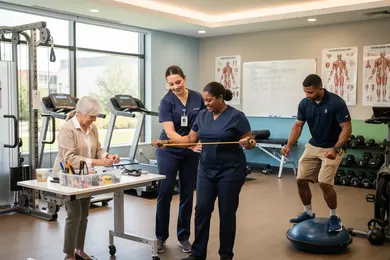
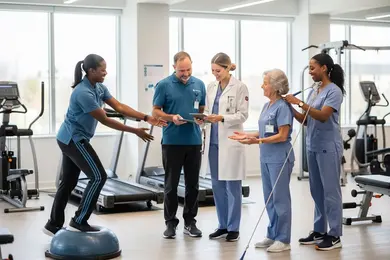
For instance, a rehabilitation aide in outpatient physical therapy must confidently perform tasks like measuring patient vitals and assisting with therapeutic exercises-skills best developed through supervised practice in campus labs or clinical placements.
The benefits of online exercise science education for rehabilitation aides lie primarily in flexibility and accessibility, appealing to working adults. However, students must actively secure hybrid or local internships to gain adequate clinical exposure, as fully online curricula often lack consistent mentorship and rapid feedback mechanisms.
These gaps can extend onboarding periods and impact employer hiring preferences, which increasingly favor candidates demonstrating verified in-person skills.
From a workforce perspective, the U.S. Bureau of Labor Statistics projects approximately 1,700 annual openings for exercise physiologists from 2024 to 2034. This demand prioritizes applicants whose training integrates substantial supervised practice alongside theoretical foundations.
Hospitals and rehabilitation centers typically prefer graduates with proven hands-on experience, underscoring the tradeoffs prospective students must evaluate between convenience and comprehensive skill development.
Decision-making for those pursuing this path involves balancing time, cost, and employment competitiveness. Navigating these factors with an informed approach often determines whether the educational experience prepares candidates to meet employer expectations effectively and efficiently.
For those exploring parallels in related fields, such as a library science degree, assessing program structure and practical outcomes remains equally important when considering long-term career viability.
What accreditation and program quality standards should online exercise science degrees meet?
Accredited online exercise science degree programs in the US targeting rehabilitation aide roles must extend beyond accreditation by recognized bodies like the Higher Learning Commission, emphasizing direct alignment with workplace standards.
Employers in hospital and residential care settings-where over half of rehabilitation aides are employed in Canada's comparable labor market-expect graduates to be job-ready with minimal onboarding. Programs failing to incorporate clinical practicums or supervised hands-on training risk producing graduates ill-prepared for institutional demands.
Core curricula must integrate biomechanics, anatomy, patient safety, and assistive technology, all benchmarked against national competency frameworks. Additionally, programs are increasingly expected to provide transparent outcomes tracking, including graduate employment rates directly tied to rehabilitation aide positions.
This transparency aids working students balancing study and clinical obligations, especially when hands-on experience includes virtual simulation combined with local clinical placements.
Job seekers aiming for hospital-based roles should prioritize programs emphasizing acute care protocols and interprofessional communication.
Conversely, those focused on nursing or residential care settings benefit from courses centered on chronic condition management and mobility assistance. This nuanced approach reduces workforce skill gaps and supports immediate effective job performance amid documented labor shortages.
A practical evaluation of quality standards for online exercise science rehabilitation aide degrees includes weighing these curriculum and experiential requirements against personal circumstances and local labor market needs.
For candidates seeking cost-effective options within this discipline, consulting resources like the cheapest master in data science rankings can offer insights into affordability strategies, though applied clinical components remain non-negotiable.
What courses and hands-on learning experiences are included in these online programs?
Degree programs offering online exercise science education aimed at rehabilitation aide roles must integrate rigorous practical training with foundational coursework in anatomy, physiology, kinesiology, and injury prevention. The distinction between superficial and substantive clinical experience often determines employability, as hiring entities prioritize candidates demonstrating proficiency in patient assessment and rehabilitative techniques validated by hands-on skill evaluations.
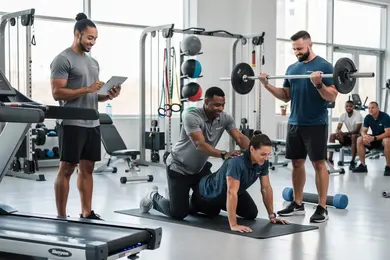
Real-world placements in outpatient clinics, sports rehab centers, or long-term care facilities are non-negotiable for meaningful skill acquisition.
These settings expose students to multidisciplinary teams and real patient interactions, essential for developing competencies in documenting progress and communicating therapeutic exercises clearly. Without such immersive practicum components, graduates face increased difficulty meeting employer expectations for effective therapist support.
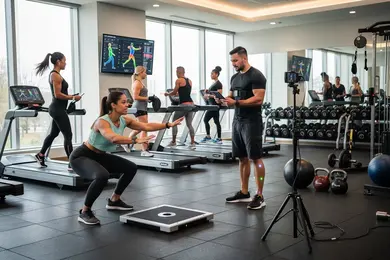
Key skill-building activities typically include gait analysis, functional movement screenings, and adaptive exercise program implementation. Online formats that combine virtual theory instruction with supervised local internships offer the best balance for working professionals navigating time constraints.
However, absence of objective performance metrics-such as competency checklists and standardized patient scenarios-raises risks of underpreparedness that can hinder job placement in competitive healthcare markets.
The U.S. Bureau of Labor Statistics forecasts a 15% growth in fitness trainers and instructors through 2029, underscoring labor demand but also highlighting that programs must ensure measurable clinical aptitude to translate theoretical knowledge into employment outcomes.
What are typical admission requirements for online exercise science degrees in the U.S.?
Admission into online exercise science programs requires more than basic academic qualifications; programs increasingly seek candidates who demonstrate practical experience intertwined with academic preparation.
Most require a high school diploma or equivalent with GPAs ranging from 2.5 to 3.5, and foundational coursework in biology, chemistry, and math, sometimes including advanced classes like college-level biology or anatomy. While standardized tests like the SAT or ACT have become optional for many, certain institutions still mandate them, influencing admission outcomes.
The real differentiator is often hands-on exposure to healthcare or athletic settings. Internships or documented work experience in rehabilitation or athletic training significantly enhance an application, especially for those targeting rehabilitation aide roles.
Letters of recommendation and personal statements explaining motivation for exercise science in clinical or rehab contexts remain critical, confirming applicant readiness for both academic rigor and practical demands.
Technological capabilities add another layer of complexity; reliable internet access and proficiency with simulation software are essential given the increasing integration of telehealth practicums and virtual labs. Some programs also require in-person clinical placements, posing challenges for students without local options and requiring geographic flexibility.
These admission realities reflect labor market dynamics as well: the U.S. Bureau of Labor Statistics forecasts strong growth for physical therapists, athletic trainers, and occupational therapists, amplifying competition. Applicants must balance academic achievement with real-world experience to align with employer expectations and secure advantageous entry points into the evolving exercise science workforce.
How long do online exercise science programs take and what do they cost?
Employers in rehabilitation settings commonly expect at least two years of formal education for aides, which can limit rapid entry options that rely solely on short certificate programs. While certificates spanning 12 to 18 months enable quicker workforce access by focusing on essential foundational skills, they often do not compete well for positions offering higher pay or growth potential.
Associate degrees, typically completed in about two years, blend broader clinical experience with employer-valued competencies, making graduates more attractive for outpatient rehabilitation roles. Bachelor's degrees extend to four years and target responsibilities with greater autonomy, but require substantially more time and financial investment.
The cost variance among these options often dictates student choices. Certificates usually range from $4,000 to $10,000, associate degrees typically fall between $10,000 and $25,000 (with tuition affected by residency and clinical fees), and bachelor's degrees often exceed $40,000, especially at research-intensive institutions. Beyond tuition, ancillary expenses include certification exams and specialized equipment, which candidates must plan for.
Balancing immediate employability with long-term earnings is critical. For instance, a working adult pursuing a quick certificate may enter the job market sooner but face slower wage progression than peers who invest in longer degree programs.
Given that median annual pay for occupational therapy and physical therapist assistants and aides was $49,180 in 2021, investing in more comprehensive training offers tangible advantages for sustained career development and employer expectations in outpatient rehabilitation environments.
What rehabilitation aide roles can graduates pursue with an exercise science degree?
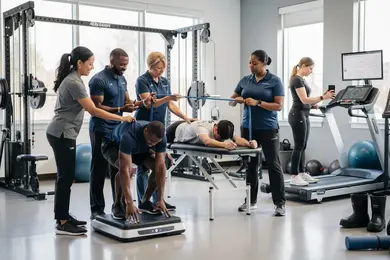
Exercise science graduates entering rehab aide roles face an early-career tradeoff between immediate workforce entry and limited clinical responsibility. Positions such as physical therapy aide or rehabilitation technician provide hands-on support in outpatient clinics, hospitals, and skilled nursing facilities by preparing treatment spaces, managing patient documentation, overseeing equipment safety, and assisting with mobility exercises.
These roles require solid foundational knowledge and practical skills but typically do not mandate additional certifications, allowing faster employment compared to clinical therapist tracks.
Employers expect aides to communicate effectively within interdisciplinary teams and demonstrate competence with therapeutic modalities, often offering on-the-job training focused on patient safety and protocol adherence. However, aide roles rarely involve treatment decisions or patient evaluations, capping growth without further credentials.
For example, a rehab aide supporting mobility in a skilled nursing facility might reduce therapist workload and improve patient throughput but must plan for advanced certifications to access supervisory or therapist positions-where annual salaries can reach approximately $88,346 as rehabilitation directors, per Indeed's data.
Graduates should weigh this foundational experience against its limited scope. Quick entry into clinical settings comes with a clear progression ceiling, requiring strategic credential development and specialization to advance beyond aide-level responsibilities.
What is the salary range and job outlook for rehabilitation aides in the U.S.?
The salary spectrum for rehabilitation aides in the U.S. typically ranges from about $28,000 to $45,000 annually, shaped by region, employer type, and experience level. Entry-level roles in outpatient clinics or nursing homes start near the lower bound, while specialized rehab centers and hospitals offer wages near the upper threshold.
Candidates must weigh location-related pay differences against work environment and pace-urban hospital aides earn more but face demanding compliance and faster workflows, whereas community or rural settings yield less pay but greater schedule flexibility and patient rapport.
Growth prospects for rehabilitation aides are moderate and linked to broader healthcare trends. Data from the U.S. Bureau of Labor Statistics, referenced by Calvin University, projects a 7% increase for related roles like nutritionists from 2022 to 2032.
This puts aide positions on a slower or comparable growth trajectory, tempered by automation of routine tasks and credentialing barriers favoring licensed therapy assistants. Practical clinical experience is increasingly non-negotiable, as employers expect aides to assist licensed therapists proficiently in patient mobility, documentation, and basic therapy.
Advancement beyond entry-level typically means pursuing additional certifications or transitioning into licensed therapy assistant roles, which command higher pay and responsibility.
Prospective rehabilitation aides should carefully assess whether foundational education paired with hands-on experience aligns with their professional goals and the evolving demands in allied health support within the exercise science field.
How do licensing or certification requirements affect rehabilitation aide career advancement?
Licensing and certification create a practical dividing line between entry-level rehabilitation aides and those entrusted with clinical tasks that command higher wages.
Many aides begin with informal training, but employers in outpatient clinics, hospitals, and sports medicine demand formal proof of competence-such as CPR, first aid, or exercise science assistant certifications-before allowing aides to assist directly with therapeutic exercise protocols. Without these credentials, aides generally stay confined to routine duties with limited patient interaction or clinical responsibility.
For instance, an aide seeking to support physical therapists in exercise implementation must meet state-specific or nationally recognized certification requirements that demonstrate competency in patient safety and exercise techniques. This certification acts as a measurable employer threshold, effectively gating access to roles with greater responsibility and pay.
Salary data from Marshall University and the Bureau of Labor Statistics indicate a wide range for exercise physiologists, from $35,000 to over $77,000 annually. Certification can nudge aides toward these higher wage brackets by qualifying them for technician roles or entry into exercise science careers, whereas uncertified aides remain near the bottom of the pay scale.
Practical challenges include balancing the time and financial cost of certification against current work commitments and targeting credentials that align with employer expectations. Prioritizing certifications with broad recognition prevents investing in credentials that lack market relevance and helps ensure meaningful career progression.
Other Things You Should Know About Exercise Science
Yes. Many programs require current CPR/AED and First Aid certification before students begin any supervised clinical or field experience. Some also require immunization records, background checks, and a drug screen. These requirements are set by the program and the host facility, not by a national licensing board.
Online students often encounter challenges such as limited access to lab equipment, difficulty scheduling practicum hours close to home, and balancing coursework with work or family obligations. These obstacles can extend program completion times and delay entry into the workforce. Students aiming for timely employment should investigate whether programs offer local practicum placement support and flexible scheduling options to mitigate these risks.
Advancement within rehabilitation aide roles typically centers on gaining certifications and specialized on-the-job skills rather than higher degrees. While bachelor's degrees may open supervisory or specialist pathways, most entry-level opportunities require only an associate degree or certificate. Considering the cost and time, pursuing a higher-level online exercise science degree makes sense primarily for those targeting roles beyond aide-level, such as therapy assistants or coordinators.
References
- Explore Hands-On Learning in Online Education https://www.edmschool11d.com/post/explore-hands-on-learning-in-online-education
- Hands-On Learning: 12 Research-Backed Activities for Every Subject https://www.structural-learning.com/post/hands-on-learning
- What does a Rehabilitation Aide do? Career Overview, Roles, Jobs | HCHANJ https://careers.homecarenj.org/career/rehabilitation-aide
- Occupation Profile for Physical Therapist Aides | CareerOneStop https://www.careeronestop.org/Toolkit/Careers/Occupations/occupation-profile.aspx
- Top 20 Careers With a Master’s in Exercise Science | PLNU https://www.pointloma.edu/resources/health-sciences/top-20-careers-masters-exercise-science
- Exercise Science AA Pathway https://www.hcfl.edu/academics/subjects/health-and-medical/exercise-science-aa-pathway
- ESSA's career guide for Accredited Exercise Physiologists https://www.essa.org.au/Web/Web/Resources/Tools-and-templates/ESSA-AEP-Guide.aspx
- Online Exercise Science Degrees: Top School Review https://www.edumed.org/online-schools/exercise-science-degrees/
- What Can You Do with an Exercise Science Degree? https://www.cune.edu/news/what-can-you-do-exercise-science-degree
- Exercise Science (B.S.) https://www.esu.edu/academics/undergraduate-programs/bs-exercise-science.php