2027 Online Exercise Science Degrees With Promotion-Ready Leadership Alignment

Co-Founder and Chief Data Scientist
Professionals seeking advancement in exercise science confront a common yet critical hurdle: balancing rigorous leadership training with flexible, accessible education amid demanding work schedules. The Bureau of Labor Statistics projects a 13% growth in exercise science-related roles by 2032, intensifying competition and placing a premium on credentials that demonstrate both technical expertise and leadership readiness.
Meanwhile, over 44% of undergraduate students now enroll exclusively online, indicating a shift in accessibility preferences that traditional programs often fail to match. This disconnect leaves many capable candidates stalled in career progression due to inflexible program structures.
This article evaluates online exercise science degrees designed with promotion-ready leadership alignment, focusing on how students can strategically navigate program options to overcome scheduling conflicts, maximize credential relevance, and accelerate workforce mobility.
Key Things You Should Know
- Graduates holding 2026 online exercise science degrees aligned with leadership roles face a median 14% salary premium but must balance delayed workforce entry and $18K higher average tuition versus traditional tracks, per NCES data.
- Employers in clinical and sports performance sectors increasingly demand dual competencies in exercise science and leadership, with 62% favoring candidates possessing measurable management experience per SHRM 2024 reports.
- Program timing challenges arise as synchronous leadership modules extend completion by 9 months on average, impacting working professionals' advancement pace and opportunity costs, according to recent EDUCAUSE analytics.
What is an online exercise science degree and how does it prepare you for leadership?
Online exercise science degree programs with leadership focus equip graduates to meet expanding employer demands for professionals who combine clinical expertise with organizational and management skills. Beyond understanding biomechanics and nutrition, students acquire competencies in team dynamics, strategic oversight, and health promotion, enabling transition from practitioner roles to administrative positions.
For instance, a graduate employed at a rehabilitative clinic must balance patient care with coordinating multidisciplinary teams and managing program schedules efficiently.
The workforce outlook supports this approach. The U.S. Bureau of Labor Statistics projects a 10% growth in exercise physiologist roles through 2032, creating over 59,000 new positions. This growth favors those who can integrate evidence-based practice with leadership. Yet, prospective students must account for the challenges of online study, particularly fulfilling hands-on practicum and internship requirements essential for state certification.
The practical value of leadership training in these programs depends on the availability of applied project experiences or employer collaborations that validate skill acquisition beyond theory. Students unable to engage in such opportunities may find promotion pathways limited despite coursework.
Those evaluating this path should consult comprehensive program data and real-world outcomes, such as those provided by exercise science degree online listings, to align educational investments with career objectives.
How do online exercise science programs compare with campus-based options for quality and outcomes?
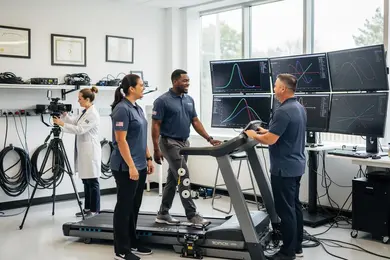
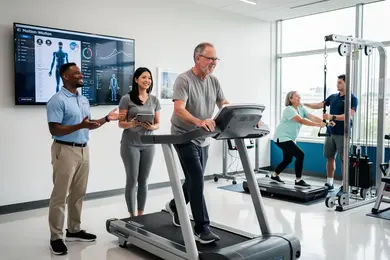
The practical demands of exercise science education create a distinct divide between online and campus-based program quality. While accredited online programs maintain consistent theoretical curricula, they often fall short in delivering the hands-on clinical experience critical for workforce readiness.
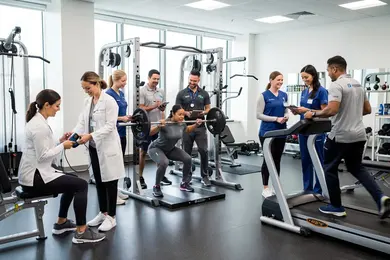
Campus-based program quality comparison shows that physical internships, supervised labs, and clinical practicums integral to applied learning frequently require onsite presence or strong local partnerships that some online formats struggle to provide.
This gap directly affects employability: employers increasingly prioritize candidates with demonstrable in-person clinical hours and professional networking established through immersive campus environments. Between 2022 and 2032, healthcare roles are projected to grow by over 2.4 million new jobs, with many favoring exercise science graduates possessing robust applied skill sets. Graduates from online platforms must, therefore, proactively secure quality internships, sometimes dealing with logistical challenges, to match outcomes of traditional programs.
Working professionals balancing careers with studies may gravitate toward online options for flexibility but should weigh this against potential limitations in mentorship, peer collaboration, and hands-on application. Candidates evaluating exercise science program outcomes online versus traditional campus pathways need to consider these tradeoffs carefully to align education choices with long-term career objectives.
Resources like the online dietitian degree rankings can offer additional context on effective online health science pathways, complementing exercise science inquiry.
Which online exercise science degrees are accredited and aligned with industry leadership standards?
Employer demand in hospital and clinical settings strongly favors graduates of online exercise science degrees accredited by industry leaders such as the Higher Learning Commission (HLC), Middle States Commission on Higher Education (MSCHE), or Southern Association of Colleges and Schools Commission on Colleges (SACSCOC). These regional accreditations guarantee academic rigor and practical relevancy critical for advancing in healthcare environments.
Programs aligned with the Commission on Accreditation of Allied Health Education Programs (CAAHEP) or affiliated with the American College of Sports Medicine (ACSM) enhance professional credibility by adhering to standards essential for rehabilitation and chronic disease management roles.
The median annual wage for exercise physiologists stands at $51,350, with approximately 22% employed in state and private hospitals. Graduates coming from non-accredited or leadership-weak programs often face diminished opportunities for positions involving insurance-reimbursed patient care or leadership tracks. Candidates prioritizing programs integrating ACSM-recognized leadership curriculum and hands-on practicum experience align better with employer expectations and clinical demands.
Key considerations in selecting accredited online exercise science programs with leadership alignment include:
- Verification of recognized accreditation to ensure employer acceptance.
- Integration of evidence-based clinical leadership content reflecting industry benchmarks.
- Structured practicum opportunities enabling practical skill application in relevant healthcare settings.
Students evaluating advanced education pathways may also consider options beyond exercise science, such as pursuing a PhD data science online, which can complement clinical knowledge with data analytics skills valuable in health research and administration.
What exercise science concentrations and leadership-focused courses can you study online?
Programs offering exercise science online concentrations with leadership focus must navigate the tension between specialized technical training and essential administrative skills. For instance, students aiming to shift into wellness program management face practical challenges in balancing human physiology expertise with competencies in budgeting and team coordination.
Many curricula embed leadership and management courses that address organizational behavior and strategic management within health settings, yet such integration varies widely and influences eligibility for certification and hiring outcomes.
Nutrition and health promotion tracks often align clearly with the workforce demand for roles like nutritionists, whose median wages reached $66,450 with a 7% growth outlook through 2032 according to the U.S. Bureau of Labor Statistics. Leadership content within these programs includes navigating healthcare policy and ethical considerations, which are critical in clinical or corporate wellness environments.
Practical leadership skills such as conflict resolution and multidisciplinary team coordination emerge as indispensable in sectors like rehabilitation and athletic training, where professionals lead complex care collaborations. However, the online format typically limits hands-on lab access, making supplemental in-person practica or internships necessary to develop fully marketable skills—an important factor in pacing career transitions.
Prospective students should rigorously evaluate program accreditation and how extensively leadership coursework integrates with technical content, as both impact employer recognition and certification pathways. Those assessing pathways may also consider how the online model compares with more traditional options, especially in light of real-world supervisory responsibilities.
For professionals weighing options beyond exercise science, affordable online pathways exist in complementary fields; for example, pursuing an online masters in data science can augment leadership capabilities in evidence-based interventions and analytics.
What are the admission requirements for online exercise science and related leadership pathways?
Admission into online exercise science leadership programs often hinges on more than academic credentials; employers prioritize demonstrated impact and field experience alongside a bachelor's degree in related disciplines. A minimum undergraduate GPA of 3.0 is standard, but leadership pathways demand documented professional roles such as program coordination or team supervision to validate managerial readiness. Without these, candidates face additional preparatory requirements that can delay or complicate progression.
While some schools still require the GRE, its practical value is diminishing compared to demonstrated workplace contributions and industry-relevant competencies. Core prerequisites like anatomy, physiology, biomechanics, and exercise physiology remain essential, reflecting foundational knowledge employers expect.
Candidates lacking formal leadership training but rich in hands-on experience may find themselves navigating extra coursework or bridging certificates, which affects both timeline and cost.
Tuition pricing, as evidenced by Liberty University Online's rate of $580 per credit for its Master of Science in exercise science and wellness, must be balanced with program rigor and career outcomes. Investment decisions should weigh whether the embedded leadership and promotion-readiness elements justify mid-range costs relative to competitive workforce demands.
Applicants who anticipate leveraging these skills in health and wellness leadership roles should critically assess how well programs align with employer expectations and advancement timelines.
Admission considerations include:
- Bachelor's degree in exercise science, kinesiology, health sciences, or a related field
- Minimum 3.0 GPA on undergraduate transcripts
- Professional experience demonstrating leadership or supervisory capacity
- Completion of prerequisite coursework in anatomy, physiology, biomechanics, and exercise physiology
- Possible GRE submission depending on institution
- Letters of recommendation focusing on technical and leadership potential
- Personal statements articulating career objectives in exercise science leadership
How long do online exercise science degrees take and what schedules fit working adults?
Online exercise science degrees present distinct time and financial tradeoffs that require strategic planning to align with professional goals. Bachelor's degrees typically span four years full-time but often offer accelerated three-year paths, while master's programs range from 18 to 36 months.
Doctoral options extend from three to six years, heavily influenced by dissertation progress and credit load. Part-time enrollment, common among working professionals, increases program duration but provides necessary flexibility.
Scheduling models vary significantly, affecting employability and workload management: asynchronous coursework suits those balancing full-time jobs, allowing study outside business hours, whereas cohort models foster peer interaction with fixed timelines.
For instance, a physical therapist working full-time may prioritize evening or weekend classes paired with online modules, whereas a fitness director targeting leadership roles might accept the intense workload of condensed summer sessions to expedite completion.
Employers increasingly expect rigorous, structured program delivery with evidence of academic discipline and leadership skills. Overly flexible schedules lacking consistent assessment risk undermining perceived competency.
Cost considerations also influence pathway decisions—doctoral programs such as Concordia University Chicago's EdD in Health and Human Performance charge upwards of $711 per credit hour, making accelerated options appealing despite potential workload spikes.
What do online exercise science programs cost, and how can you finance your degree?
Cost variation in online exercise science programs reflects different student profiles and institutional policies, significantly affecting total investment. For instance, Concordia University-St. Paul charges $420 per credit for its online B.A. in Exercise Science, but active-duty military undergraduates and spouses benefit from a reduced rate of $250 per credit, markedly lowering program expenses that can otherwise exceed $40,000. This highlights the importance of evaluating tuition discounts alongside program length to control debt.
Financing strategies extend beyond sticker price. Federal student loans and Pell Grants remain primary options after FAFSA submission, offering stable interest and repayment terms but often resulting in debts exceeding $30,000. Borrowers must consider salary prospects tied to their chosen career path—clinical roles usually command compensation levels that justify debt, while community fitness positions may not.
Employer tuition reimbursement programs represent another financial lever, predominantly for allied health or fitness professionals seeking upward mobility, typically demanding ongoing employment and acceptable grades. Military-affiliated students can combine reduced tuition with GI Bill benefits or tuition assistance for further cost reduction.
Prospective students should assemble a detailed financial plan including:
- Per-credit cost and program duration
- Institutional or military discounts
- Federal aid eligibility and caps
- Employer reimbursement terms
- Realistic post-graduation earnings by role
What leadership-ready careers can an online exercise science degree qualify you for?
Exercise science degrees with integrated leadership training position graduates for roles that intertwine subject expertise with operational management across sports and wellness sectors. For instance, an athletic program director at a university navigates complexities beyond biomechanics by managing compliance, staff coordination, and resource allocation within budget constraints.
Such responsibilities illustrate how leadership aptitude directly influences organizational effectiveness and team performance in applied settings.
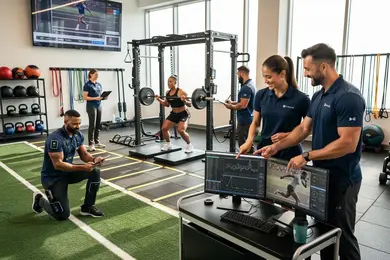
Professionals aiming for positions like strength and conditioning managers must adapt evidence-based protocols while leading diverse teams under tight schedules, underscoring the dual demand for scientific knowledge and management skills. Corporate wellness directors add further nuance by requiring fluency in behavioral science alongside financial and cross-departmental communication abilities.
Employers prioritize candidates demonstrating not only technical proficiency in physiology and biomechanics but also robust decision-making capabilities and leadership demonstrated through prior experience. These factors often determine eligibility for advancement and salary scaling in competitive job markets.
Cost-efficiency and curriculum relevance materially impact working professionals' ability to pursue these degrees. For example, the online Bachelor of Science in Sport Management with an organizational leadership emphasis at Arkansas State University charges $292 per credit hour, presenting a significant consideration when balancing return on investment with career flexibility.
What salaries and job outlook can graduates of online exercise science programs expect?
Entry-level positions for graduates of online exercise science programs typically offer median salaries between $40,000 and $50,000, but advancing beyond basic fitness trainer roles often requires strategic specialization and leadership skills to surpass $70,000 annually. Employment growth in this sector is projected at around 15% through 2032, signaling solid demand, yet compensation and career progression substantially vary based on work setting and geographic region.
For example, roles in retail fitness centers or community gyms often come with limited pay and advancement, while institutional environments like rehabilitation clinics or collegiate athletic departments offer higher salaries and more structured promotional pathways. Metropolitan markets provide more job openings but also fiercer competition for senior roles, whereas rural areas may allow faster leadership attainment, albeit with more modest salary ceilings.
Employers favor candidates with credentials in leadership, health promotion, and data-driven performance assessment. Professionals pivoting into this field maximize financial and managerial outcomes by pursuing ongoing education and certifications in niche areas such as corrective exercise or sport performance.
Without these augmentations, graduates risk stagnation in entry-level training positions despite overall industry growth, limiting long-term earning potential and managerial influence. A practical approach aligns technical expertise with evolving employer expectations to navigate this complex labor market effectively.
How do you evaluate and choose a reputable online exercise science program with strong leadership support?
Choosing an online exercise science program with robust leadership integration demands scrutiny beyond accreditation. Programs must align curriculum rigor with licensure requirements validated by bodies like CAATE or CAAHEP while embedding leadership skill development tailored to evolving industry roles.
For instance, professionals targeting middle-management positions in rehabilitation should favor programs offering case-based leadership practicums and direct faculty mentorship, enabling immediate translation of skills to workplace challenges.
Accelerated pathways, such as a three-year Health Science and Exercise Leadership online degree, appeal to working professionals seeking to minimize time away from employment. These formats reduce opportunity costs compared to traditional four-year tracks but may intensify workload and reduce flexibility for those balancing multiple responsibilities.
Employment data and employer feedback remain critical indicators of a program's alignment with workforce needs. Graduates demonstrating competencies in evidence-based decision-making, client management, and administration better meet employer expectations in specialized and leadership roles.
Operational factors like cohort size and course scheduling flexibility influence accessibility and learning effectiveness. Large cohorts may dilute personalized mentorship, while rigid schedules can hinder professionals balancing work commitments.
Thorough evaluation supported by authoritative sources, such as government labor statistics and institutional outcome reports from 2024 onward, helps mitigate the risk of misaligned educational investments and ensures programs meaningfully contribute to career pivots or advancement.
Other Things You Should Know About Exercise Science
Employers increasingly recognize online exercise science degrees, especially from accredited institutions with proven outcomes. However, graduates from programs lacking hands-on clinical components or limited practicum opportunities may face disadvantages in roles requiring direct patient or client interaction. Prioritize programs that integrate practical labs or partnerships with healthcare providers to ensure your degree holds equal weight with traditional formats in employer evaluations.
Online programs without on-site labs can delay critical hands-on skill acquisition needed for movement assessment, biomechanics, and exercise testing. This gap often requires students to seek local internships or extended practicums, adding time and cost outside the program. If your target career demands advanced clinical skills, choose programs with mandatory in-person components or affiliated clinical partnerships to avoid skill deficits that can hinder professional readiness.
Online exercise science degrees demand significant time for coursework, assignments, and lab/admin work, often more than anticipated. Expect peak periods around project deadlines and practicum scheduling that may not align neatly with work hours. Candidates managing full-time roles should select programs offering flexible scheduling and asynchronous content, but still prepare for high time management pressure and possible work-life sacrifices to maintain academic performance.
Look for regional institutional accreditation and, when available, programmatic accreditation from CAAHEP or COAES for exercise science. Regional accreditation is the main requirement for graduate school transfer, while some employers and certification routes also prefer programs that meet current academic standards.
References
- Online Degree vs. Traditional: Choosing the Right Path https://beal.edu/online-degree-vs-traditional/
- Online Exercise Science Degrees: Top School Review https://www.edumed.org/online-schools/exercise-science-degrees/
- ESSA's career guide for Accredited Exercise Scientists https://www.essa.org.au/Web/Web/Resources/Tools-and-templates/ESSA-AES-Guide.aspx
- Exercise Science Degree Programs, Online Included for 2026 https://www.kinesiologydegrees.org/programs/exercise-science
- Online Exercise Science Program https://stmary.edu/online-programs/exercise-science.html
- A Comparison of Physical Activity Levels between On-Line and Campus University Students https://clinmedjournals.org/articles/ijsem/international-journal-of-sports-and-exercise-medicine-ijsem-5-141.php
- Kinesiology and Exercise Science Careers Guide https://teach.com/online-ed/healthcare-degrees/online-bachelors-kinesiology-exercise-science/career-outlook/
- Exercise Sciences https://www.caahep.org/committees-on-accreditation/exercise-science
- Five Online Degrees For Students With A Passion For Fitness https://www.academicinfo.net/blog/2023-02-16-five-online-degrees-for-students-with-a-passion-for-fitness/