2027 Online Exercise Science Degrees With PT School Prep Alignment

Co-Founder and Chief Data Scientist
Aspiring physical therapy candidates face a bottleneck when their exercise science degree programs lack direct alignment with PT school prerequisites, forcing costly additional coursework that delays licensure and employment. With nearly 40% of adult learners opting for online degree programs according to the National Center for Education Statistics, accessibility and flexibility have become non-negotiable.
Yet, not all online exercise science degrees integrate PT school preparatory content effectively, risking misalignment with admission requirements and prolonging career entry. This gap challenges students balancing work, family, and academic responsibilities who cannot afford extended timelines. This article examines online exercise science degrees offering PT school prep alignment to streamline career progression and optimize enrollment choices.
Key Things You Should Know
- Online exercise science programs aligned with PT school prerequisites often lack direct hands-on labs, creating a curriculum tradeoff that can delay licensure readiness by 6-12 months, per 2024 Council on PT Education data.
- Employers increasingly prioritize candidates with verified clinical internship hours over coursework alone; the National Physical Therapy Workforce Report 2024 shows 72% of rehiring decisions hinge on practical exposure, intensifying candidate competition.
- Programs with PT prep integration reduce aggregate costs by 15-20% compared to sequential degrees but require precise timing coordination; misalignment risks extra semesters and tuition surges, a factor confirmed by the 2024 NACME higher ed finance analysis.
What are online exercise science degrees for PT school prep?
Choosing an online exercise science degree program with PT school preparation requires careful evaluation of how effectively coursework aligns with physical therapy prerequisites and practical experience demands. Although these programs provide targeted studies in anatomy, physiology, kinesiology, biomechanics, and nutrition to meet core requirements, the limited hands-on lab exposure typical of online formats remains a critical limitation requiring hybrid or local clinical arrangements.
Graduates enter a labor market anticipating 14% job growth for physical therapists by 2033, with competitive median salaries near $99,710, signaling robust demand but heightened applicant competition. This underscores the importance of selecting programs with clear articulation of PT prerequisites, credit transfer assurances through NCES or regional accreditation, and verifiable clinical observation or internship access, factors often overlooked but essential for successful licensure and employment.
Working professionals pursuing the online exercise physiology degree route will gain flexible knowledge acquisition, but must proactively secure local clinical hours to avoid delays in credentialing. Understanding program rigor and transfer policies protects against wasted effort and ensures the educational pathway aligns with rigorous PT admissions standards. This practical scrutiny mitigates barriers to licensure and improves long-term workforce returns, offering a strategic advantage in the best online exercise science courses aligned for physical therapy school.
Which accredited programs best align with physical therapy school?
Undergraduate programs best suited for entry into physical therapy (PT) school tightly integrate PT prerequisites with core exercise science curricula, addressing the frequent challenge of prerequisite gaps that often postpone PT admission. The blend of anatomy, physiology, chemistry, biomechanics, and health-focused statistics forms a minimum baseline; absence of these can require costly and time-consuming additional coursework, especially affecting working professionals seeking online pathways.
Methodist University's online BS in Exercise & Sport Science exemplifies this model, offering tuition at $445 per credit hour with average graduate salaries near $71,000, thus presenting a pragmatic cost-to-earnings balance. Programs like this mitigate delays from misaligned degrees common to generalized exercise science programs and cater to workforce expectations for academic rigor combined with virtual or hybrid lab experiences.
Employers and PT admissions committees emphasize the value of accreditation by bodies like CAAHEP or recognized regional accreditors to ensure coursework transferability and clinical relevance. For prospective students, selecting an exercise science program aligned with physical therapy school requirements directly influences early-career income trajectories and eligibility, reflecting critical real-world tradeoffs between flexibility, cost, and credential robustness. A strategic resource for comparing such degrees includes the accredited online animal science degree analysis, which, while discipline-specific, models comprehensive cost and accreditation considerations transferable to exercise science program evaluation.
How do online and campus exercise science degrees compare?
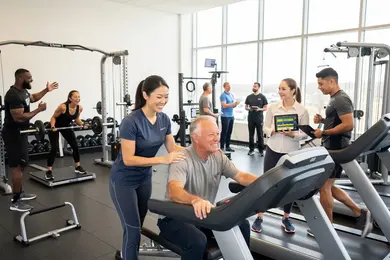
Deciding between online and campus exercise science degrees hinges on a clear tradeoff: hands-on training and professional networking versus flexible scheduling and affordability. Campus programs deliver direct access to labs, clinical practicum sites, and faculty with established local industry ties, which significantly enhance alignment with physical therapy school requirements.
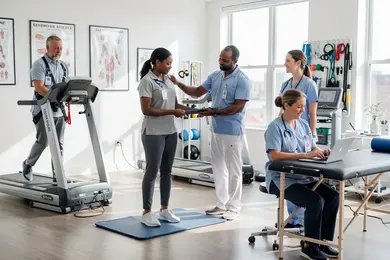
Students benefit from supervised exposure to manual therapy techniques and biomechanical assessments-skills valued by employers and prerequisite for many PT programs. Conversely, online degree candidates must arrange their own clinical hours, often facing challenges in securing consistent, quality placements outside institutional networks.
This gap can limit their preparedness and competitiveness unless they actively supplement clinical credentials. Online options, exemplified by Concordia University Chicago's $420 per credit hour rate, offer cost savings compared to many traditional programs exceeding $600 per credit, appealing especially to working professionals or those prioritizing flexibility over embedded campus resources.
Prospective students assessing the comparative benefits of online versus campus exercise science degrees should consider that demonstrated clinical competencies and professional networks strongly influence employment outcomes. For those pursuing remote study or balance with other responsibilities, investigating cost-effective, accredited options such as a computer science online degree program may provide insight into managing flexibility and cost in specialized fields.
What accreditation should an exercise science program have?
Selecting an accredited online exercise science program in the US demands scrutiny beyond name recognition-CAAHEP accreditation serves as a critical filter for physical therapy (PT) school candidates. Without this specific program accreditation, students often encounter hurdles such as unmet prerequisite coursework or limited access to valued clinical placements.
For example, graduates from non-CAAHEP programs may face costly delays finishing additional classes that align with PT admissions criteria. Equally important is the institution's regional accreditation, which governs credit transferability and federal aid eligibility.
PT schools frequently require degrees from regionally accredited institutions, rendering national accreditation insufficient and heightening the importance of regional standards as a baseline credential. Practical pathways matter as well-programs designed for transfer-friendly credit policies can compress time to degree, benefiting working professionals or career changers balancing commitments.
Concordia University, St. Paul Online's model allows completion with 60 transfer credits in roughly two years full-time, aligning well with these realities. Prospective students should also verify comprehensive science coursework-anatomy, physiology, kinesiology-that supports PT preparation.
Variability in curriculum focus across programs means graduates from non-aligned exercise science degrees risk additional post-graduation prerequisites, impacting employability and smooth progression into graduate training. For a strategic and cost-effective educational trajectory, evaluating accreditation alongside credit transfer and curriculum rigor is paramount. Those planning their path in the exercise science field can additionally consult comparison resources like the data science learning path for insights into affordability and program structure in related domains.
What courses are required in PT prep exercise science programs?
Core curriculum in PT prep programs demands rigorous mastery of anatomy-both gross and microscopic-often reinforced by cadaver labs to ensure precise musculoskeletal knowledge essential for clinical accuracy. Physiology instruction focuses on cardiovascular, respiratory, and neuromuscular systems, aligning with clinical requirements to analyze patient bodily responses during rehabilitation.
Courses in biomechanics provide critical skills for quantitatively assessing human movement, a direct employer expectation for evaluating and customizing therapy plans. Kinesiology and motor learning studies build understanding of neural control necessary for designing effective recovery protocols.
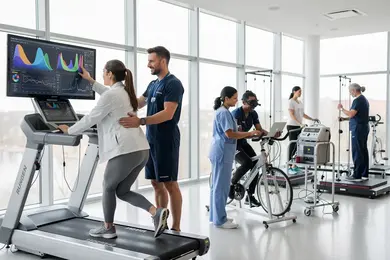
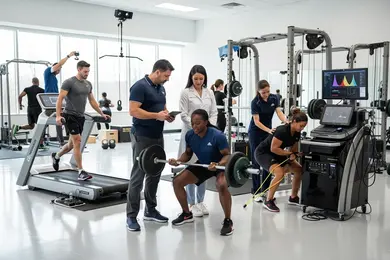
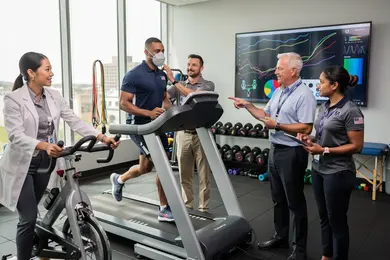
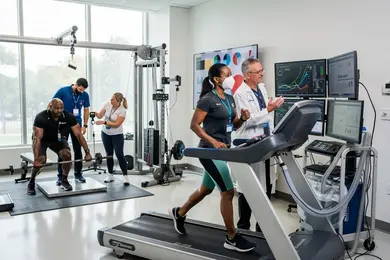
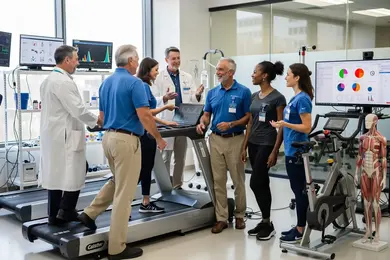
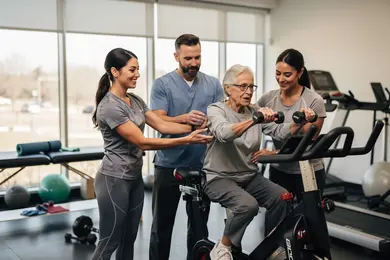
Hands-on experience integrates practical labs and clinical observations, bridging theory with applied skills-observing musculoskeletal evaluations, for example, equips students to meet real-world clinical workflows expected during internships. This integration is vital given the intensive nature of these programs and competitive job market.
Key logistical challenges include prerequisites with lab components and mandatory clinical hours, often extending program duration. Financial considerations also weigh heavily, especially since most students at institutions like Methodist University rely on aid; managing costs alongside exhaustive coursework influences the sustainability of pursuing this track. For career pivoters evaluating exercise science pathways, understanding these operational demands and employer expectations upfront aids realistic planning, balancing academic rigor with practical workforce readiness.
What admission requirements do online exercise science programs use?
Admission to online exercise science programs demands more than just a high school diploma or GED; competitive acceptance hinges on meeting baseline academic markers such as a 2.5 to 3.0 GPA and often submitting standardized test scores, although many institutions are dropping this requirement in 2026 to broaden access. Those targeting physical therapy (PT) school alignment encounter additional hurdles, including prerequisite courses in biology, chemistry, and anatomy with labs, alongside clinical observation hours to meet industry expectations for practical exposure.
Work experience in related health or fitness sectors strengthens applications, although it is rarely a strict necessity. Programs aiming to funnel students toward PT careers frequently require recommendation letters from healthcare or academic professionals, assessing both commitment and communication skills critical to succeeding in clinical environments.
Cost variability-from $420 to $1,750 per credit-significantly shapes applicant choices, especially when balancing in-state versus private or out-of-state program options with more specialized PT preparatory content. For working adults pivoting careers, selecting programs with flexible admission criteria and waived standardized testing can reduce barriers but must be weighed against PT school entrance demands downstream.
Key considerations for prospective students include:
How long and how much do online exercise science degrees cost?
Choosing an online exercise science degree requires balancing time, cost, and workforce alignment. Typically, associate degrees take about two years, while bachelor's programs extend up to four years, depending on enrollment status and prior credits.
Tuition varies widely: in-state public universities charge roughly $7,000 to $15,000 annually, whereas private institutions can exceed $20,000 per year. Thus, a bachelor's degree might total between $30,000 and $80,000 or more.
Working professionals considering accelerated tracks or credit for prior learning can shorten duration and reduce expenses; however, the upfront cost remains significant and should factor into financial planning. For instance, students targeting physical therapy school should select programs with established articulation agreements, even at a higher tuition rate, to avoid redundant coursework and elongated timelines.
Admissions standards also impact accessibility and timelines. Concordia University Chicago's requirement of a minimum 2.85 GPA for its online exercise science program illustrates how selectivity may limit entry and subsequently influence financial aid prospects.
Lower GPA candidates often face prerequisite or remediation courses, delaying progression. Employers expect graduates to demonstrate clinical readiness promptly, so decisions around program length and cost affect employability timing and return on investment. Assessing accelerated versus traditional pathways against admission difficulty and total cost is essential for optimizing outcomes.
Which careers can exercise science graduates pursue before PT school?
Exercise science graduates seeking clinical relevance before entering physical therapy (PT) school must weigh the alignment of their early roles with PT program expectations. Positions such as rehabilitation aides provide direct patient engagement in musculoskeletal recovery, fostering hands-on skills with treatment protocols critical for PT licensure.
Conversely, roles like strength and conditioning specialists emphasize athletic performance and biomechanics, which may offer broader but less clinically focused experience. Certification demands significantly influence employability and skill applicability.
Credentials like Certified Strength and Conditioning Specialist (CSCS) or Certified Exercise Physiologist (ACSM-CEP) shape access to these roles, but clinical certifications are generally favored by PT employers over general fitness credentials. This creates a tradeoff between immediate job availability and long-term professional relevance, which varies by region and employer.
For students pursuing online exercise science degrees, transferring up to 90 credits-as noted by the American Public University System-can reduce educational time and accelerate workforce entry. This pathway suits working adults balancing education with employment, provided they target pre-PT positions that build applicable competencies.
What salary and job outlook do exercise science graduates have?
Graduates holding a B.S. in exercise science face a nuanced job market where median salaries near $71,000 per year vary significantly based on sector, location, and certifications. Those aiming solely for bachelor's-level roles often encounter wages in the $40,000-$50,000 range, particularly in fitness instruction or rehabilitation support.
Advancing beyond this level typically requires additional credentials such as ACSM or NSCA certifications, or entry into graduate clinical programs like physical therapy, which command substantially higher pay-sometimes exceeding 50% increases over entry-level salaries. Practical decision-making hinges on evaluating program alignment with long-term goals.
For example, a candidate targeting physical therapy school must consider competitive admission standards and state-specific licensure demands alongside job market saturation. Conversely, professionals pivoting into exercise science from other fields benefit most when programs explicitly incorporate prerequisites for graduate clinical education or recognized clinical certifications to optimize employability and salary.
The occupational outlook anticipates about 11% growth through 2031 in healthcare and fitness fields driven by expanded preventative care and rehabilitation services. Urban centers with dense healthcare infrastructure show greater capacity to support higher wages and job availability, whereas rural areas may limit opportunities and pay. Employers increasingly favor candidates with hands-on experience and certifications, making practical exposure and credential completion a decisive factor for career advancement in this field.
How do you choose a reputable online exercise science program?
Programs in exercise science that bypass essential prerequisites such as kinesiology, anatomy, physiology, and biomechanics often create costly detours for students aiming at physical therapy (PT) school. This can leave graduates scrambling to complete additional coursework, delaying entry into the PT pipeline and inflating time and financial investments.
Regional accreditation from U.S. Department of Education-recognized agencies remains a non-negotiable benchmark for academic rigor and credit transferability to graduate PT programs. Students should critically assess whether programs offer formal articulation agreements or guidance aligning with PT school requirements.
For example, a candidate enrolling in a program without these guarantees might face random rejections from PT admissions due to missing core prerequisites. Moreover, programs without supervised clinicals or internships risk producing graduates unprepared for the physical and interpersonal demands of therapy roles, which can negatively impact employability.
Demographic trends and health policy shifts predict steady growth in PT demand, pressuring applicants and employers alike to prioritize graduates with relevant hands-on experience. Flexible, asynchronous programs suit working adults but demand high self-motivation to avoid attrition.
Evaluating a program's graduate success measures-like PT school acceptance rates and job placement in allied health-is essential. These metrics offer a practical lens on whether a curriculum delivers real-world readiness rather than just academic credentials.
Other Things You Should Know About Exercise Science
Most online exercise science degrees require in-person internships or clinical hours to meet physical therapy (PT) school prerequisites. Programs that do not offer facilitated local placements risk leaving students responsible for securing their own sites, which can delay graduation or admission to PT school. Prioritize programs with established partnerships or clear support structures for arranging practical experiences to avoid disruptions in your timeline.
Many online exercise science programs lack sufficient hands-on lab components critical to mastering anatomy, biomechanics, and physiology-skills intensely applied in PT school. This gap can put students at a disadvantage during clinical rotations or practical exams in PT programs. If you choose an online degree, supplement it with in-person labs or workshops to ensure practical competency, rather than relying solely on virtual simulations.
Yes. Most DPT programs require a bachelor’s degree from a regionally accredited institution, and many also expect prerequisite science courses with labs. Regional accreditors include HLC, SACSCOC, NECHE, WSCUC, and MSCHE. A school without regional accreditation can block PT school eligibility.
References
- Online Exercise Science Degrees: Top School Review https://www.edumed.org/online-schools/exercise-science-degrees/
- Kinesiology and Exercise Science Careers Guide https://teach.com/online-ed/healthcare-degrees/online-bachelors-kinesiology-exercise-science/career-outlook/
- Top 20 Careers With a Master’s in Exercise Science | PLNU https://www.pointloma.edu/resources/health-sciences/top-20-careers-masters-exercise-science
- Exercise Science Degree Programs, Online Included for 2026 https://www.kinesiologydegrees.org/programs/exercise-science
- Guide to Choosing the Best Physical Therapy School - Stern at Home Therapy https://www.sternathometherapy.com/guide-to-choosing-the-best-physical-therapy-school/
- Exercise Science | York College of Pennsylvania https://www.ycp.edu/academics/programs/exercise-science
- Online Exercise Science Program https://stmary.edu/online-programs/exercise-science.html
- Accreditation https://www.sru.edu/academics/colleges-and-departments/cohp/departments/exercise-science/accreditation
- Exercise Science https://www.commonwealthu.edu/academics/programs/exercise-science-bs
- Exercise science program accredited by national organization | Lipscomb University https://lipscomb.edu/news/exercise-science-program-accredited-national-organization