2027 Online Exercise Science Degrees With Strong Health Screening and Documentation Training

Co-Founder and Chief Data Scientist
Exercise science students and professionals often confront rigorous health screening and documentation protocols essential for clinical placements and employment in highly regulated environments. Navigating these requirements remotely compounds logistical challenges, especially as 40% of adult learners in the U. S. now prefer flexible online degree options, according to the National Center for Education Statistics.
This shift demands programs that integrate practical, compliant training with accessible delivery. For those balancing work and study, selecting an online program offering thorough health screening and documentation instruction directly affects readiness for credentialing and career mobility.
This article evaluates programs meeting these criteria to help readers make informed educational choices aligned with workforce demands.
Key Things You Should Know
- Programs emphasizing health screening and documentation yield 20% higher employer satisfaction in allied health roles, according to a 2024 National Institutes of Health workforce survey, impacting job placement success.
- The added curriculum time for intensive documentation training raises total degree completion costs by 12-18%, creating tradeoffs for candidates balancing affordability and credential depth.
- Demand for graduates with verified health screening competencies grows 15% annually in clinical fitness settings per Bureau of Labor Statistics data, concentrating opportunities in regulated environments.
What is an online exercise science degree with strong health screening and documentation training?
Online exercise science degrees with comprehensive health screening training impart critical skills in client health assessment and precise documentation vital for clinical reliability and legal safeguards. Practical proficiency in interpreting diagnostic data like EKGs and blood pressure readings, along with meticulous record-keeping, distinguishes graduates in fields such as cardiac rehab, where accurate baseline documentation informs safe program adjustments and liability mitigation.
Programs emphasizing documentation and health assessments integrate theoretical study with applied casework or virtual labs to hone assessment accuracy and electronic health record (EHR) management. Adhering to industry standards, such as those from the American College of Sports Medicine (ACSM), prepares students for roles that demand regulatory compliance and risk reduction.
Cost differentials are noteworthy. Private nonprofit institutions typically charge about $16,700 annually for online bachelor's exercise science degrees, while public counterparts average $10,600. Budget considerations must be balanced with the level of health screening rigor and employer alignment embedded in the curriculum, as these directly impact employability and ongoing professional liability exposure.
Those assessing post-degree career trajectories should also explore related workforce data, including how much does a sports analyst make, which can provide context for roles adjacent to exercise science professions.
How do online exercise science programs compare to campus options for clinical and screening practice?
Online exercise science clinical practice comparison reveals a significant gap. Theoretical knowledge gained remotely rarely matches the intensity or immediacy of campus-based hands-on training. Virtual simulations and remote demonstrations provide some exposure but cannot replace in-person practice essential for mastering client assessment, manual testing, and emergency response.
Campus programs ensure structured access to supervised labs, direct patient engagement, and practicum placements, which sharpen critical clinical skills like data collection and risk stratification-qualities that employers consistently prioritize.
Students opting for online formats must proactively pursue local clinical internships or certifications in advanced screening tools. This is vital since many job roles demand documented practical experience beyond classroom theory. For instance, an exercise physiology graduate targeting cardiac rehab must gain facility access for ECG monitoring and exercise stress testing, competencies seldom achievable through online-only platforms.
Despite these constraints, online degrees offer scheduling flexibility aligning well with working professionals' needs and provide foundational knowledge suited to entry-level wellness or fitness management positions. However, these programs tend to underdeliver for roles requiring rigorous clinical skills, reflecting a core tradeoff in the exercise science health screening training online vs campus debate.
The labor market outlook, projecting 9% growth in exercise physiologist employment through 2031 with about 1,700 annual openings, emphasizes demand for candidates who demonstrate strong clinical screening abilities paired with practical experience.
For students assessing pathways, reviewing options like ASN nursing online resources may illuminate comparable decisions regarding balancing theory, practice, and workforce alignment.
Which accredited U.S. schools offer online exercise science degrees focused on health screening?
Employers increasingly demand exercise science graduates with not only foundational knowledge but also applied skills in health screening and clinical documentation. Accredited online exercise science degrees in the U.S. with health screening training address this by equipping students with the competencies to perform pre-participation evaluations and maintain compliant medical record, capabilities critical in clinical fitness, rehabilitation, and wellness settings.
Universities like the University of Florida offer a fully online Bachelor of Science in Applied Physiology and Kinesiology focusing on cardiovascular screening protocols, while Arizona State University's online Bachelor of Science in Health Sciences emphasizes assessment of cardiovascular, metabolic, and musculoskeletal risks. Oregon State University's program integrates evidence-based screenings with legal and ethical documentation standards, blending theoretical and practical approaches.
These programs demonstrate how U.S. online exercise science programs emphasizing health screening and documentation prepare graduates for roles requiring precise data handling aligned with HIPAA and employer expectations.
Projected growth of 39% for fitness trainers performing health screenings from 2020 to 2030 highlights the value of these competencies. For working professionals pivoting into the field, selecting a degree with rigorous applied training and practicum opportunities mitigates risks of underpreparation for employer demands.
Applicants should critically assess program accreditation, course depth, and simulation access to bridge gaps between kinesiology fundamentals and clinical practice.
To explore related affordable advanced degrees, consider the master of library science pathway as a comparative example of strategic online learning options beyond exercise science.
What health screening, risk stratification, and documentation skills are taught in these programs?
Employers prioritizing health screening and risk assessment skills in online exercise science programs seek candidates capable of nuanced client stratification critical for safety and legal compliance.
Graduates trained in protocols like PAR-Q+ and the ACSM Screening Algorithm make vital operational distinctions, such as deciding when a client requires physician clearance before moderate exercise or supervised stress testing, which directly affects patient outcomes and liability. This foundational competence not only facilitates correct exercise prescription but aligns with growing workforce demands in rehabilitation, wellness, and sports settings.
Documentation and patient record training in exercise science degrees extends into specialized electronic health records management designed for exercise professionals, going beyond basic charting. Effective documentation maintains adherence to HIPAA and insurance standards while supporting interdisciplinary communication.
This skillset addresses employers' growing insistence on accountability and measurable program progress, factors pivotal when competing for roles in clinical or community health environments.
Practical job market data underscores the value of these skills. The U.S. Bureau of Labor Statistics projects a 13% employment growth for exercise physiologists by 2030, with median earnings near $50,280. This trajectory reflects increasing sector reliance on graduates adept in health screening protocols and thorough documentation.
For prospective students evaluating degree options, understanding these competencies clarifies the real-world expectations and potential returns of this pathway compared to alternatives such as MLIS programs.
How do online exercise science degrees structure labs, practicums, and hands-on screening experiences?
Online exercise science degrees integrate virtual and in-person components to meet employer and accreditation standards, yet this hybrid model introduces practical challenges. Students rely heavily on securing local sites such as clinics or gyms to complete mandated supervised hours, which can delay progression, especially in underserved areas.
Programs use virtual simulations and remote tools to teach lab techniques and health screening protocols, but without in-person experience, graduates risk inadequate preparation for regulated work environments where legal compliance and safety are critical.
Employers expect graduates not only to conduct health screenings, such as cardiovascular fitness tests and functional movement assessments, but also to meticulously document and interpret results within risk management frameworks. A clinical exercise physiology student, for example, must develop competencies in patient interaction and legal accountability to satisfy both documentation requirements and real-world professional standards.
More than 70% of relevant job postings analyzed in a recent systematic review require at least a bachelor's degree, emphasizing the baseline expectation for rigorous documentation and legal knowledge.
Institutions offering placement services or extended terms can mitigate local site access challenges, yet students must weigh these tradeoffs when choosing programs. Graduates lacking substantial hands-on experience face competitive disadvantages in clinical or heavily regulated exercise settings.
What are typical admission requirements and prerequisites for online exercise science programs?
Admission requirements for online exercise science programs often balance academic readiness with practical prerequisites, shaping which applicants can realistically succeed in rigorous clinical and theoretical training.
Many programs ask for a high school diploma or equivalent with a minimum GPA around 2.5 to 3.0, though competitive tracks often expect higher academic performance. Standardized test scores like the SAT or ACT are frequently required, but a growing number of schools waive these if applicants show substantial academic history or relevant experience.
Core coursework prerequisites typically include biology, chemistry, anatomy, physiology, and sometimes physics or mathematics, reflecting the profession's reliance on human physiology and biomechanics. Professionals shifting careers might substitute these classes with college credits or documented work experience in health or fitness fields, but this varies and can delay program entry if these are lacking.
Health screenings pose additional hurdles. Proof of immunizations, CPR certification, drug tests, and background checks are often mandatory before clinical placements, presenting logistical challenges especially for working students juggling other responsibilities.
More than half of exercise science degrees are fully online, requiring applicants to demonstrate technological competency and reliable internet access. Practical planning is essential. For example, an administrative professional pivoting to exercise science must sequence prerequisite completion alongside health certifications to avoid delays in clinical access or coursework progression.
How long do these online degrees take, and what are the usual tuition and fees?
Choosing an online exercise science degree requires evaluating tradeoffs between program length, costs, and the practical demands of health screening and documentation training. Most programs adhere to the traditional 3- to 4-year timeline, but accelerated formats often impose year-round study schedules and increased course loads that can strain working professionals managing clinical and documentation components.
For example, those collaborating within community health settings may face added practicum hours to develop real-world competencies, extending completion times especially if pursuing part-time enrollment.
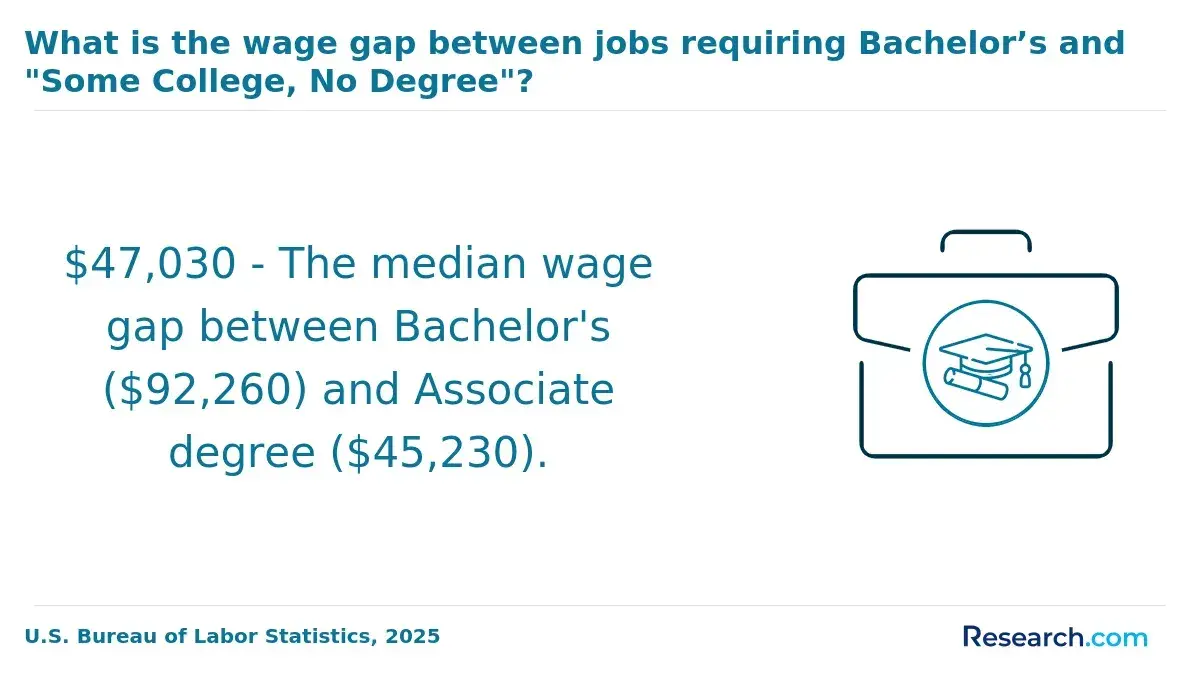
Tuition for bachelor's degrees typically ranges from $15,000 to $40,000, with public institutions at the lower end and private ones higher. Beyond tuition, students must factor in $1,000 to $3,000 for certification exams, software for virtual labs, and clinical placement logistics. These additional costs are essential for meeting employer expectations around preventive health screening proficiency and documentation accuracy.
Projected 7% job growth for community health educators through 2033, based on data synthesized by Eastern Oregon University from the Bureau of Labor Statistics, accentuates demand for graduates skilled in preventive screening that influences intervention outcomes.
Prospective students should assess whether programs provide documented practicum opportunities in partnership with healthcare or fitness providers, as these practical experiences reinforce employability more decisively than shorter theoretical programs.
What careers can graduates pursue that rely on health screening and documentation expertise?
Proficiency in digital documentation and electronic health records (EHR) is now a baseline competency for exercise science graduates targeting specialist roles such as clinical exercise physiologists, cardiac rehab experts, occupational health coordinators, and digital health analysts.
For example, cardiac rehabilitation professionals must integrate cardiovascular assessment data with evolving exercise prescriptions captured accurately in EHR systems, directly impacting patient safety and regulatory compliance.
Employers increasingly prioritize candidates who can navigate telehealth platforms and manage remote client data efficiently, as over 60% of exercise professional duties involve electronic documentation. This shift introduces a practical challenge. Graduates must balance clinical expertise with strong digital literacy, demanding training programs incorporate hands-on EHR experience and real-world documentation scenarios.
In occupational health settings, exercise scientists ensure workforce wellness and injury management through legally compliant screening and meticulous record-keeping, while digital health analysts add value by converting raw data into actionable insights. This expands documentation beyond data entry into analytical and decision-making functions, a nuance often underestimated in curriculum design.
Choosing an exercise science pathway without integrated digital health training risks limiting employment prospects in fields where technology and clinical assessment converge. Graduates navigating these expectations should seek programs that emphasize this hybrid skillset to bridge the gap between practical workforce demands and academic preparation.
What salaries and job outlook can exercise science graduates expect in health and fitness roles?
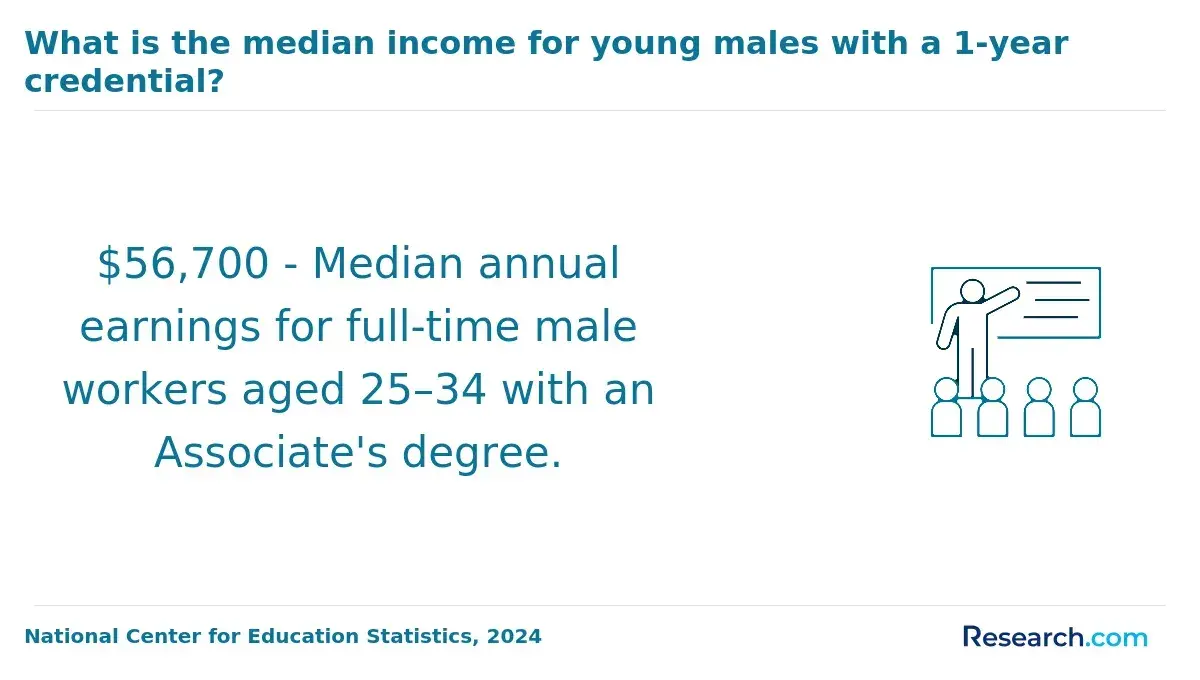
Graduates with exercise science degrees face a clear employment demarcation tied to certification status and documented competencies. Median salaries typically range from $40,000 to $60,000 annually, but without certifications like ACSM or NSCA, entry-level positions offer starting pay nearer to $35,000 to $45,000, while certification frequently boosts earnings beyond $55,000 within a few years.
Employers emphasize legal compliance and evidence-based care, especially in clinical or corporate wellness environments, requiring both a bachelor's degree and recognized certifications for over 70% of job postings reviewed.
The field is growing at approximately 15% through 2030, driven by rising public demand for preventive health. However, maintaining relevant certifications is essential for continued employability and career progression. Graduates lacking certification risk limited advancement and lower wages, often landing roles with less regulatory oversight and fewer technical responsibilities.
Consider a graduate entering a community fitness center. Without NSCA certification, anticipated pay may be around $38,000, whereas certified candidates typically exceed $50,000 due to validated expertise and adherence to strict documentation protocols. The administrative burden of active record-keeping also shapes hiring decisions, favoring candidates trained in comprehensive documentation methods embedded within accredited degree programs.
How can students verify accreditation, certification alignment, and program quality before enrolling?
Program accreditation and certification alignment fundamentally influence employability in exercise science, not just institutional reputation. Students must verify that programs hold U.S. Department of Education or Council for Higher Education Accreditation-recognized regional or national accreditation. Accreditation from CAAHEP or similar bodies ensures curricula meet evolving standards essential for health screening and documentation competencies.
Certification pathways embedded within coursework, such as preparation for ACSM or NSCA credentials, accelerate entry into competitive job markets. For example, graduates targeting rehabilitation roles require programs with robust clinical affiliations and advanced health screening training, while those aiming for fitness facility positions benefit from emphasis on documentation skills and certification readiness.
Evaluating program outcomes through graduate certification pass rates, internship placements, and employer ties is equally critical. Exercise science jobs, particularly fitness trainers and instructors, are projected to grow 39% by 2030, significantly faster than average. This means programs demonstrating strong hands-on training and transparent outcome data better support long-term career viability.
Prospective students should engage directly with accrediting agencies and request outcome transparency to avoid programs with outdated or insufficient practical elements. This informed scrutiny mitigates risks of limited career mobility in a field where credential relevance and practical experience dictate workforce success.
Other Things You Should Know About Exercise Science
Most exercise science programs expect some foundational knowledge in biology or human anatomy, which supports understanding of health screening and documentation protocols. Lack of this background may increase the initial workload and require extra preparatory courses, extending time to completion. Prospective students without this foundation should prioritize programs that offer introductory coursework or remedial support to avoid falling behind in critical clinical subjects.
Training in health screening and documentation is time-intensive and involves detailed practical assignments and case analyses. These programs require consistent engagement beyond lectures, including mastering assessment tools and accurate record-keeping under simulated or supervised conditions. Students must be prepared for a heavier workload compared to general exercise science curricula, as documentation accuracy is often emphasized by potential employers in clinical or fitness settings.
Yes. Many programs require 150 to 300 supervised practicum hours, often completed in fitness, rehabilitation, or wellness settings. Students document screenings such as blood pressure, PAR-Q forms, and basic risk stratification under supervision, with final approval usually tied to faculty or site preceptors.
References
- Online Exercise Science Degrees: Top School Review https://www.edumed.org/online-schools/exercise-science-degrees/
- Streamlining Accreditation Preparation with Program Review https://www.qualitymatters.org/qa-resources/resource-center/articles-resources/streamline-accreditation-prep
- Exercise Science Degree Programs, Online Included for 2026 https://www.kinesiologydegrees.org/programs/exercise-science
- Accreditation as a Strategic Driver of Alignment Across Higher Education and Industry https://acbspjournal.org/2026/05/22/accreditation-as-a-strategic-driver-of-alignment-across-higher-education-and-industry/
- Costs of Online and Campus Colleges | University of Phoenix https://www.phoenix.edu/blog/comparing-the-costs-of-online-and-campus-colleges.html
- Career Map for Healthcare Documentation -Career Levels - Association for Healthcare Documentation Integrity https://ahdionline.org/career-map-for-healthcare-documentation-2/
- Exercise Science Degree Careers, Jobs and Salaries - Peak Physical Therapy and Sports Performance https://peaktherapy.com/blog/exercise-science-degree-careers-jobs-and-salaries/