2027 Best Online Exercise Science Programs for Professionals Seeking Corporate Wellness Careers

Co-Founder and Chief Data Scientist
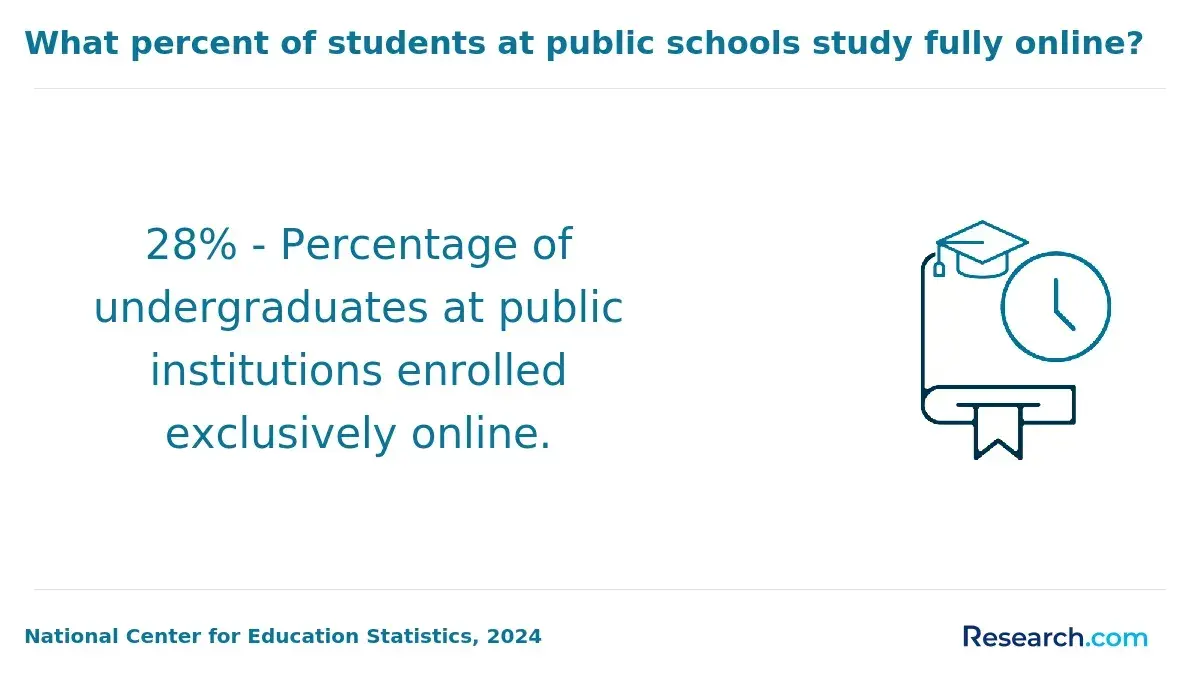
Professionals aiming to transition into corporate wellness roles face a distinct challenge: how to secure a program combining rigorous exercise science training with the flexibility demanded by full-time work. The National Center for Education Statistics reports a 12% increase in adult enrollments in online degree programs between 2022 and 2024, underscoring a growing demand for adaptable learning models. This shift reflects a workforce prioritizing career mobility without sacrificing ongoing employment. Navigating these options requires scrutinizing program delivery, accreditation, and employer recognition. This article evaluates the best online exercise science programs tailored to meet these professional realities and facilitate strategic career advancement in corporate wellness.
Key Things You Should Know
- Graduates with online exercise science degrees face a 15% employment premium in corporate wellness roles versus non-degree peers, reflecting employer demand for measurable health outcomes and data literacy, per 2024 BLS workforce reports.
- Programs emphasizing biostatistics and behavioral health trade off longer completion times and higher costs, which limits access but amplifies strategic hiring prospects for leadership in wellness design, according to recent industry surveys.
- The compressed 12- to 18-month online tracks reduce opportunity costs by 30% compared to traditional degrees but may underprepare students for integrated corporate health initiatives requiring interdisciplinary collaboration skills.
What are the best online exercise science degrees for corporate wellness careers?
Selecting online exercise science degrees for corporate wellness jobs involves prioritizing programs that emphasize applied kinesiology, behavioral change strategies, and workplace program management. Candidates with purely theoretical backgrounds often struggle to demonstrate job-ready skills in settings where employer demand centers on measurable outcomes and tailored wellness plans. Graduates with practicum experience in real corporate environments, such as internships designing remote wellness initiatives, better match employer expectations tied to the booming $52.56 billion global corporate wellness market projected to grow by 8.3% annually.
The top accredited online exercise science programs for corporate wellness professionals integrate occupational health coursework, wellness coaching certifications, and data analytics, fostering a balanced skill set. These programs also tend to offer flexible online formats that accommodate working adults through capstone projects focused on solving actual corporate wellness challenges.
- Interdisciplinary training in exercise science plus behavioral health interventions
- Faculty with direct corporate wellness consulting or research backgrounds
- Strong support for remote internship placements and ongoing mentorship
One key barrier is managing coursework alongside work commitments while securing remote internships. Certifications in health promotion acquired concurrently with degrees improve placement chances by adding professional credentials sought by employers. For those considering accelerated paths, exploring options such as an accelerated exercise science degree online can reduce time while maintaining applied training quality.
How does an online exercise science program prepare you for corporate wellness roles?
Professionals pursuing an online exercise science program to develop skills for corporate wellness careers must navigate a complex balance between scientific knowledge and applied workplace realities. These programs focus on human physiology, biomechanics, nutrition, and behavior change tailored to diverse workplace contexts, from sedentary office environments to physically demanding jobs. For example, effectively customizing interventions for a high-stress tech firm differs significantly from supporting employees in manufacturing, requiring nuanced practical skills.
The benefits of online exercise science education for corporate wellness professionals extend beyond theory: curricula frequently incorporate case studies and virtual simulations designed to foster implementation capabilities, such as health risk assessments and regulatory compliance. This front-loading of applied competencies aligns well with employer expectations for measurable improvements in employee health outcomes and productivity.
Candidates must also weigh logistical challenges, including managing self-paced digital learning and the absence of in-person networking, which can limit spontaneous mentorship and collaboration opportunities. Proactive engagement through online professional communities becomes essential to offset these limitations.
Labor market data confirms demand, with health education specialists and community health workers-often stepping stones into corporate wellness-projected to grow 7% from 2022 to 2032 with about 15,000 annual openings. For those comparing pathways, sports management online programs provide a different strategic focus but can complement wellness expertise in broader corporate settings: sports management online programs offer valuable insights into organizational and athletic program administration that may intersect with wellness roles.
What accreditation should online exercise science programs have for corporate wellness work?
Employers in corporate wellness increasingly require candidates with degrees from CAAHEP-accredited online exercise science programs for corporate wellness careers, as this accreditation verifies specialized training in clinical exercise physiology and health promotion. Without it, graduates encounter barriers when pursuing certifications like the Certified Clinical Exercise Physiologist (ACSM-CEP), a credential often mandated for managerial roles in corporate health.
Regional institutional accreditation remains fundamental, ensuring academic standards and eligibility for federal financial aid, which influences both hiring decisions and salary potential. For positions with median salaries near $56,420, accreditation directly correlates with employability and compensation. Conversely, programs lacking CAAHEP accreditation tend to focus on general fitness, diminishing graduates' readiness for evidence-based interventions and biometric data interpretation valued in corporate wellness contexts.
Practical outcomes hinge on these factors. For example, a wellness coordinator developing chronic disease prevention initiatives for a multinational firm must demonstrate competencies tied to accredited curricula, including clinical exercise prescription and behavior change integration. Skipping rigorous accreditation compromises such skills, limiting advancement in roles demanding specialized expertise.
When evaluating educational pathways, prospective students should also consider certification pass rates as predictors of workforce readiness and verify program accreditation rigor. Those interested in broader academic career options might explore what is library science to understand varied interdisciplinary approaches that intersect with health information and wellness analytics.
How do online exercise science degrees compare to campus programs for working professionals?
Online exercise science programs for working professionals offer essential flexibility that supports balancing education with ongoing employment or family obligations. This advantage often comes at the cost of reduced structured support and reliance on self-discipline, which can affect both learning outcomes and timely completion. Notably, the distinction between online versus campus exercise science degrees hinges less on content and more on delivery and access to hands-on experiences, which remain critical for roles requiring applied skills.
For example, a mid-career individual seeking a pivot into corporate wellness management benefits from continuing income while upskilling. However, such students typically must secure internships or practicums independently, as online programs rarely provide on-site placement assistance. Employers increasingly prioritize certifications and demonstrable applied skills over physical attendance but remain wary of gaps in clinical or lab experiences associated with fully remote study.
The cost-to-income ratio significantly favors online options, with average annual tuition for online bachelor's degrees in exercise science generally ranging from $9,000-$12,000. Considering median wages near $46,000 for fitness trainers and instructors, this investment offers reasonable ROI within a few years. Campus programs usually entail additional indirect costs such as commuting and lost wages during study breaks.
- Online study demands strong communication skills and self-motivation
- Employer expectations weigh applied certifications heavily
- Hybrid or campus programs may better suit those requiring extensive lab work
- Practicum or internship opportunities may need to be pursued proactively
Prospective students assessing these options should also consult materials relevant to other specialized pathways, such as a library science degree, to understand comparative affordability and workforce alignment across allied fields.
What courses and specializations focus on corporate wellness within exercise science programs?
Corporate wellness-focused exercise science programs prioritize applying physical activity solutions directly aligned with workplace needs, often emphasizing ergonomics, behavioral change, and stress management. This approach addresses practical challenges such as sedentary office environments and high-pressure roles, which require tailored fitness protocols distinct from general population training.
Key program elements include workplace nutrition, injury prevention, and health coaching, with some curricula embedding certification prep for wellness coordinator roles. Students gain skills in biometric screening interpretation, job-specific fitness assessments, and developing scalable initiatives that drive tangible employer outcomes like lowered absenteeism and enhanced engagement.
Employers increasingly demand these measurable impacts in wellness programs, making adaptability and cultural fit essential in implementation. For instance, a corporate wellness coordinator must balance scientific evidence with workforce diversity and organizational constraints, a complexity often underappreciated in purely academic settings.
Labor market data from CSP Global and BLS projects over 70,000 new roles in fitness training and coaching between 2022 and 2032, signaling steady demand especially within corporate sectors. Prospective students should weigh the benefit of specialized corporate wellness electives against broader exercise science knowledge, as role expectations vary widely by employer size and industry.
Choosing a program with explicit corporate wellness concentration enhances job market positioning by directly linking academic skills to employer priorities. This specificity supports career pivots or upskilling more effectively than generalist exercise science tracks, which may lack practical workplace application focus.
What are typical admission requirements for online exercise science bachelor's and master's programs?
Admission to online exercise science programs requires more than just meeting baseline academic criteria; it reflects a strategic readiness aligned with workforce demand. Applicants typically must have completed foundational courses-biology, chemistry, anatomy, physiology-with minimum GPAs around 2.5 to 3.0, which can significantly affect both program persistence and employer valuation.
Selection for master's entry often hinges on not only transcripts but also professional references and relevant experience in fitness, healthcare, or wellness environments. This practical experience, often evidenced through internships or work, bridges the gap between academic theory and corporate wellness job expectations where applied competence is prioritized.
While many online pathways waive standardized tests like ACT or GRE, candidates targeting roles that involve client or clinical settings should anticipate in-person practicum requirements, which may introduce logistical constraints such as local placements and health clearances. These factors can delay credential completion if not proactively managed, especially given a 30% rise in enrollment in health-related bachelor's programs, intensifying competition for accredited spots.
Prospective students face a tradeoff between purely asynchronous programs that offer scheduling flexibility but limited direct mentorship, and synchronous models providing live interaction and internship access but reducing calendar control. Weighing these options against employer preferences for documented applied experience versus academic credentials is essential.
Critical considerations include:
- Validating readiness through prerequisite coursework and GPA.
- Securing letters of recommendation and relevant experience for graduate applicants.
- Planning for clinical practicums requiring local engagement.
- Deciding between program delivery modes based on career objectives and lifestyle constraints.
How long do online exercise science programs take and what do they cost?
Professionals targeting roles in corporate wellness must navigate a complex balance between educational investment and workforce expectations. Associate degrees in exercise science typically require about two years full-time, while bachelor's degrees demand closer to four, though part-time study often extends this timeline to three years or more. This duration difference matters because most larger employers prioritize bachelor's credentials paired with certifications, whereas smaller firms may allow associate degrees supplemented by relevant experience.
Costs escalate accordingly, with community colleges offering associate programs near $8,000 and private institutions charging up to $25,000 for bachelor's degrees, excluding certification and supply expenses. This financial range requires candidates to carefully weigh upfront cost against potential employer value and salary impact.
Employers in corporate wellness increasingly seek candidates who demonstrate both theoretical knowledge and measurable program impact. Data from the International Foundation of Employee Benefit Plans shows expertly managed wellness programs reduce sick leave by 28% and healthcare costs by 26%, underscoring why depth of training influences employability and advancement. Insufficient formal education risks stagnation or slower progress in these specialized roles.
Decision-makers should align program selection with realistic job market demands and personal time availability. For example, a working professional balancing employment may find part-time bachelor's completion slower, but necessary for meeting corporate credential standards. Meanwhile, those targeting entry-level or smaller employer roles might prioritize faster associate credentials combined with experiential learning.
What corporate wellness jobs can you get with an online exercise science degree?
Corporate wellness roles increasingly demand professionals who combine exercise science knowledge with applied expertise in workforce health management. Positions such as exercise physiologists directly contribute to reducing chronic illness and injuries, impacting organizational productivity and healthcare expenses. For example, a company in a high-stress tech environment might employ an exercise physiologist to tailor fitness regimens that address both injury prevention and stress-related conditions. Employment in this sector is projected to grow by 13% through 2030, underscoring sustained demand for specialized skills.
Supplemental roles-recreational therapists and exercise psychologists-extend impact into mental health and motivation, both critical for maintaining sustained workforce engagement. These roles also anticipate between 10% and 13% growth, reflecting an employer preference for integrated wellness programs that demonstrate ROI through improved morale and attendance.
Working effectively within corporate wellness requires navigating complexities like aligning initiatives with HR policies, customizing programs for diverse employee needs, and leveraging data analytics for measurable outcomes. Companies in finance, manufacturing, and tech particularly value candidates skilled in health risk appraisals, motivational interviewing, and evidence-based exercise prescription.
Given these realities, students and professionals should consider accredited online exercise science programs offering relevant specializations and practical internships. Such credentials address employer demands for applied knowledge and improve competitiveness in a nuanced job market focused on sustainable wellness solutions.
What is the salary outlook and job demand in corporate wellness and employee health?
The corporate wellness and employee health sectors are experiencing faster-than-average employment growth, largely because employers increasingly invest in workforce well-being programs that demonstrate measurable health outcomes. According to Marshall University, exercise physiologist roles are projected to expand by 10% from 2023 to 2033, with roughly 1,600 annual openings, signaling sustained demand for professionals who can link exercise science expertise to reduced healthcare costs.
Success in this field often hinges on obtaining advanced credentials. For example, a corporate wellness specialist at a major tech company might start near $55,000 but surpass $80,000 within five years by earning exercise physiology certifications and a master's degree focused on health promotion. Conversely, a wellness coach lacking certification working at a small business may face earnings capped around $45,000 and limited career mobility.
Employers now favor candidates who combine exercise science with competencies in behavioral health, biometric screening, and program evaluation. Job seekers must navigate tradeoffs-investing time and money in advanced education increases access to higher-paying roles but requires weighing these costs against regional salary variations and evolving corporate wellness models.
- Exercise physiologist job growth outpaces average occupational increase, generating strong demand
- Advanced credentials correlate with significant salary and advancement benefits
- Integrated skill sets in exercise science and data-driven health improve employer attractiveness
- Entry-level wages are rising modestly; credentialing drives long-term income progression
Which certifications and professional credentials strengthen a corporate wellness career in exercise science?
Employers in corporate wellness increasingly prioritize certifications that demonstrate both scientific rigor and practical program management, rather than generic fitness credentials. The Certified Strength and Conditioning Specialist (CSCS) credential validates expertise in evidence-based fitness programming, while the Certified Wellness Practitioner (CWP) focuses on wellness management, behavior change, and risk reduction-key drivers in reducing healthcare costs and improving workforce productivity.
Additional certifications, such as the American College of Sports Medicine's Certified Exercise Physiologist (ACSM-EP) and Certified Health Education Specialist (CHES) provide clinically grounded skills necessary for designing safe, medically appropriate programs for diverse employee populations, including those with chronic conditions. Combining credentials across fitness science and wellness management often differentiates candidates for roles involving data-driven health assessments and ROI analysis, which is important in employer investments linked to insurance premium reduction strategies.
The cost-efficiency of online bachelor's degrees in sports and health sciences, such as those offered by the American Public University System at roughly $324 per credit, can facilitate skill development with minimal career disruption compared to higher on-campus costs nationally. However, certification acquisition demands focused study and practical experience, with employers often seeking demonstrated application rather than solely credential accumulation.
For professionals aiming to pivot or advance in the Exercise Science field, blending CSCS or ACSM certifications with wellness credentials like CWP or CHES strategically aligns with employer expectations and workplace health outcome goals.
Other Things You Should Know About Exercise Science
Most bachelor’s programs require college algebra, anatomy and physiology, general biology, and introductory chemistry before admission or before upper-division courses. Some schools also expect a minimum 2.5 GPA and proof of CPR certification before internships or practicum work in corporate wellness settings.
Employer perception varies, with some corporate wellness employers favoring degrees from institutions known for rigorous in-person training. However, accredited online degrees with clear experiential components can meet industry standards if the candidate supplements education with relevant certifications or field experience. Prioritize programs with strong alumni placement and employer partnerships to enhance credibility and reduce hiring bias.
A bachelor's degree may suffice for entry-level or technician roles but limits advancement into strategic leadership or program development positions often reserved for master's degree holders. The master's offers deeper knowledge and research skills but requires greater investment in time and cost, which can delay immediate career moves. Professionals should weigh career goals against program length and outcomes, prioritizing a master's if aiming for management or specialized consulting in corporate wellness.
References
- Home Health Foundation - Family of Agencies https://merrimackvalleyhospice.org/online-exercise-science-degree-careers-supporting-movement
- The Best Education Pathway for Success in the Fitness Industry - IDEA Health & Fitness Association https://www.ideafit.com/the-best-education-for-success-in-the-fitness-industry/
- Global Corporate Wellness Industry Outlook: Projected to Hit $128.18 Billion by 2033 https://www.imarcgroup.com/news/global-corporate-wellness-industry
- Best Masters in Kinesiology Degree Programs Online for 2026 https://www.kinesiologydegrees.org/programs/degree/masters
- Best Online Master's Programs in Exercise Science https://www.onlineu.com/degrees/masters-exercise-science
- Exercise Science, BS https://www.belmont.edu/academics/majors-programs/exercise-science/
- Exercise Science Degree Programs Lead to Rewarding Careers in Health and Fitness https://www.carrollcc.edu/articles/exercise-science-degree-programs-lead-to-rewarding-careers-in-health-and-fitness/
- Certified Corporate Wellness Specialist® (CCWS) https://www.corporatewellnesscertification.com/
- Top 20 Careers With a Master’s in Exercise Science | PLNU https://www.pointloma.edu/resources/health-sciences/top-20-careers-masters-exercise-science
- Master of Science in Exercise Science and Integrated Wellness – Online https://bastyr.edu/programs/master-science-exercise-science-and-integrated-wellness-online