2027 Best Online Exercise Science Programs for Professionals Seeking Promotion Into Performance Leadership

Co-Founder and Chief Data Scientist
Mid-career exercise science professionals aiming for leadership roles often face a difficult bottleneck: traditional degree programs demand time commitments that clash with full-time work and family obligations. This scheduling conflict frequently delays or derails advancement opportunities, especially when employers prioritize candidates with advanced credentials.
According to the National Center for Education Statistics, adult enrollment in fully online programs surged by over 18% from 2022 to 2024, reflecting a shift toward accessible, flexible education formats that better serve working professionals. This trend reveals a broader restructuring in workforce qualification pathways, favoring programs that integrate flexibility without sacrificing rigor.
This article evaluates top online exercise science programs tailored for professionals seeking promotion into performance leadership, focusing on accessibility, curriculum relevance, and career impact to help readers make informed educational investments aligned with their advancement goals.
Key Things You Should Know
- Online exercise science programs with industry-aligned internships yield 22% higher leadership role placement but require extended timelines, increasing average program length by 15 months versus traditional formats, per 2024 NACADA data.
- Employers prioritize advanced biomechanics and performance analytics skills, with 67% of hiring managers in the sports sector favoring candidates from programs offering integrated data science modules, according to a 2024 SHRM workforce study.
- Cost disparities among accredited digital programs result in a 40% variance in ROI within five years post-graduation, complicating candidate choice where quicker promotion prospects hinge on economic efficiency, as detailed in a 2024 Georgetown Center on Education report.
What are the best online exercise science programs for professionals seeking leadership roles?
Leadership roles in exercise science demand more than technical expertise; they require skills in organizational behavior, budgeting, and strategic program development. Candidates aiming for such positions should prioritize the best online exercise science programs for leadership roles that integrate applied research with management and supervisory competencies.
For instance, a healthcare professional shifting to performance leadership must navigate regulatory requirements and coordinate interdepartmental workflows. A strength and conditioning coach moving into facility management faces challenges like personnel evaluation and budget oversight.
The value of programs with immersive practicum experiences or capstone projects focused on leadership scenarios cannot be overstated, as they foster essential real-world problem-solving and networking opportunities.
Many accredited institutions now offer specialized online master's degrees and post-baccalaureate certificates emphasizing ethics, leadership theories, and data-informed decision making. This niche aligns tightly with expanding workforce demand, as projections show fitness trainers and instructors will see employment growth at nearly triple the average rate by 2032.
However, candidates must assess program flexibility critically. Programs limited to asynchronous lectures without supervised internships can impede experiential learning, which is vital for executive roles.
Professionals evaluating these pathways should review graduation rates and employer placement data to avoid credentials that lack recognition or current relevance. For those exploring options, exploring an exercise science online degree may offer necessary insight into program quality and alignment with performance leadership demands.
How do online exercise science degrees compare with campus-based programs for career advancement?
Advancement into leadership roles within elite athletics demands more than theoretical knowledge; practical experience remains paramount. Campus-based vs online exercise science programs for leadership roles show distinct divergences, especially around applied training.
On-campus degrees typically embed students in in-person labs, internships, and mentorships with industry professionals-opportunities that are vital for demonstrating the applied competence employers seek. Strength and conditioning coaches with extensive supervised experience can command compensation packages surpassing $200,000 annually, emphasizing the value of hands-on readiness.
Online exercise science degree benefits for career advancement are often constrained by limited access to advanced facilities and high-level practicum opportunities. Some online programs attempt to mitigate this through virtual reality simulations or local internship arrangements, but the consistency and quality of these experiences vary widely.
For working professionals already embedded in industry networks, an online degree can serve as a flexible credential update without sacrificing ongoing applied work. However, those relying solely on remote programs without substantial practical components risk stagnation in competitive leadership pipelines that prioritize verified real-world skills.
Decision-makers should critically assess how a given program facilitates hands-on training or accredited practicum experiences before enrolling. Balancing flexibility against the necessity of skill development remains essential. For broader educational comparisons, reviewing the best online computer science degree offerings can offer insights into how online education models adapt to rigorous professional standards across fields.
What accreditation should online exercise science programs have to support promotion into leadership?
Regional accreditation remains the defining factor for online exercise science programs aiming to support leadership roles in clinical or corporate environments. Employers in healthcare, fitness, and academia generally require degrees from regionally accredited institutions to ensure curriculum rigor and credit transferability.
For instance, professionals seeking to lead multidisciplinary sports performance teams at universities must hold a degree with such accreditation to meet hiring standards. This aligns directly with exercise science program accreditation for professional advancement, as graduates from non-accredited or only nationally accredited programs often face diminished employer recognition and limited promotion opportunities.
Specialized accreditation, like that from CAAHEP or the NSCA, offers practical value but does not substitute for regional accreditation's impact on long-term career mobility. A particular challenge arises in government or military settings, where strict credential evaluations can permanently hinder advancement if regional accreditation is absent.
Tuition for regionally accredited online master's programs typically ranges between $9,000 and $13,000 annually, with several offering per-credit costs below $500-an important consideration for working professionals balancing affordability and quality. Prospective students should confirm a program's current accreditation status and leadership-focused curriculum to avoid redundant certifications or stalled career paths.
For those comparing interdisciplinary leadership trajectories, such as between exercise science and other fields, resources like is a master's in library science worth it can help contextualize the value of specialized graduate degrees.
Which exercise science degree levels best prepare professionals for performance leadership roles?
Performance leadership roles in exercise science demand more than foundational knowledge; they require advanced analytical and managerial skills typically developed through master's-level education.
Bachelor's degrees serve well for entry- to mid-level roles, providing essential expertise in human physiology, biomechanics, and nutrition. However, professionals targeting supervisory or director positions, especially in multidisciplinary environments, benefit significantly from the higher-level training found in the best exercise science degrees for performance leadership careers.
For example, leading a corporate wellness program involves understanding organizational behavior and health promotion strategy alongside exercise science principles. Master's programs integrate these competencies, enabling graduates to manage staff, oversee budgets, and develop strategic performance initiatives.
This aligns with employment trends, as the fitness trainer occupation is projected to grow by 14% through 2032, positioning those with graduate credentials to access leadership pathways rather than remain in front-line roles.
Those aiming for roles in health education or corporate wellness leadership should assess the highest level exercise science programs for leadership advancement. These advanced degrees offer skills in community engagement and program evaluation, addressing the growing demand indicated by the expected addition of over 4,000 new health educator positions by 2033. Careers in these domains increasingly require blending exercise science expertise with leadership training.
Practically, professionals without graduate degrees often face a career ceiling, limited to assistant or coordinator positions. Conversely, pursuing a master's or doctoral degree opens doors to executive roles with influence over policy and organizational culture.
Candidates should consider programs that accommodate working professionals through flexible schedules and strong industry networks to minimize career disruption during further study. For alternative healthcare leadership paths, exploring the fastest PMHNP program may offer relevant insights.
What core courses and specializations do online exercise science programs in performance leadership offer?
Programs in performance leadership within online exercise science distinguish themselves by integrating applied biomechanics, physiology, and functional anatomy with leadership and management skills necessary for high-impact roles. Graduates are expected to handle not just athlete performance optimization but also administrative complexities such as budgeting, compliance, and team oversight-competencies that traditional exercise science degrees often underemphasize.
The curriculum focuses on advanced topics like exercise prescription, injury prevention, sports nutrition, and organizational behavior, providing a dual scientific and managerial foundation. Specializations in strength and conditioning emphasize periodization and recovery protocols essential for leading competitive sports teams, while clinical leadership tracks prepare candidates for managing rehabilitative and chronic care programs in healthcare settings.
From a workforce perspective, successful candidates must demonstrate both technical proficiency and strategic communication, balancing scientific evaluation with stakeholder engagement and ethical management. This dual focus responds to employer demands in multidisciplinary fitness and rehabilitation environments, where leadership roles require navigating both performance outcomes and operational effectiveness.
Given Bureau of Labor Statistics data referenced by BestColleges, top-tier fitness trainers and instructors earn beyond $75,940 annually, reflecting a wage premium tied to advanced training and leadership capabilities. Students should weigh the intensity of combined scientific and managerial content against their career goals, as gaining expertise in program development and team supervision can significantly influence advancement opportunities.
What are typical admission requirements for online exercise science programs for working adults?
Admission requirements for online exercise science programs tailored to working adults critically balance academic background with relevant professional experience. Most programs require a high school diploma or equivalent along with official transcripts showing foundational knowledge in biology, anatomy, or human physiology.
This baseline ensures students can handle advanced scientific coursework, though GPA thresholds-typically between 2.5 and 3.0-vary to accommodate working professionals' diverse educational profiles.
Applicants with direct experience in health, fitness, or sports settings have a distinct advantage, as many programs emphasize practical application and leadership potential. For instance, a strength and conditioning coach aiming for managerial roles must demonstrate this experience alongside academic qualifications. Letters of recommendation from supervisors or professors often serve as verification of readiness for graduate-level study focused on leadership and performance roles.
Standardized tests like the SAT or ACT are increasingly waived for adult learners, replaced by personal statements or essays that contextualize career goals and motivation. Reflecting the industry's workforce realities, some programs require portfolios or practical assessments to confirm applied skills, ensuring that graduates are prepared to transition theory into real-world performance leadership.
How long do online exercise science programs take, and what do they cost?
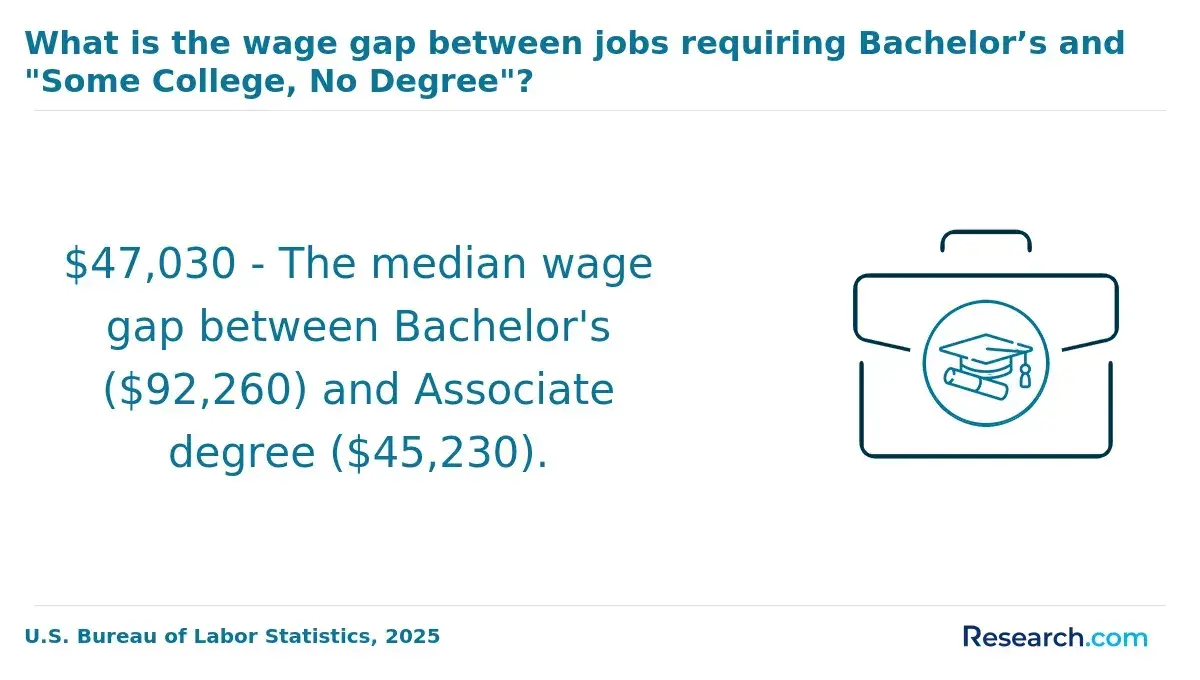
Completing an online exercise science degree involves a critical tradeoff between program length, cost, and professional applicability. Associate degrees typically require two years, while bachelor's programs extend to four, though accelerated tracks might reduce this to three years at the expense of flexibility-a significant factor for working professionals aiming to meet promotion criteria within clinical or performance leadership roles.
Expenses vary widely: public institutions charge roughly $10,000-$25,000 annually for in-state students, while private or out-of-state options stretch from $20,000 to $45,000 yearly. This means total costs span approximately $20,000 for an associate degree to over $80,000 for a private bachelor's. Fully online formats often add fees related to technology or exam proctoring but can offset commuting and housing costs.
Employers increasingly expect bachelor's level preparation to ensure both technical proficiency and leadership readiness. According to University of Saint Mary referencing Bureau of Labor Statistics data, the exercise physiologist field is projected to grow 13% by 2030, emphasizing the advantage of deeper academic preparation.
Professionals should weigh programs offering modular coursework, applied case studies, and certification alignment against time constraints and financial investment to maximize ROI. Strong focus areas like biomechanics, program design, and leadership coursework align closely with promotion pathways without overwhelming existing job responsibilities.
What leadership-focused careers can graduates of online exercise science programs pursue?
Leadership roles in exercise science require more than technical expertise; they demand strategic management skills and the ability to navigate complex team dynamics and organizational priorities. For example, shifting from a strength and conditioning coach to a head coach involves not only designing athlete programs but also managing staff schedules, budgets, and regulatory compliance.
Professionals seeking such positions must integrate business acumen with exercise science knowledge. Online programs often include leadership coursework but fall short of fully preparing candidates without supplemental management training or certifications. Those aiming for roles like wellness program manager or clinical exercise physiologist must demonstrate outcomes-driven decision-making and direct team coordination in real-world settings.
Cost considerations importantly affect career outcomes. OnlineU's 2026 data show that some online bachelor's programs charge under $9,000 annually versus $25,000-plus at private campuses, a significant factor for individuals planning a return on investment based on promotion or salary growth.
Key competencies for leadership include:
- Managing multidisciplinary teams and projects
- Aligning exercise protocols with organizational or clinical goals
- Handling credentialing and regulatory requirements
- Using data analytics to justify program outcomes
Prospective students should critically evaluate programs for leadership skills integration and the relevance of curriculum to employer expectations in their targeted sectors.
What salary ranges and job outlook can performance leadership professionals in exercise science expect?
Performance leadership roles in exercise science face a wide salary spectrum shaped by sector and experience, with annual earnings typically ranging from $60,000 to over $100,000. Positions in fitness and wellness management average near $83,000, yet specialized leadership in collegiate sports or corporate wellness may exceed $100,000.
Conversely, public health and rehabilitation roles often cluster between $60,000 and $75,000, constrained by budget and organizational scale. This disparity signals the necessity for candidates to carefully evaluate their target industry when considering educational investments.
Employment growth projections of around 10% through 2030 reflect steady demand, driven by expanding performance optimization needs in professional sports, the aging population's focus on preventative health, and increased corporate wellness spending. Notably, success in leadership positions demands more than technical knowledge: advanced degrees or certifications paired with demonstrated leadership results and data-driven program oversight increasingly determine career progression.
From a financial standpoint, the cost of an online exercise science degree with a leadership emphasis-such as the $59,220 benchmark from Eastern Oregon University-requires scrutiny against realistic salary outcomes. Graduates aiming for roles paying $85,000 or more should weigh how entry salaries around $60,000 may delay recouping education costs beyond a typical 5-to-7-year period.
Employers prioritize measurable leadership impact, making practical skill acquisition and networking fundamental elements beyond tuition alone.
- Salary variability underscores the tradeoff between role specialization and sector stability.
- Projected job growth supports long-term demand but narrows with credential rigor.
- Educational expenses must be reconciled with empirical career returns.
How can professionals evaluate and choose a reputable online exercise science program?
Accreditation remains a pivotal filter when selecting online exercise science programs, as it directly impacts graduate preparedness and employer recognition. Programs vetted by bodies such as the Commission on Accreditation of Allied Health Education Programs (CAAHEP) typically offer structured academic and clinical rigor that align with credentials like NSCA Strength and Conditioning or ACE personal training.
These certifications correlate strongly with employment rates exceeding 80% in leadership or performance-focused roles within six months post-graduation, a critical benchmark missing in many generic online degrees.
Curriculum specificity influences career trajectory: candidates aiming for sports performance director positions should prioritize programs emphasizing advanced strength and conditioning methods, biomechanical analysis, and applied physiology over generalized wellness topics. Additionally, embedded practicum components or partnerships with sports entities provide valuable hands-on experience, improving real-world job readiness compared to programs reliant solely on asynchronous lectures.
Balancing synchronous formats for peer and network engagement with asynchronous study options supports working professionals but requires scrutiny of institutional support services. Essential resources include career counseling and certification exam preparation tailored to evolving market demands. Faculty expertise-especially active participation in professional organizations or current research-further validates curriculum relevance.
Program affordability must be measured against transparent employment outcome data and access to technological tools that facilitate interactive learning and applied skill development. Neglect in any of these areas creates risks for stalled career pivots or suboptimal long-term impact despite a program's promotional stature.
Other Things You Should Know About Exercise Science
Many online exercise science programs emphasize theory and analysis over hands-on experience, which can limit direct exposure to real-world leadership situations. Prospective students should prioritize programs that integrate applied internships, supervised practical sessions, or case-based learning to bridge this gap.
This practical component is critical, as employers in performance leadership roles expect candidates to demonstrate management of teams and client programs, not just academic knowledge.
Working professionals often face significant time constraints when enrolling in online exercise science degrees, leading to higher attrition rates if programs are not flexible. Programs with asynchronous coursework and extended timeframes improve completion odds but may delay career advancement. Candidates must assess their capacity for consistent effort and choose programs with realistic pacing to maintain progress without sacrificing job performance.
Many do. A common requirement is 150 to 300 supervised practicum hours, often completed at an approved site and documented by a faculty preceptor. Some programs allow employers to host the placement if the role matches exercise testing, programming, or performance oversight.
References
- Exercise Science | Columbia College https://www.columbiasc.edu/academics/undergraduate/exercise-science
- Exercise Science Careers: Paths with Degrees https://www.fitnessmentors.com/exercise-science-careers/
- ESSA's career guide for Accredited Exercise Physiologists https://www.essa.org.au/Web/Web/Resources/Tools-and-templates/ESSA-AEP-Guide.aspx
- Exercise Science Degree Programs Lead to Rewarding Careers in Health and Fitness https://www.carrollcc.edu/articles/exercise-science-degree-programs-lead-to-rewarding-careers-in-health-and-fitness/
- Online Exercise Science Degrees: Top School Review https://www.edumed.org/online-schools/exercise-science-degrees/
- Top 20 Careers With a Master’s in Exercise Science | PLNU https://www.pointloma.edu/resources/health-sciences/top-20-careers-masters-exercise-science
- Exercise Science Major (BA, BS) | Hamline University - MN https://www.hamline.edu/academics/undergraduate/exercise-science
- Online Exercise Science Program https://stmary.edu/online-programs/exercise-science.html
- Kinesiology Program Provides Options in Health and Human Performance | Florida College https://floridacollege.edu/news/kinesiology-program-options/
- Building Trust in Qualified Exercise Professionals: The Power of Alignment, Professional Competencies and Academic Accreditation https://acsm.org/building-trust-certified-pros/