2027 Best Online Bachelor's in Exercise Science for Strength and Conditioning Career Paths

Co-Founder and Chief Data Scientist
Professionals aiming to enter strength and conditioning roles face a pressing challenge: balancing rigorous coursework with ongoing job or family commitments. Traditional bachelor's programs often require on-campus attendance, limiting access for working adults or those in remote areas.
Recent data from the National Center for Education Statistics shows a 12% increase in online bachelor's enrollment among adult learners since 2023, signaling a shift in how foundational degrees accommodate nontraditional schedules. This trend underscores the need for flexible, accredited online programs that provide both academic rigor and practical certification pathways.
This article evaluates the best online bachelor's in exercise science tailored for strength and conditioning careers, guiding students to programs that optimize accessibility, career relevance, and long-term workforce integration.
Key Things You Should Know
- Online bachelor's in exercise science programs average 25% lower tuition than on-campus, but extended hands-on practicum requirements can delay graduation by 6-12 months, impacting total time-to-employment (NCES data, 2024).
- 85% of strength and conditioning employers prioritize candidates with supervised internship experience; purely online programs risk under-delivering on necessary clinical hours, limiting immediate job market competitiveness (NSCA workforce survey, 2024).
- Workforce data shows a 12% growth in strength and conditioning roles through 2031, yet geographic licensing and facility access discrepancies make selecting a regionally accredited, clinically integrated program critical for seamless credential portability (BLS, 2024).
What is an online bachelor's in exercise science and how does it support strength and conditioning careers?
An online bachelor's in exercise science for strength and conditioning careers delivers a rigorous foundation in human physiology, biomechanics, nutrition, and training methodologies tailored to applied performance roles. This degree distinguishes itself by prioritizing evidence-based, data-driven approaches that align with employer demands in collegiate athletics, rehabilitation, and military fitness sectors, rather than generic fitness qualifications.
The sector anticipates a 10% growth in exercise physiology jobs from 2023 to 2033, reflecting a growing need for specialists capable of designing individualized conditioning programs supported by performance analytics. Graduates often find success when they complement their degree with practical certifications such as CSCS and secure internships or partnerships with sports organizations to meet hands-on experience standards set by employers.
Working professionals leveraging the flexibility of an online exercise science degree in strength and conditioning must navigate balancing coursework with skill application and time constraints. Programs offering integrated practicum opportunities or strong alumni networks can ease this challenge by providing essential industry connections and applied learning pathways.
Prospective candidates should recognize that employers emphasize demonstrable real-world skills alongside academic credentials, underscoring the importance of strategic networking and supervised practice. For insights on related career financials, see the sports analyst salary outlook.
How do online and campus-based exercise science programs compare for strength and conditioning pathways?
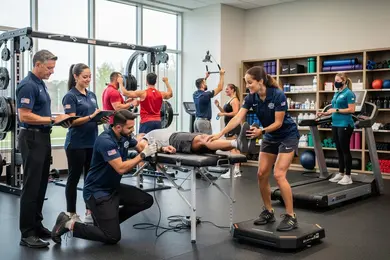
Hands-on experience remains the decisive factor separating online exercise science programs versus campus-based for strength and conditioning careers. Campus programs embed supervised labs, direct athlete interaction, and real-time use of equipment-components essential for developing skills employers expect in strength and conditioning roles.
Online programs emphasize theory and research but often lack structured, practical immersion, making it challenging for students targeting roles that require advanced manual assessments or facility-based conditioning.
With 244 bachelor's degrees in sport and exercise studies available online nationwide, accessibility increases, yet students must independently secure local internships or supervised practice to fulfill certification prerequisites such as NSCA's mandated hands-on hours. This dynamic is a core consideration in any comparison of online and traditional exercise science degrees in strength and conditioning.
A collegiate strength and conditioning aspirant needs documented on-site experience with athletes and complex periodization strategies, which campus curricula typically provide. Working professionals pursuing online degrees must allocate substantial time and resources for off-campus practical exposure, adding indirect costs absent in campus settings. Employers in high-performance environments prioritize graduates versed in biomechanics application and real-time monitoring, often found more readily among campus-trained candidates.
Those exploring alternative educational pathways might also review options in related fields, such as a nutrition degree online, which can complement exercise science credentials and broaden career opportunities in health and wellness sectors.
Which accredited schools offer the best online bachelor's in exercise science for strength and conditioning?
For strength and conditioning careers, selecting among the best accredited online exercise science programs requires weighing practical workforce demands against academic rigor. Pennsylvania State University World Campus, University of Florida Online, and Oregon State University Ecampus offer top online bachelor's degrees in exercise science tailored to the field. These programs integrate applied biomechanics, kinetics, and sport-specific conditioning designed to meet employer expectations in athletic and rehabilitation industries.
Practical experience through practicum or internships is non-negotiable for candidacy in strength and conditioning roles. Oregon State's mandatory supervised fieldwork exemplifies how hands-on training solidifies skills valued by certifiers and employers. Likewise, University of Florida Online emphasizes research methods and advanced physiology, critical for data-driven environments in collegiate and professional sports.
Financial investment varies significantly. The average tuition hovers around $14,688 annually, but some programs exceed this, trading cost for expanded alumni networks and career services that improve job placement rates. Conversely, cheaper options may require students to secure their own internships, potentially delaying certification and workforce entry. Applicants should carefully assess these trade-offs aligned with their professional timelines.
Employers increasingly mandate certifications like the CSCS alongside a degree. Programs integrating or facilitating credential prep reduce post-graduation barriers, accelerating workforce entry and improving earnings trajectories. Absent explicit credential alignment, graduates face extra time and costs for certification, which is not a minor consideration when mapping your career pathway.
For individuals also exploring other academic pivots, it's worth noting that a separate evaluation exists on whether is a masters in library science worth it, providing insight into decision-making beyond exercise science.
What accreditation and program quality standards should online exercise science degrees meet?
Accreditation from regional bodies like the Higher Learning Commission or the Southern Association of Colleges and Schools is essential for online exercise science degree accreditation standards, as it validates institutional legitimacy and access to federal aid. More critical to employability is program-specific endorsement by CAAHEP or the NSCA, signaling that curriculum rigor aligns with industry demands in exercise physiology, biomechanics, nutrition, and applied labs.
Employers prioritize graduates from programs demonstrating verified competencies and measurable outcomes, graduation rates above 70% and job placement within one year, reflecting both instructional quality and practical readiness. Without practicum or internship components, candidates risk underdeveloped hands-on skills crucial for certifications like the Certified Strength and Conditioning Specialist exam. Prospective students must verify practicum availability near their homes and transparent credit transfer policies to avoid logistical pitfalls.
Program quality in online exercise science programs requires a minimum of 120 credit hours blending theory with applied learning. Tuition often ranges between $250 and $650 per credit hour, with successful programs allocating resources toward experienced faculty and accessible simulated labs or local placement support. Working professionals pivoting careers must weigh asynchronous coursework flexibility against the geographic limits of clinical placements.
For those comparing options, a strategic review of program outcomes and structure is more meaningful than superficial rankings. Those interested in related fields might explore data science masters online for parallel insights into affordable online degree formats: data science masters online.
What courses and practical training prepare students for strength and conditioning roles in these programs?
Students pursuing online bachelor's in exercise science programs focused on strength and conditioning must navigate a delicate balance between rigorous theory and accessible hands-on practice. Coursework typically covers biomechanics, kinesiology, neuromuscular adaptations, and injury prevention, but the ability to translate this knowledge into real-world coaching or assessment depends heavily on securing quality practicums.
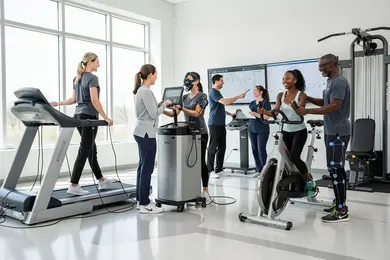
Online delivery presents inherent challenges in partnering with local facilities for supervised internships, which are essential for developing competencies with technologies like force plates and electromyography. Successful students often rely on programs that facilitate these connections with nearby athletic teams, rehab clinics, or fitness centers, underscoring a critical tradeoff: program prestige and affordability versus practical access to applied learning environments.
Cost considerations carry significant weight. For example, Methodist University charges $445 per credit hour for its fully online BS in Exercise & Sport Science, a reflection of the program's resource demands. Prospective students should evaluate this expense relative to their ability to complete clinically supervised fieldwork and pursue professional certification, particularly from entities like the National Strength and Conditioning Association, which require proof of practical experience.
Decisions made on the basis of these factors influence employability in specialized roles where academic credentials alone do not suffice; applied skills validated through internships can determine readiness for sports performance or rehabilitation settings.
What are typical admissions requirements and prerequisites for online bachelor's programs in exercise science?
Admission into online bachelor's programs in exercise science demands more than basic credentials. It requires demonstrated academic readiness aligned with applied science demands. Candidates typically need a high school diploma with transcripts confirming competency in biology, chemistry, and math to handle specialized coursework such as anatomy and physiology crucial for fields like strength and conditioning.
While standardized tests such as the SAT or ACT are increasingly optional, some programs still require them, particularly public universities. Beyond paperwork, applicants often submit personal statements and letters of recommendation to assess their motivation and communication skills.
This selection protocol reflects the reality that successful online students must exhibit considerable self-discipline and digital literacy, skills sometimes vetted through interviews or orientation modules.
Key prerequisite criteria often include:
- Introductory coursework in biology, chemistry, and anatomy
- A minimum GPA of approximately 2.5 to 3.0 on a 4.0 scale
- Proof of English proficiency for non-native speakers
- Foundational knowledge in statistics or quantitative methods
For example, Eastern Oregon University charges $329 per credit hour for its online exercise science concentration, an industry mid-point that underscores the financial impact of prerequisite extensions needed by some students. This cost factor, combined with the need to meet rigorous science prerequisites, can affect total time-to-completion and workforce entry timing.
Prospective students should weigh these operational realities, particularly if shifting careers or balancing employment, as foundational deficits can lengthen program duration and delay certification eligibility.
How long do online exercise science degrees take, and what do they cost overall?
Online bachelor's degrees in exercise science typically follow a standard four-year timeline, though accelerated options around three years exist for transfer students or those taking heavier course loads. This flexibility caters largely to working professionals balancing employment or family, but it comes with tradeoffs. Extending study duration to accommodate life obligations often increases overall tuition and delays workforce entry, undermining the financial benefits of online formats.
Cost variation is significant. Public universities may charge $300 to $600 per credit hour for residents, while private institutions exceed $700. These figures exclude ancillary expenses like fees, textbooks, and certification exams.
Given this investment, prospective students must weigh program reputation and practical experience opportunities, as employers in strength and conditioning prioritize hands-on clinical internships and industry-recognized certifications alongside degrees.
Maintaining full-time employment while pursuing a fully online curriculum minimizes income disruption but can complicate completing required in-person clinical components. Early coordination with advisors is essential to reconcile these demands. Selecting programs offering strong practicum partnerships or athletic department collaborations can optimize experiential learning without inflating credit hours unnecessarily.
PennWest University's PennWest Global Online provides 100% online delivery for its exercise science bachelor's degree, representing a model for those needing flexible scheduling without sacrificing program comprehensiveness.
What strength and conditioning jobs can you get with an online exercise science bachelor's?
Graduates holding an online bachelor's in exercise science often confront a disconnect between academic credentials and employer expectations, particularly in strength and conditioning careers.
Positions like Strength and Conditioning Coach demand not only program design knowledge but also industry certifications such as CSCS and measurable experience with athletes. This degree alone rarely suffices for entry into collegiate or professional sports teams, where proven results and hands-on assessment skills are prioritized.
In clinical and rehabilitation contexts, the degree serves as a baseline, requiring supplemental certifications to effectively support therapists or lead patient recovery initiatives. Corporate wellness and personal training roles value practical client management and demonstrated outcomes over degree prestige, necessitating internships or assistantship roles prior to securing lead responsibilities.
Military and tactical strength programs emphasize biomechanics and physiology applied under rigorous field conditions, highlighting the importance of contextual expertise beyond theoretical study. The recent removal of SAT/ACT requirements by the American Public University System for its online Sports and Health Sciences program reflects a trend toward easing access for nontraditional students but does not diminish the competitive necessity of licensure and specialized credentials.
What are the salary expectations and job outlook for strength and conditioning professionals?
Strength and conditioning roles offer a salary spectrum shaped heavily by certification level and work setting. Median salaries typically range from $49,000 to $59,000 annually, but professionals affiliated with private sports teams or elite athletic programs can exceed $80,000.
This variance illustrates a distinct tradeoff: higher compensation demands advanced credentials like the CSCS and demonstrable outcomes, whereas community fitness centers provide more accessible entry points with modest pay. Employment growth for related fitness professions is projected at 15% through 2032, signaling robust demand across commercial gyms, rehab centers, and collegiate athletics.
Exercise science graduates face a competitive market due to the breadth of career paths, from exercise physiology to health education, which dilutes concentrated job availability. Many must supplement a bachelor's degree with specialized certifications to qualify for premium strength and conditioning roles. Consider a candidate aiming to work with professional athletes: their trajectory involves ongoing credentialing, networking, and gaining proficiency in athlete monitoring technologies beyond foundational academic knowledge.
Work environments typically require flexible hours, including evenings and weekends, and demand tangible performance improvements from athletes. Continuous professional development and skill diversification are necessary to maintain employability and increase earning power in this dynamic field.
Which certifications and licensing requirements apply to strength and conditioning and how does a bachelor's degree help you qualify?
Holding a bachelor's degree in exercise science is often a non-negotiable entry requirement for advancing into strength and conditioning roles beyond basic fitness instruction.
This credential provides essential grounding in kinesiology, physiology, and biomechanics, which certifying bodies such as the National Strength and Conditioning Association (NSCA) use to determine exam eligibility for designations like the Certified Strength and Conditioning Specialist (CSCS). Without it, candidates frequently encounter restricted access to mid- and upper-level positions tied to collegiate, professional, military, or rehabilitation settings.
Consider a graduate working within a university athletic department; their degree facilitates meeting employer criteria and progressing through CSCS certification, enabling the creation of tailored, evidence-based training programs. Conversely, those without this educational foundation often remain confined to entry-level roles with limited professional growth.
Key professional requirements also include state-dependent licensing and CPR/AED certification, which complement core credentials. The projected 14% job growth reported by Eastern Oregon University, referencing the U.S. Bureau of Labor Statistics, signals a preference for well-qualified candidates able to deliver safe, effective training across diverse environments.
Practical distinctions within degree programs matter: curricula incorporating lab work, internships, and targeted exam preparation materially reduce time and cost barriers to certification. Without these, graduates may face longer pathways and additional expense before qualifying for recognized credentials.
Other Things You Should Know About Exercise Science
In 2027, top online bachelor's programs for exercise science with a strength and conditioning focus include those offered by Arizona State University and the University of Florida. These programs provide robust curricula, emphasizing both theoretical knowledge and applied skills vital for success in the field.
Yes, additional certifications like CSCS or similar strength and conditioning credentials are essential to complement an online bachelor's degree. Bachelor's programs alone rarely meet all criteria employers look for without these certifications. Plan your education pathway knowing that the degree is foundational, but certifications are required to access competitive strength and conditioning roles and demonstrate practical competency.
Many online exercise science bachelor's programs require at least one in-person practicum, lab, or internship, often completed at an approved local site. Programs commonly assign 120 total credit hours, and fieldwork is used to document coaching, testing, and supervision experience for future certification or graduate study.
Yes, but the quality of your online program and the depth of your practical experience significantly affect graduate school admission chances. Programs that embed research methods and applied skills improve your competitiveness. If your goal includes advanced study, select an online bachelor's that offers mentoring, research opportunities, or pathways to graduate-level internships rather than solely generalist coursework.
References
- Becoming a Strength and Conditioning Coach https://www.nsca.com/education/articles/career-articles/becoming-a-strength-and-conditioning-coach/
- Strength & Conditioning: How to Earn the Highest Salary | ISSA https://www.issaonline.com/blogs/strength/strength-conditioning-how-to-earn-the-highest-salary
- How to Become a Strength and Conditioning Coach (S&C Coach): Qualifications, Pathways, and Salary Expectations | IUSCA https://www.iusca.org/how-to-become-a-strength-and-conditioning-coach
- The UK's Professional Body for Strength and Conditioning | UKSCA https://www.uksca.org.uk/salaries
- Exercise science: What exactly is it? https://www.scienceforsport.com/exercise-science/
- Exercise science program accredited by national organization | Lipscomb University https://lipscomb.edu/news/exercise-science-program-accredited-national-organization
- Alternative Pathways to the Strength and Conditioning World: Four Ways the College System Creates Strong Coaches https://thecsca.ca/alternative-pathways-to-the-strength-and-conditioning-world-four-ways-the-college-system-creates-strong-coaches/
- The 4 Best Strength and Conditioning Certifications https://fitnesstrainer.com/fitness-blog/best-strength-and-conditioning-certifications