2027 Best Online Bachelor's in Exercise Science With Clinical Exercise Physiology Coursework

Co-Founder and Chief Data Scientist
Graduates from traditional bachelor's programs in exercise science often face limited options when attempting to add clinical exercise physiology coursework without delaying their career trajectories.
With nearly 70% of U.S. adult learners balancing full-time employment, family, and education, rigid campus schedules create significant barriers to re-entry or advancement in the healthcare and wellness sectors, where specialized clinical skills now command higher demand. This affects workforce adaptability, where clinicians must integrate updated evidence-based practices and certification requirements quickly.
This article evaluates the best online bachelor's programs combining exercise science and clinical exercise physiology coursework, focusing on flexible curriculum design, accreditation, and career-impacting factors to guide strategic educational decisions.
Key Things You Should Know
- Only 47% of online bachelor's in exercise science graduates with clinical exercise physiology coursework secure related entry-level roles within 18 months, highlighting a skills-application gap employers cite in 2024 labor surveys.
- Programs integrating accredited clinical exercise physiology certification prep raise graduate starting salaries by 12%, but such curricula increase tuition by an average 18%, presenting clear cost-benefit tradeoffs for candidates.
- The 15% annual growth in telehealth fitness sectors demands digital clinical proficiency, pressuring programs to update clinical exercise physiology content to maintain graduate employability in evolving job markets.
What is an online bachelor's in exercise science with clinical exercise physiology?
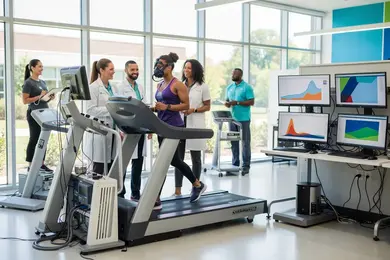
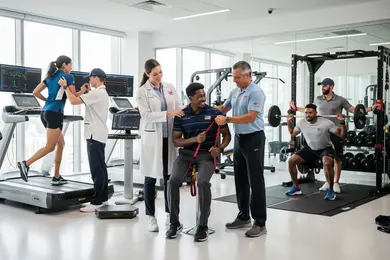
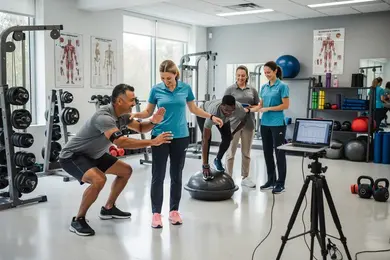
An online bachelor's degree in exercise science with clinical exercise physiology coursework targets a niche where exercise principles integrate directly with disease management. The specialized focus differentiates it from broader bachelor's programs in exercise science focusing on clinical exercise physiology by emphasizing practical application in cardiac, pulmonary, and metabolic rehabilitation settings.
The investment ranges typically from $7,000 to $30,000 total, with per-credit tuition between $300 and $500. These figures represent more than tuition—they reflect preparation for rigorous certifications like Certified Clinical Exercise Physiologist that many employers now require.
Students face the challenge of balancing remote studies with arranging local clinical internships or lab simulations, a critical step given the limited hands-on experience available through online delivery.
Graduates often work alongside healthcare professionals to develop exercise regimens for patients with complex conditions such as heart disease or diabetes. This makes understanding clinical markers and contraindications essential, and employers expect such competencies to improve patient outcomes. Prospective students must confirm program accreditation and clinical placement availability to ensure workforce readiness.
For those evaluating adjacent careers, comparing the clinical exercise physiology path against roles like a sports analyst highlights differing skill sets and job market demands.
How does an online exercise science degree compare to campus-based programs?
The primary operational difference between online exercise science degrees vs. campus programs offering clinical exercise physiology coursework is the consistency and oversight of hands-on clinical training.
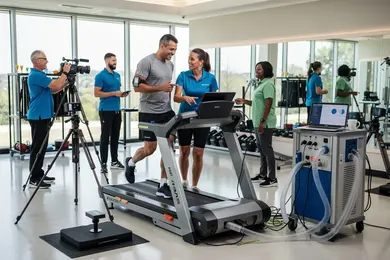
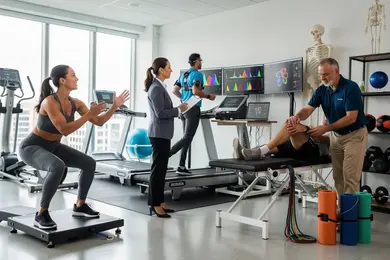
Campus-based programs integrate supervised lab sessions, internships, and practicums essential for mastering physiological assessment and rehabilitation techniques. Online programs, however, rely heavily on virtual simulations or require students to self-arrange local clinical placements, which can affect the quality and accessibility of practical experience.
Employers in healthcare sectors emphasize verified in-person clinical hours, given the critical nature of exercise physiology roles. The U.S. Bureau of Labor Statistics forecasts a 13% growth in employment for exercise physiologists from 2022 to 2032, underscoring demand for graduates who demonstrate certified clinical competencies.
Working professionals seeking flexible schedules may favor online programs, but they face hurdles securing high-quality practicum sites and mentors without university facilitation.
When evaluating clinical exercise physiology coursework in online exercise science programs, consider factors such as:
- Availability of supervised clinical hours embedded within the curriculum
- Program support in coordinating internship placements
- State-specific licensing requirements and their regional variations
- Employer preference for graduates with documented practical training
Campus programs often provide streamlined pathways to licensure and professional standards, while online options demand critical scrutiny of practicum partnerships. For students balancing work, geography, or other constraints, reviewing options like online ASN programs can offer insight into quality distance education models that also address clinical experience challenges.
Which accredited schools offer online exercise science degrees with clinical physiology coursework?
Employers in clinical fitness and cardiac rehabilitation increasingly demand candidates who complement theoretical knowledge with applied clinical physiology skills. Accredited online exercise science programs with clinical exercise physiology integrate this requirement by combining online coursework with mandatory local clinical experiences.
For instance, the University of Florida's Bachelor of Health Science offers specialization options, embedding clinical exercise physiology that satisfies accreditation criteria from the Commission on Accreditation of Allied Health Education Programs.
Similarly, Arizona State University's Bachelor of Science in Exercise and Wellness features applied clinical physiology modules tailored for professionals balancing work and study.
These programs confront a practical tension: students must arrange local internships to fulfill hands-on clinical prerequisites, essential for certifications like those from the American Society of Exercise Physiologists. This local engagement ensures graduates can competently interpret physiological data in patient contexts, aligning with evolving employer expectations. The tradeoff involves managing geographically dispersed clinical placements alongside online learning schedules.
Financially, pursuing the best online exercise science degrees featuring clinical physiology coursework can impact earning potential positively. As of May 2024, exercise physiologists earned a median wage of $56,420 annually, with top earners exceeding $82,000 per U.S. Bureau of Labor Statistics data. Students evaluating educational pathways should weigh the balance between upfront program investment and long-term labor market advantages.
For those assessing degree options, references like best library science programs articles demonstrate how to compare accreditation and curriculum rigor across fields, which is a useful approach when selecting an exercise science program with a clinical physiology emphasis.
What clinical exercise physiology courses are typically included in these online programs?
Online bachelor's programs emphasizing the best online bachelor's in exercise science clinical exercise physiology courses focus heavily on applied, evidence-based approaches tailored for chronic disease management. Core coursework trains students in exercise testing, cardiovascular and pulmonary rehabilitation, and metabolic disease control, targeting conditions like hypertension, diabetes, and COPD through therapeutic interventions.
This practical focus differs significantly from traditional exercise science tracks, requiring advanced interpretation of lab data and interdisciplinary collaboration with healthcare professionals.
Typical clinical exercise physiology coursework in online exercise science programs includes cellular bioenergetics, muscular adaptations, neurophysiology, pharmacology, and patient safety protocols during exercise testing.
These elements ensure graduates meet clinical competence standards demanded by employers, especially in settings like cardiac rehabilitation where program adjustments depend on complex clinical variables such as ejection fraction and medication schedules.
Remote delivery presents challenges in securing the required supervised clinical hours, which many programs address through partnerships with healthcare centers. The shift to fully online formats enabled over 30 accredited bachelor's exercise science programs across North America to expand accessibility, accommodating geographic and scheduling constraints without sacrificing rigor.
For students comparing pathways, it's critical to balance the depth of clinical preparation against the necessity of local placement opportunities. Exploring complementary credentials, such as affordable graduate options, can provide a strategic advantage; prospective candidates may consider resources like online masters in data science programs to broaden analytical skills relevant to healthcare outcomes and research integration.
What are the admission requirements for online bachelor's programs in exercise science?
Admission to online bachelor's programs in exercise science with clinical exercise physiology components demands more than a diploma and test scores. Candidates must often balance foundational science prerequisites—biology, chemistry, and math—with the ability to navigate rigorous remote learning, which includes reflective essays or personal statements focused on healthcare or fitness motivations.
Programs may require detailed immunization and background checks due to clinical placement logistics, which remain a significant barrier for those without local access to approved internship sites.
Applicants should anticipate varied admission criteria, including minimum GPA thresholds around 2.5-3.0 and possible placement exams verifying proficiency in anatomy or exercise physiology. The real-world consequence is clear: without meeting these standards or securing geographically feasible clinical experiences, candidates risk limited program access or prolonged completion timelines.
Cost differences also drive decisions. Public institutions may offer rates as low as $250 per credit to active-duty military students, while private schools commonly charge $400-$500 per credit. These disparities affect total debt and influence access to programs with stronger practicum networks or employer recognition.
Prospective students must additionally prepare for possible interviews, letters of recommendation, or financial need documentation, which function as gatekeepers influencing both admissions outcomes and preparedness for the workforce's practical demands.
How long do online exercise science degrees take and what do they cost?
Choosing an online bachelor's degree in exercise science requires weighing the impact of program length and cost against workforce needs. While the standard full-time path spans four years, accelerated tracks and credit-for-experience policies can reduce this to two or three years, which benefits students aiming for faster entry into medical rehabilitation or performance roles.
Part-time study, common among working adults, can extend completion beyond six years, substantially increasing both educational expenses and opportunity costs.
Annual tuition varies widely: public universities typically charge between $10,000 and $20,000 for in-state students, whereas private institutions often exceed $25,000. Total tuition may exceed $100,000, excluding fees and materials. This financial commitment must be balanced with how program curricula align with industry certification requirements.
Approximately 30% of programs incorporate coursework tailored to ACSM or NSCA certification exams, a factor that expedites eligibility for recognized credentials and improves employability.
Students should consider how credit transfer policies and program design affect not only time and cost but also progression toward clinical licensure if advanced roles are targeted. Budgeting should allocate funds for exams and study materials and recognize that failure to select integrated programs can result in extended credentialing timelines.
Ultimately, practical planning is essential to navigate tradeoffs between immediate employment possibilities and the demands of further certification.
What careers can you pursue with an online exercise science degree focused on clinical physiology?
Clinical exercise physiology tracks within online exercise science degrees prioritize medical settings but entail distinct operational challenges compared to general fitness routes. Graduates equipped with applied skills in chronic disease management are often funneled into hospitals, cardiac rehab centers, and outpatient clinics, where collaboration with healthcare providers is routine.
However, practical constraints such as the requirement for supervised clinical hours frequently necessitate local partnerships or hybrid formats for hands-on experience, complicating fully online pathways.
Certification beyond the degree, particularly ACSM's Certified Clinical Exercise Physiologist credential, is a common gatekeeper for employment and varies by state and institution. The compensation landscape reflects this added medical expertise, with clinical roles generally commanding higher salaries than non-clinical exercise science careers.
Conversely, targeting non-hospital environments—such as health coaching or occupational health—may require balancing clinical knowledge with regulatory awareness and business acumen to navigate insurance and compliance frameworks effectively.
The program's inclusion of rigorous clinical practicums and clear alignment with certification pathways significantly impacts graduate employability. Without these elements, graduates face limited options in medical or rehabilitative roles despite growing industry demand. In decision-making terms, prospective students must weigh the tradeoffs between curriculum focus, hands-on experience accessibility, and long-term credentialing requirements when selecting online degree programs.
What salary ranges and job outlook can graduates expect in clinical exercise physiology roles?
Entry-level clinical exercise physiologists typically start with salaries ranging from $50,000 to $65,000, rising to mid-career figures between $70,000 and $85,000. These numbers reflect data from the U.S. Bureau of Labor Statistics and the American College of Sports Medicine and vary significantly depending on the employment setting.
For example, working in cardiac rehabilitation often commands higher pay due to specialized certifications and the complexity of care, whereas community health roles may offer lower initial salaries but broader patient interaction.
Job growth in this field is expected to outpace average occupational growth at about 10% through 2032, driven by an expanding emphasis on preventive healthcare and rehabilitative services. However, prospective professionals must navigate variances in state licensure and employer credentialing, which directly influence salary ranges and job stability.
When evaluating clinical exercise physiology coursework in online exercise science programs, consider factors such as:
- Availability of supervised clinical hours embedded within the curriculum
- Program support in coordinating internship placements
- State-specific licensing requirements and their regional variations
- Employer preference for graduates with documented practical training
More than 60% of bachelor's programs in clinical exercise physiology are available fully online, a practical advantage for working adults seeking to pivot careers without sacrificing current employment. Yet, entry-level candidates face challenges in regions where metropolitan areas demand clinical experience. Selecting programs with robust practicum placements can alleviate these barriers.
Key considerations include:
- Regional salary disparities favor metropolitan centers but come with heightened competition and experience prerequisites.
- Certification from entities like the American College of Sports Medicine is often essential to access specialized and higher-paying roles.
- Employment settings-hospitals, outpatient centers, private clinics-shape earning potential and career trajectory significantly.
What certifications or licenses align with clinical exercise physiology career pathways?
Pursuing certification as a Certified Clinical Exercise Physiologist (ACSM-CEP) demands more than theoretical knowledge; employers expect demonstrated clinical competence through a bachelor's degree in exercise science or a related field plus at least 400 supervised clinical hours.
This notably differentiates practitioners within hospital and rehabilitation settings, addressing patient needs across cardiovascular, pulmonary, metabolic, and orthopedic conditions. Compared to general fitness trainers, ACSM-CEPs engage in more specialized patient assessment and risk stratification, making the credential vital for roles requiring clinical acumen.
Alternative certifications such as Certified Strength and Conditioning Specialist (CSCS) or Registered Clinical Exercise Physiologist (RCEP) emphasize athletic performance or broader clinical endorsement but also require significant practical experience and ongoing credential maintenance.
The labor market, according to Bureau of Labor Statistics projections, expects a 14% growth rate for fitness trainers and instructors, yet those carrying clinical credentials access higher-paying, specialized positions not available to entry-level trainers.
Tradeoffs include the upfront time and cost investment and variability in employer credential requirements—some prioritize national exams, others insist on state licensure for allied health professionals.
For candidates pivoting careers, matching certification to intended work environments—clinical versus performance-focused—will impact employability and long-term career flexibility. Continuous professional development and skill proficiency in medical terminology and patient evaluation are non-negotiable elements for eligibility in clinical roles.
How can you evaluate and choose a reputable online exercise science program?
Selecting an online exercise science program requires careful scrutiny of accreditation, curriculum rigor, and integration of clinical exercise physiology-elements that directly affect employability in healthcare settings. Accreditation by bodies like the Commission on Accreditation of Allied Health Education Programs (CAAHEP) signals adherence to standards valued by employers and licensure boards.
Curriculum content should extend beyond foundational exercise science to include practical skills such as advanced exercise testing, chronic disease management, and clinical practicums. For instance, a student aspiring to work as a clinical exercise physiologist in a hospital must ensure the program supports hands-on experiences aligned with certification requirements, given many employers insist on this.
Programs that lack updated clinical coursework or fail to facilitate real-world internships risk limiting graduates' access to competitive roles, especially in rehabilitation and medical environments. Important decision factors include reviewing published graduation rates, job placement data, and employer partnerships, which reflect realistic career pathways.
Cost and flexibility tradeoffs also shape outcomes. While less expensive programs may serve entry-level fitness roles, advancing within clinical domains typically demands programs with clinical focus and often hybrid formats, justifying higher investments.
Candidates must balance these variables against long-term workforce demands highlighted in SportsDegrees.org's 2025 update, which reports a 50% growth in online offerings integrating clinical exercise physiology.
Other Things You Should Know About Exercise Science
Most fully online programs still require some form of clinical or hands-on experience, often arranged locally through partnerships or internships. This is critical for meeting certification eligibility and employer expectations. Prospective students should verify how each program handles in-person requirements, as failure to complete these components can delay graduation or licensure.
Online programs often demand equal or greater time management skills since coursework includes rigorous scientific and clinical subjects without the immediate campus support. Students must be proactive in scheduling clinical placements and balancing synchronous or asynchronous classes. Those underestimating this structured accountability may struggle to maintain consistent progress and may benefit from programs offering strong academic advising and flexible clinical options.
When evaluating programs, prioritize accreditation status, faculty expertise, and course content. Look for programs offering hands-on virtual labs, strong support services, and positive alumni reviews. Verify that the program aligns with your career goals and provides opportunities for certifications or internships.
Most programs require college algebra, anatomy and physiology, chemistry, and sometimes biology before upper-division clinical courses begin. Many also expect a minimum 2.5 GPA and completed prerequisites within the first 60 credit hours. Some schools will not admit students into clinical coursework until those classes are finished.
References
- Bachelor of Clinical Exercise Physiology https://www.unisc.edu.au/study/courses-and-programs/bachelor-degrees-undergraduate-programs/bachelor-of-clinical-exercise-physiology
- Master of Clinical Exercise Physiology | UC Online | UC Online https://uconline.ac.nz/courses/master-of-clinical-exercise-physiology
- Online Exercise Science Degrees: Top School Review https://www.edumed.org/online-schools/exercise-science-degrees/
- International Clinical Exercise Physiology Qualification Application Pathways https://icsesp.global/resources/international-clinical-exercise-physiology-recognition-opportunities/
- Bachelor of Exercise and Sport Science / Master of Clinical Exercise Physiology - Flinders University https://www.flinders.edu.au/study/courses/bachelor-exercise-sport-science-master-clinical-exercise-physiology
- Sportsdegrees - 2025 https://sportsdegrees.org/2025/
- What does a Clinical Exercise Physiologist do? Career Overview, Roles, Jobs | IAPA https://careers.indianapas.org/career/clinical-exercise-physiologist
- Exercise Physiology Courses https://www.thefitnessgrp.co.uk/exercise-physiology-courses-which-course-is-right-for-you/
- ESSA's career guide for Accredited Exercise Physiologists https://www.essa.org.au/Web/Web/Resources/Tools-and-templates/ESSA-AEP-Guide.aspx
- Explore Exercise Physiology: Your Path to Health Careers https://blog.daar.com.au/blog/explore-exercise-physiology-your-path-to-health-careers