2027 Exercise Science Careers That Reward Strong Communication Skills

Co-Founder and Chief Data Scientist
Balancing client care with interdisciplinary team communication poses a persistent challenge for exercise science professionals aiming for leadership roles. Misunderstandings between fitness specialists, healthcare providers, and patients frequently delay treatment protocols or diminish adherence to exercise regimens, impacting outcomes.
Recent data from the National Center for Education Statistics reveals a 17% growth in adult learners enrolling in hybrid or fully online exercise science programs, reflecting a workforce pivot toward more flexible learning that supports midcareer shifts and continuous credentialing. This evolution demands stronger communication skills to coordinate effectively across evolving delivery models.
This article examines careers within exercise science that prioritize communication abilities and offers actionable guidance for aligning education with tangible job market needs.
Key Things You Should Know
- Communication skills correlate with 17% higher patient adherence in exercise science roles, driving demand for professionals who navigate complex behavioral counseling within insurance reimbursement constraints, per 2024 CDC workforce data.
- Employers rate interdisciplinary communication proficiency as second only to technical expertise in 2024 hiring surveys by the National Strength and Conditioning Association, intensifying competition among graduates lacking these skills.
- Programs integrating intensive communication training add 18% to degree costs and extend completion by 3-6 months, challenging candidates with limited financial or time flexibility but enhancing long-term career mobility.
What are exercise science careers that value strong communication skills?
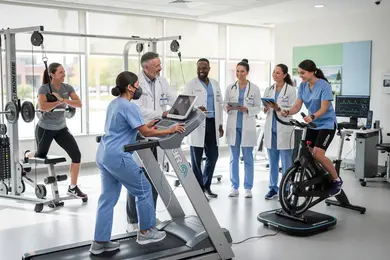
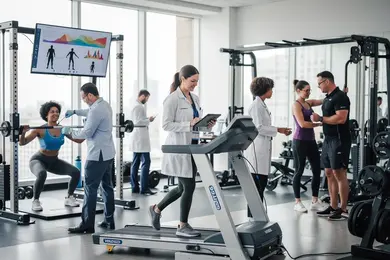
Exercise science careers that require strong communication skills are distinguished not only by technical knowledge but by the ability to translate complex physiological data into clear, client-specific guidance.
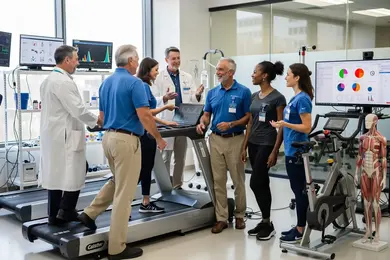
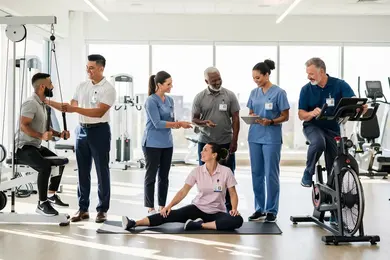
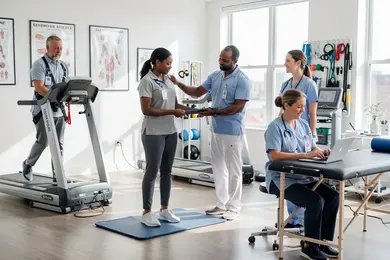
Clinical exercise physiologists, for example, must concisely explain interventions to patients with chronic conditions while collaborating with healthcare teams, a factor contributing to a projected 9% workforce growth from 2024 to 2034 with about 1,700 annual openings per the U.S. Bureau of Labor Statistics. This demand highlights the practical value of communication alongside scientific competence.
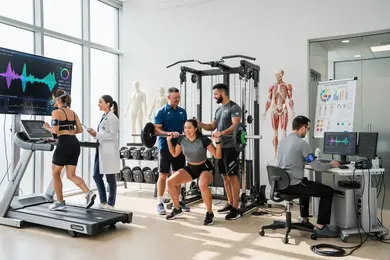
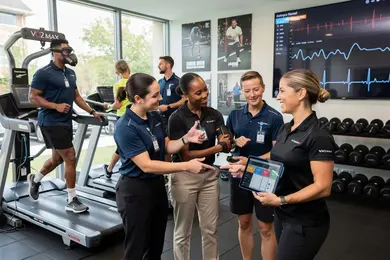
Top exercise science jobs valuing effective interpersonal communication, such as cardiac rehabilitation specialists and strength and conditioning coaches, face unique adherence challenges. These professionals require empathetic motivational skills to engage patients with low exercise tolerance and to coordinate training plans with medical staff, ensuring safety and performance goals align.
Employers seek candidates adept in motivational interviewing, electronic health record literacy, and adaptable communication across verbal, written, and digital formats. Without these skills, technical expertise often falls short in client retention and interdisciplinary effectiveness. Candidates should weigh that emphasizing communication training may prolong certification pathways but directly improves employability and career stability.
Prospective students evaluating exercise science programs should consider curricula integrating communication skill development, as practical readiness extends beyond physiology. For insight into related demand and compensation trends, compare sports analytics salary.
What degree do you need for exercise science jobs?
A bachelor's degree in exercise science or a related field such as kinesiology remains the baseline credential for most professional roles like strength and conditioning coach or fitness trainer. This degree offers a blend of anatomy, physiology, biomechanics, and applied exercise physiology integrated with practical labs and communication skill-building, which employers deem essential.
For candidates seeking certification, a bachelor's degree is often mandatory before attempting exams from organizations such as the National Strength and Conditioning Association.
A practical consequence of limiting education to an associate degree is restricted career mobility and earning potential, especially since advanced clinical roles, in rehabilitation or exercise physiology, require a master's degree that includes research and clinical internships aligned with medical oversight.
The demand for fitness trainers is projected to grow 19% between 2021 and 2031, making strong communication skills critical for effectively coaching diverse clients and working within interdisciplinary teams in a competitive job market.
For those evaluating the best degrees for exercise science jobs, program selection should balance scientific curriculum depth with experiential opportunities such as internships, which employers prioritize equally to academic knowledge. Additionally, prospective students exploring pathways can assess sports management online programs for alternative options tailored to industry demands.
How do you choose an accredited exercise science program?
Accredited exercise science programs in the US must be vetted by recognized accreditors like CAAHEP or approved regional bodies to ensure alignment with industry standards and workforce needs. This accreditation signals curricular rigor critical for employability, especially as 80% of major U.S. employers now offer wellness programs relying on health professionals skilled in both exercise physiology and effective communication.
Candidates aiming for roles such as corporate wellness coordinators should prioritize programs integrating applied communication training alongside technical coursework.
Practical, scenario-based learning, involving client simulations or internships embedded within corporate or clinical settings, directly impacts graduate readiness for communication-heavy positions. Faculty with strong industry ties can bridge students to relevant internships and employment. Flexibility, including part-time or hybrid formats, is another essential factor for working students balancing education and job responsibilities.
Graduate employment rates and specific outcomes in communication-driven roles offer insight into program effectiveness. Lack of transparent data warrants caution, as it may reflect misalignment with market demands or insufficient soft-skills emphasis. Tradeoffs between cost, program length, and networking opportunities must also be evaluated since higher tuition often correlates with robust employer connections. Consider these factors carefully to navigate the balance between affordability and industry relevance.
For students exploring diverse pathways, comparing a top exercise science degrees with communication focus against other fields can reveal strategic advantages. For example, an online computer science degree typically offers different logistical and market dynamics worth weighing against exercise science alternatives.
Is an online or campus exercise science degree better?
Choosing between online exercise science degree programs and campus options hinges on specific professional demands and learning environments. Campus programs remain essential for roles requiring hands-on proficiency, such as physical therapy assistance or clinical rehabilitation, because employers prioritize demonstrable practical skills developed through in-person labs and internships. This distinction is particularly relevant for the exercise science degree vs campus program debate, where tactile experience directly affects employability.
By contrast, online degrees offer scheduling flexibility ideal for working adults or those with family commitments, allowing continuous employment during study. However, their value depends heavily on local internship access or the capacity to meet practicum requirements, which can impose additional travel or relocation costs. Online curricula have improved with synchronous sessions and virtual simulations but may still fall short in training tactile skills vital for certain roles.
Fields emphasizing communication, like health coaching, expected to grow by 12% with about 16,000 new jobs annually, often benefit from campus or hybrid learning environments that foster in-person peer and instructor engagement.
Nevertheless, many online program graduates gain field experience and certifications that support these competencies. Prospective students seeking the best exercise science degree options for communication skills should weigh program structures carefully.
Budget-conscious candidates might also explore related fields and alternative learning pathways, including online masters data science, which offers scalable options with emerging cross-disciplinary applications in health data analysis.
What courses are in an exercise science program?
An exercise science curriculum demands mastery of anatomy, physiology, and biomechanics to create actionable skills in clinical and athletic environments. Students learn to assess physical fitness through hands-on courses in exercise testing and prescription, directly linking academic work to applications such as cardiac rehabilitation where tailored exercise plans influence recovery trajectories.
Given that the median annual wage for exercise physiologists in clinical settings is $58,160, with top earners surpassing $78,000, programs embed clinical exercise physiology and health assessment to meet employer expectations, especially in hospitals and physician practices. Proficiency in medical language and pathophysiology enables accurate interpretation of patient data and effective interdisciplinary communication, an essential workplace skill.
Additional coursework covers nutrition, motor learning, and research methods to support evidence-based practices. Communication-focused classes addressing behavioral change and professional ethics improve client adherence and foster collaboration in multidisciplinary teams, key factors employers consistently prioritize in rehabilitation and fitness roles.
Electives often include sports psychology, strength training, or public health, allowing alignment with local workforce demands and certification paths. Prioritizing electives based on regional job markets strengthens employability in clinical or community exercise roles, where specialized technical knowledge combined with communication acumen is crucial.
What admissions requirements do exercise science programs ask for?
Admission into exercise science programs demands more than meeting minimum academic thresholds. It requires evidence of applied competence and communication skills essential to workforce relevance. Undergraduate entry typically requires a high school diploma with GPAs near 2.5 to 3.0, stressing biology, chemistry, and math fundamentals.
Some programs have de-emphasized standardized tests due to shifting admission policies, yet selectivity remains tied to demonstrated technical grounding. Graduate admissions expect related bachelor's credentials plus coursework in anatomy, physiology, and kinesiology, ensuring depth in biological sciences foundational to the discipline.
Hands-on experience serves as a critical differentiator. Practical exposure, through internships, volunteer roles, or assistantships in clinical or athletic environments, aligns with labor trends showing an 80% rise in specialized sports scientists for elite performance settings from 2016-2024. This signals employers' prioritization of applied data skills alongside theory. Lacking such experience often prolongs credentialing or job competition timelines.
Applicants should also prepare for interpersonal evaluation components like interviews and recommendations, reflecting the field's demand for translating complex data to clients and multidisciplinary teams. Background checks and CPR certification are typical prerequisites, especially for roles involving elite athlete support or rehabilitation.
How long does an exercise science degree take to finish?
Completing a bachelor's degree in exercise science typically spans four years of full-time study, incorporating foundational courses in anatomy, physiology, kinesiology, and biomechanics with required practical experience. This timeline aligns with employer expectations across rehabilitation and fitness sectors, which demand candidates who have solid theoretical knowledge combined with hands-on clinical or research exposure.
Targeting specialized roles such as recreational therapists, a field with projected growth of 4.3% and an average salary around $65,350, underscores the necessity of completing a standard four-year degree to meet baseline competency and practical skill requirements.
Additional certifications or national licensures often extend total qualification time beyond the degree. For instance, aspiring rehabilitation specialists may need six months to a year of dedicated preparation post-graduation to gain essential credentialing valued in healthcare environments.
Employers highly prioritize candidates who have completed internships totaling 300-500 hours during their studies because this provides crucial real-world insights and networking advantages. Those pursuing graduate-level specializations should anticipate at least two more years of education, moving toward a total of six years or more, which reflects a significant investment but unlocks more advanced clinical or research roles.
Prospective students must balance these timelines and credentialing demands against market realities to strategically navigate their path within the evolving landscape of exercise science employment and specialization.
What jobs can you get with an exercise science degree?
An exercise science degree often leads to roles that require distinct communication skill sets and practical tradeoffs in work environment and certification demands. For example, clinical exercise physiologists must translate complex medical data into clear exercise guidance for individuals with chronic conditions, necessitating precision and empathy.
Conversely, strength and conditioning coaches prioritize interpersonal communication to design targeted athlete programs within multidisciplinary teams. These differences shape day-to-day professional interactions and career satisfaction.
Employment data from the University of Bath (2020-21) shows 92% of sport and exercise science graduates were engaged in work or further study within 15 months, with 70% in managerial or professional roles, indicating solid market absorption but also signaling the need for additional credentials in many pathways.
Practical career considerations include:
- Certifications such as Certified Strength and Conditioning Specialist (CSCS) or clinical licenses frequently required beyond the degree
- Variable working conditions-rehabilitation and sports settings often demand flexible hours and geographic mobility
- Roles in health promotion emphasize client engagement and motivational communication for program adherence
- Technical roles like biomechanist balance scientific analysis with translating findings for diverse audiences
Prospective students should weigh these operational factors, balancing the degree's foundational knowledge with the additional time and effort needed for certification, lifestyle demands, and industry-specific communication expectations to align educational choices with realistic career trajectories.
How much do exercise science careers pay?
Specializing in exercise science careers requires navigating distinct salary landscapes shaped by certification, sector, and geographic factors. Entry-level roles generally start near $40,000 but can quickly diverge based on specialization.
For example, clinical exercise physiologists typically earn $50,000 to $60,000 annually, reflecting the premium placed on certifications such as ACSM or NASM. Contrast this with strength and conditioning coaches, who may earn $45,000 to $75,000, driven largely by experience, networking, and clientele in collegiate or private sports settings.
Those opting for education positions encounter different dynamics: in the UK, 9% of graduates move into secondary education and 2% into primary, while U.S. salaries for exercise science teachers range from approximately $45,000 in public schools to $65,000 in private institutions but often require additional credentials beyond the degree.
Prospective professionals must weigh tradeoffs: advanced degrees boost academic and research career prospects, starting lower but offering upward mobility; clinical roles require upfront certification investment; while coaching depends substantially on interpersonal skills and client acquisition. Geographic location can add a 10-15% wage premium in larger metropolitan areas but comes with higher living expenses.
Budgeting for certification exams and employer mandates is critical. The practical implication: aligning immediate earnings with long-term credential investment shapes viable career strategies in exercise science.
Which certifications help exercise science graduates get hired?
Certification choices like Certified Strength and Conditioning Specialist (CSCS) or Certified Personal Trainer (CPT) materially affect employability in exercise science by validating specialized skills and essential communication capabilities. Data from the Journal of Science Communication show graduates with formal communication training are 1.6 times likelier to secure roles involving public or client engagement.
For instance, CSCS holders coordinating collegiate athletic programs must convey complex strategies efficiently among coaches, medical personnel, and athletes, whereas CPT professionals in private settings require adaptable communication to motivate diverse client populations.
Certain certifications such as Certified Clinical Exercise Physiologist (CEP) open career options in clinical environments where translating nuanced health data to patients is necessary. Other credentials focusing on health coaching or group instruction emphasize interpersonal skills critical for sustaining client compliance and education.
Employers favor certifications accredited by recognized entities like the National Strength and Conditioning Association (NSCA) or the American College of Sports Medicine (ACSM) because these programs integrate communication skill development aligned with industry expectations. Candidates without such credentials often struggle to demonstrate readiness for client-facing roles, constraining opportunities in rehabilitation or wellness coaching.
Prospective certificants must also weigh practical considerations. CPTs typically demand fewer study hours and lower costs than CSCS, influencing accessibility for working professionals balancing time and financial constraints. Aligning certification choice with intended work settings and communication demands is vital to a strategic career pivot or advancement.
Other Things You Should Know About Exercise Science
Hands-on experience through internships or volunteering is critical because many employers prioritize practical skills over academic credentials alone. Internships provide exposure to workplace communication demands, client interaction, and interdisciplinary collaboration that classroom settings rarely replicate. Without this experience, graduates often struggle to demonstrate their ability to handle real-world scenarios, which can limit immediate employment prospects and career advancement.
Exercise science careers that emphasize communication often involve managing diverse client needs, educational outreach, and interdisciplinary teamwork, which can increase workload and stress. Prospective students should assess their ability to maintain clarity and professionalism under pressure, especially in clinical or athletic settings where quick decisions and explanations are routine. Understanding these demands helps avoid burnout and informs better career path choices aligned with personal resilience and communication style.
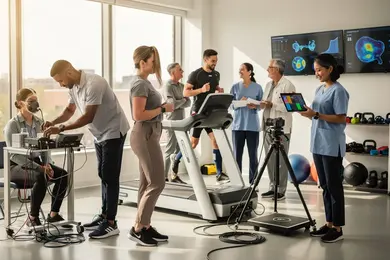
Personal trainers, strength and conditioning coaches, clinical exercise physiologists, and corporate wellness specialists rely heavily on clear communication. These roles require explaining exercise plans, safety cues, and behavior changes to clients or patients, often alongside CPR certification and, for some clinical settings, ACSM or clinical credentialing.
References
- Exercise science: What exactly is it? https://www.scienceforsport.com/exercise-science/
- Exercise Science | York College of Pennsylvania https://www.ycp.edu/academics/programs/exercise-science
- Exercise Science Degree Programs Lead to Rewarding Careers in Health and Fitness https://www.carrollcc.edu/articles/exercise-science-degree-programs-lead-to-rewarding-careers-in-health-and-fitness/
- Online Exercise Science Degrees: Top School Review https://www.edumed.org/online-schools/exercise-science-degrees/
- Exercise science program accredited by national organization | Lipscomb University https://lipscomb.edu/news/exercise-science-program-accredited-national-organization
- Top 20 Careers With a Master’s in Exercise Science | PLNU https://www.pointloma.edu/resources/health-sciences/top-20-careers-masters-exercise-science
- What can I do with an Exercise Science degree? https://www.coloradomesa.edu/iris/explore-majors/what-can-i-do-with-an-exercise-science-degree.html
- Exercise Science, B.S. - Brooklyn College https://www.brooklyn.edu/academics/programs/exercise-science-bs/