2027 Online Exercise Science Degrees With Applied Exercise Physiology Concentrations

Co-Founder and Chief Data Scientist
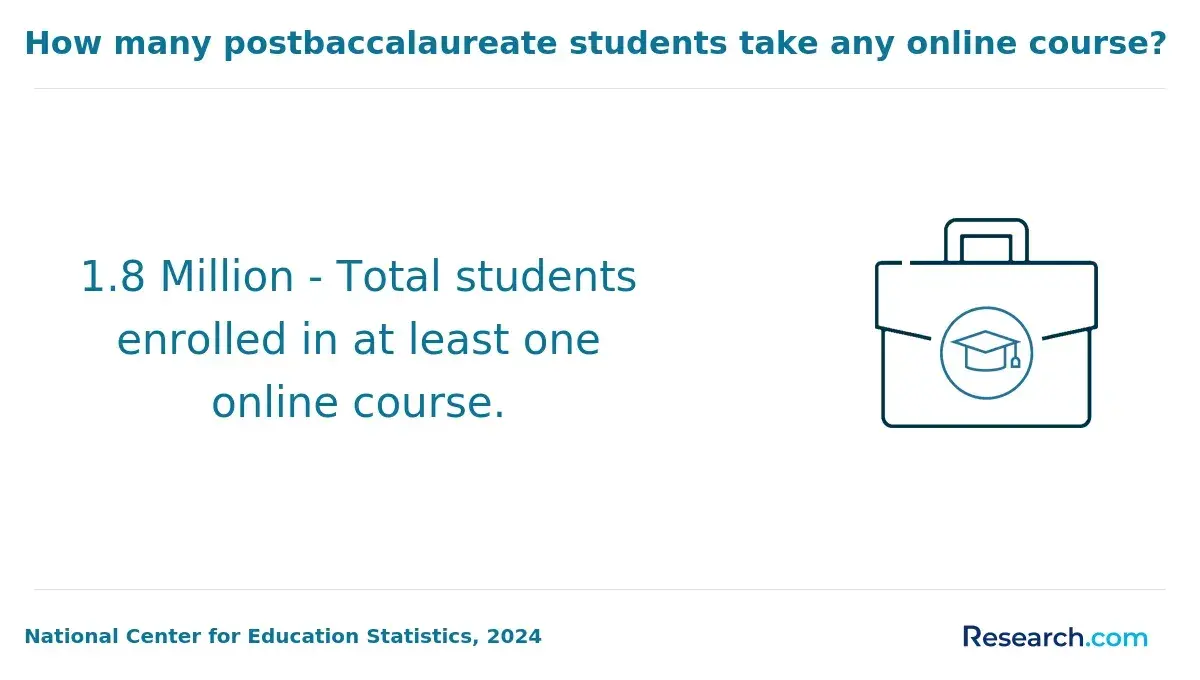
Healthcare providers and fitness professionals face a growing need to apply exercise physiology insights directly to patient care and performance optimization, often while managing unpredictable schedules and ongoing workforce demands. With enrollment in online higher education surging by over 20% among adult learners last year according to NCES data, flexibility now strongly influences program choice in exercise science fields.
This shift signals a broader market expectation: programs must align with professionals' time constraints and evolving career objectives without compromising specialized expertise. This article evaluates online exercise science degrees featuring applied exercise physiology concentrations, clarifying how these pathways address accessibility, practical skill acquisition, and career advancement.
Key Things You Should Know
- Applied exercise physiology concentrations in 2026 prioritize hands-on clinical skills, yet NCAA data shows less than 40% of programs offer integrated internships, constraining early career readiness in rehabilitation roles.
- Employer demand for graduates with applied physiology focus surges 18% through 2028 per Labor Department, pressuring programs to balance specialization with broader exercise science fundamentals to meet diverse health sector needs.
- Median debt for online exercise science degrees with applied physiology tracks reaches $28,500 according to College Scorecard, intensifying the timing-cost tradeoff for mid-career students seeking expedited credentialing versus full-time study.
What is an online exercise science degree with an applied exercise physiology concentration?
An online exercise science degree with an applied exercise physiology concentration demands careful consideration of hands-on training limitations inherent in remote formats. Students must often arrange their own local internships or practicums because many applied exercise physiology programs online do not provide direct placement support.
This gap can delay certification timelines and affect immediate employability in clinical or athletic environments where practical skills in physiological assessment and intervention are non-negotiable.
Practical competence focuses on skills like cardiovascular and metabolic response analysis and tailored program design for chronic conditions, vital for meeting employer expectations in rehabilitation and wellness sectors. Time management becomes critical as students juggle virtual labs and fieldwork alongside work or clinical placements, underscoring a tradeoff between flexibility and experiential depth.
The job outlook reflects consistent growth, with a 9% increase for exercise physiologists projected by the U.S. Bureau of Labor Statistics from 2024 to 2034, outpacing many fields. However, income disparities highlight that the top 10% earn over $79,830, emphasizing the importance of specialization and strong certification alignment.
Prospective learners researching an online exercise science degree should weigh accreditation standards, practical training quality, and whether the program supports certification pathways that meet evolving employer needs.
How do online applied exercise physiology programs compare to campus-based options?
Online applied exercise physiology degree comparisons reveal a significant divide in practical training delivery between remote and campus-based programs. Employers prioritize graduates who enter the workforce with documented, supervised clinical experience-a standard more consistently met by campus programs due to built-in access to specialized facilities and mentorship.
Online options offer flexibility and accessibility but place the responsibility on students to independently secure local internships that fulfill essential hands-on competencies.
These differences affect employability and skill readiness. Graduates from campus programs tend to require less onboarding and show faster adaptation in clinical or sports performance roles, whereas online learners may face delays if quality practical engagements are not obtained.
This is a key operational factor for those weighing differences between online and campus-based applied exercise physiology programs.
The annual earnings for individuals with a BS in Exercise & Sport Science average around $71,000, reflecting the market value of applied training integrating both theoretical and experiential components.
For example, a working healthcare professional can leverage employer relationships to complete local practical requirements while enrolled online, maintaining income flow and advancing credentials. However, students without supportive networks confront logistical challenges that campus counterparts rarely face.
Prospective students should scrutinize online degree structures to ensure they facilitate the integration of hands-on training recognized by employers. For more detailed comparisons on related pathways, consider this sports management degree analysis emphasizing strategic, outcome-based decision-making in applied exercise physiology education.
Which U.S. schools offer accredited online exercise science degrees in applied exercise physiology?
Few U.S. institutions deliver accredited online exercise science programs in the US with applied exercise physiology concentrations, reflecting a specialized but competitive niche. Schools like the University of North Dakota and University of Idaho offer fully online master's degrees that comply with regional accreditation and emphasize applied competencies vital for clinical and performance settings.
This focus aligns with employer demand for professionals blending theory with applied skills in rehabilitation, chronic disease management, and athletic performance.
Cost efficiency is a pivotal factor: according to a 2024 tuition review by IsoEducation, fully online applied physiology and kinesiology master's programs average approximately $17,572.50 in total tuition-a stark contrast to typical on-campus program costs above $35,000. This pricing dynamic notably benefits career changers and employed professionals unwilling to pause work or relocate.
Graduates pursuing roles such as clinical exercise physiologist or strength and conditioning specialist must navigate the practical necessity of local internships or supervised practicum hours alongside online coursework. Securing qualified supervisors and meeting state licensure mandates can be a logistical challenge but is critical to meeting certification criteria.
Employers in healthcare and fitness prioritize candidates from accredited online programs who can verify applied skills and maintain professional credentials. Assessing whether a degree supports credentialing and continuing education access is essential for resilience in applied exercise physiology careers.
For professionals exploring various academic pathways, it's useful to compare these options with alternatives like a library sciences degree, which also offers online opportunities but in different workforce sectors.
For those evaluating top US schools offering online exercise science degrees focused on applied exercise physiology, balancing cost, accreditation, experiential learning logistics, and employer expectations is crucial to informed decision-making.
What admission requirements do online applied exercise physiology degree programs typically have?
Online applied exercise physiology degree admission criteria reflect a balance between academic rigor and practical readiness, which can significantly affect career trajectory in clinical and fitness sectors. A bachelor's degree in exercise science, kinesiology, or a related health field forms the baseline, supported by strong transcripts in anatomy, physiology, and chemistry. Competitive programs generally set minimum GPAs around 2.5 to 3.0 due to the scientific and clinical complexity involved.
Typical requirements for online exercise science programs extend beyond academics. While some still request standardized test results, many prioritize comprehensive resumes or CVs showcasing healthcare experience, internships, and relevant research.
This emphasis arises from employers' preference for candidates who can contribute immediately in applied settings. Letters of recommendation and a statement of purpose remain key, enabling a nuanced evaluation of a candidate's professional readiness and commitment, especially given mandatory practicum components.
Practical challenges include fulfilling in-person clinical hours, which may necessitate proximity to approved sites or travel willingness. This necessary tradeoff addresses skill standards linked to U.S. Bureau of Labor Statistics data noting a median annual wage of $54,780 with potential for higher earnings through applied expertise.
Students weighing this path should also consider related costs against alternatives, such as those detailed in MLIS degree cost analyses, to inform a sustainable educational investment.
How long do online exercise science degrees with applied exercise physiology concentrations take to complete?
Choosing the duration for an online exercise science degree with an applied exercise physiology focus demands balancing speed against practical readiness. While a standard full-time path lasts four years, accelerated options compress this to three-but require intense workloads and offer little flexibility, limiting their suitability for employed students.
Conversely, many professionals extend study over five or six years to accommodate work schedules, which delays labor market entry and earning potential.
This timing affects income significantly; fitness and wellness roles related to this field command average annual earnings around $71,000 upon graduation. Delaying degree completion prolongs the period without full earnings, which can be a critical factor for career changers.
Course delivery format matters: asynchronous options deliver flexibility but may extend the timeline if students drop below full-time status. Practicum or clinical internships, essential for applied exercise physiology expertise, add several months of in-person commitment. Employer credential requirements often necessitate these experiences, especially in clinical or rehabilitation contexts.
What courses and practical experiences are included in applied exercise physiology online curricula?
The value of an online applied exercise physiology program hinges on its ability to merge technical coursework with essential clinical experience, a known challenge for remote learners. Students focusing on cardiac rehabilitation provide a clear example: success depends on completing supervised practicals where they perform patient assessments and design recovery plans, bridging theoretical knowledge with clinical application.
Graduates lacking this hands-on exposure often face employer barriers, given the emphasis on proficiency in ECG monitoring, VO2 max testing, and risk stratification.
Securing local clinical placements can delay program completion, especially in underserved areas where program partnerships are scarce. Programs that proactively support practicum arrangements reduce these hurdles and increase job market readiness.
The cost ranges between $550 and $586 per credit, approximating $17,500 total tuition; this investment typically recoups in under six months based on the median annual salary of $71,000 reported for this occupational group.
Core curriculum components include human physiology, biomechanics, metabolic assessments, and chronic disease management, alongside advanced data analytics tailored to patient-specific exercise interventions. Focus on clinical exercise testing and rehabilitation science distinctly positions graduates for roles in hospitals, sports medicine, and wellness programs, where practical skill proficiency often dictates employability.
Tradeoffs lie in balancing didactic instruction with securing adequate onsite clinical experience, underscoring the critical importance of evaluating program support structures before enrollment.
What careers can you pursue with an online exercise science degree in applied exercise physiology?
Graduates with an online exercise science degree focused on applied exercise physiology face a demanding transition from academic knowledge to clinical and performance-based roles. Positions such as clinical exercise physiologists, rehabilitation specialists, and strength and conditioning coaches necessitate a strong grasp of physiological testing, patient evaluation, and personalized exercise prescription.
These roles typically require certifications like ACSM-CEP or EPC, practical clinical experience, and the ability to operate within healthcare or specialized fitness environments where evidence-based protocols directly impact patient outcomes.
Employment opportunities predominantly occur in hospitals, rehab centers, and fitness facilities that value integrated clinical internships or hands-on training embedded in online programs.
Collaborations with cardiologists or physical therapists, for example, illustrate the specialized nature of exercise physiologists' work in managing cardiac rehabilitation or metabolic diseases-settings that go beyond traditional fitness trainer roles by demanding expertise in pathophysiology and sophisticated testing methods.
Financially, military and veteran students benefit from reduced tuition rates, sometimes as low as $250 per credit compared to typical $324-$360 rates, easing access to these practice-oriented degrees. This support offers active-duty personnel a pathway to fortify skills relevant to defense health systems focused on rehabilitation and performance optimization.
Prospective students should critically evaluate programs for clinical partnerships and credentialing support, recognizing that job competitiveness hinges on developing not only clinical proficiency but also administrative and health coaching skills when targeting roles outside strictly clinical settings.
What salaries and earning potential can graduates in applied exercise physiology expect?
Starting salaries for applied exercise physiology graduates typically range from $50,000 to $60,000 annually, with experienced specialists earning $75,000 or more after five to ten years. Employment growth in this field is projected at 9% through 2034, outpacing many healthcare support roles due to expanding needs in cardiac care, clinical rehabilitation, and athletic performance enhancement.
Entry-level positions mainly exist in hospitals or outpatient clinics, where wage growth can be limited by credentialing barriers and narrow scopes of practice. In contrast, roles in sports performance centers or corporate wellness programs offer higher pay but often require advanced certifications or graduate-level education. Without these, job seekers may face difficulty entering competitive markets or securing salary increases.
Long-term salary potential is closely linked to specialized skill sets such as telehealth integration, data analytics, and interdisciplinary collaboration. For example, professionals combining clinical rehabilitation expertise with telehealth programming often outperform peers who remain focused on traditional roles, leading to stronger compensation offers.
Geographic and employer factors impact compensation significantly; metropolitan healthcare systems generally provide higher wages but demand rigorous credentialing and face intense competition. Public sector roles may offer stable benefits but slower pay progression. These realities underline the importance of deliberate educational investments and strategic career planning.
What certifications or licenses align with applied exercise physiology career pathways?
Certification choices in applied exercise physiology markedly shape career trajectories, particularly when clinical practice or cardiac rehabilitation roles are targeted. The American College of Sports Medicine's Certified Clinical Exercise Physiologist (CEP) credential is essential for those managing medically supervised programs, requiring a bachelor's degree, 600 hours of documented clinical experience, and a rigorous exam.
In comparison, the Board Certified Exercise Physiologist (EP-C) certification suits professionals working primarily with healthy adults or those with controlled conditions, demanding less clinical exposure but still requiring ACSM-approved coursework.
State licensure requirements are inconsistent, with some states like Texas mandating specific licenses beyond national credentials. This complexity obliges candidates to verify local regulations early to ensure compliance, especially when aiming for clinical roles with insurance reimbursement.
Applied exercise physiology degree offerings have expanded, now numbering 16 distinct U.S. programs, reflecting employer preference for specialized clinical skills. Candidates without these focused credentials often face diminished employability compared to certified peers.
For example, a professional shifting from general exercise science to clinical exercise physiology must prioritize programs accredited by ACSM or equivalent, obtain the CEP credential swiftly, and confirm licensure demands. Non-clinical practitioners prioritizing performance or wellness may find the EP-C more accessible but with a narrower scope.
- CEP demands extensive clinical training and offers broader employment in healthcare settings.
- EP-C provides quicker entry into fitness-focused roles with fewer clinical requirements.
- Licensing varies by state, creating potential legal and employment barriers.
How can prospective students evaluate and choose a reputable online applied exercise physiology program?
Choosing an online applied exercise physiology program requires more than just checking accreditation; it demands a critical evaluation of how program design translates into workforce readiness. Regional accreditation remains essential for credit mobility and employer recognition, but it alone does not guarantee sufficient practical training.
For example, a cardiac rehabilitation professional must secure significantly more clinical hours than someone aiming to work in wellness coaching, making the presence of embedded internships or clinical practicum a decisive factor. Programs offering partnerships with local healthcare or fitness providers typically provide this applied experience.
Students must analyze graduate outcomes alongside curriculum structure. High employment rates in specialized roles often correlate with programs that emphasize hands-on application over purely theoretical study. The absence of transparent data on career placement or practical engagement should raise caution.
Flexibility measures-such as asynchronous course delivery or adaptable program lengths-are crucial for working adults balancing professional responsibilities with study demands. However, these accommodations can affect pacing and cost over time.
Considering the price range of $360 to $585 per credit reported across many regionally accredited online programs, tuition should be weighed against expected salary improvements, licensure prerequisites, and credential relevance within targeted job markets.
Other Things You Should Know About Exercise Science
Online exercise science degrees with applied exercise physiology concentrations often include practical components through virtual labs, case studies, and local internships. However, the extent of hands-on training varies significantly by program, which affects readiness for clinical or lab-based roles. Prospective students should prioritize programs that mandate in-person practicums or partnerships with local facilities to ensure skill competency matched to employer expectations.
Online applied exercise physiology degrees often require significant self-discipline, as students manage theory-heavy online classes alongside arranging local clinical hours or lab access. This dual demand can be more time-intensive than traditional programs due to scheduling and travel for in-person components. Students balancing work or family responsibilities must realistically assess their capacity to commit to both consistent online study and applied practice to avoid academic burnout.
Yes, many 2027 online programs require a capstone or practicum in the final term. Students usually complete a project of 3 to 6 credit hours, and some schools require a faculty-approved case study, research paper, or applied assessment completed under supervised academic review.
References
- Exercise Science Degree Programs, Online Included for 2026 https://www.kinesiologydegrees.org/programs/exercise-science
- Exercise Physiologist Salary: Careers Supporting Heart and Movement Health https://coronanewsroom.org/exercise-physiologist-salary-careers-supporting-heart-and-movement-health
- International Clinical Exercise Physiology Qualification Application Pathways https://icsesp.global/resources/international-clinical-exercise-physiology-recognition-opportunities/
- ESSA's career guide for Accredited Exercise Physiologists https://www.essa.org.au/Web/Web/Resources/Tools-and-templates/ESSA-AEP-Guide.aspx
- Master of Science in Applied Exercise Physiology https://www.commonwealthu.edu/academics/programs/applied-exercise-physiology-ms
- Explore Exercise Physiology: Your Path to Health Careers https://blog.daar.com.au/blog/explore-exercise-physiology-your-path-to-health-careers
- Online Exercise Science Degrees: Top School Review https://www.edumed.org/online-schools/exercise-science-degrees/
- Online Master of Science in Applied Physiology of Exercise https://catalog.ashland.edu/graduate-programs/ms-aes
- A Comparison of Physical Activity Levels between On-Line and Campus University Students https://clinmedjournals.org/articles/ijsem/international-journal-of-sports-and-exercise-medicine-ijsem-5-141.php
- Best Online Master's Programs in Exercise Science https://www.onlineu.com/degrees/masters-exercise-science