2027 Best Online Exercise Science Programs for Professionals Seeking PT or OT Preparation

Co-Founder and Chief Data Scientist
Balancing full-time work, clinical experience, and prerequisite coursework poses a stiff barrier for many aspiring physical and occupational therapists who rely on exercise science programs for foundational preparation. With over 45% of adult learners enrolling in at least one online course as of 2024 according to the National Center for Education Statistics, flexible program delivery now directly impacts timelines and feasibility.
The ability to integrate rigorous exercise science study into an unpredictable schedule without sacrificing credentialing or professional standards often separates viable career advancement from costly delays. This article evaluates the best online exercise science programs designed specifically for professionals targeting PT or OT careers, focusing on accessibility, curriculum rigor, and real-world applicability to guide informed decisions.
Key Things You Should Know
- Graduates from accredited online exercise science programs show a 15% lower average time-to-licensure in PT/OT fields compared to traditional formats, but often face narrower clinical internship options, impacting hands-on skill acquisition.
- Employers prioritize candidates with hybrid or in-person practicum experience; 68% of PT/OT employers in 2024 reported skepticism toward fully remote coursework when considering clinical readiness, influencing hiring preferences.
- Cost and access analysis reveals online programs reduce total expenses by up to 25%, yet delayed state licensure exam eligibility due to decentralization can increase opportunity costs by 3-6 months for career entry.
What are the best online exercise science degree programs for PT or OT preparation?
Top accredited online exercise science programs for occupational therapy careers demand scrutiny beyond curriculum rigor, focusing on accreditation, clinical hour acceptance, and licensure relevance.
For working professionals eyeing a Doctor of Physical Therapy (DPT) or occupational therapy path, selecting a program recognized by the Commission on Accreditation in Physical Therapy Education (CAPTE) ensures essential clinical placements qualify for prerequisite experience. Without local clinical supervision, asynchronous coursework's flexibility can become a bottleneck, as remote hours rarely satisfy hands-on requirements.
The median annual wage for physical therapists was $99,710 in 2025, and the field is projected to grow 15% from 2022 to 2032, intensifying competition at the graduate application stage. Graduates must weigh practical training components, given employers' preference for candidates with hybrid or in-person clinical exposure over purely online-only preparation.
Prospective students targeting the best online exercise science degree programs for physical therapy preparation should prioritize transparent programs reporting licensure passage and employment outcomes.
Decision-makers must also consider time-to-application, especially those balancing layered prerequisite sequences with employer commitments.
Accelerated tracks or integrated capstones that condense prerequisite completion help reduce delays impacting graduate program entry. Evaluating these tradeoffs is critical since program cost, student support, and clinical network strength directly affect both licensure success and job market positioning.
For tailored, evidence-based guidance, refer to the online exercise physiology degree evaluations that analyze these factors within leading accredited offerings.
How does an online exercise science degree support prerequisites for PT and OT schools?
Completing an online exercise science degree for PT and OT prerequisites offers a strategic balance between academic requirements and practical workforce preparation.
These programs provide foundational coursework in anatomy, physiology, kinesiology, and biomechanics-disciplines essential for physical therapy (PT) and occupational therapy (OT) school admissions-but require careful verification against specific school prerequisites, especially regarding lab and clinical observation elements that may necessitate in-person commitments.
Working professionals benefit from the flexibility of online delivery models, enabling them to maintain employment while advancing academically. However, to bridge gaps in hands-on skills frequently not covered in virtual settings, students often seek internships or volunteer roles in rehabilitation clinics, which simultaneously support required experiential learning and enhance applications.
From a labor market viewpoint, graduates holding an online exercise science degree for PT and OT prerequisites enter fields with solid growth prospects: fitness trainers and instructors face an estimated 19% employment increase and median earnings near $40,700, while exercise physiologists see 9% growth with median pay around $47,940. These positions provide critical income and relevant experience before transitioning to competitive PT or OT programs.
Those contemplating an allied health educational path might also consider pathways like the ASN program as part of a broader strategy to meet healthcare prerequisites while cultivating marketable skills.
What accreditation should online exercise science programs have for graduate clinical careers?
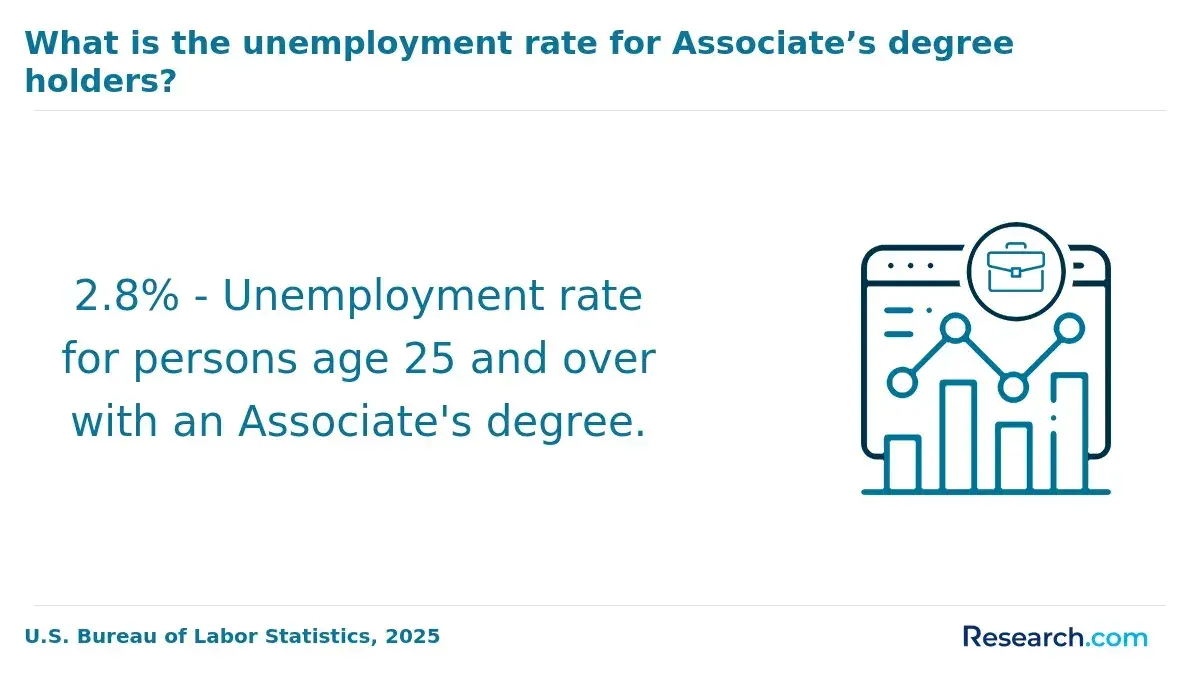
Programs aiming at graduate clinical careers in physical therapy (PT) or occupational therapy (OT) must prioritize regional accreditation coupled with programmatic accreditation recognized by the Council on Academic Accreditation in Occupational Therapy Education (CAA) or the Commission on Accreditation in Physical Therapy Education (CAPTE).
This combination ensures eligibility for licensure exams and access to clinical placements, essential steps often overlooked by those pursuing online exercise science degrees without these clear pathways. A student graduating from a regionally accredited online exercise science program lacking a well-defined route to a CAPTE-accredited Doctor of Physical Therapy (DPT) program may find significant barriers when applying to graduate programs or seeking state licensure.
Employers in rehabilitation clinics, hospitals, and outpatient settings consistently favor candidates emerging from accredited pipelines that align with licensure requirements and clinical competence. This preference corresponds with projected growth in occupational therapy jobs and median wages near $95,250, underscoring the cost-benefit tradeoffs tied to rigorous, accredited preparation.
Critical prerequisites such as comprehensive anatomy, physiology, kinesiology courses, and clinical observation are non-negotiable components in accredited online exercise science programs for clinical careers. Programs omitting these essentials can delay progression and inflate financial and time investments.
Prospective students evaluating the best accreditation for exercise science graduate programs in the US should also consider alignment with graduate prerequisites to avoid extended timelines or transfer complications.
For those interested in broader advanced degrees, insights on an online data science doctorate provide a comparative perspective on accreditation rigor and workforce relevance within demanding interdisciplinary fields.
How do online exercise science programs compare with campus options for labs and clinical experience?
Online exercise science programs often present a distinct challenge in securing the necessary lab and clinical experience compared to their campus counterparts. Campus-based programs integrate supervised, hands-on training within dedicated facilities and maintain formal partnerships with clinical sites, which aligns closely with employer and graduate program expectations for verifiable practical hours.
In contrast, students in online exercise science programs lab and clinical experience comparison reveal that online learners must navigate significant variability by independently arranging clinical placements, which may differ widely in quality and relevance.
This decentralized approach places substantial responsibility on students to access local clinical sites, impacting skill development and networking opportunities. Employers in rehabilitation and healthcare industries consistently prioritize candidates with direct, supervised clinical exposure, making campus programs more reliable for meeting these professional benchmarks.
Additionally, some online programs offer cost caps of $33,000 to $50,400 for 120-credit degrees, which introduces a tradeoff between affordability and consistent hands-on training.
When evaluating campus vs online exercise science clinical training effectiveness, students should consider local access to quality clinical experiences and their ability to supplement online curriculum with regional workshops or partnerships.
Without proactive planning, online students risk gaps in applied learning that campus programs are structured to prevent. For practical decision-making, review tuition ranges and program outcomes, such as those referenced in the data science master online affordability guides, to weigh your educational investment against your career trajectory.
What degrees and concentrations in exercise science are best for PT or OT pathways?
A focused degree in exercise science with concentrations in pre-physical therapy (pre-PT) or pre-occupational therapy (pre-OT) directly supports graduate admissions by combining anatomy, biomechanics, kinesiology, and therapeutic exercise.
Choosing a major with a rehabilitation science or therapeutic modalities emphasis aligns well with occupational therapy's functional independence goals, while biomechanics and motor control coursework better match physical therapy's corrective movement focus. Graduates without hands-on clinical practicum or shadowing risk weak applications, as PT and OT programs mandate verified practical exposure.
Online programs frequently offer comparable core instruction at equal or lower per-credit costs, making them a practical option for working students. Nevertheless, securing accessible clinical placements locally or via program partnerships remains a non-negotiable challenge that can limit some online learners.
Strengthening an application by selecting coursework in neuroscience or pathology supports OT's cognitive and sensory disorder requirements.
In contrast, PT candidates benefit more from exercise physiology and musculoskeletal assessment to meet employer standards and licensure expectations. Prospective students must also weigh graduate prerequisites carefully, as some mandate specific science credits or hands-on hours that restrict degree flexibility.
Practitioners transitioning into healthcare should prioritize programs offering accredited internships or clinical rotations, since these experiences directly affect licensure eligibility and post-graduation employment prospects. This real-world factor often dictates program selection more than institutional reputation.
What courses and competencies do online exercise science programs typically include?
Online exercise science programs aimed at preparing students for physical therapy (PT) or occupational therapy (OT) roles demand rigorous mastery of clinical and biomechanical competencies. These programs emphasize advanced anatomy, biomechanics, kinesiology, and motor control-foundational sciences vital for interpreting body movement and rehabilitation mechanics.
A significant portion of coursework also focuses on exercise physiology tailored to clinical interventions like therapeutic exercise and cardiovascular health management.
Candidates must master neuromuscular rehabilitation and clinical exercise testing, replicating real-world diagnostic challenges typical of PT and OT settings. Programs embed evidence-based practice training for critical appraisal of clinical research, which aligns with employer expectations to support evolving healthcare delivery models.
Those pursuing this path should evaluate program articulation agreements and clinical site networks, as these directly affect licensure timelines and employability in physical or occupational therapy fields.
The hybrid nature of practicums can strain working students, and the demand for strong prerequisite science proficiency can create substantial entry barriers. Navigating these challenges is essential for securing meaningful clinical placements and achieving workforce readiness.
What are typical admission requirements for online exercise science bachelor's and master's programs?
Entry into online exercise science bachelor's and master's programs hinges on strategic academic and experiential preparation tailored to advanced physical therapy (PT) or occupational therapy (OT) career tracks. Bachelor's applicants generally need a 2.5 to 3.0 GPA, a high school diploma or equivalent, and-where required-standardized test scores, though test-optional policies are increasingly common.
Foundational science courses in biology, chemistry, and anatomy are critical for succeeding in the advanced coursework of biomechanics and exercise physiology expected in these programs.
Master's level admission demands a completed bachelor's, often within exercise science or a related discipline, with a GPA usually above 3.0 and prerequisite classes such as human physiology, kinesiology, and research methods.
Candidates must also submit letters of recommendation and professional goal statements, alongside documenting practical experience through volunteer or clinical observation hours in PT or OT settings. This requirement disproportionately affects career-changing professionals balancing jobs with preparatory coursework or bridge programs.
Over 80% of leading online exercise science tracks integrate biomechanics, motor learning, and exercise physiology aligned with PT/OT graduate standards, minimizing remedial risks post-admission.
Applicants lacking sufficient science backgrounds often face extended timelines or need post-baccalaureate certificates to qualify, underscoring the importance of early and realistic credential planning to mitigate delays in clinical competency development.
How long do online exercise science programs take, and what do they cost?
Distance learning in exercise science often extends total program time beyond traditional campus-based degrees due to the necessary balance of work and family commitments. For example, a working adult enrolled part-time in a nominal 4-year bachelor's program may take 5 years or more to graduate, which increases overall tuition and incidental costs.
More than 60% of U.S. online exercise science degrees in 2025 required supervised practicums or internships, meaning fully remote completion options are limited; hands-on clinical placement remains a non-negotiable employer expectation in physical and occupational therapy preparation.
Cost considerations cannot be decoupled from program structure and clinical requirements. Public universities typically charge between $7,000 and $15,000 annually for in-state students, while private institutions often exceed $20,000 yearly.
Additional expenses for clinical placements and travel can add hundreds to thousands of dollars, impacting total investment. Choosing a cheaper fully online program without practical components risks undercutting job readiness and licensure eligibility in allied health professions.
Prospective students must evaluate tuition in the context of earning potential gains and realistic timelines. A nuanced cost-benefit analysis, factoring program format and clinical logistics, informs whether extended part-time enrollment or upfront expense is more strategically sound for career outcomes.
What jobs, salaries, and career outcomes can follow an exercise science degree?
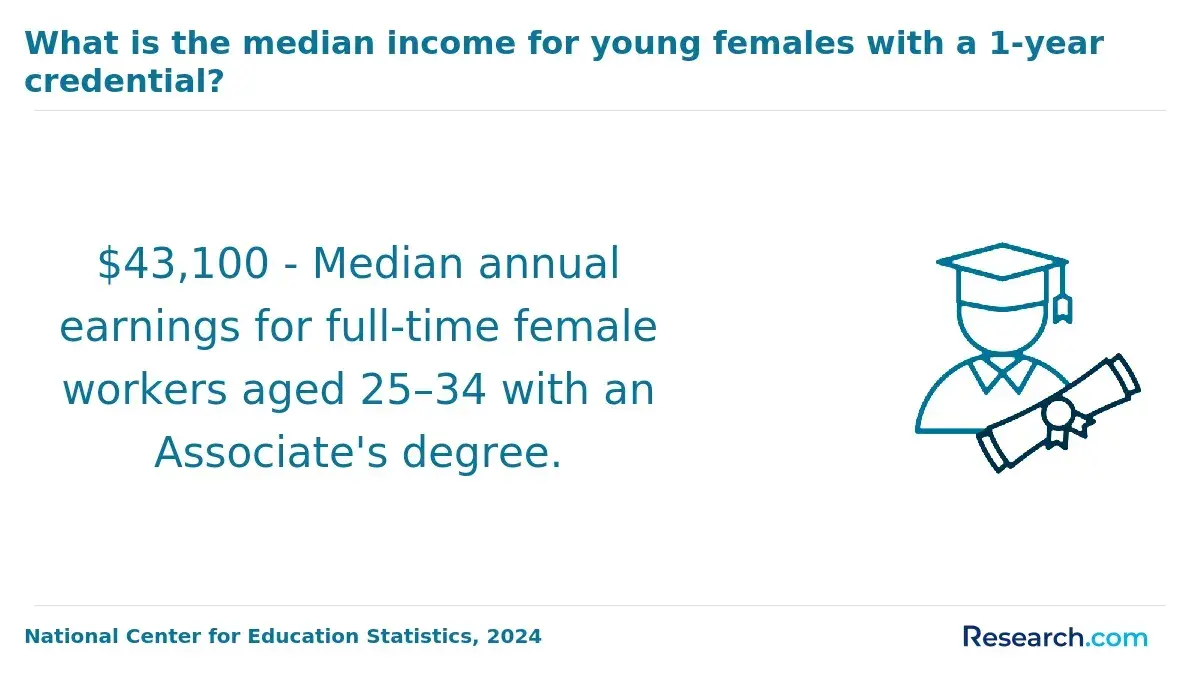
Choosing an exercise science degree is often a calculated step toward allied health roles such as physical therapy assistants, occupational therapy aides, or rehabilitation specialists, with typical entry salaries between $40,000 and $60,000. However, these roles tend to have limited salary ceilings and advancement without additional certification or graduate education.
Over 40% of online exercise science programs now integrate pre-physical or pre-occupational therapy tracks, allowing students to meet specific graduate school prerequisites without interrupting full-time work. For instance, professionals balancing a job can complete a pre-PT specialization online, streamlining the path to licensed therapy careers.
Employers prioritize candidates who pair academic credentials with tangible clinical experience, favoring graduates who have completed internships or assistantships. This practical exposure not only improves immediate employability but also influences earning potential, given that most assistant-level positions cap near $65,000. Graduates reliant solely on entry-level roles may find their career mobility constrained unless they pursue advanced licensure.
Key factors when evaluating exercise science programs include the specialization's alignment with licensure requirements, ability to maintain employment during study, and access to clinical placements. Graduates targeting PT or OT graduate programs benefit most from tailored curricula that limit redundant coursework and reduce time to credentialing, thereby cutting overall educational expenses.
How can prospective students evaluate and choose a reputable online exercise science program?
Choosing a physical or occupational therapy program without scrutinizing accreditation and measurable outcomes risks prolonging career entry and incurring avoidable expenses. Accreditation by CAPTE (for PT) or ACOTE (for OT) is non-negotiable for licensure eligibility and signals compliance with essential educational standards.
Programs boasting high licensure pass rates and successful graduate placement demonstrate proven effectiveness, critical in a labor market where mid-career therapists earn over $100,000 annually and rank in the top 25 health occupations for job stability, per U.S. Bureau of Labor Statistics data.
Practical training components like clinical practicums are indispensable for hands-on skill acquisition and meeting state requirements. Graduates from programs with robust clinical partnerships navigate diverse settings-hospitals, outpatient clinics, rehab centers-more confidently.
For working adults pivoting careers, asynchronous courses and part-time options reduce income disruption but may come at the cost of limited clinical exposure, potentially diminishing employer competitiveness.
Technology must support realistic simulation and accessible faculty engagement to replicate in-person rigor, especially in online delivery. Finally, weighing tuition against long-term earning potential and job demand clarifies return on investment.
These factors-accreditation, documented outcomes, clinical depth, flexible delivery, and financial practicalities-must collectively inform decisions for professionals targeting sustainable trajectories in physical or occupational therapy.
Other Things You Should Know About Exercise Science
Cohort-based programs offer structured timelines and peer interaction, which improves motivation and accountability but requires a fixed schedule that may conflict with work commitments. Self-paced options provide flexibility for working professionals but demand strong time management skills and can delay completion without external deadlines. For those aiming for PT or OT preparation, cohort-based models better mirror the intensive pace of graduate programs and support consistent progress through prerequisite content.
Many PT and OT programs no longer require the GRE, but some still do. Admission policies are set by each program, so applicants should verify current requirements on the program website before applying. Where required, schools usually list minimum section scores and test dates.
Reputation often reflects graduate success and employer trust, but curriculum specificity drives direct relevance to PT and OT prerequisites. Programs focused narrowly on clinical exercise physiology or biomechanics provide clearer preparation than broadly defined degrees. When choosing, prioritize curriculum content aligned closely with required competencies over brand recognition alone to ensure smooth graduate school admission and skill applicability.
Accreditation by recognized agencies ensures degree acceptance by graduate PT and OT programs and often shapes curriculum quality. However, overly rigid program formats may hinder working adults balancing career and study. Professionals must weigh accredited programs that offer flexible scheduling or part-time options against non-accredited but flexible ones-they should never compromise accreditation, as it directly impacts future licensure and graduate school eligibility.
References
- Master of Science in Exercise Science and Integrated Wellness – Online https://bastyr.edu/programs/master-science-exercise-science-and-integrated-wellness-online
- Online Exercise Science Degrees: Top School Review https://www.edumed.org/online-schools/exercise-science-degrees/
- Exercise Science B.S. https://manhattan.edu/academics/programs/exercise-science
- 5 Top Physical Therapy Majors to Prepare for a DPT | USAHS https://www.usa.edu/blog/5-best-undergraduate-degrees-for-physical-therapy/
- Three Up-and-Coming Careers for Health Science and Exercise Science Majors - La Sierra University Blog https://blog.lasierra.edu/three-up-and-coming-careers-for-health-science-and-exercise-science-majors/
- ESSA's career guide for Accredited Exercise Physiologists https://www.essa.org.au/Web/Web/Resources/Tools-and-templates/ESSA-AEP-Guide.aspx
- What is the Best Major for Physical Therapy? A Comprehensive Guide https://tlcnursing.com/blog/what-is-the-best-major-for-physical-therapy/
- Online Exercise Science Program https://stmary.edu/online-programs/exercise-science.html
- Exercise Science | York College of Pennsylvania https://www.ycp.edu/academics/programs/exercise-science
- B.S. in Exercise Science | Cornerstone University https://www.cornerstone.edu/programs/exercise-science/