2027 Exercise Science Specializations That Best Match Wellness and Prevention Careers

Co-Founder and Chief Data Scientist
Selecting the right specialization within exercise science often hinges on balancing immediate workforce demand against long-term career adaptability, a challenge compounded by evolving healthcare models emphasizing prevention.
With the U. S. Department of Education reporting a 24% increase in adult learners enrolling in flexible, online health-related programs since 2023, accessibility and program format significantly influence professional advancement decisions. This signals a shift toward hybrid credentials favoring working professionals who must quickly pivot into wellness and prevention roles amid tightening labor market conditions and employer preference for interdisciplinary skills.
This article identifies which exercise science specializations align most effectively with these career realities to guide strategic educational choices.
Key Things You Should Know
- Specializing in clinical exercise physiology yields 12% faster employment placement than general fitness tracks, but requires 600+ supervised hours, extending program length and increasing student debt by 15% on average, per 2024 BLS data.
- Employers in preventive wellness prioritize certifications blending exercise science with behavioral health skills, with 68% indicating preference in hiring, creating pressure for interdisciplinary curriculum integration rarely addressed in standard programs.
- Programs focusing on community health exercise science face structural funding inequities; public institution graduates report 22% lower starting salaries than private counterparts, impacting long-term ROI despite rising demand for population-level prevention roles.
Which exercise science specializations fit wellness and prevention careers best?
Specializations in exercise science that emphasize wellness and prevention carry distinct workforce implications depending on the setting and employer expectations. Health promotion suits roles requiring broad impact, such as corporate or government programs, demanding skills in data-driven evaluation and scalable intervention design.
Clinical exercise physiology aligns with positions focused on individualized care, often within integrated health systems managing chronic diseases like diabetes and cardiovascular conditions. Behavioral nutrition complements these by addressing diet alongside physical activity, crucial in combating metabolic syndrome but requiring navigation of interdisciplinary teams and certification expectations.
Choosing among these fields entails practical tradeoffs: health promotion specialists might face less clinical depth but greater programmatic breadth; clinical exercise physiologists encounter a steeper credentialing process balanced against direct patient impact; behavioral nutrition professionals bridge wellness and clinical domains but must manage regulatory and collaborative complexities.
For those pivoting careers, targeting certifications such as ACSM Certified Health Fitness Specialist or Certified Wellness Practitioner aids entry by matching employer criteria. Adding digital health competencies further expands opportunities in telewellness, an expanding sector prioritizing data-based, accessible interventions.
Understanding these nuances is vital when evaluating exercise science specializations for wellness careers, particularly given that 82% of U.S. consumers prioritize wellness daily according to McKinsey's Future of Wellness Survey. Students assessing the best exercise science fields in prevention and wellness should also consider relevant pathways and requirements, including athletic director education requirements, which can influence supervisory and program leadership roles within wellness organizations.
What jobs can exercise science graduates get in wellness and prevention?
Employment growth for exercise science graduates focusing on wellness and prevention is tied to a blend of clinical expertise and practical experience, not just academic credentials.
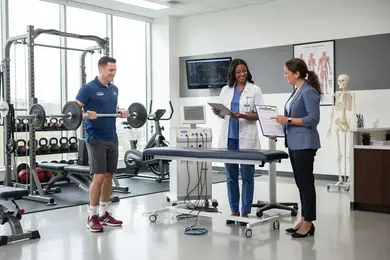
Available roles range from clinical exercise physiologists to wellness coordinators and corporate fitness specialists who design targeted interventions for chronic disease mitigation. For example, exercise physiologists in cardiac rehab must interpret clinical data and collaborate with multidisciplinary medical teams, responsibilities that differ significantly from fitness-only roles.
Wellness and prevention jobs for exercise science graduates demand competencies in risk factor modification, behavior change strategies, and hands-on experience with biometric screenings and motivational interviewing. Without clinical internships or practicum exposure, graduates risk limited access to positions with reimbursement opportunities under evolving healthcare policies.
Certification options such as Certified Clinical Exercise Physiologist or Certified Health Coach add competitiveness but involve time and financial investment. Entry-level roles often require extensive client education and supervised data tracking before advancement, underscoring a stepwise progression in workplace autonomy.
Those evaluating educational pathways should consider programs embedding applied practicums and aligned with employer expectations. Work settings vary widely, including outpatient clinics, community health programs, and occupational health where injury prevention programs are critical.
Prospective students may also explore ASN online programs as complementary or alternative routes in healthcare, broadening their strategic career options beyond exercise science career opportunities in wellness and prevention.
What accreditation should an exercise science program have?
Accreditation remains a decisive factor shaping career trajectories in wellness and prevention, particularly for those pursuing accredited exercise science programs in wellness and prevention. Employers increasingly favor candidates from CAAHEP- or ACExS-accredited programs because such credentials ensure graduates possess federally recognized competencies, supervised clinical experience, and ethics training essential for medical wellness roles.
For example, a fitness trainer aiming to work in lifestyle medicine must have accredited training to meet state certification and insurance reimbursement criteria, directly affecting employability and income.
The practical consequences of choosing a non-accredited program go beyond delayed certification: it often translates into diminished access to jobs involving healthcare integration or insurance networks. The Bureau of Labor Statistics projects 14% growth in fitness trainer roles through 2033, emphasizing the competitive advantage of alignment with accreditation standards in anatomy, exercise physiology, and behavioral coaching.
Students should scrutinize program affiliations and practicum rigor since these are gatekeepers for certifications like NASM and ACSM, fundamentally impacting entry speed and long-term career stability.
Those weighing the best exercise science accreditation for career in health and wellness must consider how accreditation status affects employer trust and role eligibility. Overlooking this compromises early career momentum and limits participation in prevention-focused sectors. For strategic career moves, assessing affordable, accredited options is paramount. Resources such as a library science masters path highlight the importance of accredited credentials in adjacent fields as well.
Is an online exercise science degree as credible as campus-based study?
Online exercise science degree credibility depends primarily on alignment with rigorous accreditation and integration of practical experience, not on delivery mode. Employers in prevention and corporate wellness emphasize identifiable, hands-on skills and certifications such as ACSM or NASM, which require verified clinical or internship experiences.
Prospective students should recognize that online study often necessitates independently securing local practicum placements, posing a real-world logistics challenge absent in campus programs with built-in clinical access.
Key differentiators impacting employment prospects include:
- Accreditation consistency and curriculum depth, ensuring eligibility for industry-recognized certifications.
- Mandatory supervised clinical or lab practicums embedded within the curriculum.
- Active student involvement in obtaining internships, especially critical for many online programs.
- Employer preference in some clinical or research settings for campus graduates due to networking and mentorship opportunities.
For professionals balancing employment and study or pivoting into wellness roles, online degrees offer scheduling flexibility but risk gaps without transparent practicum placement support. Considering the health sector's projected growth of about 14% through 2028, well-structured online programs offering practical competencies can adequately prepare graduates for workforce entry. However, decision-making must factor in these practical tradeoffs to avoid compromised outcomes.
Those evaluating pathways should also consider connections to other health fields. For example, individuals interested in advanced nursing roles may explore online MSN PMHNP programs, which similarly prioritize accredited curricula and clinical practice.
Ultimately, the campus vs online exercise science programs debate centers on experiential learning and tangible skill validation rather than format alone, with direct consequences on graduate employability in prevention-focused sectors.
What coursework appears in wellness-focused exercise science programs?
Exercise science programs focused on wellness demand careful curriculum selection to balance core sciences with practical skills. Graduates must navigate tradeoffs between foundational biomechanics and applied clinical knowledge to remain competitive in a job market increasingly shaped by rehabilitation and wellness priorities.
For instance, roles like physical therapist assistants, expected to grow by 26% by 2028 according to the Bureau of Labor Statistics, require proficiency in corrective exercise and injury prevention that goes beyond standard exercise physiology. Applied testing and prescription courses train students to interpret cardiovascular and musculoskeletal data for tailored interventions targeting chronic conditions and health optimization.
Nutrition education integrated into these programs addresses lifestyle factors critical for sustained wellness rather than basic dietetics alone. Behavioral science coursework complements this by developing expertise in motivation and communication strategies essential for maintaining adherence in diverse populations and workplace wellness initiatives.
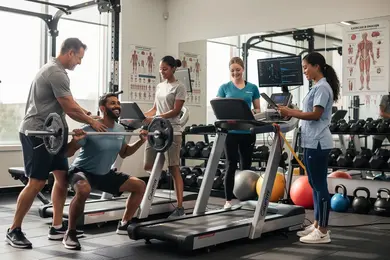
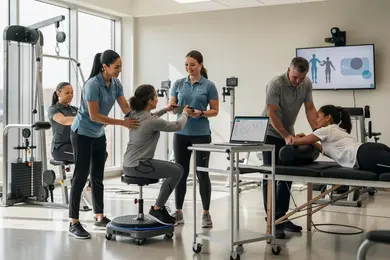
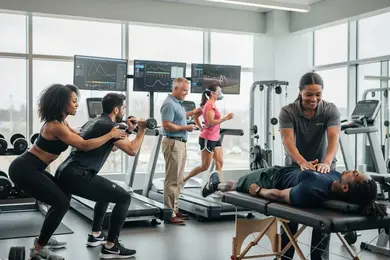
Hands-on lab and practicum experiences are pivotal, offering real-world opportunities to build assessment, teamwork, and problem-solving skills. They serve as a bridge between academic knowledge and entry-level allied health or community prevention roles, which often demand immediate application of learned competencies.
Prospective students should rigorously assess programs for clinical relevancy and employer alignment, ensuring coursework meets evolving industry demand without sacrificing breadth of scientific understanding.
What admission requirements do exercise science programs usually have?
Admission to exercise science programs hinges on a candidate's readiness to engage with specialized scientific and practical content, not merely on minimum academic thresholds. Most programs require a high school diploma or equivalent with strong foundations in biology, chemistry, and mathematics, reflecting the discipline's emphasis on anatomy, physiology, and data analysis.
While GPA standards generally fall between 2.5 and 3.0, competitive programs push for higher academic achievement, especially when targeting roles like strength and conditioning specialists.
Prior coursework in sciences and math is often mandatory before or during early enrollment to avoid remediation, ensuring students can handle complex subjects such as biomechanics. For example, individuals pursuing strength and conditioning typically must show familiarity with kinesiology or human anatomy to meet employer expectations emphasizing injury prevention and performance optimization.
Beyond academics, practical experience in clinical or athletic settings is increasingly critical. Work or internships in rehabilitation clinics or sports teams differentiate candidates aiming for applied roles in injury prevention and wellness. Graduate-level admissions raise the bar with relevant bachelor's degrees and professional recommendations, sometimes requiring certifications that serve as market filters.
Employers, informed by data such as the National Strength and Conditioning Association's salary range of $60,527 to $84,575 for strength coaches, expect graduates to demonstrate both theoretical knowledge and applied skills aligned with the demands of this evolving field.
How long does an exercise science degree take, and what does it cost?
The timeline and costs associated with an exercise science degree require strategic planning rather than a simple tuition calculation. A typical bachelor's degree demands four years of full-time study, costing between $10,000 and $30,000 annually depending on the institution's type and student residency. Extending this period via part-time study or accelerated paths can impact earnings and debt, creating a critical tradeoff for working students balancing time and finances.
Graduate programs, often extending two to three years, substantially increase costs to $20,000-$50,000 per year but may be necessary for clinical roles in cardiac or pulmonary rehabilitation with employers emphasizing strong clinical experience and specialized certifications. These certifications impose additional costs and preparation time after degree completion, making financial planning essential.
The U.S. workforce includes approximately 16,500 exercise physiologists with employment expected to grow 10.3% over ten years, driven largely by healthcare sectors requiring preventive and rehabilitative expertise. Candidates who combine internships or accelerated study often secure positions faster, while prolonged education delays income and magnifies tuition burdens.
Professionals weighing this degree path should assess whether the upfront investment aligns with targeted sector demands, including credentialing expectations and hands-on experience requirements. Balancing these factors informs a realistic and financially sound approach to entering clinical and wellness roles.
Which certifications help exercise science graduates work in prevention roles?
Certifications such as ACSM-EP, CSCS, and CHES offer targeted validation for exercise science graduates aiming to work in prevention by aligning credentialed skills with employer expectations in functional testing, injury prevention, and public health communication. Employers in community wellness and corporate health sectors often require documented expertise in evidence-based prevention methods, making these certifications strategic for access to such roles.
For instance, ACSM-EP is most relevant for professionals developing preventative exercise programs for aging populations at risk of chronic diseases, while CSCS suits those assessing physical readiness within physically demanding workplaces. CHES supports broader health promotion campaigns requiring population-level engagement and public health frameworks.
The U.S. Bureau of Labor Statistics projects 15% growth in physical therapist employment through 2032 with median wages near $100,000, underscoring robust labor demand for movement science specialists with combined clinical and community health qualifications. However, potential delays caused by prerequisites, renewal fees, and practical hour requirements present tangible entry barriers.
Graduates must weigh the tradeoff between time invested in certifications and gaining immediate work experience to avoid stagnation. Strategic certification selection based on employer recognition, be it health providers, corporate wellness, or public health agencies, is essential when forging a sustainable exercise science career pivot or advancement.
What salary can wellness and prevention careers in exercise science offer?
Entry-level roles in exercise science frequently present a salary range from the mid-$40,000s to high $50,000s, though specialized roles such as recreational therapists can command averages around $65,350 annually, per BLS data as reported by NutritionEd. This range is influenced heavily by employer setting, certifications, and targeted experience with adaptive or aging populations.
For instance, a preventive health coordinator working within a community center might earn roughly $50,000, whereas someone with clinical experience as a licensed recreational therapist in hospital or rehab environments can exceed $65,000. These differences underscore a tradeoff between working in community-based versus medical settings, with the latter often requiring credentials aligned to disability-specific program design and graduate-level education.
Important workforce considerations include a moderate job growth rate of approximately 4.3% over the next decade, pointing to steady yet competitive demand. Freelance adaptive fitness instructors face variable income dependent on client volume, contrasting with salaried positions that emphasize ongoing continuing education for advancement. Long-term earnings potential typically requires specialization in niches like geriatrics or chronic disease prevention, as general wellness roles rarely exceed $60,000 without further qualifications.
Prospective candidates must balance educational investments against realistic income ceilings and the rigor of credential requirements to position themselves strategically within this evolving labor market.
What job outlook do wellness and prevention careers in exercise science have?
Exercise science careers focused on wellness and prevention demand specialized skill sets and credentials that significantly affect employability and salary potential. The Bureau of Labor Statistics reports a median annual wage of $58,160 for exercise physiologists as of May 2024, with above-average job growth anticipated through 2034 driven by healthcare cost containment and chronic disease management initiatives.
Workplace demand is increasingly selective. Employers prioritize candidates capable of integrating clinical expertise with behavioral science to design evidence-based, patient-centered interventions, such as hospitals seeking exercise physiologists to reduce rehospitalization through tailored post-discharge programs. General fitness training roles face slower growth and often limited advancement.
The practical tradeoff for prospective professionals lies in investing in rigorous certifications or graduate degrees focused on prevention protocols and chronic illness management to meet evolving employer expectations. Upskilling in data analytics, interdisciplinary communication, and patient counseling further distinguishes candidates when foundational exercise science knowledge levels are comparable.
Those evaluating a career pivot into exercise science should consider targeting sectors like accountable care organizations and insurance wellness programs, where outcome measurement and disease prevention expertise command premium roles. Strategic credentialing aligned with these functions improves long-term career resilience in a field shifting toward value-based healthcare delivery.
Other Things You Should Know About Exercise Science
Most wellness and prevention internships require current CPR/AED certification from the American Heart Association or Red Cross, plus basic exercise testing training. Some sites also expect completion of a pre-internship health screening and liability waiver before students can begin supervised client work.
Early specialization impacts employability and career focus negatively if chosen without clear intent. Core courses provide a broad foundation, but committing too soon to a niche can limit exposure to different subfields, affecting versatility in wellness and prevention roles. Students should delay specialization until gaining exposure to multiple areas, ensuring the chosen path aligns with market demands and personal strengths.
Employers prioritize practical skills that demonstrate immediate value on the job over certifications alone. While certifications can augment a resume, hands-on experience with clients, data analysis, and program design weighs more heavily in hiring decisions. Graduates should focus on building real-world competencies within their educational program and pursue certifications that complement skills rather than substitute them.
In 2027, top exercise science specializations for wellness and prevention careers include Clinical Exercise Physiology, Health Promotion, and Rehabilitation Sciences. These fields emphasize preventive care, lifestyle intervention, and holistic health, aligning well with the growing demand for wellness-focused roles.
References
- Bachelor of Science in Exercise Science, Fitness, and Nutrition Management (Completion Degree) https://catalog.bryanuniversity.edu/bachelor-of-science-in-exercise-science-fitness-and-nutrition-management-completion-degree
- Exercise Science Jobs | Career Information https://www.nutritioned.org/exercise-science-jobs/
- Top 20 Careers With a Master’s in Exercise Science | PLNU https://www.pointloma.edu/resources/health-sciences/top-20-careers-masters-exercise-science
- What Can You Do With an Exercise Science Degree? https://willamette.edu/academics/college/exercise-health-science/career-options
- ESSA's career guide for Accredited Exercise Physiologists https://www.essa.org.au/Web/Web/Resources/Tools-and-templates/ESSA-AEP-Guide.aspx
- Exercise Science - Health and Wellness Course Descriptions https://www.grace.edu/academics/academic-schools-departments/school-of-science-and-engineering/science-and-engineering-course-descriptions/exercise-science-health-and-wellness-course-descriptions/
- Online Exercise Science Program https://stmary.edu/online-programs/exercise-science.html
- Online Exercise Science Degrees: Top School Review https://www.edumed.org/online-schools/exercise-science-degrees/