2027 Online Exercise Science Degrees With Practice-Ready Performance Curricula

Co-Founder and Chief Data Scientist
Professionals seeking to enter or advance in exercise science face a pressing challenge: accessing comprehensive, practice-oriented education without sacrificing current employment or relocating. Traditional programs often demand rigid on-campus attendance and lengthy time commitments, limiting options for working adults.
Meanwhile, the U.S. Department of Education data from 2024 shows a 14% surge in online degree enrollment among adult learners, signaling a growing preference for flexible, career-compatible learning. This reflects the need for curricula that integrate experiential training and real-world application without logistical barriers.
This article examines online exercise science degrees designed with practice-ready performance curricula to help students navigate these constraints and optimize career outcomes.
Key Things You Should Know
- Workforce data from the U.S. Bureau of Labor Statistics projects 11% growth for exercise science-related careers through 2032, pressuring programs to prioritize hands-on clinical exposures despite rising tuition averaging 18% above national college costs in 2024.
- Employer surveys reveal a widening skills gap in kinesiology graduates lacking integrated biometric analytics and telehealth competencies, forcing curriculum reforms that extend program durations by up to 20%, impacting time-to-employment.
- Hybrid program adoption rose 38% in 2025, increasing access but introducing tradeoffs between virtual practicums' costs savings and diminished real-world physical assessment proficiency demanded by 72% of hiring managers surveyed by a national exercise science association.
What is an online exercise science degree and how does it prepare practice-ready professionals?
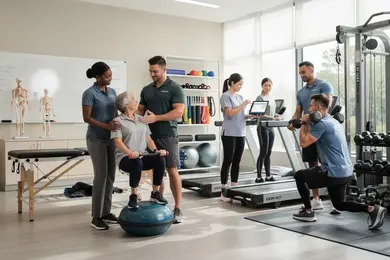
Online exercise science degree programs in the US present a practical balance between theoretical knowledge and applied skills, targeting students who require flexibility without sacrificing essential real-world experience.
A key operational challenge is securing supervised internships or clinical placements locally, which many programs address by forming partnerships with fitness centers, rehabilitation clinics, or sports training facilities. This model is particularly suited for working professionals or those in regions lacking access to traditional campuses.
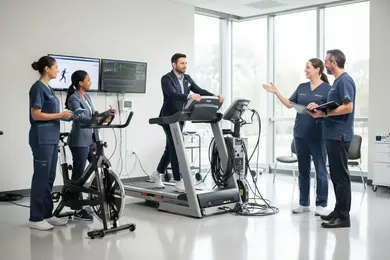
Students in these programs typically engage in hands-on learning through virtual labs and simulations while completing rigorous coursework remotely. Competence in client assessment and evidence-based program design tailored to specific populations—such as athletes or older adults—is emphasized to align with employer expectations in health clubs, hospitals, and corporate wellness settings. This focus also supports credentialing exam preparation, which has become a critical hiring factor.
Practical readiness hinges on program accreditation and students' ability to manage logistics for clinical hours alongside remote study commitments. Considering the labor market, exercise physiologists' employment is forecasted to grow 10% from 2023 to 2033, producing approximately 1,600 new openings annually according to data reported by Concordia University Chicago from the U.S. Bureau of Labor Statistics.
This underscores sustained demand for graduates who combine knowledge-based training with verifiable practice experience. For a strategic career pivot, prospective students should examine exercise science degrees online carefully to match program strengths with their professional goals and constraints.
Practice-ready exercise science careers after graduation depend on these nuanced decisions around program selection, practical experience, and market alignment.
How do online exercise science programs compare to campus-based options for hands-on training?
Online exercise science programs' hands-on training effectiveness hinges on students' ability to secure local clinical placements independently. Unlike campus-based options that embed in-person supervised labs facilitating immediate skill application, online learners must proactively navigate logistical complexities to meet practicum requirements.
This affects time to credentialing and preparedness for employers, especially in hospitals or government settings where practical experience aligns directly with expectations and median wages above $58,160.
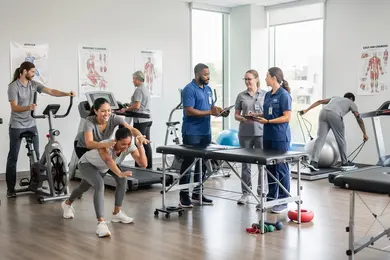
Campus programs integrate essential skills early through supervised practice—such as exercise testing, client assessment, and rehabilitation protocols—accelerating workforce readiness. By contrast, online students benefit from flexible scheduling but must engage with healthcare providers or employers to complete required hours, potentially prolonging program duration.
Programs offering synchronous virtual labs can partially bridge practical gaps, but tactile training remains difficult to replicate remotely.
For careers demanding specialized environments like hospital rehabilitation units, proximity to hands-on clinical experiences enhances employability. Those balancing work commitments may accept decentralized practicum tradeoffs but should verify the quality of clinical partnerships to meet regional certification standards. Early coordination with advisors is critical to integrate supervised practice smoothly and sustain competitiveness in the workforce.
Students considering an animal science bachelor degree online program or similar should weigh these practical challenges carefully when comparing campus-based and online exercise science practical experience.
Which accreditation and program approvals should online exercise science degrees have in the U.S.?
Regional institutional accreditation recognized by the U.S. Department of Education or CHEA remains the baseline for credible online exercise science degree programs in the United States. This foundational approval, such as from the Higher Learning Commission or Southern Association of Colleges and Schools, affects eligibility for federal financial aid and institutional legitimacy.
More specialized programmatic accreditation—like that from the Commission on Accreditation of Allied Health Education Programs (CAAHEP) or endorsement by the American Kinesiology Association—directly impacts graduate preparation and alignment with industry standards.
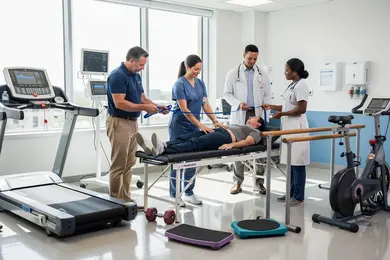
Employers and credentialing bodies typically require degrees from recognized programs to qualify for certifications, including ACSM Certified Exercise Physiologist. For example, someone targeting clinical roles such as cardiac rehabilitation must attend programs with accredited internship or practicum components that ensure supervised hands-on training, distinguishing credible curricula from purely theoretical ones.
Those pursuing strength and conditioning roles may prioritize programs emphasizing applied biomechanics or sports science modules.
Students evaluating U.S. accredited online exercise science degree programs should weigh the tradeoff between tuition costs and expected salary outcomes. The OnlineU 2026 Best Online Exercise Science Degrees report notes a median alumni salary of $50,705 against average annual tuition of $15,150, suggesting the importance of selecting programs that deliver practical employment value rather than non-transferable coursework.
This approach parallels decisions students face in related fields where accreditation and curricular rigor shape career trajectories, such as in library science degrees online.
What performance-focused courses and lab experiences are included in exercise science curricula?
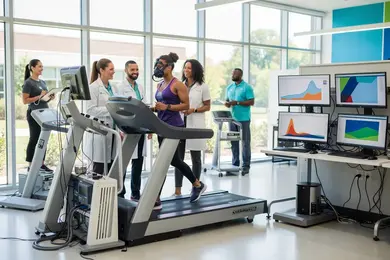
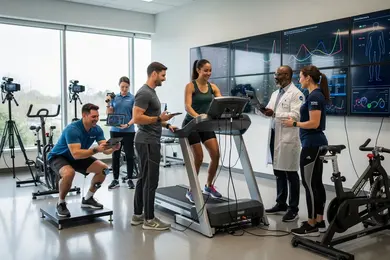
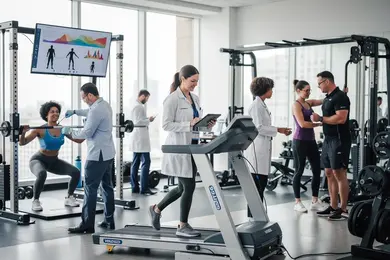
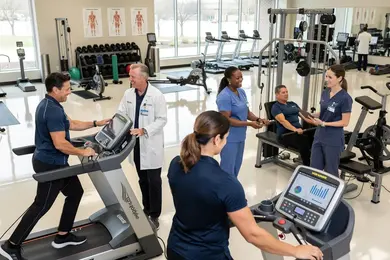
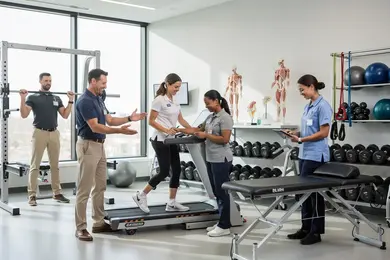
Employers in exercise science increasingly require graduates with robust, practice-ready lab experiences for exercise science students that directly correlate with workforce needs. Programs emphasizing applied physiology, biomechanics, and functional assessment equip students with skills such as gait analysis using motion capture—essential for rehabilitation or sports performance roles.
Laboratories focused on neuromuscular testing and joint mobility assessments prepare candidates for clinical settings where measurable outcomes matter.
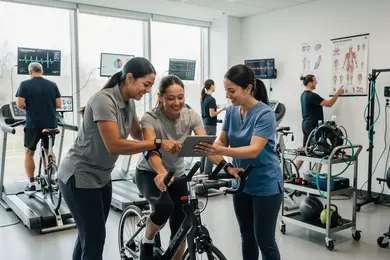
The integration of metabolic testing and individualized exercise prescription through labs or supervised practicums bridges theory with decision-making applied in cardiac rehabilitation or physical therapy contexts. Mastery of real-time biometric data interpretation from wearable devices is becoming a baseline expectation, supported by curricula including data analytics and lab validation techniques critical for performance monitoring careers.
Workforce projections show a 13% growth in exercise science-related jobs through 2026, with top-tier salaries reaching approximately $78,810 annually, highlighting demand for graduates with validated experiential learning. Without substantial lab exposure, candidates face challenges entering competitive clinical or sports performance positions. The choice of programs lacking rigorous, hands-on training risks delayed career entry or stagnation in entry-level roles.
Additionally, this applied skill set facilitates strategic career pivots into allied health sectors by reducing preparation time for certification exams and enhancing early professional credibility. For students considering adjacent paths, comparison with fields such as online psych NP programs—where practical readiness similarly dictates employability—illuminates the necessity of embedded hands-on experiences across disciplines.
What are typical admission requirements and prerequisites for online exercise science bachelor's programs?
Admission criteria for online exercise science bachelor's programs often create practical barriers that directly impact time-to-degree and workforce entry. Typically requiring a high school diploma with a 2.5 to 3.0 GPA minimum, these programs also demand foundational coursework in biology, chemistry, and mathematics to ensure scientific literacy.
Many competitive programs insist on personal statements or essays to gauge applicant motivation, a gatekeeping step that can challenge those shifting careers without a relevant background.
Prerequisites such as college-level anatomy and physiology, general chemistry, and introductory statistics or kinesiology frequently slow academic progression for transfer or non-traditional students unless these credits are already secured. Without these courses, advancing through specialized exercise science content is untenable. Working professionals should weigh the cost of fulfilling these prerequisites against potential accelerated credit options before committing.
Practicum and fieldwork components introduce additional hurdles: proof of health clearance and liability insurance are standard, reflecting the increasing integration of exercise science roles into hospital settings—currently in 25% of hospitals and expected to double. These requirements highlight the need for documented readiness in healthcare environments, including possible vaccine records and background checks.
How long do online exercise science degrees take, and what schedules suit working adults?
Online exercise science degrees commonly span two to four years, with length largely dictated by enrollment status and course load. Accelerated tracks, while shortening time to completion by increasing coursework or applying prior credits, generally require full-time dedication, which can be impractical for working adults balancing employment and family.
Part-time, asynchronous options offering flexible deadlines better accommodate professionals who need to maintain income while gaining credentials—for example, a full-time athletic trainer might complete two to three courses per semester over three to four years, preserving job continuity.
Programs incorporating evening or weekend virtual labs alongside mandatory practicum placements provide practical alignment with irregular work schedules in fitness or strength and conditioning roles. These hybrid structures allow continued client engagement but demand proactive local internships, which cannot be fulfilled online yet remain essential for certification and employer recognition.
Employment outlook data indicates a median athletic trainer salary around $60,250 annually and an expected 11% job growth rate through 2034, adding approximately 2,400 openings yearly—driven by enduring sports participation.
This dynamic market favors candidates who complete their degrees and practicum requirements efficiently to avoid delayed labor force entry, emphasizing the need for curricula that meet current certification standards and timely clinical experiences.
What does an online exercise science degree cost, and what financial aid options are available?
Investing $15,000 to $40,000 in a full online exercise science bachelor's degree requires careful evaluation of cost versus career outcomes. Public institutions, especially community colleges, can offer tuition rates under $200 per credit hour for in-state students, while private schools and niche programs may charge upwards of $500 per credit, significantly increasing total expenses.
Beyond tuition, students should anticipate fees for textbooks, lab work, and practicum experiences—essential elements that directly impact hands-on training quality and professional readiness.
Financial aid options vary but prominently include federal grants like the Pell Grant, institutional scholarships, and employer tuition reimbursement. Military benefits and Workforce Innovation and Opportunity Act funding may be available to career changers, providing critical support during transitions. However, scholarships are competitive and often merit-based, so relying solely on them is risky.
An online degree's value hinges on alignment with employment goals and credential recognition. The U.S. Bureau of Labor Statistics forecasts steady demand for fitness trainers and instructors, with a median annual salary near $46,180 and a 12% employment growth through 2034.
Choosing programs that integrate practical certifications or licenses can reduce friction in job placement, whereas programs lacking such pathways may limit immediate employability despite lower cost.
What careers can exercise science graduates pursue in fitness, sports, and clinical settings?
Exercise science graduates face a deliberate crossroads: immediate employment in applied fitness and sports roles or further credentialing to access clinical positions. In practice, about 20% step directly into jobs such as exercise physiologists, strength coaches, or rehabilitation specialists, relying on hands-on skills to design individualized programs in gyms and athletic settings. These roles demand not only technical knowledge but also client communication and motivation, with lower regulatory barriers than clinical fields.
Conversely, clinical employment typically requires advanced certification or graduate degrees—physical therapy, physician assistant programs, or medical school—as well as licensure. About 30% of graduates pursue these paths, often preparing through internships aligned with accredited healthcare providers to improve hiring prospects.
In clinical contexts, roles like cardiac rehabilitation specialists and clinical exercise physiologists necessitate in-depth understanding of pathology and medical oversight.
Graduates must weigh these pathways against labor market expectations, where certifications such as ACSM Certified Exercise Physiologist or NSCA Strength and Conditioning Specialist enhance competitiveness. The practical reality is a bifurcated workforce: direct employment is feasible in fitness and sports, while clinical roles impose higher entry requirements and delay workforce entry but typically offer greater job stability and scope.
What are salary expectations and job outlook for exercise science and related health professionals?
Doctoral credentials in exercise science correlate strongly with elevated starting salaries and faster full-time placement. Over 80% of PhD graduates secure positions within six months, earning between $80,000 and $120,000 annually depending on region and sector. These roles frequently involve academic research, clinical leadership, or advanced applied responsibilities in both public and private domains.
In contrast, entry-level practitioners without doctoral degrees typically start between $40,000 and $60,000 in positions such as exercise physiologists or rehabilitation specialists.
Geographic location heavily influences salary and opportunity. Urban centers with extensive healthcare systems or sports industries command higher wages but feature intensified competition. Rural or less populated areas yield fewer openings with relatively lower pay, demanding careful consideration of program costs and time invested versus local market realities.
Career outcomes in exercise science are sensitive to practical experience and recognized certifications. Employers favor candidates with hands-on skills and credentials in clinical exercise testing, strength and conditioning, or health coaching. Balancing internships or additional certifications with employment is often necessary to improve initial compensation and ensure sustained growth.
Projected job growth for exercise science professions stands at 11% through 2032, outpacing many occupations due to aging populations and preventive health emphasis. This labor market context should guide prospective students weighing the tradeoff between advanced education time and return on investment.
Which certifications or licenses can online exercise science graduates pursue to enhance employability?
Graduates with online exercise science degrees face distinct certification choices that directly influence employability and role eligibility. For specialized sectors like sports performance coaching or clinical exercise testing, certifications such as the Certified Strength and Conditioning Specialist (CSCS) or Certified Exercise Physiologist through the American College of Sports Medicine (ACSM) function as essential gatekeepers.
Conversely, credentials like Certified Personal Trainer (CPT) open broader fitness industry opportunities but fall short for clinical contexts, underscoring the importance of aligning certification with career goals.
State licensure adds a layer of complexity for healthcare-related paths. Roles involving cardiac or pulmonary patient care often require credentials like Licensed Clinical Exercise Physiologist, which necessitate navigating varying state regulations. Those pursuing physical therapy assistance or occupational rehabilitation must anticipate further certifications beyond a degree to meet legal and professional standards.
Employers typically seek a combination of certifications to balance theoretical knowledge and practical readiness—for example, pairing ACSM credentials with CPR/AED certification is a baseline expectation in many healthcare or wellness environments. Specialty certifications targeting youth or senior populations can also diversify potential job markets.
Considering a reported median early-career salary of about $50,705, candidates must weigh upfront costs, preparation time, and certification relevance against expected income improvement. Strategic credentialing minimizes mismatch risks between training investment and employer demand in a competitive hiring landscape.
Other Things You Should Know About Exercise Science
Employers recognize online exercise science degrees when they come from accredited programs with rigorous curricula and verified hands-on components. The key factor is demonstrable practical skills, which means students must complete externships, practicums, or lab work either locally or through affiliated sites. Graduates without substantial applied experience may face skepticism, so prioritizing programs that integrate verified supervised practice is crucial for employment competitiveness.
Not all online exercise science programs equally prepare students for certifications such as the ACSM or NSCA. Evaluate programs based on their targeted exam content alignment and availability of practitioner mentorship or guided study resources. Programs with integrated exam prep elements and applied case studies improve certification pass rates, so prioritize these over degree-only offerings that lack focused professional credential support.
Most programs require an in-person practicum, lab, or supervised fieldwork even when lectures are online. Expect 50 to 150 hours in settings such as fitness centers, rehab clinics, or athletic departments, plus background checks, liability insurance, and a site-approved preceptor or supervisor.
References
- Online Exercise Science Program https://stmary.edu/online-programs/exercise-science.html
- Online Exercise Science Degrees: Top School Review https://www.edumed.org/online-schools/exercise-science-degrees/
- Best Exercise Science Careers - Let's Find out! https://www.ptpioneer.com/personal-training/exercise-science-careers/
- Exercise Science News https://www.setonhill.edu/academics/degrees-programs/undergraduate-programs/exercise-science-bs.html
- Top 20 Careers With a Master’s in Exercise Science | PLNU https://www.pointloma.edu/resources/health-sciences/top-20-careers-masters-exercise-science
- Exercise Physiologist Career https://explorehealthcareers.org/careers/sports-medicine/exercise-physiologist/
- How Long to Get a Kinesiology Degree? | ValidGrad https://validgrad.com/blog/kinesiology-degree-duration/
- Exercise Science | Columbia College https://www.columbiasc.edu/academics/undergraduate/exercise-science
- Exercise Science Degree Programs & Career Guide 2025 https://www.nutritioned.org/exercise-science-degree/
- ESSA's career guide for Accredited Exercise Physiologists https://www.essa.org.au/Web/Web/Resources/Tools-and-templates/ESSA-AEP-Guide.aspx