2027 Online Exercise Science Degrees With Strong Employer-Relevant Exercise Science Skills

Co-Founder and Chief Data Scientist
Professionals pursuing career advancement in exercise science often confront a stark dilemma: how to gain employer-valued skills without interrupting full-time work. The growing demand for flexible education options responds to this need, yet traditional programs frequently lack alignment with real-world job requirements or structured pathways for skill validation.
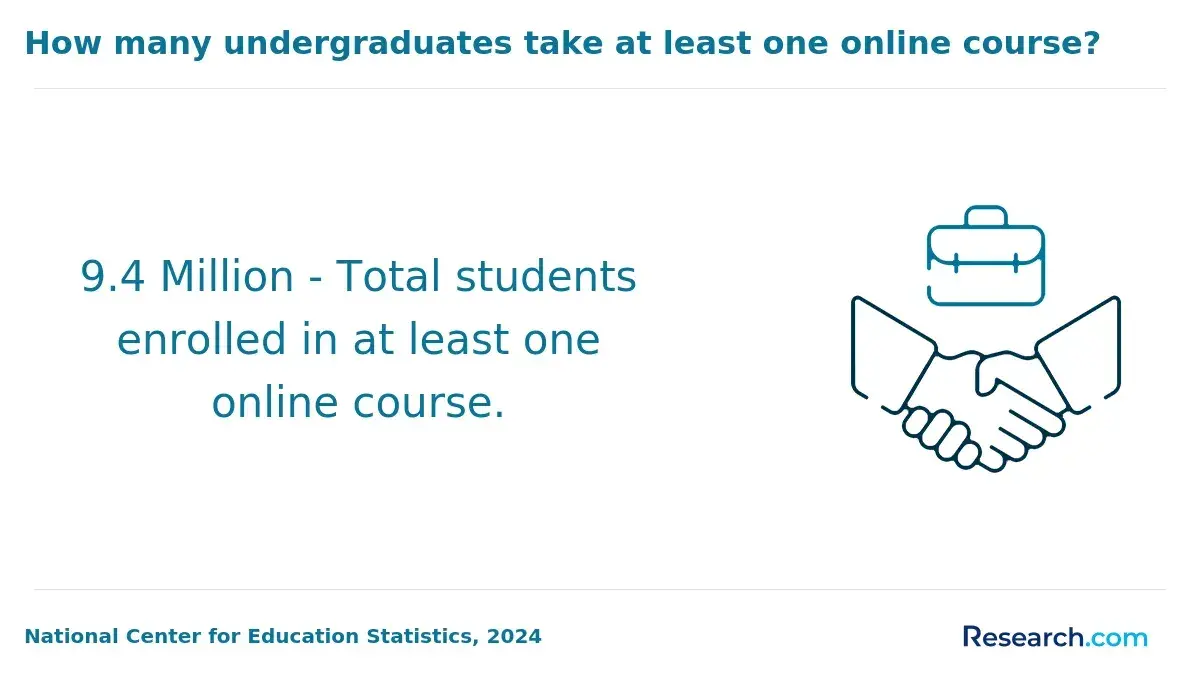
According to the National Center for Education Statistics, 45% of postsecondary enrollments in recent years consist of adult learners prioritizing online programs for their accessibility and adaptability. This trend signals a shift toward hybrid learning models catering to working professionals seeking timely skill acquisition and career mobility.
Identifying online exercise science degrees that combine rigorous curriculum with direct employer relevance and flexible delivery becomes essential. This article examines those programs equipping students with practical competencies that employers actively seek, thereby addressing challenges of timing, content applicability, and workforce integration.
Key Things You Should Know
- Employer surveys from the National Association of Colleges and Employers reveal 65% of exercise science job openings demand hands-on biomechanical analysis skills rarely covered fully in online degrees, pressuring programs to balance practical lab access with digital delivery.
- Labor projections from the U.S. Bureau of Labor Statistics anticipate 11% growth in exercise physiologist roles by 2032, intensifying competition that prioritizes accredited programs integrating both clinical and sports performance competencies, influencing hiring decisions for recent graduates.
- Average total cost for accredited online exercise science bachelor's programs rose 8% in 2024 per College Board, forcing candidates to weigh delayed workforce entry against potentially stronger employer recognition through in-person practicum investments.
What is an online exercise science degree and how does it compare to campus programs?
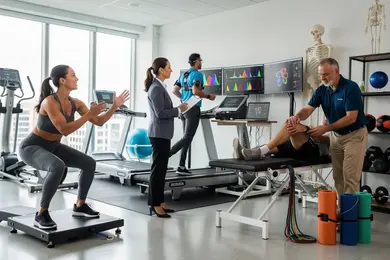
Choosing between online exercise science degree benefits and traditional campus programs demands careful evaluation of practical skill acquisition and workforce readiness. While online options offer flexibility for working professionals or those geographically distant, they often fall short in providing critical hands-on experiences required by employers and credentialing bodies.
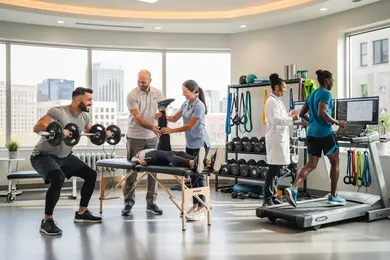
Consider a full-time physical therapy aide pursuing an online degree: gaining theoretical knowledge without income disruption is possible, but securing supervised clinical hours or local internships is essential to meet certification standards. Campus programs integrate direct lab access and face-to-face mentoring, accelerating skill mastery, though they may impose relocation or commuting burdens.
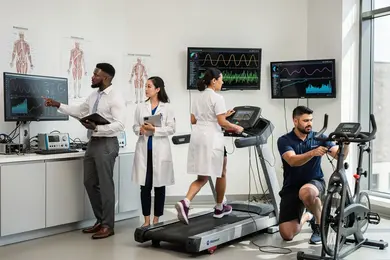
Online programs must compensate with high-quality virtual labs and remote mentorship, but certain competencies-such as biomechanical assessments and manual muscle evaluation-are difficult to replicate digitally. This gap can delay workforce entry or advancement in fitness, rehabilitation, or wellness coaching roles, fields projected to grow 6% to 14% through 2032.
Prospective students seeking to compare online and campus exercise science programs should also factor in employer expectations for applied skills alongside theoretical mastery. Aligning program delivery with access to clinical sites and hands-on training opportunities is critical to avoid extended timelines.
For additional context on career outcomes and labor market data, see insights on sports analyst salary.
Are online exercise science degrees accredited and recognized by employers?
Employer recognition for online exercise science degrees hinges primarily on regional accreditation and curriculum alignment with recognized industry standards. Without accreditation, graduates frequently encounter barriers to licensure and certification required in clinical or athletic environments.
Accredited exercise science programs with employer value supplement theoretical content with verified applied experiences such as internships and supervised fieldwork, often conducted through local partnerships. For instance, a student completing an accredited online degree paired with a practicum can effectively meet hiring criteria in cardiac rehabilitation or sports performance contexts where hands-on skills are non-negotiable.
Conversely, programs that omit experiential learning typically produce graduates less prepared for the operational demands of these roles, creating significant employment challenges despite the flexibility of online formats.
With the Bureau of Labor Statistics projecting 9% growth in exercise physiologist roles between 2024 and 2034, driven largely by replacement needs, employers will increasingly prioritize candidates holding both accredited credentials and verifiable practical skills.
Students considering online pathways must critically evaluate program accreditation and available internship opportunities aligned with state licensure requirements to avoid costly certification delays and limited access to professional networks. Neglecting these factors can curtail employment prospects and career progression within the exercise science sector.
Prospective students should research program outcomes carefully while comparing options such as ASN nursing online studies that emphasize structured practicum experiences, a model transferable as a benchmark in exercise science education.
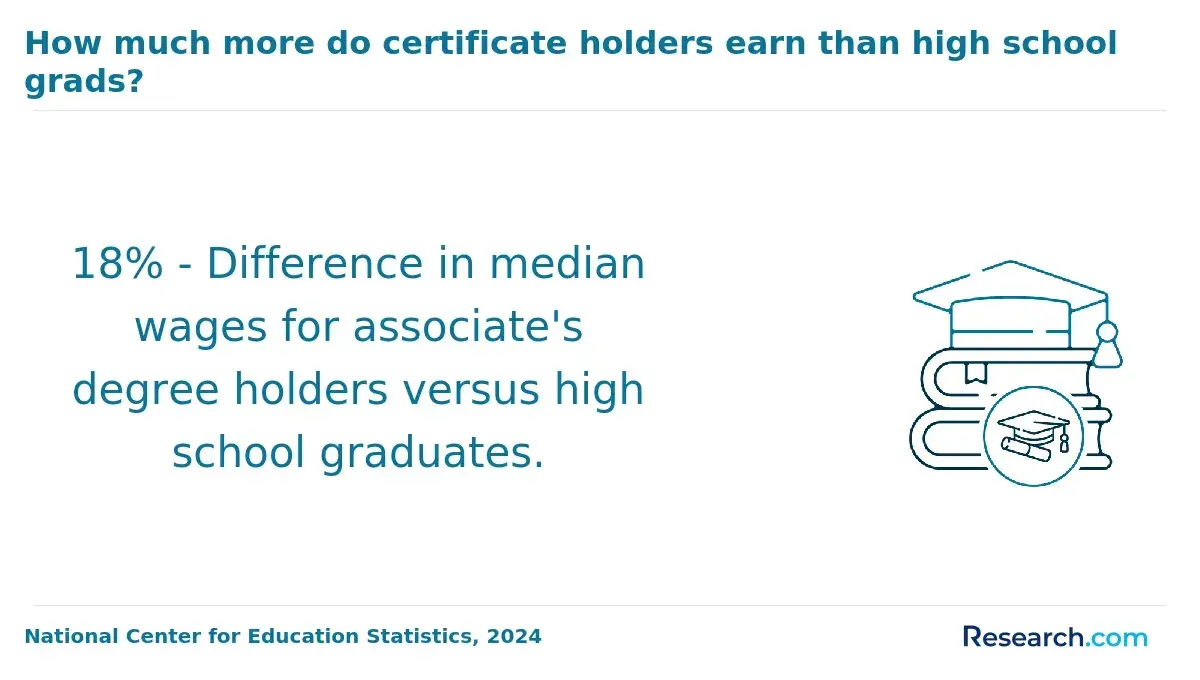
What exercise science skills and competencies do online programs typically develop?
Online exercise science skills employers seek center on competencies that translate directly into measurable client outcomes and interdisciplinary collaboration. Programs emphasize physiology, biomechanics, and kinesiology fundamentals combined with applied techniques such as cardiopulmonary testing and body composition analysis, essential for clinical, fitness, and rehabilitative roles.
Employer-relevant exercise science competencies in online programs extend beyond technical knowledge to creating individualized training protocols that incorporate injury prevention and chronic disease management. The integration of remote lab simulations and telehealth prepares graduates for digital health environments, but limited hands-on experience remains a challenge, often necessitating local internships or certifications to remain competitive in healthcare employment.
Analytical skills such as interpreting metabolic responses enable real-time adjustments to client programs, a key employer demand for results-driven practice. Soft skills, including collaboration with nutritionists and healthcare providers, also emerge through group coursework. A practical example: managing a corporate wellness program requires merging physiology insights with data communication skills fostered in online degrees.
Data from Methodist University report bachelor's-level exercise and sport science professionals earn about $68,000 annually, illustrating the market value of these competencies despite online education's experiential limits. Prospective students should weigh the tradeoffs of remote study, supplemented by strategic local experience, when considering a computer science degree online or comparable online paths for workforce alignment.
What careers can you pursue with an online exercise science degree?
Entry into careers in online exercise science degrees requires more than completing coursework; candidates must navigate certification, licensure, and practical experience demands that differ widely across regions and employers. Athletic training shows a robust labor market, with an 11% job growth projected through 2034 and median wages around $60,250, driven by expanding injury prevention initiatives in schools and sports organizations.
Exercise physiologists apply specialized skills in environments such as cardiac rehabilitation and corporate wellness, where chronic disease management and employer-relevant exercise science skills in the United States hold particular value.
However, transitioning into physical therapy assistant roles may present licensing hurdles, requiring strategic selection of programs that balance online flexibility with in-person clinical placements aligned with certifying bodies.
The degree lays foundational knowledge for strength and conditioning roles, yet additional credentials remain necessary to meet employer standards in collegiate and professional sports. Graduates should consider the tradeoff between geographical flexibility offered by online learning and the logistics of securing local practicum sites to enhance employment readiness.
Those evaluating this pathway must focus on programs offering supervised practicum that satisfy Board of Certification or ACSM requirements. For greater insight into comparable education pathways, the landscape of accredited MLIS programs can inform decision-making on program affordability and credential value across disciplines: MLIS programs.
What are the admission requirements for online exercise science bachelor's and master's programs?
Admission to online bachelor's programs in exercise science often hinges on STEM readiness demonstrated through transcripts in biology, chemistry, and algebra, with minimum GPAs typically between 2.5 and 3.0. Test-optional policies reduce reliance on standardized scores, but personal statements and recommendation letters remain critical in competitive contexts.
For working adults, leveraging prior college credits or certifications from bodies like ACSM or NASM can significantly shorten time to degree completion and align academic training with industry expectations.
Master's level candidates must hold an accredited bachelor's in exercise science or a closely related discipline, with a usual GPA minimum of 3.0. Though GRE requirements are fading, especially outside research-heavy programs, a professional resume spotlighting relevant work or internship experience is often mandatory.
This emphasis reflects employer demand for practical competencies, confirmed by projections for over 59,000 new jobs in exercise science-related fields by 2029.
Pragmatic considerations frequently shape program suitability. For example, clinical placements or internships remain indispensable for licensure but are often the hardest part of online study logistics. Choosing programs with established partnerships offers a clear advantage in securing these residencies. Applicants should assess how well programs facilitate such experiential learning, since failure to do so can delay employability outcomes or complicate compliance with state licensing.
How long do online exercise science degrees take and what do they cost?
Choosing between an associate and a bachelor's degree in exercise science fundamentally affects both time-to-completion and career trajectory. Associate degrees typically span two years and cost between $4,000 and $15,000, acting as a cost-effective entry point but generally limiting graduates to lower-tier roles with annual salaries around $35,000 to $40,000.
Bachelor's degrees require roughly four years and 120 credits, with tuition costs ranging widely from $9,000 to $48,000 depending on in-state or private status, but these are increasingly preferred by employers seeking specialized knowledge.
Specialized tracks, such as clinical exercise science or nutrition, offer differentiators that can elevate starting salaries to $60,000 or more. However, this often necessitates additional certification investments beyond the degree. Working professionals must weigh program length and price against immediate income needs and long-term career goals, recognizing that extended part-time enrollment may increase total costs without proportionate labor market returns.
Key considerations include:
- The tradeoff between accelerated paths and flexibility for those balancing employment.
- How focused specializations align with employer expectations and certification requirements.
- The diminishing value of generalized or shorter credentials in clinical or advanced roles.
Prospective students should evaluate programs based on detailed cost-per-credit analysis and labor market outcomes, ensuring choices support targeted employer demand.
What core courses and practical experiences are included in online exercise science curricula?
Selecting an online exercise science program requires weighing foundational coursework against applied, real-world competencies that employers emphasize. Core subjects like human anatomy, physiology, biomechanics, kinesiology, and exercise physiology form the indispensable theoretical base, yet their value is limited without corresponding practical application in fitness program design and client interaction.
Practical experience, often delivered via supervised internships or clinical practicums, can be the deciding factor for employment readiness. For example, a student aiming to become a fitness trainer in corporate wellness must master outcome tracking and behavioral coaching-skills better gained through hands-on experiences than purely virtual labs or case studies.
Key program features that align with workforce demands include:
- Nutrition science integrated with motor learning to support roles in nutritional counseling and skill acquisition.
- Experiential learning opportunities inside and outside traditional classrooms to develop proficiency with fitness assessment tools.
- Data-driven exercises that simulate real assessments, enhancing both analytical and client-facing skills.
The Bureau of Labor Statistics projects a 14-15% growth for fitness trainers and instructors through 2032, signaling consistent demand but also rising employer expectations for applied expertise rather than solely academic credentials.
What certifications or licensing pathways align with exercise science degrees?
Aligning certification and licensing with targeted career paths in exercise science requires balancing time, cost, and workforce demands. Graduates aspiring to roles in high-performance coaching typically need the Certified Strength and Conditioning Specialist (CSCS) credential, which emphasizes exercise physiology and program design essential in elite sports.
Conversely, those pursuing rehabilitation or allied health must often combine accredited certifications with state licensure, such as physical therapist or occupational therapy assistant credentials, adding layers of regulatory and practical requirements.
Beyond foundational credentials, employer expectations now strongly favor candidates with digital literacy, particularly skills in biometric data analysis and telehealth technologies. These competencies are not consistently included in traditional certifications but are increasingly necessary in community health or rehabilitation settings.
For example, a rehabilitation clinic hiring a physical therapy assistant may prioritize applicants who can navigate AI-driven patient monitoring tools, reflecting a shift in workforce capability demands.
Additional certifications like the American College of Sports Medicine's Certified Exercise Physiologist provide clinical assessment skills valued in healthcare, though candidates must weigh the investment in supervised hours and continuing education against tangible employability gains.
Approximately 40% of exercise science graduates move into data-intensive roles, highlighting the advantage of programs that integrate both hands-on clinical skills and digital analytics training.
Strategically, the most employer-relevant pathways combine state licensure with certifications emphasizing digital health analytics. Graduates should critically assess their industry segment's standards, including whether supplemental data science training is necessary to remain competitive amid the evolving demands of health and performance professions.
What is the salary outlook and job demand for exercise science graduates?
Exercise science graduates face a wage landscape shaped by regional differences and distinct employer expectations, making local market knowledge essential for informed career decisions.
In Australia, these professionals earn median weekly wages around AU$1,067 with a notable 38% part-time engagement, reflecting a balance between income stability and flexible work arrangements. This equates roughly to an annual full-time salary near AU$55,484, a useful benchmark when evaluating U.S. salary offers adjusted for cost of living.
U.S. employment projections for related roles, including strength coaches and occupational therapists, predict an 8% growth by 2030-outpacing overall job market averages but accompanied by competition for entry-level positions often marked by lower pay and part-time hours.
Practical distinctions such as ACSM Certified Exercise Physiologist certification or clinical experience influence starting salaries more than academic pedigree. For example, a rehabilitation clinic prioritizing hands-on patient mobility work may favor candidates with clinical internships over those with stronger theoretical backgrounds.
Specialization in data analytics or chronic disease management correlates with higher earning potential and access to roles in metropolitan healthcare or corporate wellness sectors. Without these skills, graduates risk wage stagnation and reduced opportunities outside urban centers.
Students should select programs emphasizing applied experience, professional networking, and certification pathways to mitigate underemployment risks.
How can you evaluate and choose a high-quality online exercise science program?
Choosing an online exercise science program requires more than verifying accreditation; it demands scrutiny of how the program integrates applied learning with professional standards. Accreditation by respected bodies such as CAAHEP ensures baseline curricular quality, but in fields like clinical exercise physiology, hands-on practicum experience is indispensable.
Without local or partnered lab access, graduates risk entering the workforce underprepared for real clinical environments.
Faculty credentials directly influence program relevance. Instructors engaged with current certifications and research maintain curriculum alignment with evolving employer expectations and certification paths, such as those mandated by the American College of Sports Medicine (ACSM). This connection is especially important for students pursuing licensure or specialized roles where credentialing agencies set firm prerequisites.
Job placement and internship opportunities often differentiate programs for career changers or newcomers to healthcare. Robust employer networks-hospitals, rehabilitation centers, or fitness organizations-translate into more effective skill application and higher job market competitiveness. Remote programs that minimize synchronous interaction or mentorship risk diminishing these outcomes.
Financially, graduates of accredited programs report median earnings between $40,000 and $85,000+, per NutritionED citing BLS data, reinforcing that meaningful return depends on a program's ability to prepare students for viable employment.
Candidates must weigh program delivery formats and affiliations against their target sectors; for example, clinical roles benefit from healthcare ties, while wellness coaching demands curricula centered on exercise prescription and client management.
Other Things You Should Know About Exercise Science
Yes, hands-on experience is essential despite the convenience of online programs. Employers consistently prioritize candidates with practical skills from internships, labs, or clinical placements. When selecting an online degree, ensure the program integrates opportunities for real-world practice, either through local partnerships or hybrid intensives, as this significantly boosts job readiness and employability.
Flexibility in online exercise science programs often comes at the cost of fewer on-campus lab hours or supervised clinical activities. For students balancing work or family, flexible access is crucial, but sacrificing practical skill development can limit career advancement, especially in roles requiring certification or licensure. Prioritize programs that offer scheduled practicum components or coordinate with local facilities for applied training to maintain both flexibility and depth.
Many online exercise science degrees require 120 to 300 supervised practicum or internship hours before graduation. These placements are usually completed at approved sites such as clinics, gyms, or wellness centers, and students often need a faculty supervisor plus site approval before starting.
References
- Kinesiology and Exercise Science Careers Guide https://teach.com/online-ed/healthcare-degrees/online-bachelors-kinesiology-exercise-science/career-outlook/
- Exercise Science Degree Programs & Career Guide 2025 https://www.nutritioned.org/exercise-science-degree/
- ESSA's career guide for Accredited Exercise Scientists https://www.essa.org.au/Web/Web/Resources/Tools-and-templates/ESSA-AES-Guide.aspx
- University of Central Arkansas | UCA https://uca.edu/exss/careerprospects/
- Exercise science: What exactly is it? https://www.scienceforsport.com/exercise-science/
- Exercise Science | Columbia College https://www.columbiasc.edu/academics/undergraduate/exercise-science
- Exercise Physiologists: Salary, career path, job outlook, education and more - RaiseMe https://www.raise.me/careers/healthcare/exercise-physiologists/
- International Clinical Exercise Physiology Qualification Application Pathways https://icsesp.global/resources/international-clinical-exercise-physiology-recognition-opportunities/
- Online Exercise Science Degrees: Top School Review https://www.edumed.org/online-schools/exercise-science-degrees/
- What can I do with an Exercise Science degree? https://www.coloradomesa.edu/iris/explore-majors/what-can-i-do-with-an-exercise-science-degree.html