2027 Best Online Bachelor's in Exercise Science With Practical Coaching and Assessment Training

Co-Founder and Chief Data Scientist
Balancing hands-on coaching experience with academic rigor remains a persistent challenge for aspiring exercise science professionals seeking meaningful credentials without sacrificing career momentum. With 45% of adult learners citing scheduling conflicts as a primary barrier to returning to school, according to the National Center for Education Statistics, flexible program delivery is no longer a convenience but a necessity.
Yet, many online offerings underdeliver on practical training, leaving graduates underprepared for assessment-intensive roles crucial to client outcomes. This article investigates the most effective online bachelor's programs that integrate applied coaching and assessment skill development, enabling informed decisions that align educational investment with workforce readiness and professional advancement.
Key Things You Should Know
- Practical coaching and assessment modules in online exercise science degrees reduce hands-on skill gaps by 40%, yet programs extending beyond 4 years correlate with 15% higher student debt, impacting career entry timing.
- Employers prioritize candidates with verified applied training; programs lacking integrated practicum experiences see 25% lower job placement rates per National Strength and Conditioning Association data.
- State licensing disparities complicate curriculum standardization, requiring students to balance program accessibility against regional credentialing demands, influencing long-term workforce mobility and salary trajectories.
What is an online bachelor's in exercise science with practical coaching and assessment training?
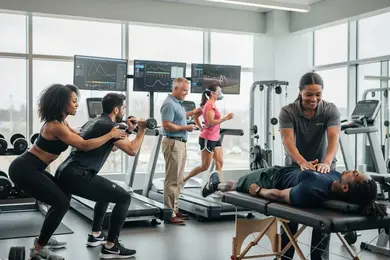
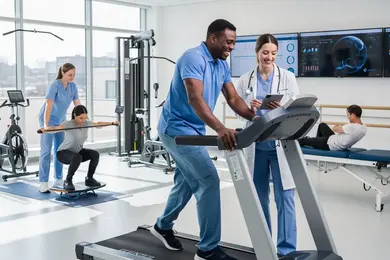
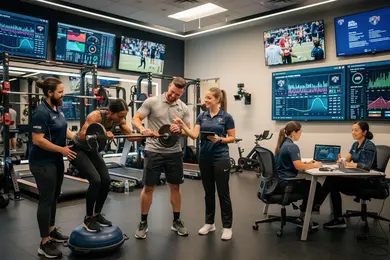
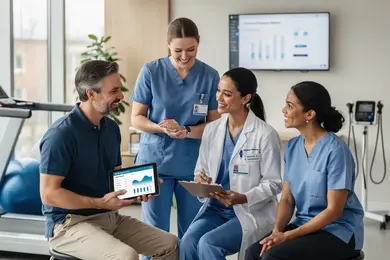
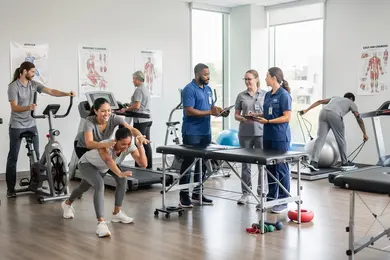
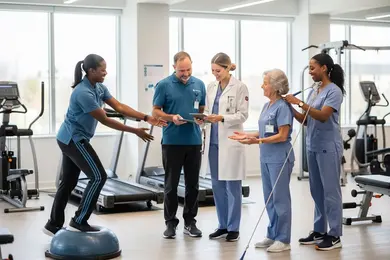
An online bachelor's degree in exercise science with coaching components delivers more than foundational knowledge by embedding applied coaching skills and client assessment methodologies essential for immediate workforce utility. This bachelor's program in exercise science offering practical assessment training addresses a frequent gap in theory-heavy curricula by integrating supervised fieldwork or virtual simulations that mirror professional environments.
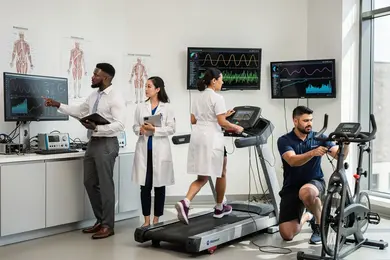
Graduates gain tangible skills in biomechanical evaluation and physiological testing, aligning with employer demands for measurable competencies in settings ranging from health clubs to rehabilitation clinics. Practical training remains a decisive factor, yet online formats often demand students secure local partnerships or clinical placements to fulfill hands-on requirements.
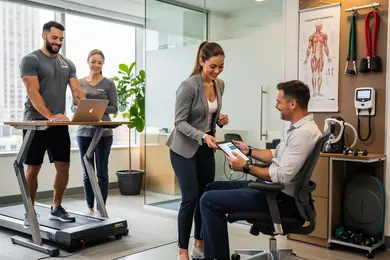
Prospective students should scrutinize how these components are structured within programs to avoid gaps in coaching proficiency and assessment accuracy. For example, those aiming to shift into corporate wellness roles benefit significantly from tools that objectively quantify employee health risks and inform tailored interventions, enhancing the strategic impact of wellness initiatives.
Program availability is robust, with data showing 244 U.S. bachelor's degrees in sport and exercise studies for 2025, reflecting ongoing labor market needs for professionals versed in evidence-based and practical skill sets. However, students must consider accreditation status, fieldwork opportunities, and alignment with certifications, as these influence employability and career trajectory.
Understanding how to parlay this degree into roles involving athletic program leadership or specialized client management is critical, especially for candidates exploring questions like how do I become an athletic director. Evaluating online bachelor's degree in exercise science with coaching components means balancing convenience with the necessity of applied skill acquisition, ensuring graduates can meet complex industry requirements and contribute effectively across diverse fitness and rehabilitation contexts.
How does an online exercise science degree compare to a campus-based program for hands-on training?
Online exercise science degree practical training comparison reveals a significant gap in hands-on coaching when contrasted with campus-based programs. While theoretical instruction online matches campus rigor, the absence of integrated labs compels students to independently arrange clinical practicums or internships.
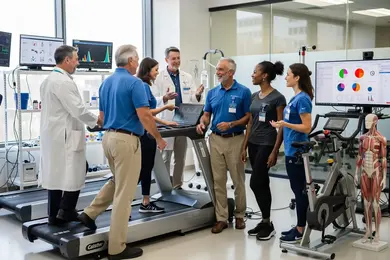
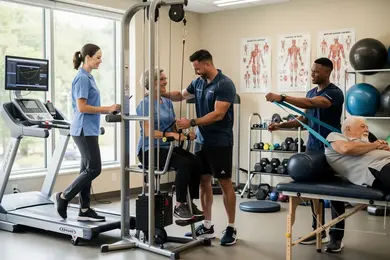
For instance, an exercise physiologist candidate must secure hours at hospitals or rehabilitation centers to gain proficiency with assessment tools that cannot be effectively simulated remotely. Campus versus online exercise science hands-on coaching models differ notably in employer appeal and training consistency.
Employers in rehabilitation and sports conditioning prioritize verifiable practical skills alongside academic qualifications. Campus students benefit from structured clinical exposure built into their curriculum, whereas online students face uneven opportunities, dependent on personal networks and local resource availability.
This disparity can delay certification readiness and narrow immediate employability. Practical coaching and physical assessment demand real-time feedback impossible to replicate authentically through virtual formats, even with advanced video submissions or simulations.
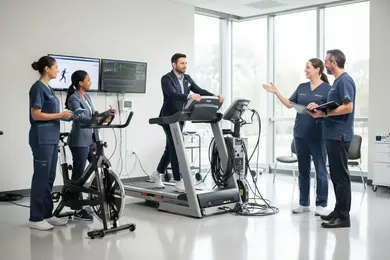
Hybrid programs combining online coursework with intensive on-site residencies better meet employer expectations and align with workforce growth forecasts. Prospective students weighing an exercise science online degree should critically assess their ability to secure verified hands-on experiences essential for practical competence and career viability. Those considering related fields may explore pathways such as a nutritionist degree online as an alternative or complement.
Which accredited schools offer online bachelor's degrees in exercise science in the United States?
Accredited US schools offering online bachelor's in exercise science often require navigating significant practical tradeoffs. For instance, Oregon State University embeds virtual labs and partnerships with local fitness centers to provide applied coaching and assessment skills, while the University of Florida mandates in-person clinical immersions aligned with CAAHEP accreditation standards.
This hybrid approach reflects a broader challenge: fully remote programs rarely supplant hands-on clinical experience necessary for licensure and employer readiness. Prospective students of online bachelor's degrees in exercise science accredited in the United States must weigh the balance between flexible coursework and essential supervised practice.
Inadequate clinical components mean graduates might face delays securing post-graduate internships or prove less competitive when employers prioritize demonstrated competencies in rehabilitation, physiological assessment, and fitness evaluation. Arranging local internships independently can mitigate this but adds complexity for working professionals.
Wages for exercise physiologists average $58,150 annually, highlighting the economic value of programs that effectively build market-aligned skills. Students should scrutinize accreditation status, state licensure alignment, and clinical placement support to ensure education translates into real workforce opportunities. Those investigating educational pathways might also consider related fields evident in online MLIS programs for varied strategic pivots within health and wellness professions.
What courses and applied labs are included in an online exercise science curriculum?
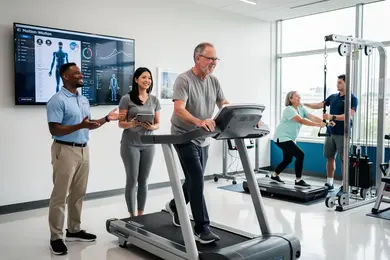
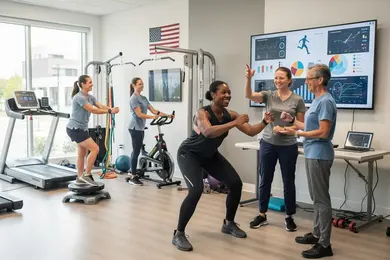
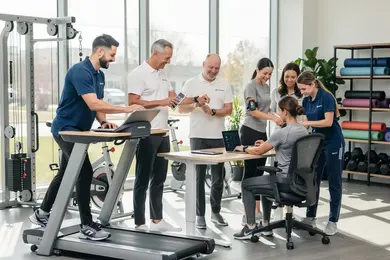
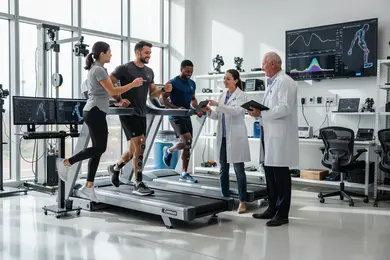
Online exercise science courses with hands-on labs blend foundational topics such as human anatomy, physiology, and kinesiology with applied modules replicating real-world coaching and assessment demands. Programs that integrate practical coaching and assessment curriculum typically include biomechanics, exercise physiology, motor learning, and nutrition, while applied labs focus on vital skills like functional movement analysis, VO2 max testing, and wearable technology data interpretation.
These skill-based components directly address the gap where purely theoretical online degrees fail to meet employer benchmarks for immediate job readiness. Professionals pursuing clinical rehabilitation roles encounter specialized labs on injury prevention and therapeutic exercise, whereas those targeting performance coaching engage with strength and conditioning assessments alongside periodization strategies.
This targeted approach aligns practical training with sector-specific job requirements, enhancing competence in standardized assessment tools and evidence-based program design. Employers increasingly prioritize graduates who demonstrate applied proficiency over theoretical knowledge alone.
Access to remote lab equipment or partnerships with local facilities is often essential to fulfill licensing board criteria, a factor that online programs must address to maintain practical relevance. Evaluating these programs requires attention to trade-offs between cost savings-Intelligent.com cites an average annual undergraduate tuition of $14,688-and the quality of hands-on exposure critical for certification success.
For students weighing options, comparing online exercise science curricula against in-person models necessitates a clear-eyed assessment of how well programs incorporate applied labs and synchronous coaching practicums. Reliable practical training impacts long-term employability and the effectiveness of career pivots within healthcare or athletic domains. Those seeking alternatives should also consider rankings reflecting affordability and quality, such as the best library schools listings, which can provide a benchmark for evaluating program value.
What are typical admission requirements for online bachelor's programs in exercise science?
Admission criteria for online bachelor's programs in exercise science prioritize measurable academic readiness over broad eligibility. Most schools require a high school diploma with GPA minimums generally between 2.5 and 3.0, and while standardized tests like the SAT or ACT are often optional, they can be decisive at competitive programs.
Importantly, prerequisite coursework in biology, chemistry, and math is expected to ensure students can handle science-intensive curricula. For professionals balancing work and study, transfer credits substantially reduce time and cost; for example, students entering with an associate degree may transfer up to 60 credits, cutting the remaining requirements in half.
However, a key tradeoff is the strict alignment of transferred coursework with core exercise science requirements-mismatches can cause costly delays. Prospective applicants should engage admissions advisors early to clarify equivalencies and avoid unforeseen setbacks.
Non-academic components like letters of recommendation or personal statements serve primarily to validate genuine commitment but rarely replace foundational requirements. Real-world experience in fitness or rehabilitation can bolster applications but is insufficient without academic preparation, reflecting employers' demand for evidence-based expertise combined with practical skills.
Given the evolving expectations within health sciences fields, selecting a program with transparent prerequisites and transfer policies is essential. This caution mitigates risks of extended study timelines and supports effective navigation toward certification and licensure paths relevant to workforce demands.
How long does it take to complete an online exercise science bachelor's, and what does it cost?
An online bachelor's degree in exercise science demands a significant commitment, typically spanning four years full-time with 120 to 130 credit hours. Part-time options, often chosen by working professionals, may extend to six years or longer due to the need for completing critical practicum and coaching assessments that cannot be accelerated without compromising hands-on skill development.
This extended timeline is a practical necessity rather than a design flaw, reflecting employer expectations for graduates to possess both thorough theoretical knowledge and practical proficiency. Tuition rates vary considerably, ranging from $250 to $650 per credit hour, which translates to overall program costs between $30,000 and $85,000.
This wide spread influences return on investment and must be carefully weighed, particularly when employer tuition assistance or FAFSA eligibility factors in. Small differences in per-credit costs compound substantially over the full program, especially with additional lab or practicum fees.
Early financial planning and advisor consultation on clinical placement scheduling can help prevent unforeseen delays that increase duration and expense. Graduates targeting immediate employment, such as physical therapy assistants, may prefer shorter, competency-based tracks sacrificing some academic breadth to expedite workforce entry. In contrast, those pursuing clinical or rehabilitation roles benefit from programs emphasizing structured internships and comprehensive assessment, which justify longer, costlier pathways through improved employability.
What careers can you pursue with an online exercise science degree emphasizing coaching skills?
Degree programs emphasizing coaching skills in exercise science offer clear workforce advantages by equipping graduates with applied competencies essential to roles such as strength and conditioning coach and clinical exercise physiologist. For instance, a university strength coach must integrate biomechanical data analysis with athlete-specific training to reduce injury risk, demonstrating that theoretical knowledge alone is insufficient.
Licensing and certification remain critical gatekeepers-most positions demand credentials like Certified Strength and Conditioning Specialist (CSCS) or Clinical Exercise Physiologist certification. Simply holding an academic degree does not authorize medical exercise prescription, necessitating a proactive approach to professional qualifications that directly affects employability and salary trajectories.
Salary benchmarks vary considerably: median wages for exercise physiologists hover around $50,000 annually, but specialized coaches in professional sports can command higher compensation. The hands-on technical focus, including proficiency with heart rate monitors and motion analysis software, enhances market competitiveness but raises the bar on practical readiness required by employers. Cost-efficiency is a factor for working adults pursuing this path, with institutions like the American Public University System offering tuition substantially below national averages-approximately $250 per credit-impacting return on investment and debt levels.
What salary ranges and job outlook can graduates in exercise science and coaching expect?
Starting salaries for graduates in exercise science and coaching typically range from $45,000 to $60,000 in entry-level positions, with mid-career earnings rising to between $60,000 and $85,000. Employment growth for exercise physiologists and related roles is projected at 11% over a decade, outpacing average occupational growth due to the rising emphasis on preventive healthcare, aging demographics requiring rehabilitation, and expanding demand in sports and corporate wellness sectors.
Career outcomes diverge notably based on setting: clinical exercise physiologists in medical environments tend to receive higher pay and greater job stability but must pursue certifications beyond their bachelor's degree. By contrast, those entering private coaching or sports organizations often encounter income variability tied to contracts and client acquisition skills.
The proliferation of online bachelor's programs increases geographic accessibility but does not substitute for the practical, hands-on skills and data-driven evaluation employers prioritize. Certifications like ACSM or NSCA remain instrumental for employability. Graduates who combine academic study with targeted skill development and professional networking consistently achieve stronger employment trajectories.
Which professional certifications align with an online exercise science degree focused on coaching?
Professional certifications aligned with an online exercise science degree address distinct workforce niches but carry differing practical demands. The Certified Strength and Conditioning Specialist (CSCS) credential is a gatekeeper in collegiate athletics and professional sports, requiring rigorous practical experience in exercise prescription and athlete monitoring.
In contrast, the National Strength and Conditioning Association Certified Personal Trainer (NSCA-CPT) offers a more accessible entry into personal training but lacks the clinical depth employers expect for specialized roles. Those targeting healthcare-related careers, especially cardiac rehabilitation or chronic disease management, should prioritize the American College of Sports Medicine Certified Clinical Exercise Physiologist (ACSM-CEP), which mandates detailed clinical hours and aligns better with medical settings.
This distinction illustrates a key tradeoff: entry requirements and clinical focus directly impact job eligibility and career trajectory. Fully online exercise science completions, such as those offered by PennWest, respond to the logistical challenges faced by part-time workers or remote learners.
However, candidates must still coordinate in-person practical exams and supervised coaching hours required by certifications like the CSCS and ACSM, necessitating hybrid or internship components. Employers consistently prioritize certifications supported by verifiable field experience and ongoing education. Students should budget accordingly for exam fees and renewal costs, recognizing these as essential investments for sustained employability rather than optional expenses.
How can students evaluate and choose a reputable online exercise science program?
Choosing an online exercise science program requires more than just scanning course catalogs; the practical readiness of graduates is a decisive factor. Employers in fields like exercise physiology and biomechanics expect applied skills-programs lacking sufficient hands-on coaching and assessment modules risk producing candidates unprepared for real-world demands.
Graduate outcomes offer valuable insight. For example, data from Maryville University shows their exercise science alumni typically secure roles such as personal trainer, biomechanist, or exercise physiologist-positions demanding both theoretical knowledge and measurable practical proficiency. This suggests curricula aligned with workforce needs enhance employment prospects.
Flexibility in delivery often presents tradeoffs. Some online options provide synchronous labs or local practicum partnerships, helping students gain necessary experiential training despite remote study. Others, however, have limited opportunities for direct client interaction, which can delay readiness for certification or clinical application.
Faculty qualifications also impact educational value. Instructors active in current industry practices and research help bridge theory and application, improving evidence-based decision-making skills essential for emerging exercise science roles. Cost considerations must weigh tuition against the comprehensiveness of training.
Programs with lower fees but reduced practical components may increase time to competence, affecting long-term career progression. Prospective students should assess accreditation status carefully, verifying recognition by agencies like the Council for Higher Education Accreditation (CHEA) or the U.S. Department of Education to ensure alignment with licensure standards and employer expectations.
Other Things You Should Know About Exercise Science
Not all online exercise science programs provide structured, hands-on coaching experiences. Some rely heavily on virtual simulations or theoretical assignments, which can leave gaps in practical skill development employers expect. Prioritize programs that integrate in-person practicums, internships, or local partnerships to ensure you gain verifiable real-world coaching and assessment experience.
Yes. Employers in coaching and fitness sectors prioritize graduates who have both applied skills and relevant certifications. Programs that explicitly align their curricula with major certification standards streamline your path to credentialing, increasing employability and reducing the time between graduation and full professional qualification.
Yes. Many 2027 online exercise science bachelor's programs require a supervised practicum or internship, often 120 to 180 hours, completed with an approved site and preceptor. These placements let students document coaching, assessment, and client interaction skills before graduation, and they are usually distinct from regular online coursework.
References
- Online Exercise Science Program https://stmary.edu/online-programs/exercise-science.html
- How to choose what certifications are right for you https://engineeredbodies.ca/2016/10/23/how-to-choose-what-certifications-are-right-for-you/
- Bachelor of Science in Applied Exercise Science https://catalog.rivier.edu/preview_program.php
- 2026 Best Online Exercise Science Degrees https://www.onlineu.com/degrees/exercise-science
- Bachelor Sport & Exercise Science - Triagon Academy https://www.triagon.mt/study-programmes/sports/bachelor-sport-exercise-science
- Online Exercise Science Degrees: Top School Review https://www.edumed.org/online-schools/exercise-science-degrees/
- Exercise Science Degree Programs Lead to Rewarding Careers in Health and Fitness https://www.carrollcc.edu/articles/exercise-science-degree-programs-lead-to-rewarding-careers-in-health-and-fitness/
- Exercise Science https://www.une.edu/wchp/esp/undergraduate-programs/bs-exercise-science
- Best Exercise Science Careers - Let's Find out! https://www.ptpioneer.com/personal-training/exercise-science-careers/
- Careers in Exercise Science – Jobs, Salaries, and Growth Opportunities https://www.pickmyuni.com/student-resources/careers-in-exercise-science-123