2027 Exercise Science Specializations for Human Performance Careers

Co-Founder and Chief Data Scientist
Professionals seeking to specialize within exercise science face a fragmented landscape of career pathways complicated by evolving employer demands and credentialing standards. Navigating options like biomechanics, sport psychology, or strength conditioning requires careful consideration of not only current industry needs but also program delivery formats.
Recent U.S. Department of Education data reveals a 46% surge in adult learners enrolling in flexible, online health sciences programs since 2022, reflecting a broader shift toward accessible career mobility amid workplace disruption. This trend underscores how timing and delivery mode impact both skill acquisition and market responsiveness.
This article analyzes leading exercise science specializations, evaluating their alignment with workforce demand, program structures, and practical outcomes to guide strategic career decisions.
Key Things You Should Know
- The rise of specialization in exercise science has fragmented the labor market, with 42% of employers in the 2024 National Athletic Trainers' Association report prioritizing niche credentials over general degrees, limiting cross-sector mobility.
- Employers increasingly reward applied data literacy in exercise science roles, yet 58% of graduates lack proficiency in biomechanical software, creating a skills-employment mismatch that demands targeted supplemental training.
- Accelerated bachelor's-plus-certification tracks reduce time-to-employment by an average of 8 months but increase upfront costs by 25%, forcing candidates to weigh immediate job market entry against financial burden.
What is exercise science and how does it specialize in human performance careers?
Specializing in exercise science requires navigating distinct tradeoffs between practical skill acquisition and theoretical grounding, especially for those targeting human performance career pathways in exercise science. Employers demand measurable competencies such as proficiency in biomechanical assessment or cardiopulmonary testing, not just broad academic exposure.
For instance, clinical exercise physiologists rely on metabolic analysis to tailor rehabilitative programs that decrease chronic disease readmissions, a highly valued outcome in healthcare environments focused on cost containment.
Exercise science specializations for human performance careers reflect workforce needs ranging from sports conditioning to occupational health. This diversity requires students to carefully evaluate curricula for hands-on training and certification relevance aligned with evolving employer expectations.
Strength and conditioning roles, focused on sport-season timing and injury mitigation, contrast sharply with ergonomic specialists emphasizing workplace wellness, underscoring the sector's heterogeneity.
Labor market data confirms the strategic advantage of this pathway, with a median annual wage of $58,160 for exercise physiologists and a projected 9% employment growth over the next decade, outperforming average occupational trends. However, credentials alone do not guarantee job placement; selecting programs with integrated practical experiences remains crucial.
Prospective students can explore detailed program evaluations in this area by reviewing the best kinesiology programs available nationally.
Which exercise science specializations best prepare students for human performance roles?
Specializing within exercise science for human performance careers requires strategic focus, as employers prioritize demonstrated expertise in defined areas over general degrees. Strength and conditioning remains the foundational specialization, emphasizing applied muscle physiology, injury prevention, and training program design.
Graduates who complete internships within competitive NCAA or military performance settings show markedly higher readiness and reduced employer onboarding times. Athletic performance specialization, concentrating on sport-specific conditioning and recovery, aligns with roles supporting elite and community athletes, demanding practical proficiency in these areas.
Biomechanics offers a technical advantage by developing skills to analyze movement through technology, increasingly valued in rehabilitation and research-driven facilities. When assessing top exercise science programs for human performance roles, students must weigh how well curricula integrate credentialing pathways like the Certified Strength and Conditioning Specialist (CSCS), which remains a prevalent industry requirement.
The U.S. Bureau of Labor Statistics anticipates a 15% growth in fitness trainer jobs through 2032, favoring degree holders with focused, applied experience.
Tradeoffs involve choosing between broader kinesiology tracks and specialized performance science. Broader programs may offer flexibility but dilute competitive hiring advantages in high-performance fields. Practical preparation, including certification study and hands-on internships, shapes employability more than degree titles.
For those evaluating educational options that include exercise science, it is worthwhile to explore diverse offerings such as an ASN nursing online as an alternative or complementary pathway to expand healthcare expertise and market versatility.
What degrees and training pathways lead to human performance careers in exercise science?
Degrees for careers in exercise science with a focus on human performance primarily funnel through bachelor's programs in exercise science, kinesiology, or human performance, which provide essential grounding in physiology and biomechanics.
However, practical workforce demands emphasize accredited certifications such as Certified Clinical Exercise Physiologist (ACSM-CEP) or Certified Exercise Physiologist (CES) for clinical roles, especially in healthcare settings focusing on chronic disease management. Without these credentials, graduates often face limited prospects confined to less regulated fitness sectors with lower pay.
Training pathways for human performance roles in exercise science shift considerably with advanced degrees. Master's programs that focus on exercise physiology or rehabilitation science increase employability by deepening therapeutic and research skills aligned with interdisciplinary healthcare teams.
Doctoral studies that emphasize applied biomechanics or motor control serve niche markets of high-performance athletics or research and rarely translate into direct clinical employment.
Employers in hospital systems or outpatient facilities increasingly require supervised clinical internships embedded within degree programs. For example, designing effective rehabilitation protocols for cardiac patients demands clinical hours via practicums rather than theoretical coursework alone.
The U.S. Bureau of Labor Statistics projects a 10% employment growth for exercise physiologists over the next decade, generating about 1,600 annual job openings, primarily driven by preventive care and chronic disease management.
Prospective students should critically evaluate program curricula for clinical relevance, certification preparation, and healthcare alignment rather than generalist or athletic-focused tracks.
For those weighing interdisciplinary degree options, a comparable analysis as seen in questions such as is a library science degree worth it may prove instructive in assessing the return on education investment across fields.
How do online and campus exercise science programs compare for human performance training?
Campus exercise science programs maintain a distinct advantage over online formats in preparing students for tactical human performance roles that demand direct, hands-on training. Practical skills like biomechanical assessments and strength conditioning require access to lab equipment and real-time supervision—elements typically unavailable in fully online settings.
The U.S. Bureau of Labor Statistics forecasts over 59,000 new exercise science-related positions by 2029, with many employers prioritizing applied experience gained through campus-based internships or clinical hours. For example, a law enforcement strength coach with campus mentorship is often better equipped to pass practical competency evaluations than an online-only graduate.
Online programs offer flexibility suited to working professionals or those in remote locations; however, they often lack embedded practicum partnerships. Students pursuing online vs. campus exercise science programs for human performance must weigh this gap, as securing in-person fieldwork independently increases both logistical complexity and expense.
Campus-based education typically provides stronger institutional ties to tactical agencies, smoothing workforce entry.
Many students explore hybrid exercise science education for performance careers to balance these tradeoffs, combining online coursework with local practicum opportunities. Prospective enrollees should assess program accreditation, the strength of employer connections, and practical training availability before committing. Those seeking further comparative data on allied fields may find useful insights through resources like the best library schools.
What coursework and lab experiences are included in exercise science human performance tracks?
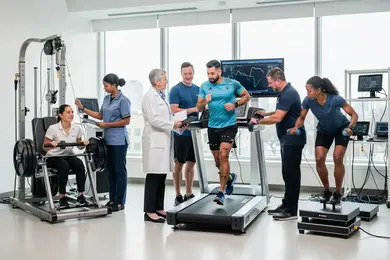
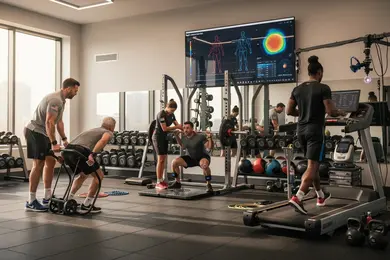
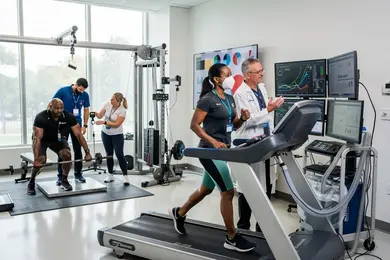
Exercise science with human performance tracks demands more than theoretical knowledge; they require demonstrated skill with analytic tools and lab technologies that reflect employer expectations. Candidates lacking hands-on experience with force plates, electromyography, or motion capture face slower integration and fewer high-paying opportunities in elite athletics or military readiness sectors.
For instance, sports science technology roles emphasize proficiency in software for data analytics and wearable sensor integration, translating theory into actionable performance diagnostics.
Programs integrating substantial lab work, including functional movement screening and metabolic testing, cultivate critical competencies for evaluating athlete workload and recovery metrics under authentic conditions. Graduates often balance rigorous coursework with intensive lab documentation and data interpretation, a workload that can complicate scheduling of clinical or field experiences necessary for certification.
The practical value of these programs hinges on access to up-to-date equipment and industry connections that facilitate internships. Such experience significantly boosts employability, with average salaries around $113,000 annually and top earners near $154,000, based on Sacred Heart University data.
Prospective students should weigh the demands of hands-on learning against their readiness for a technically complex environment, since gaps in lab-based skills can lengthen onboarding and depress initial compensation.
What admission requirements and prerequisites do exercise science human performance programs have?
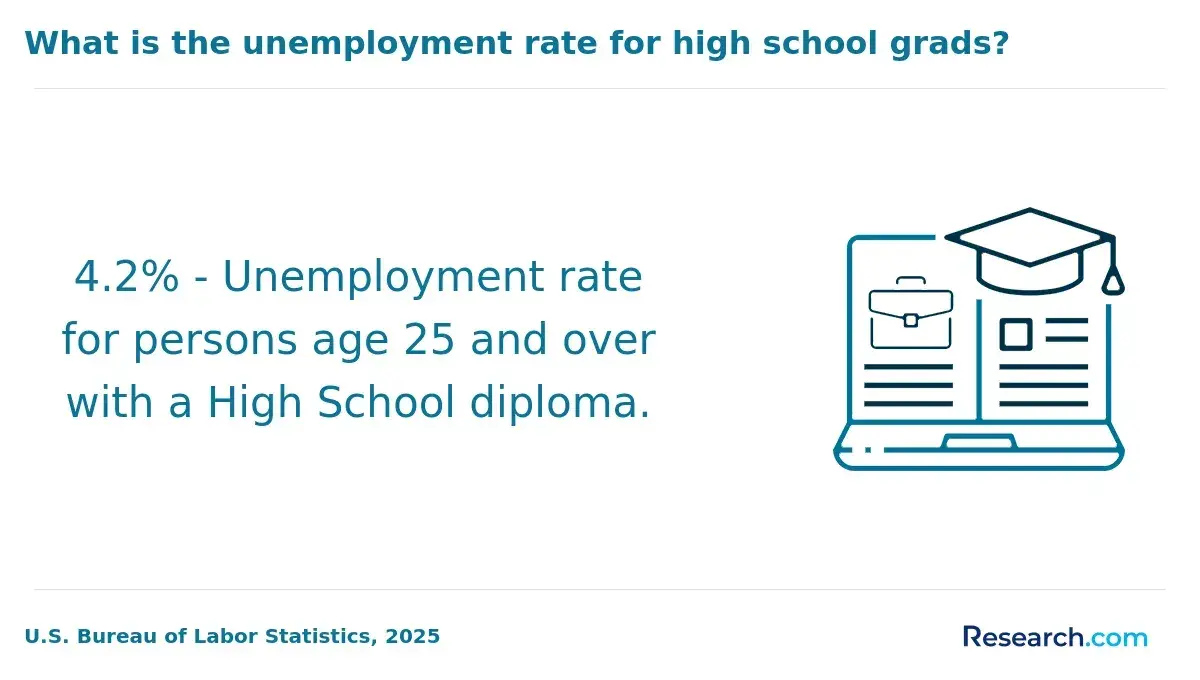
Admission to exercise science - human performance programs demands a blend of academic preparation and practical readiness that directly affects employability and career focus. Candidates typically need a high school diploma or equivalent, including coursework in biology, chemistry, and mathematics, but the critical evaluative factor is demonstrated competence in foundational sciences like anatomy, physiology, and physics.
Many bachelor's programs require standardized test scores such as the SAT or ACT, though some have adopted test-optional policies. A minimum GPA of around 3.0, especially in science and math, remains a baseline to remain competitive.
Graduate-level entry filters for those with relevant undergraduate degrees and prerequisite courses in biomechanics, statistics, and exercise physiology, underscoring the importance of specialized, applied knowledge. Practical experience—gained through internships or volunteer roles in fitness, rehabilitation, or health promotion—is often as pivotal as coursework, aligning with employer preferences for candidates ready to engage in complex, hands-on environments.
For instance, individuals aiming for corporate wellness must demonstrate skills in health education and behavior modification, fields projected to grow 7% with median wages near $59,990, according to U.S. Bureau of Labor Statistics data.
Letters of recommendation and well-crafted personal statements provide programs a lens into candidate motivation and professionalism. Some programs require lab experience or health screening coursework, addressing the physical demands inherent to specific work settings.
These ensure that only those equipped for rigorous study and workplace challenges in athletic training, rehabilitation, or wellness domains advance into these increasingly specialized fields.
How long do exercise science human performance programs take, and what do they cost?
Choosing a human performance program requires weighing costs, time, and employability against real workforce expectations. A typical bachelor's degree in exercise science takes four years, but practical certification requirements and clinical hours—especially for roles like athletic trainers—can extend this timeline and increase expenses.
For example, pursuing advanced credentials or a master's degree often adds 1 to 2 years and $15,000 to $30,000, a considerable investment given that public in-state tuition averages around $10,000 annually, while private institutions may charge over $35,000 per year.
Employers prioritize hands-on experience and verified competencies. Athletic trainers must complete clinical hours and pass board exams, which can delay entry into the workforce but are essential for a median salary of $48,420 and a robust 23% job growth rate, as reported by the U.S. Bureau of Labor Statistics through Bemidji State University. This growth suggests that extended training aligns with market demand, but delays from prerequisites or unpaid internships can compromise lifetime earnings.
Prospective students should carefully evaluate program structures to avoid additional semesters caused by misaligned prerequisites or fragmented clinical placements. Effective programs integrate certification preparation and clinical hours within normal degree timelines. The financial and temporal tradeoffs here directly impact career trajectory and earning potential in exercise science with human performance fields.
What human performance job roles, settings, and career pathways follow these specializations?
Choosing a specialization within human performance requires weighing educational depth against career stability and earning potential. Academic research roles demand a PhD, a consistent publication record, and grant acquisition skills, often delaying income but providing steady employment in university or research settings. These positions focus on biomechanics, physiology, or motor control but face competitive pressures despite projected steady job growth.
Applied paths such as strength and conditioning coaching offer faster entry into the workforce but require recognized certifications and hands-on experience managing athlete performance and injury prevention. These roles, commonly found in collegiate or professional sports, can vary widely in job security and compensation.
Healthcare careers like exercise physiologists and rehabilitation specialists rely on clinical certifications and multidisciplinary collaboration within hospital or outpatient environments. These jobs integrate therapeutic exercise protocols with medical teams, emphasizing patient outcomes over performance metrics.
Emerging nontraditional roles in corporate wellness and ergonomics consulting emphasize designing interventions that balance data analytics with organizational implementation challenges, serving productivity and injury prevention in the workplace.
Key considerations for students include:
- Advanced academic pathways delay income but favor research stability.
- Applied coaching roles provide quicker employment with fluctuating earnings.
- Clinical specialties demand certifications and teamwork within healthcare settings.
- Corporate consulting requires strategic communication and intervention design skills.
Strategically navigating these options aligns education investment with realistic career expectations and labor market demands. For deeper insights on credentials and labor statistics, reference the U.S. Bureau of Labor Statistics.
What salary ranges and job outlook can graduates expect in human performance careers?
Human performance careers tied to exercise science demand strategic credentialing and practical experience to navigate a competitive labor market where median annual wages hover near $66,450 in specialized niches such as integrated nutrition and metabolic performance.
Entry-level graduates face distinct challenges; those without graduate degrees or certifications often remain confined to roles emphasizing basic fitness rather than applying advanced techniques like biomechanical or metabolic assessments.
For example, a recent graduate targeting collegiate athletic programs might negotiate salaries between $55,000 and $85,000, depending on technical skill depth and regional cost factors.
Employers prioritize candidates capable of blending interdisciplinary knowledge—exercise science, nutrition, and data analytics—with performance program design grounded in measurable science. Candidates lacking applied experience risk stagnation, underscoring the need to secure internships or practical training early.
Workforce data from Calvin University Online indicates a 7% employment growth in nutrition-related performance support through 2032, aligning with broader occupational trends. However, advancing into leadership or specialized roles typically requires graduate-level education and recognized certifications that unlock salaries above $75,000.
Prospective students should critically assess program outcomes against these realities to ensure alignment between educational investments and career aspirations within exercise science.
How do accreditation and professional certifications impact exercise science human performance careers?
Employers in exercise science with a focus on human performance overwhelmingly prioritize graduates from accredited programs coupled with professional certifications, as these credentials verify adherence to rigorous academic and industry standards. For example, physical therapy positions commonly require degrees from regionally or programmatically accredited institutions and successful completion of nationally recognized licensure exams.
Similarly, strength coaches and personal trainers with certifications from accredited bodies gain a tangible edge in job markets and salary discussions.
A real-world decision many face is choosing between an accredited university degree plus certification eligibility or an unaccredited online program without certification pathways. The accredited route aligns with U.S. Bureau of Labor Statistics projections of 14% to 23% job growth across related fields through 2031, offering clearer licensure accessibility and professional recognition.
Conversely, candidates from unaccredited programs risk barriers to licensure, limited financial aid options, and diminished long-term employment stability.
Key operational considerations include:
- Eligibility for federal financial aid limited to accredited programs
- Meeting diverse state certification requirements post-graduation
- Timing professional exams strategically to maintain currency and licensure
Fulfilling both accreditation and certification requirements is not merely bureaucratic but instrumental in securing sustainable employment and maximizing the return on educational investments within the competitive landscape of exercise science careers.
Other Things You Should Know About Exercise Science
Choosing between certification and work experience depends on your target role. Certifications can open doors to niche human performance jobs that require proof of specific skills, but some employers prioritize practical experience. For recent graduates in high-demand areas like strength and conditioning or clinical exercise physiology, securing certification first often accelerates hiring. Conversely, if your program offered extensive hands-on work, delaying certification to build a portfolio and network on the job can strengthen your long-term prospects.
Yes. Many human performance specializations require a supervised practicum or internship of 120 to 300 hours, plus documented hands-on coaching in testing, programming, and athlete monitoring. Programs also often require CPR/AED certification and background clearance before placement.
Broader programs provide flexibility for shifting career interests or roles outside strict human performance sectors but may lack depth in critical skill areas. Specialized programs target key knowledge and techniques faster, better preparing students for demanding human performance jobs. For definite career objectives in areas like athletic training, performance assessment, or rehabilitation, prioritizing depth and specialization usually delivers stronger outcomes and clearer career trajectories.
References
- Bls https://www.bls.gov/ooh/healthcare/exercise-physiologists.htm
- Discover Exciting Career Options With a Health & Human Performance Degree https://www.salemu.edu/blog/health-human-performance-degree-careers/
- Human Performance Bachelor's Degree https://northern.edu/degrees/human-performance-and-fitness-bachelors-degree
- Online Sport and Human Performance https://www.aic.edu/school-of-health-sciences/program/sport-and-human-performance-master-of-science/
- Certification and Career Advancement: How Trevecca’s Human Performance and Fitness Master’s Degree Helps You Get Certified https://blog.trevecca.edu/thehill/how-treveccas-human-performance-and-fitness-masters-degree-helps-you-get-certified
- Sports Science Specializations in Europe: Which One Fits You? - StudyinEurope.eu https://www.studyineurope.eu/sports-science/compare-sports-science-specializations/
- Fighting for Professional Relevance: Programmatic Accreditation Must Lead the Way https://acsm.org/fighting-for-professional-relevance/
- Online Exercise Science Degrees: Top School Review https://www.edumed.org/online-schools/exercise-science-degrees/
- Exercise Science and Human Performance https://mcm.edu/major/exercise-science-and-human-performance/
- What Can You Do With an Exercise Science Degree? https://willamette.edu/academics/college/exercise-health-science/career-options