2027 Online Exercise Science Degrees With Strong Clinic-to-Performance Preparation

Co-Founder and Chief Data Scientist
Fitting a comprehensive exercise science program into a demanding work schedule while securing meaningful clinical internships remains a formidable hurdle for many aspiring professionals. The Bureau of Labor Statistics projects a 12% growth in exercise physiologist roles over the next decade, amplifying urgency for accessible yet rigorous training options that align with employer expectations for hands-on skills.
Meanwhile, the National Center for Education Statistics reports a 15% rise in adult enrollment in online health science programs since 2023, indicating shifting learner preferences toward flexible study models that do not sacrifice practical experience. This article evaluates online exercise science degrees that effectively blend clinic-to-performance preparation, helping candidates make informed decisions that optimize both learning and career outcomes.
Key Things You Should Know
- Clinical practicum intensity varies widely; programs with ≥500 supervised hours correlate with 23% higher job placement rates but add 15% to total tuition and extend degree completion by up to 6 months (NCES, 2024).
- Employers increasingly demand certification-readiness, with 67% prioritizing graduates who complete accredited intern-to-performance integrated tracks, constraining candidates from traditional coursework-only degrees (SHRM, 2024).
- Delaying enrollment to secure paid clinical internships reduces student debt load by 18% but risks market reentry timing, as national workforce projections estimate 12% exercise science role growth by 2030, pressuring timing choices (BLS, 2024).
What is an online exercise science degree and how does it prepare students for clinic-to-performance roles?
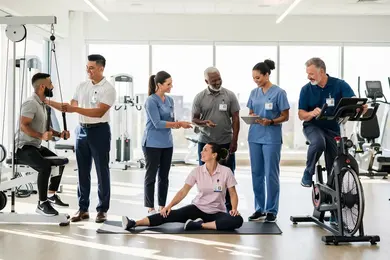
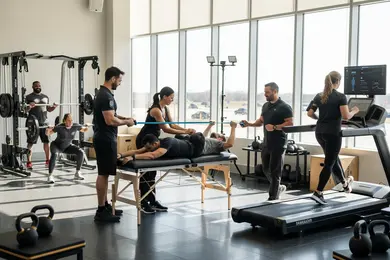
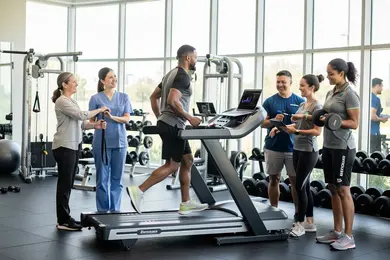
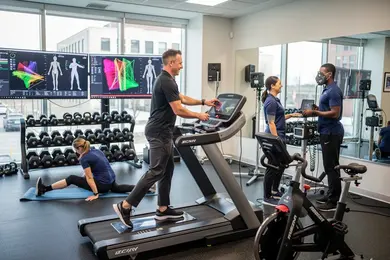
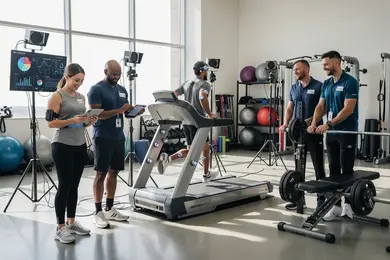
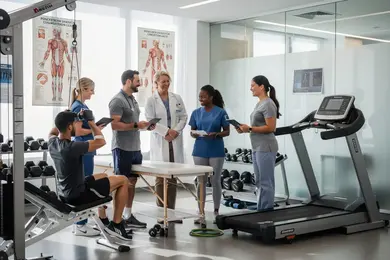
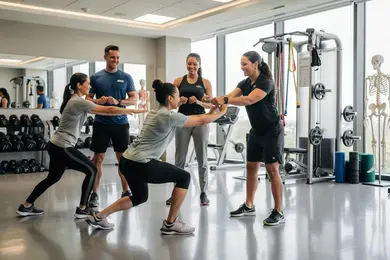
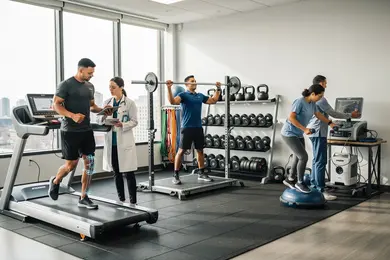
Online exercise science degree programs that emphasize clinic to performance preparation address the growing demand for professionals skilled across both clinical rehabilitation and athletic performance environments. These degrees integrate rigorous human anatomy, physiology, biomechanics, and nutrition curricula with applied learning modalities, aiming to produce graduates capable of bridging therapy and high-performance settings.
Such programs teach evidence-based strategies for injury prevention, rehabilitation programming, and functional movement analysis, often supplemented by virtual simulations and arranged clinical internships. However, students frequently encounter logistical challenges securing quality practical experiences, especially when managing work commitments or residing outside metropolitan areas-highlighting a critical consideration when evaluating program suitability.
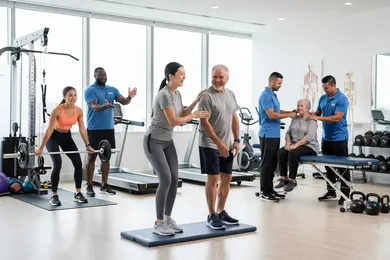
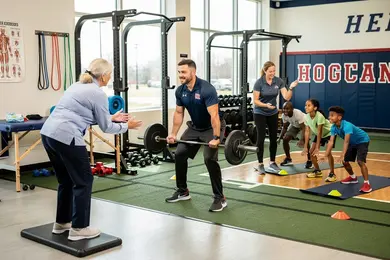
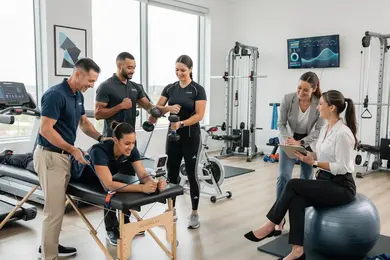
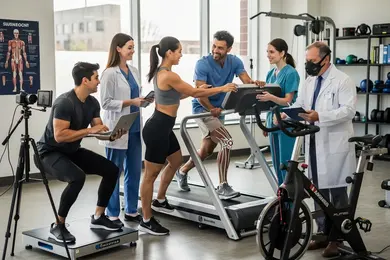
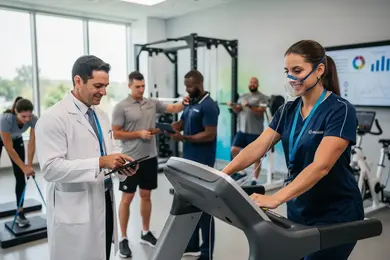
Employers increasingly seek individuals fluent in interdisciplinary communication and adaptive treatment planning. For example, a graduate employed at a hospital outpatient clinic may design rehab protocols that align with an athlete's rigorous competition timeline, whereas a strength coach within a university's athletic department might utilize clinical movement assessments to minimize injury risks during training phases.
Demand growth is robust, aligned with the U.S. health and wellness industry's expansion to nearly $1.8 trillion in 2024, a 50% rise since 2019. This market trajectory heightens hiring standards, privileging candidates with well-rounded clinical and performance preparation.
Prospective students must therefore scrutinize whether online exercise science programs prepare clinical and performance roles effectively and verify access to credible clinical internships and practical assessments to ensure workforce readiness. A realistic view of the sports analyst salary landscape further clarifies financial expectations within overlapping athletic performance professions, critical for informed career decisions.
How do online exercise science programs compare to campus-based programs for hands-on clinical training?
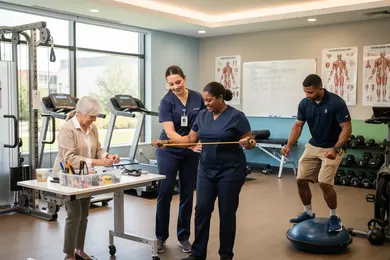
Securing quality clinical placements remains the pivotal challenge differentiating online exercise science programs clinical training comparison. Online formats offer flexible scheduling but shift the responsibility for hands-on clinical experience in online exercise science degrees onto students, who must independently secure internships or leverage regional networking.
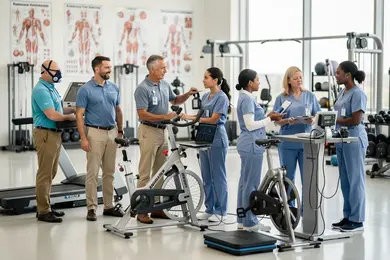
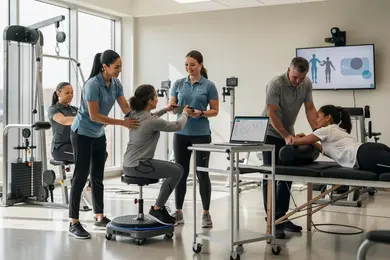
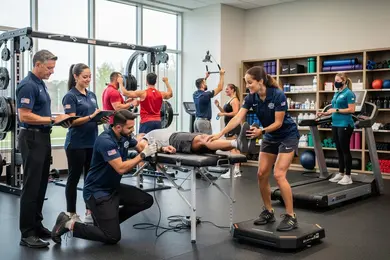
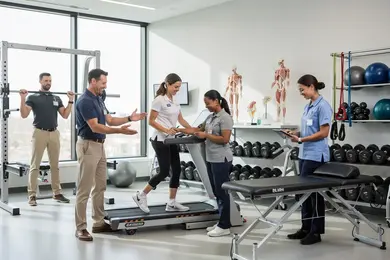
This contrasts sharply with campus-based programs, which integrate on-site labs and performance clinics, providing immediate access to supervised, skill-critical environments essential for clinical roles. For example, a student aiming for physical therapy assistance benefits significantly from campus-based clinical immersion due to direct faculty oversight, which often accelerates skill acquisition crucial for licensure.
Meanwhile, working professionals or those in remote areas may find online programs more viable if they confirm accredited clinical partnerships, ensuring practicum hours meet employer standards. Employment projections indicate a 14% growth for fitness trainers and instructors through 2032, with roughly 69,000 annual openings emphasizing practical experience.
Graduates with verified hands-on internships and supervised clinical hours generally hold a competitive advantage in technical roles, although online graduates with robust clinical training increasingly succeed in fitness sectors. Key considerations include local clinical site availability, a student's ability to self-advocate for quality placements, and career goals prioritizing clinical precision versus broader performance training.
Prospective learners should evaluate program support for clinical placement to bridge gaps inherent in online delivery models. Those interested can explore an accelerated sports management degree online that balances theoretical and practical demands.
Which U.S. online exercise science degrees are properly accredited and recognized by employers?
Regional accreditation paired with programmatic accreditation from the Commission on Accreditation of Allied Health Education Programs (CAAHEP) strongly determines employer recognition for online exercise science degrees. Programs fully accredited by recognized regional agencies and holding CAAHEP accreditation typically produce graduates prepared to meet applied competency demands in clinical and performance settings.
For instance, hospital-based cardiac rehab employers often exclude candidates from programs lacking CAAHEP accreditation or sufficient clinical practicum experience, limiting those graduates' employability. Among accredited online exercise science degrees in the United States, institutions like Arizona State University and the University of Florida integrate supervised clinical internships essential for eligibility with professional bodies such as the American Society of Exercise Physiologists.
This alignment responds directly to employer preferences for candidates capable of securing certifications like the ACSM Certified Exercise Physiologist or EP-C credentials. The median annual wage for exercise physiologists rose from $50,280 in 2020 to $54,780 in 2023, reflecting a 9% increase tracked by the U.S. Bureau of Labor Statistics and St. Mary's University, signifying sustained employer demand for workforce-ready graduates from recognized employer-approved U.S. online exercise science programs.
Prospective students should carefully evaluate program accreditation status and clinical offerings, as omitting these requirements risks entering an increasingly competitive market without the requisite measurable applied skills or clear career pathways. For those comparing options across disciplines, examining related fields, such as the library degree pathways, illustrates the value of accreditation in determining workforce readiness and long-term career prospects.
What admission requirements and prior coursework are needed for online exercise science degrees?
Admission decisions for online exercise science degrees increasingly hinge on concrete clinical readiness rather than purely academic credentials. Programs set online exercise science degree admission criteria that include not only a bachelor's degree in relevant health or science fields but also mastery of prerequisite courses for exercise science programs-such as biology with lab, chemistry, exercise physiology, and occasionally psychology or nutrition.
These academic requirements ensure students can engage with advanced, practice-focused modules without remedial gaps that extend time and cost. Employers demand graduates who can integrate seamlessly into clinical or performance environments, so many programs also require documented practicum hours or internships to evidence applied experience.
For mid-career professionals, substituting certain prerequisites with certifications like Certified Strength and Conditioning Specialist (CSCS) can speed program completion, aligning with workforce expectations and reducing redundancy. Cost and program duration are practical variables shaping enrollment decisions.
The University of Glasgow's fully online MSc Sport and Exercise Science & Medicine, priced around £10,000, exemplifies a strong balance between affordability and clinical relevance compared to more expensive on-campus options. Careful evaluation of prerequisite courses for exercise science programs against clinical placement rules helps avoid unintended extension in time and expenses that undermine online learning's flexibility advantage. Students exploring various pathways might also consider advanced healthcare degrees such as accelerated PMHNP programs, which offer alternative routes to clinical specialization.
What core curriculum and labs do online exercise science students complete for clinical readiness?
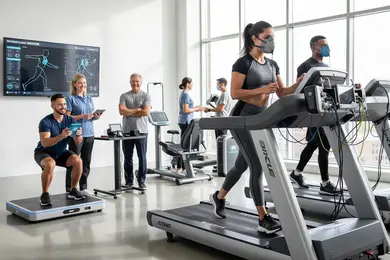
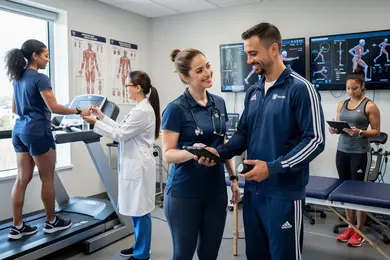
Online exercise science programs that emphasize clinical readiness through hands-on and virtual labs respond directly to employer criteria demanding measurable skill sets. Theoretical knowledge alone no longer suffices; proficiency in gait analysis, muscle testing, and cardiovascular monitoring is essential for roles centered on rehabilitation or clinical decision-making.
For example, a proficient graduate must tailor exercise programs for patients managing chronic illnesses-such as diabetes or cardiovascular disease-while safely applying biomechanics principles to support post-injury recovery. Students without access to supervised practicums or authentic lab experiences risk entering the job market underprepared for these responsibilities.
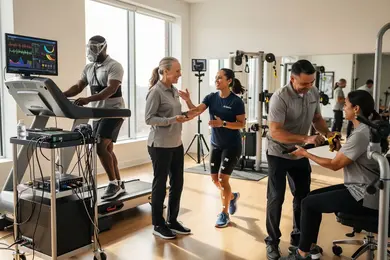
Key clinical competencies include metabolic testing, electromyography, and body composition analysis, typically taught through simulation or partnerships with local healthcare providers to satisfy accreditation standards. Programs integrating synchronous labs with local practicum placements produce candidates who stand out amid a competitive field, particularly as exercise physiologists earn a median annual wage of $54,780 with an expected 13% job growth through 2030.
Prospective students should critically evaluate a program's approach to lab delivery, clinical site connections, and instructor expertise to ensure theoretical insights convert into workplace-ready skills demanded by health providers. Those without this practical focus may struggle to compete or meet employer expectations that prioritize clinical fluency over academic credentials alone.
How long do online exercise science degrees take, and what do they typically cost?
Opting for an online exercise science degree demands a careful balance between program duration, cost, and the integration of hands-on clinical experience crucial for workforce entry. Bachelor's programs generally require 3 to 4 years, though accelerated tracks can shorten this to 2.5 years for full-time students or those transferring credits.
Part-time enrollment extends completion time but provides flexibility for working professionals. Costs vary significantly based on institution and residency, with public university tuition ranging from $7,000 to $15,000 annually for in-state students, while private schools may charge $20,000 to $40,000 per year.
Total expenses, including certification exams and specialized equipment, can reach $21,000 to $160,000. Professionals considering career shifts should weigh these financial variables alongside time commitments.
Employers in strength and conditioning or fitness fields prioritize candidates who complete integrated clinical practicum hours, which online programs typically deliver through hybrid formats combining remote coursework with local internships. Such alignment with real-world requirements enhances employability and reduces potential credentialing delays.
Choosing a program solely based on speed or cost might compromise comprehensive clinical-to-performance training. Prospective students should assess program partnerships and internship frameworks carefully to facilitate a smoother transition into roles within athletic training, rehabilitation, or fitness performance.
What clinic-to-performance career paths can graduates pursue with an online exercise science degree?
The decision to pursue an online exercise science degree requires balancing educational investment, certification demands, and practical experience hurdles, all of which directly impact career trajectories in health and athletic performance sectors. Positions such as clinical exercise physiologists, cardiac rehab specialists, and strength and conditioning coaches demand more than theoretical knowledge; they require applied skills in anatomy, physiology, and biomechanics, coupled with client assessment and program customization expertise.
Graduates face a critical tradeoff between cost transparency and required clinical experience. For example, Eastern Oregon University lists $329 per credit for a 180-credit curriculum, totaling nearly $60,000- a substantial financial commitment. Beyond tuition, meeting employer expectations often entails securing certifications like ACSM or NSCA, adding layers of expense and time.
Practical challenges arise in fulfilling hands-on internship or clinical placement requirements, especially for fully online students. Programs offering established affiliate networks or facilitating flexible, local arrangements ease this friction, improving employability in multidisciplinary health or sports medicine teams.
Occupational health roles, which leverage exercise interventions to mitigate workplace injury risks, illustrate an alternate path emphasizing injury prevention and wellness over athlete-directed performance. The interplay of cost, certification, and experiential learning shapes graduate readiness and upward mobility. Careful evaluation of program structure, credentialing pathways, and real-world applicability should guide prospects aiming for credible roles within clinical rehabilitation or athletic conditioning.
What salaries and earning potential can exercise science professionals expect in clinical and performance settings?
Salary prospects in exercise science diverge sharply based on role specialization and credential level. Clinical exercise professionals often confront wage ceilings around $70,000, constrained by healthcare budget limits and insurance-reimbursement frameworks. In contrast, performance specialists, such as strength and conditioning coaches or sports physiologists, access a wider salary range from $55,000 to upwards of $100,000 in elite athletic environments.
This disparity underscores the importance of strategic credentialing aligned with career intent. Advanced degrees featuring substantial research components-specifically those requiring nine or more dissertation credits-offer tangible advantages by equipping candidates to bridge clinical assessment with performance optimization.
Employers increasingly favor these qualifications as they translate scientific inquiry into actionable protocols impacting rehabilitation and competitive outcomes. Yet, financial progression within private sports organizations depends heavily on factors beyond academic preparation, including business skills, networking, and the ability to secure sponsorships or contracts.
Without these, professionals risk stagnating despite technical expertise. Decision-makers must also consider that clinical roles tied to licensure or specialized certifications can moderate wage compression and unlock incremental income growth.
Ultimately, choosing between research-oriented degrees and performance certifications reflects a critical tradeoff: clinical stability versus competitive market agility. Misalignment here can hinder income potential and restrict career mobility in an evolving employment landscape.
Which certifications and licenses align with exercise science careers in rehabilitation and sports performance?
In shaping a career in exercise science focused on rehabilitation or sports performance, holding the right certification and license directly influences employability and role scope. Positions aimed at athlete performance typically require the Certified Strength and Conditioning Specialist (CSCS) credential, which mandates a bachelor's degree and passing a rigorous, evidence-based exam.
In contrast, roles centered on rehabilitation often require Certified Athletic Trainer (ATC) licensure, combining accredited education, national board certification, and state licensure for legal compliance in patient care. For clinical exercise physiology, particularly in cardiac or pulmonary rehabilitation, the ACSM-CEP certification demands relevant degrees plus supervised clinical hours and exam success, reflecting its narrow medical focus.
Professionals combining certifications such as CSCS with ACSM credentials find flexible crossover opportunities, but state licensure remains indispensable for clinical practice, impacting both salary and career trajectory. Financial and regulatory factors pose practical considerations: certification exam fees range from $300 to $700, with ongoing continuing education requirements (20-50 units annually) to maintain credentials.
Failing to comply with continuing education can restrict clinical employment eligibility. Finally, selective UK programs in sport and exercise science require AAA to A*AA at A-level with tuition around £10,050, an important contrast for U.S. students weighing international versus domestic paths.
How can students evaluate and choose a reputable online exercise science program for clinical work?
Accreditation is the essential filter for assessing online exercise science programs, with bodies like the Commission on Accreditation of Allied Health Education Programs (CAAHEP) or the National Strength and Conditioning Association (NSCA) serving as benchmarks for rigor and employer recognition. Programs lacking clear clinical practicums or internship partnerships with legitimate healthcare, rehabilitation, or sports performance sites often fall short in preparing students for realistic job demands.
For instance, aspiring physical therapy aides require supervised clinical hours with licensed professionals; online simulations alone rarely substitute the complexity of hands-on experience. Graduates' employability depends heavily on documented outcomes-such as graduate employment rates and licensure or certification exam pass percentages-which directly reflect how effectively a program equips candidates for clinical roles.
Given the projected 7% growth in community health educator jobs by 2032, according to U.S. Bureau of Labor Statistics and Eastern Oregon University data, practical clinical competence remains a decisive market advantage. Programs without transparent or updated outcome data risk producing underprepared candidates.
When evaluating programs, students and working professionals must also consider logistical tradeoffs like in-person residency requirements, program modality (synchronous vs. asynchronous), and state authorization for clinical placements. Flexible clinical placement options across states can expand employment opportunities, while rigid on-site mandates may limit career mobility. Confirmed clinical affiliations and accreditation status should be weighted heavily to ensure long-term workforce relevance and credible skill development.
Other Things You Should Know About Exercise Science
Online exercise science degrees with strong clinic-to-performance preparation include courses tailored to blend clinical acumen with performance training, offering virtual simulations and collaborations with partnered clinics. This fosters an environment where practical knowledge meets theoretical learning, a critical aspect for those transitioning into clinical roles.
Many online programs lean heavily on theoretical content due to delivery constraints, which can limit early exposure to applied clinical and performance techniques. Students must anticipate seeking external practicum opportunities or on-site residencies to develop essential hands-on competencies. When choosing a program, prioritize those with integrated experiential requirements, as this balance directly impacts job readiness and employer confidence.
Employer acceptance of online exercise science degrees varies by region and specialty, with some clinical employers preferring traditional degrees for certain roles. However, degrees from accredited programs with robust practical components minimize this disadvantage. Salary impacts are more closely tied to certifications, experience, and specialization than diploma format, so focus on credentials that complement the degree to secure competitive compensation.
Most programs require a supervised practicum or internship of 120 to 300 hours, often completed in a clinical, rehabilitation, or performance setting. Some also require CPR and AED certification before placement, plus background checks and immunization records before the practicum begins.
References
- What Can You Do with an Exercise Science Degree? https://www.cune.edu/news/what-can-you-do-exercise-science-degree
- ESSA's career guide for Accredited Exercise Physiologists https://www.essa.org.au/Web/Web/Resources/Tools-and-templates/ESSA-AEP-Guide.aspx
- Best Exercise Science Careers - Let's Find out! https://www.ptpioneer.com/personal-training/exercise-science-careers/
- Exercise Physiologist Salary: Careers Supporting Heart and Movement Health https://coronanewsroom.org/exercise-physiologist-salary-careers-supporting-heart-and-movement-health
- Exercise science: What exactly is it? https://www.scienceforsport.com/exercise-science/
- Online Exercise Science Program https://stmary.edu/online-programs/exercise-science.html
- Clinical Exercise Physiologists in the Workforce https://acsm.org/cep-in-the-workforce/
- Exercise Science Degree Careers, Jobs and Salaries - Peak Physical Therapy and Sports Performance https://peaktherapy.com/blog/exercise-science-degree-careers-jobs-and-salaries/
- Exercise Science (Pre-Professional) | Academics | Southern Arkansas University https://web.saumag.edu/academics/program/exercise-science/
- Online Exercise Science Degrees: Top School Review https://www.edumed.org/online-schools/exercise-science-degrees/