2027 Online Exercise Science Degrees for Health Fitness Roles

Co-Founder and Chief Data Scientist
Professionals pursuing health fitness roles face a pressing dilemma: how to acquire credible exercise science credentials without pausing full-time employment or relocating. The U. S. Department of Education notes a 12% surge in adult enrollment in online degree programs, driven by the need for flexible scheduling and immediate career applicability.
This reflects shifting workforce priorities where gaining practical skills through adaptable education often outweighs traditional campus attendance. Yet, not all online programs meet industry rigor or employer expectations, complicating credential selection. This article evaluates online exercise science degrees grounded in workforce relevance, delivery format, and outcome reliability to guide strategic career advancement decisions.
Key Things You Should Know
- Online exercise science degrees typically run 20-40% cheaper than on-campus options, but delayed clinical placements-averaging 6-9 months post-course-can extend certification timelines affecting early-career earnings (US Dept. of Education, 2024).
- Employers in health fitness prioritize applied kinesiology certifications over purely academic credentials, with 62% of surveyed facilities in 2024 preferring hybrid graduates demonstrating both digital theory and in-person practicum experience (ACSM Workforce Analysis).
- Tradeoffs between accelerated online programs and credential depth create segmentation: faster entry-level readiness contrasts with reduced long-term research competence, impacting career mobility within clinical and academic health fitness sectors (NACE Employment Report 2024).
What is an online exercise science degree and how does it prepare you for health fitness careers?
Choosing an online exercise science degree involves negotiating the balance between flexible study and essential hands-on experience. While these programs cater well to working professionals updating credentials, they demand proactive engagement to secure practicum hours at local sites, a non-negotiable step to meet credentialing and employer expectations.
This reflects the practical emphasis an exercise science online degree offers for health fitness careers, requiring tangible skills beyond theoretical knowledge. Graduates must internalize competencies in client assessment, exercise prescription, and outcome evaluation to align with workforce demands.
Programs that incorporate virtual labs or simulations somewhat mitigate limited face-to-face mentorship inherent in online learning but cannot fully replace real-world exposure. For those pivoting professionally, an online exercise science program prepares fitness professionals to enter rehabilitation clinics, corporate wellness programs, or fitness centers without pausing income streams, though asynchronous coursework and slower networking are relevant tradeoffs.
Financially, median annual earnings reach about $44,649 with student debt around $23,889, indicating a relatively competitive return on investment if program selection is deliberate. Candidates should weigh these factors carefully and consider how integrated theoretical content and applied fieldwork combine to develop marketable expertise. More detailed program comparisons can be found at exercise science online degree.
Are online exercise science degrees as credible and respected as campus-based programs?
Online exercise science degree credibility in the United States depends heavily on accreditation, curriculum rigor, and inclusion of practical experience. Employers in clinical and sports performance fields often discount purely online degrees lacking supervised internships or on-site labs.
This discrepancy creates a tangible barrier for graduates targeting roles requiring hands-on clinical assessment skills, such as clinical exercise physiologists. Projected occupational growth between 6-14% from 2022 to 2032 emphasizes demand for graduates with verified competencies.
Programs that combine flexible online learning with structured experiential components are better positioned to meet employer expectations and certification requirements. A graduate must scrutinize how an online program handles real-world exposure, accreditation status, and graduate outcomes to avoid diminished respect compared to traditional campus degrees.
Fitness coaching and wellness consulting roles usually exhibit more acceptance of online credentials, provided the curriculum produces demonstrable skills applicable to practice. For deeper clinical roles, hands-on training is non-negotiable; for broader fitness careers, online programs may suffice. Those interested in a sports management degree online may find different assessment criteria as well, illustrated in specialized sports management degree online rankings, reflecting varying workforce tradeoffs.
How can you tell if an online exercise science program is properly accredited and reputable?
Accreditation status significantly impacts the practical value of exercise science degrees, especially for those targeting healthcare or rehabilitation careers. Without regional accreditation or recognition from bodies like the Commission on Accreditation of Allied Health Education Programs (CAAHEP), graduates face credential skepticism that can block certification and employment in clinical settings.
Real-world hiring demands often align with programs transparently reporting outcomes such as graduation rates and job placement, reflecting stronger connections with healthcare and fitness employers. Cost considerations must balance with program structure.
Franklin University's online tuition stands notably lower than the national average, highlighting a cost-efficient option among accredited online exercise science programs in the United States. Yet, lower tuition coupled with limited practical internship opportunities can reduce skill development crucial for positions like cardiac rehabilitation specialists or strength conditioning coaches.
Programs that integrate robust, locally supervised lab practicums generally produce more work-ready graduates despite higher costs. Faculty expertise also plays a decisive role. Degrees offered by instructors holding terminal degrees with active certifications maintain currency with evolving biomechanics and exercise physiology research, an important factor for those seeking reputable online exercise science degrees for health and fitness careers.
Graduates are additionally advised to verify formal articulation pathways that ease transitions to accredited graduate programs or certifications such as ACSM and NSCA, securing long-term career mobility. For prospective students comparing avenues, exploring tuition alternatives and recognized practical training remains key. The cheapest MLIS degree online research underscores the value of scrutinizing affordability without sacrificing essential academic and applied rigor.
What types of online exercise science degrees are available for health fitness roles?
Specialized tracks within online exercise science degree programs for health professionals address distinct workforce demands, balancing practical skills with employer credential expectations. Candidates targeting collegiate or professional athletic roles benefit from master's degrees in Strength and Conditioning, which emphasize advanced resistance training and athlete performance monitoring.
In contrast, clinical exercise physiology programs prepare students for rehabilitation or healthcare positions requiring specific knowledge of physiological adaptations to chronic conditions. EduMed's 2024 review identifies specialized online M.S. programs charging roughly $1,750 per credit for 36 credits, totaling about $63,000-an investment to consider against direct employability gains in niche roles like sports performance coaching or clinical rehabilitation.
Certified personal trainers seeking management positions often opt for accredited online exercise science bachelor's degrees for fitness careers with performance or health promotion emphases; these generally cost less but may require supplementary certifications for clinical work. Entry-level positions typically favor broad exercise science degrees combined with internships, which offer practical experience critical for initial employment.
Students must weigh tradeoffs between part-time online formats and accelerated programs with synchronous labs and practicum hours, which can affect eligibility for certification and licensure. Given these complexities, prospective learners should analyze employer credential requirements, pay scales, and time commitments in relation to their career goals. For those comparing affordable technical fields, examining options like online masters in data science may also provide perspective on investment versus return in different disciplines.
What do you study in an online exercise science program focused on health and fitness?
Online exercise science programs deliver essential technical foundations-human anatomy, physiology, biomechanics, exercise physiology, and nutrition-with a direct focus on designing safe, effective fitness interventions. Graduates must understand metabolic and cardiovascular responses alongside muscular function to tailor approaches for diverse populations, from athletes to clinical patients.
This pathway requires balancing rigorous scientific knowledge with applied skills like health risk appraisal, exercise counseling, and behavioral modification strategies. For instance, professionals in corporate wellness frequently navigate constraints such as limited gym equipment and heterogeneous employee health profiles while delivering measurable outcomes.
More specialized clinical exercise physiologists confront complex rehabilitation and chronic disease management, aligning interventions with evolving health standards. Many programs incorporate case studies rooted in evidence-based practice to meet certification demands, often relying on virtual labs or partnerships with local clinics to compensate for the online format's practical limitations. This hybrid approach aims to verify hands-on competencies despite reduced physical access.
Salary data suggest a spectrum reflecting experience and specialization: Clinical exercise physiologists and master's-level specialists typically earn $55,000-$85,000 annually, with seasoned experts reaching higher earning brackets. This pay variation highlights the value employers place on demonstrated impact rather than theoretical knowledge alone.
How do online and on-campus exercise science programs compare for labs, practicums, and hands-on training?
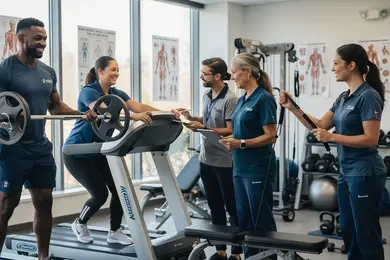
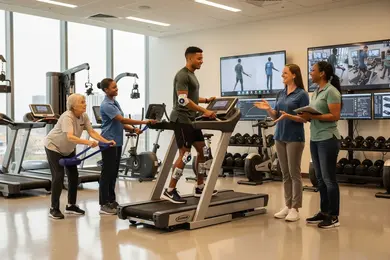
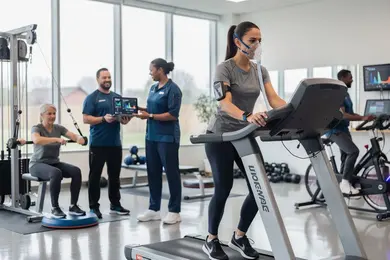
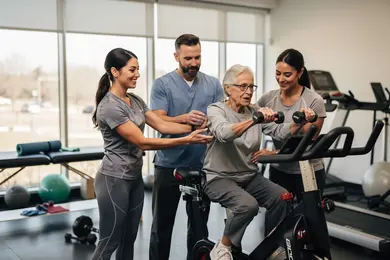
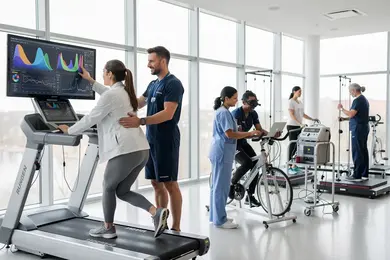
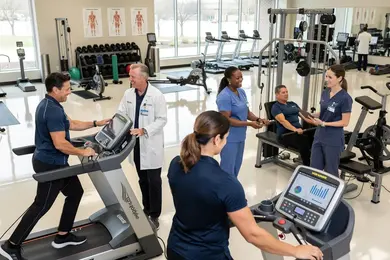
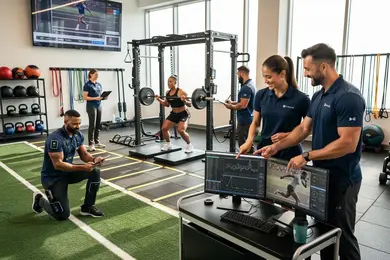
Programs in exercise science that rely primarily on online delivery face inherent challenges replicating the hands-on competencies critical to employment, especially in clinical or performance settings. Essential skills like biomechanical assessments and equipment use require direct supervision and tactile feedback, often absent from virtual formats.
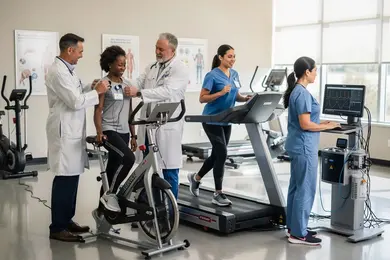
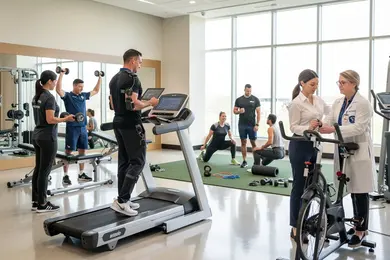
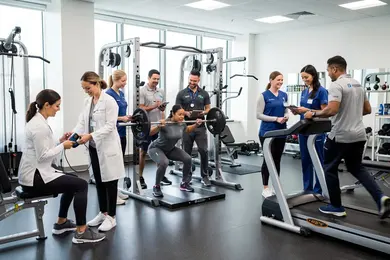
To address this, many accredited online degrees require students to secure local practicums, which can introduce scheduling complications and geographic limitations. In contrast, on-campus programs generally integrate laboratory and clinical work within their curriculum, offering immediate access to supervised facilities and specialized technology.
This exposure aligns more closely with employer expectations in rehabilitation clinics, sports centers, and community health environments, where verified psychomotor proficiency can influence hiring decisions. Working professionals or remote learners opting for online pathways must actively identify quality fieldwork sites, whose variability in rigor may affect credentialing outcomes.
With 32,740 exercise science and kinesiology degrees awarded in 2020-2021 and a 4.8% growth in national completions, documented practical experience increasingly differentiates candidates entering workforce sectors such as corporate wellness or clinical exercise testing.
What admission requirements and prerequisites do online exercise science programs typically have?
Applicants to online exercise science programs face distinct entry expectations that significantly impact their trajectory. A bachelor's degree with a minimum GPA around 3.0 is generally mandatory, with foundational courses such as anatomy, physiology, kinesiology, and biology forming the academic baseline.
Those lacking this background might encounter conditional admission or be required to complete prerequisite classes, effectively lengthening time and cost commitments. Standardized testing remains a variable factor: while some programs still request GRE scores, others waive this in favor of relevant professional experience or strong undergraduate performance.
Work experience in health, fitness, or rehabilitation sectors often serves as a practical advantage, evidencing readiness for the program's applied and research-oriented demands. Consider the working professional transitioning from personal training to clinical exercise physiology.
This shift requires not only prior coursework but also competence in research methodology-skills typically verified through transcripts or certifications. Without them, progression through graduate-level training delays, affecting both time-to-completion and future employability.
Practical awareness of these requirements is essential because earnings in master's-level clinical or research roles generally range from $55,000-$85,000+ annually, as per data shared by NutritionEd.org. Aligning academic preparation with workforce expectations minimizes friction and helps secure positions where evidence-based practice and advanced scientific knowledge are non-negotiable.
How long do online exercise science degrees take, and what do they cost?
Choosing an online exercise science degree requires balancing time investment and workforce realities rather than simply following traditional timelines. While full-time study typically spans four years, working professionals often extend this to five or six years when pursuing part-time enrollment.
This longer path can delay earning potential, forcing a tradeoff between continued income and additional education costs. Program design factors such as asynchronous versus synchronous course delivery and access to clinical practicums critically influence pacing and practical skill acquisition.
Students should also account for added expenses-certification fees, equipment, and possible travel for hands-on components-that tuition alone does not cover. Tuition stability is a meaningful indicator of financial planning feasibility.
For example, Liberty University's online program has seen tuition increases under 5% over a decade, positioning it among the more affordable options for the 2025-2026 academic year. Such predictability aids candidates who must forecast costs alongside income, especially where federal or institutional financial aid is limited.
Employers in health and fitness sectors weigh degree completion and relevant accreditation more heavily than small cost differences, emphasizing the value of demonstrable competence and experiential learning. Prospective students should assess how program length and structure affect their career momentum and salary progression.
What health fitness jobs can you get with an online exercise science degree, and what are the typical salaries?
Securing certification alongside an online exercise science degree is essential to access competitive roles and salary tiers in health and fitness fields. Certified professionals in clinical or specialized settings typically earn between $60,000-$80,000+ annually, while uncertified trainers frequently encounter wage ceilings near $40,000.
This disparity illustrates the importance of recognized credentials such as ACSM, NSCA, NASM, or ACE to complement academic study. Graduates often face a tradeoff between investing time and money in certification versus accumulating practical experience.
Employers prioritize demonstrated expertise in client assessment and program design, areas where purely theoretical online degrees may fall short without concurrent internships or certification preparation. Programs that integrate accelerated certification pathways provide a smoother transition into senior or clinical roles.
Workforce data indicate that those combining degree and credentialing pathways move more quickly into positions with greater responsibility and compensation. For hospital rehabilitation or sports performance positions, ACSM or NSCA certifications align better with employer expectations, reflecting their clinical and athletic performance focus.
What certifications or licenses might you need after an exercise science degree for fitness and health roles?
Holding a degree in exercise science alone rarely suffices for entry or progression in most fitness and health careers due to strict certification and licensing requirements. For example, becoming a certified personal trainer typically demands credentials from the National Strength and Conditioning Association (NSCA) or the American College of Sports Medicine (ACSM), which validate skills in client safety and program design.
Clinical roles, like exercise physiologists working in healthcare, require even more rigorous certification or state licensing, such as the ACSM Certified Clinical Exercise Physiologist credential. These credentialing processes introduce tangible tradeoffs: they extend time before full workforce entry and impose additional costs beyond the degree.
Yet employers prioritize candidates with current, recognized certifications, which can restrict opportunities for uncertified graduates. For instance, a fitness instructor in community settings might only need a general personal trainer certificate, whereas cardiac rehab specialists must maintain advanced clinical licenses that mandate ongoing education.
Regulatory compliance in environments including corporate wellness and rehabilitation also requires certifications in CPR, AED, and first aid, reinforcing that practical readiness goes beyond academic achievement. Navigating this multi-step licensing landscape demands careful planning and continuous education, as these requirements directly influence employability, job scope, and salary potential for exercise science graduates.
Other Things You Should Know About Exercise Science
In 2027, many online exercise science degrees incorporate virtual labs and on-site internships at local fitness centers to provide practical experience. Programs often collaborate with community partners to ensure students gain the necessary hands-on skills needed in health fitness roles.
Most programs require high school biology, chemistry, and algebra, plus a minimum GPA around 2.5 to 3.0 for admission. Some schools also expect CPR certification before internships or practicum work begin, especially for students aiming at health fitness roles.
Not all employers weigh online exercise science degrees the same. Clinical and rehabilitation-focused employers tend to favor candidates with hybrid or campus-based experiences because of the physical assessment skills required. In contrast, corporate wellness and fitness businesses place more emphasis on certifications and client management skills, often accepting fully online degrees if supplemented by relevant credentials.
Given the competitive job market, pursuing specialized certifications in areas like strength conditioning, personal training, or corrective exercise is necessary to differentiate. These certifications enhance practical skill sets not always covered in depth by online curricula and meet direct employer expectations for readiness. Students should prioritize certifications recognized by leading professional organizations to maximize career flexibility and advancement potential.
References
- Exercise Science | Columbia College https://www.columbiasc.edu/academics/undergraduate/exercise-science
- Exercise Science Careers: Paths with Degrees https://www.fitnessmentors.com/exercise-science-careers/
- Exercise Science Degree Programs Lead to Rewarding Careers in Health and Fitness https://www.carrollcc.edu/articles/exercise-science-degree-programs-lead-to-rewarding-careers-in-health-and-fitness/
- Online Exercise Science Program https://stmary.edu/online-programs/exercise-science.html
- Exercise Science | York College of Pennsylvania https://www.ycp.edu/academics/programs/exercise-science
- Exercise Science Degree Programs & Career Guide 2025 https://www.nutritioned.org/exercise-science-degree/
- Best Exercise Science Careers - Let's Find out! https://www.ptpioneer.com/personal-training/exercise-science-careers/
- ESSA's career guide for Accredited Exercise Physiologists https://www.essa.org.au/Web/Web/Resources/Tools-and-templates/ESSA-AEP-Guide.aspx
- Exercise science program accredited by national organization | Lipscomb University https://lipscomb.edu/news/exercise-science-program-accredited-national-organization
- Exercise Sciences https://www.caahep.org/committees-on-accreditation/exercise-science