2027 Exercise Science Specializations With the Strongest Employer Demand

Co-Founder and Chief Data Scientist
Choosing an exercise science specialization involves navigating uncertain labor market dynamics and evolving employer demands. With nearly 40% of U. S. adults enrolling in online or hybrid higher education programs according to the National Center for Education Statistics, candidates must weigh how flexible admissions and delivery formats align with workforce readiness. Many prospective students underestimate how variation in specialization affects career mobility and job placement rates, especially amid rising demand for multidisciplinary skills in rehabilitation, sports performance, and wellness sectors. This article examines the exercise science specializations with the strongest employer demand, providing clear insights to help students and professionals strategically select paths that optimize employment outcomes and professional growth.
Key Things You Should Know
- Specializations in clinical exercise physiology command a 15% higher median salary due to employer demand for healthcare integration skills, prioritizing certifications over traditional degrees, and shifting candidate selection toward practical credentials.
- The surge in employer adoption of remote health monitoring technologies requires proficiency in exercise science subfields linked to digital wellness, pressuring programs to embed tech training yet narrowing hiring to tech-savvy graduates.
- Accelerated 12-18 month exercise science specialization programs reduce entry barriers but correlate with a 20% higher industry turnover rate, reflecting tradeoffs between rapid workforce entry and long-term retention favored by employers.
Which exercise science specializations are most in demand with U.S. employers today?
Exercise science specializations with the highest demand in the US reflect clear employer preferences shaped by sector-specific needs and career realities. Exercise physiologists top the list due to a median wage of $58,160 and a projected 9% job growth from 2024 to 2034. Their expertise in rehabilitation for chronic conditions positions them firmly within healthcare settings, though mandatory clinical internships limit geographic flexibility for students pursuing this path.
Among the top exercise science careers sought by American employers, clinical exercise specialists stand out for their roles in hospitals and outpatient clinics. These positions require advanced knowledge of pathology and patient risk, increasing certification demands but enhancing job security by addressing complex case management and reimbursement challenges.
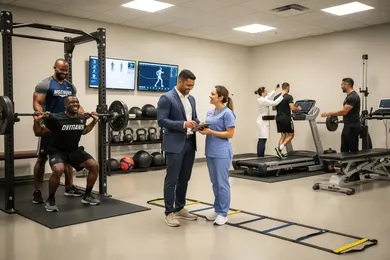
Strength and conditioning coaches face a more competitive market, concentrated mostly in collegiate and professional sports environments. Employers here prioritize candidates who leverage data analytics for athlete performance and injury prevention, but initial entry often depends on building a strong network and reputation rather than straightforward credentialing.
Students evaluating programs must weigh these nuances carefully. Educational costs and certification timelines vary widely, as does the balance between income potential and job stability. Prospective learners can find tailored program options by exploring the best kinesiology programs, which often include pathways aligned with these specialized roles.
What careers do the highest-demand exercise science specializations lead to?
Demand for exercise science specializations in North America diverges notably between entry-level fitness instruction and advanced clinical or athletic conditioning careers. Fitness trainers and instructors, who face a 14% job growth projection from 2023 to 2033 by the U.S. Bureau of Labor Statistics, typically work in commercial gyms where turnover is high and compensation is competitive but moderate. In contrast, strength and conditioning coaches employed in collegiate or professional sports leverage advanced biomechanical expertise to improve athlete outcomes, a role requiring certifications and proven client impact.
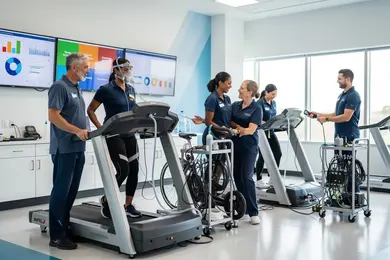
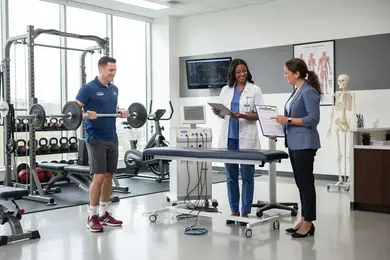
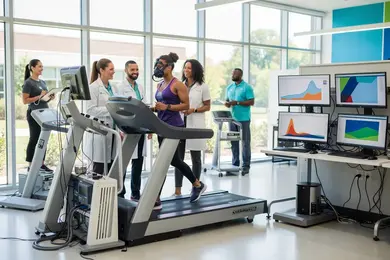
Clinical exercise physiologists operate primarily in rehabilitation centers or cardiac recovery programs, focusing on medical exercise testing and therapeutic program design. While these roles offer more stability within healthcare systems, candidates confront complex certification requirements and must adeptly navigate insurance billing and interdisciplinary protocols.
Employers expect proficiency with digital monitoring tools, data analytics, and telehealth, making experiential learning through practicum partnerships with sports teams or medical institutions essential. Those evaluating exercise science career opportunities in North America should weigh practical tradeoffs: immediate access to client-facing roles versus specialized clinical pathways with steeper entry barriers but greater long-term demand.
Finally, prospective students considering broadening their skill set might also explore online degrees in computer science, as data literacy and tech fluency increasingly complement exercise science expertise in today's evolving health and fitness sectors.
How strong is the current and projected job outlook for exercise science specialists?
Employment demand for exercise science specialists in the United States remains stable but segmented, driven largely by clinical exercise physiology roles in healthcare and rehabilitation settings. The U.S. Bureau of Labor Statistics projects about 1,700 openings annually from 2024 to 2034, reflecting workforce replacement and modest growth rather than rapid expansion. This consistent demand favors candidates with specialized clinical skills over general fitness expertise.
Healthcare employers increasingly require exercise physiologists who can develop tailored interventions for cardiac, pulmonary, or post-injury recovery patients. Such roles typically mandate targeted certifications and hands-on clinical experience, creating a narrower but more secure job market. Graduates lacking this applied proficiency confront challenges accessing secondary or tertiary care positions.
Conversely, positions in wellness and corporate fitness sectors present fewer licensing hurdles but a more crowded, unpredictable marketplace. Prospective students should weigh program curricula emphasizing applied clinical training and professional networking to improve employability. Practical competence with medically complex populations often translates to employer preference and reduced underemployment risk.
For individuals evaluating the exercise science job growth and salary outlook against other pathways, understanding these sector-specific tradeoffs is critical. Deciding between broader, less regulated wellness roles versus clinically intensive tracks affects career stability and advancement potential.
While exploring educational options, consider parallels in credentialing rigor found in allied fields; for example, some may compare foundations such as a degree in library science regarding specialized knowledge and practical demands despite differing contexts.
What degree levels and majors best prepare students for in-demand exercise science roles?
Entry-level positions in fitness coaching, rehabilitation, and performance analysis typically require a bachelor's degree in exercise science degree programs for in-demand careers such as kinesiology or sports science. However, advancing to specialized roles in clinical exercise physiology or elite athlete performance increasingly necessitates a master's degree accredited by recognized bodies. For example, programs emphasizing biomechanics, physiology, and injury prevention better align with demands in professional sports or collegiate settings.
The integration of data analytics into exercise science is a significant workforce shift. Prospective students should consider majors that include performance monitoring skills, as the best majors for exercise science employment opportunities now emphasize quantitative metrics to optimize training and reduce injury risks. Employers seek candidates skilled in modern technologies capable of designing and interpreting precise performance data.
Those targeting clinical roles must prioritize credentials that meet state licensure requirements, particularly in exercise physiology. Conversely, strength and conditioning careers without medical licensure may accept bachelor's degrees with certifications but face increasing credential competition. Real-world experience through internships or cooperative programs is pivotal, easing transition hurdles employers highlight in technology-driven roles.
Choosing between longer education for advanced qualifications versus immediate entry into the workforce reflects tradeoffs between job security and speed. Students pursuing higher degrees-potentially including cheapest masters in data science-can access better growth and stability but encounter prolonged upfront investment.
How do salaries compare across different high-demand exercise science specializations?
Salary outcomes in exercise science reflect distinct employer demands and credential requirements, presenting clear trade-offs for those weighing clinical versus nonclinical tracks. For instance, clinical exercise physiologists working in hospitals, which employ about 22% of this workforce according to the U.S. Bureau of Labor Statistics, average salaries between $60,000 and $75,000 due to their need for licensure and medical collaboration skills. This contrasts sharply with corporate wellness specialists, whose starting pay often falls below $50,000 without managerial roles or occupational health certifications.
Strength and conditioning coaches in professional or collegiate sports face a wide salary range, from $40,000 to $85,000-largely contingent on networking and demonstrated athlete success rather than formal credentials alone. Meanwhile, those entering rehabilitation or physical therapy support roles typically need advanced certifications or graduate degrees to surpass $80,000; without them, wage growth is minimal.
Understanding these distinctions is critical. Choosing a clinical path demands upfront licensing investment but offers a more stable income trajectory and institutional employment. In contrast, wellness and sports-related roles often require strategic relationship-building to advance compensation. Prospective students should rigorously evaluate how education costs, credential requirements, and role expectations align with their career and financial goals.
What courses and skills are emphasized in programs for sought-after exercise science fields?
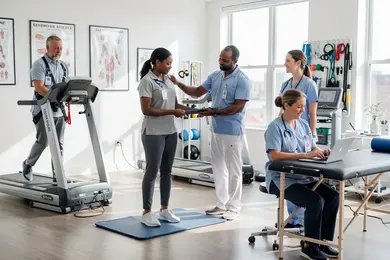
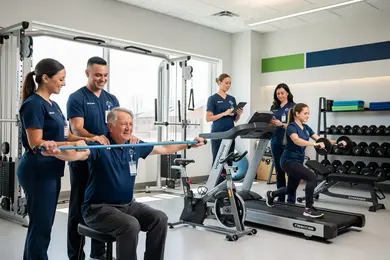
Programs in exercise science that aim for careers in rehabilitation must balance technical depth with applied clinical skills directly aligned to employer demand. Mastery of advanced anatomy, biomechanics, and exercise physiology is foundational but insufficient alone. Employers emphasize the ability to design individualized rehabilitation protocols, conduct functional movement assessments, and apply evidence-based therapeutic exercises that safely accelerate patient recovery.
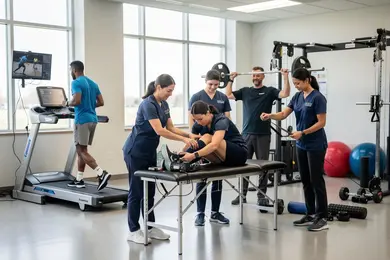
In practice, this means students must engage extensively with clinical exercise testing, injury prevention strategies, and neuro-musculoskeletal rehabilitation methods. For example, a rehab clinic setting requires integrating cardiovascular conditioning alongside injury-specific exercises, directly impacting recovery quality and client safety.
Beyond core clinical competencies, proficiency with data analysis software to track patient progress and outcome measures is increasingly vital, especially for roles connected to physical therapy or occupational rehabilitation. The labor market reinforces this focus: the Bureau of Labor Statistics cited 306,400 fitness trainers and instructors employed in 2021, many of whom transition into or overlap with rehab roles requiring practical, hands-on expertise.
Strong communication skills for client education and interdisciplinary teamwork are equally critical; graduates lacking these applied and collaborative abilities often face hiring barriers despite academic credentials. Evaluating programs includes scrutinizing the availability of internships, clinical placements, and curriculum alignment with rehabilitation certifications prevalent in U.S. healthcare settings to enhance employability.
How do online exercise science programs compare to campus-based options for these specializations?
Online exercise science programs offer accessibility but frequently lack the clinical immersion essential for roles like athletic training support and clinical research coordination. For instance, the University of Cincinnati identifies clinical research coordination as a specialization demanding extensive hands-on exposure to healthcare environments and patient care-elements that campus programs integrate through supervised practicum and internships. Such structured settings enable students to build verified competencies under professional oversight, a factor highly valued by employers in clinical and research sectors.
Employers prioritize demonstrated practical skills, which online programs often struggle to provide consistently. Remote simulations or student-driven external internships introduce delays and uncertainties in credential validation. Consider a working professional shifting toward clinical research coordination; a campus-based program blending clinical placements with research methodology courses accelerates familiarity with ethical standards and patient data protocols more reliably than purely online tracks.
Exercise intervention research candidates must verify their program's accreditation, such as by CAAHEP, ensuring required clinical hours are completed. This guarantee reinforces employability since online formats rarely enforce hands-on requirements systematically, weakening candidates' competitive edge in applied clinical roles.
Students weighing options should recognize the tradeoffs: convenience from online study against immersion necessary to meet rigorous employer expectations. Hybrid models may suit those targeting controlled research roles, but fully online pathways mandate externally verified practicums to sustain market relevance.
What accreditation and certification requirements apply to major exercise science specializations?
Employer requirements in exercise science vary considerably across specialties, shaping which credentials deliver tangible workforce value. Clinical exercise physiologists, for instance, must obtain a bachelor's degree accredited by CAAHEP or a comparable regional body, paired with ACSM certification as a Certified Clinical Exercise Physiologist. This credential demands supervised clinical experience and passing a comprehensive exam, a threshold that filters for practical proficiency sought by healthcare employers.
In applied human performance, especially within military or tactical environments, the NSCA Certified Strength and Conditioning Specialist (CSCS) credential is frequently non-negotiable. This specialization prioritizes measurable applied skills over theoretical knowledge, influencing degree program emphases toward hands-on training. Candidates without CSCS certification face limited opportunities in elite athletic and law enforcement roles.
Conversely, health and fitness fields often consider ACSM or NASM Certified Personal Trainer qualifications merely foundational. Advancement here hinges on accruing continuing education credits and targeted specializations, such as corrective exercise or nutrition, as employers demand versatility beyond entry-level certification.
For those leaning toward research or academia, accredited graduate degrees recognized by CHEA, complemented by ACSM Registered Clinical Exercise Physiologist certification, align with expectations of research rigor and clinical application. The tradeoff entails a longer, more costly educational path but opens doors to higher-level scholarly and clinical positions.
How long do specialized exercise science programs take, and what do they typically cost?
Choosing an exercise science credential requires weighing program duration against practical outcomes and employer expectations. Shorter certificate programs, usually completed within 6 to 12 months, serve those targeting rapid entry into roles like wellness coaching or personal training. These are effective for professionals seeking a quick, affordable credential but often lack clinical rigor.
Longer, more comprehensive specializations ranging from 12 to 24 months incorporate hands-on internships and clinical training crucial for roles in rehabilitative or strength and conditioning fields. These pathways demand greater time and financial investment-with costs spanning $2,000 to upwards of $25,000 depending on program depth and institutional type-yet tend to align more closely with higher salary potential and job security.
Employers hiring fitness trainers typically prioritize certifications attained in under a year combined with demonstrable practical skills. According to the Bureau of Labor Statistics, median annual wages stand near $46,180, suggesting that quicker certifications suffice for entry-level employment, but more advanced credentials correlate with specialized roles and enhanced compensation over time.
- Tradeoffs between accelerated coursework and limited clinical exposure affect long-term career trajectories.
- Lengthier programs suit students aiming for applied clinical expertise and performance optimization careers.
- Cost-benefit decisions must factor in additional commitments such as internships and biometrics training often required in advanced certifications.
Ultimately, selecting the right exercise science pathway hinges on realistic assessment of one's career goals, timeline flexibility, and the balance between immediate employability and specialized knowledge for future advancement.
How can students choose a reputable exercise science program aligned with employer demand?
Employer demand for exercise science graduates increasingly hinges on programs that combine recognized accreditation with proven graduate employment outcomes. Candidates with hands-on clinical experience paired with advanced coursework in exercise physiology and biomechanics satisfy a workforce that values practical skills and applied knowledge. The Bureau of Labor Statistics projects a 10% increase in exercise physiologist roles between 2024 and 2034, particularly favoring those with research and advanced clinical training.
For example, a student targeting cardiac rehabilitation must prioritize programs offering hospital partnerships and internship opportunities to obtain essential clinical exposure. Reviewing graduate employment rates 6 to 12 months after program completion within healthcare, rehabilitation, and research sectors is key to assessing program value.
Advanced credentials-master's degrees or certifications in kinesiology or related fields-often correlate with better job placement and career progression. Geographic factors also impact opportunity; states with aging populations and strong healthcare systems provide more openings in clinical exercise science.
Tradeoffs exist between broad versus specialized curricula. While general programs may open doors in corporate wellness and fitness, specialization accelerates advancement in clinical or research roles. Faculty involvement in current research further enhances employability by aligning training with evolving evidence-based practices.
Cost, financial aid availability, and program length influence return on investment and should be realistically weighed alongside employer connections and hands-on training emphasis to ensure alignment with workforce needs.
Other Things You Should Know About Exercise Science
In 2027, specializations in sports medicine, biomechanics, and exercise physiology are highly sought after. Employers emphasize specializations that integrate advanced technology and data analytics, reflecting the growing trend towards personalized fitness and rehabilitation strategies.
Employers in exercise science typically require a formal degree for specialized roles, but certifications play a critical complementary role. Certifications can differentiate candidates for entry-level positions and some specialized functions, but they rarely replace a bachelor's or higher degree in competitive markets. Candidates should obtain key certifications after securing a degree to enhance employability rather than relying solely on certifications as a standalone qualification.
While specialized tracks align well with specific job roles, broader exercise science programs offer more flexibility across industries and reduce risk if market demand shifts. Students seeking job security should prioritize programs that provide foundational science knowledge with the option to specialize through electives or certificates. This approach allows adaptation if employer demand changes and opens more diverse career paths.
Most employers expect a strong base in anatomy, physiology, kinesiology, and exercise prescription before specialization. A common undergraduate pathway includes about 60–70 semester credits of science and major coursework before advanced tracks in strength and conditioning, clinical exercise physiology, or cardiac rehabilitation.
References
- Updated ACSM-EP and ACSM-CEP Certifications Requirements and Accreditation https://acsm.org/updated-acsm-ep-and-acsm-cep-certifications-requirements-and-accreditation/
- Online Exercise Science Program https://stmary.edu/online-programs/exercise-science.html
- Online Exercise Science Degrees: Top School Review https://www.edumed.org/online-schools/exercise-science-degrees/
- Exercise Science, B.S. - Brooklyn College https://www.brooklyn.edu/academics/programs/exercise-science-bs/
- International Clinical Exercise Physiology Qualification Application Pathways https://icsesp.global/resources/international-clinical-exercise-physiology-recognition-opportunities/
- Exercise Science Degree Programs Lead to Rewarding Careers in Health and Fitness https://www.carrollcc.edu/articles/exercise-science-degree-programs-lead-to-rewarding-careers-in-health-and-fitness/
- What Can You Do With an Exercise Science Degree? https://willamette.edu/academics/college/exercise-health-science/career-options
- Three Up-and-Coming Careers for Health Science and Exercise Science Majors - La Sierra University Blog https://blog.lasierra.edu/three-up-and-coming-careers-for-health-science-and-exercise-science-majors/
- Top 20 Careers With a Master’s in Exercise Science | PLNU https://www.pointloma.edu/resources/health-sciences/top-20-careers-masters-exercise-science
- Exercise Science, Strength & Conditioning Concentration - Otterbein University https://www.otterbein.edu/programs/exercise-science-strength-conditioning-concentration/