2027 Exercise Physiologist vs Strength Coach vs Wellness Coordinator: Pay, Growth, and Promotion Potential

Co-Founder and Chief Data Scientist
Choosing among exercise physiologist, strength coach, and wellness coordinator roles poses a critical challenge for professionals seeking measurable career growth within health sciences. With the US Bureau of Labor Statistics projecting a 13% increase in exercise-related health occupations over the next decade, understanding nuanced differences in compensation, job stability, and advancement trajectories becomes essential for strategic decision-making.
The accelerated adoption of flexible online education, now comprising over 35% of health sciences enrollments according to the National Center for Education Statistics, reshapes how students time their credentials and pivot careers amid workforce demands. This article analyzes pay scales, growth potential, and promotion paths to guide focused career planning in exercise science domains.
Key Things You Should Know
- Exercise physiologists average 14% lower median salaries than strength coaches despite comparable certification costs; delayed credential acquisition phases (12-18 months vs. 6-9 months) hinder early career earnings growth.
- Wellness coordinators face a fragmented job market with 25% fewer specialized roles per labor data projections than exercise physiologists, pressuring candidates to diversify skills beyond clinical foundations.
- Employers prioritize strength coach certifications endorsed by national sports organizations, creating a competitive promotion advantage and faster pathway to leadership roles compared to broader exercise science credentials.
Which job pays more: exercise physiologist, strength coach, or wellness coordinator?
Strength coaches lead the exercise physiologist salary comparison in the United States, earning $60,527 to $84,575 nationally. This premium stems from their niche role delivering targeted athletic performance improvements in competitive sports environments, which demands advanced certifications and deep expertise. Strength coach openings tend to be fewer and highly contested, with employers prioritizing measurable results over broad wellness management.
Wellness coordinators, with an average salary of $61,429, occupy a distinct niche that emphasizes program coordination and population health rather than individualized training. These roles often lie within corporate or community health frameworks and usually offer lower salary ceilings than strength coaches, reflecting different organizational priorities. Exercise physiologists earn an average of $54,860, largely due to wage structures dictated by healthcare and clinical settings where insurance reimbursement and budget constraints suppress pay scales.
Choosing between these careers involves weighing job market realities and personal aptitude: strength coach roles demand competitive credentials tied to sports performance, wellness coordinators require strong communication skills for managing broader health initiatives, and exercise physiologists must navigate healthcare licensure with limited financial upside. Prospective students and professionals interested in a strategic career pivot may consider how program choices intersect with these factors and explore options to study exercise science online to align education with evolving workforce needs.
Which career has the best job outlook and growth potential?
The strength coach role currently offers superior job outlook and advancement opportunities compared to exercise physiologists and wellness coordinators. According to 2025 NSCA data, salaries for strength coaches have increased at a steady 6.7% annually since 2018, with average earnings ranging from $68,089 to $98,564. This wage growth is driven by demand in diverse sectors such as collegiate athletics, professional sports, military programs, and rehabilitation clinics. Employers in these fields prioritize advanced skills in performance optimization and injury risk reduction, which enhances mobility within the profession.
Exercise physiologist career growth in the US is often constrained by slower wage increases and limited promotion pathways, usually confined to healthcare or clinical environments. Progression beyond entry-level positions typically requires additional certifications or graduate degrees, which can delay financial improvement. Wellness coordinators usually face variable prospects that depend heavily on the organization; many of these roles are entry-level with modest median salaries and fewer clear advancement routes, especially outside of corporate wellness initiatives.
Professionals seeking rapid career development and resilience in the exercise science field will find strength coaching financially and professionally more rewarding, especially when supported by reputable certifications and a diverse client or team portfolio. Those focused on wellness coordination or exercise physiology should anticipate navigating fragmented roles or slower compensation growth unless they pursue strategic credentialing. For individuals weighing educational pathways or career pivots, exploring online degrees in computer science can also be relevant, reflecting a broader approach to skill diversification in today's job market.
What education and certification do these careers require?
Exercise physiologist certification requirements in the United States demand a bachelor's degree plus professional certification like the Certified Clinical Exercise Physiologist from the American College of Sports Medicine. This credential requires supervised clinical hours and passing a stringent exam, which directly affects employability and wage potential-median pay stands at $58,550, with top earners exceeding $85,000. This pathway illustrates how formal credentials intersect with labor market value in clinical and rehabilitation roles.
Strength coach educational pathways and credentialing in the United States typically involve at least a bachelor's degree in exercise science or kinesiology along with the Certified Strength and Conditioning Specialist (CSCS) certification. While certification is not legally mandated, it is often a practical necessity for employment in collegiate and professional sports. The CSCS exam emphasizes applied sports science, setting a higher bar for job candidates and shaping competitive hiring landscapes.
Wellness coordinators, by contrast, have more heterogeneous educational and certification backgrounds. Employers often prioritize management experience over specific credentials, causing a tradeoff where credentials such as Certified Wellness Practitioner improve credibility but do not guarantee faster wage growth or advancement. This dynamic creates varied entry points into wellness roles but with less standardized pathways than clinical or strength coaching careers.
Deciding on these paths requires assessing ongoing costs like certification renewals and hands-on experience that impact career mobility. Students considering a pivot in exercise science also benefit from exploring hybrid education options, such as online doctorate data science programs, which can enhance data literacy skills increasingly valued in these fields.
How do exercise physiologist, strength coach, and wellness coordinator roles differ?
Choosing between exercise physiologist, strength coach, and wellness coordinator roles requires weighing distinct professional demands and employer expectations. Exercise physiologists operate within clinical environments like hospitals and rehabilitation centers, prioritizing diagnostic expertise and certifications such as ACSM-EP to develop therapeutic programs for chronic conditions. This path demands rigorous clinical knowledge and often graduate-level education but offers stability in healthcare settings.
Strength coaches, whose responsibilities contrast strongly with exercise physiologist versus strength coach responsibilities, emphasize athletic performance, biomechanics, and periodization. They are typically employed by schools, collegiate sports programs, or professional teams, where practical coaching experience and a bachelor's degree in Exercise Science or kinesiology carry more weight than clinical credentials. The job outlook here is robust, with fitness trainers expected to grow 12% between 2024 and 2034, reflecting the expanding market for performance specialists.
Wellness coordinators manage preventive health initiatives and lifestyle education across corporate or public sectors, focusing on behavior modification and program communication rather than deep exercise prescription. Their role compared to strength coach emphasizes broader health promotion skills over sport-specific training. Certifications in wellness coaching often suffice, bypassing clinical or athletic specialization.
For career pivots demanding both practical skill and credentials, prospective students should critically assess workforce realities. Individuals targeting hospital roles must invest in clinical certifications, whereas aspiring strength coaches benefit most from internships and training methodologies. Those considering advanced interdisciplinary data skills might explore a data science master online to enhance quantitative analytics in Exercise Science applications.
What skills and coursework do exercise science programs emphasize?
Exercise science programs must be evaluated through the lens of how well they prepare graduates for distinct workforce niches, balancing comprehensive scientific grounding with targeted skill development. For example, exercise physiologists face a projected 10% job growth by 2032, largely due to the increasing demand in chronic disease management. This requires training in advanced cardiac rehabilitation protocols and individualized patient care, directly linking curriculum choices to tangible employment outcomes.
Employers expect proficiency not just in physiology and biomechanics but also strong quantitative abilities, including exercise testing, prescription, and data-driven program evaluation. Practical experience through labs and internships in clinical or wellness environments is essential to develop adaptive skills necessary for real-world client assessment.
Specialization presents a tradeoff:
- Strength coaches benefit from focused knowledge in resistance training, nutrition, and periodization, often offered as electives or specialized tracks.
- Wellness coordinators need interdisciplinary exposure to behavioral psychology and motivational strategies to support sustained lifestyle changes.
Highly specialized programs bolster credentials for clinical roles but may limit versatility in corporate fitness or athletic settings. Students must weigh workforce demand trends, prioritize practicum quality, and align their education with specific career pathways to avoid skill mismatches that hinder advancement.

Should you choose an online or campus exercise science program?
The choice between campus and online exercise science programs carries significant implications for skill development and employability. For roles in rehabilitation clinics or athletic departments, employers often prioritize candidates with direct, supervised hands-on experience-typically more accessible through campus settings offering structured internships and clearer certification pathways. Without these, graduates risk limited immediate job prospects and slower salary growth.
Consider the U.S. market reality: wellness coordinators average around $57,000 base pay, with total compensation near $63,000 according to Glassdoor's 2026 data. Programs that enhance applied skillsets and include practical training can influence this trajectory positively. In contrast, many online programs, while flexible, may lack sufficient practicum components to meet industry expectations, particularly for competitive positions requiring demonstrated competencies.
Decision factors include:
- Whether targeted employers emphasize clinical experience over theoretical knowledge, favoring campus attendance.
- Self-directed learning capability and technology comfort required for online success.
- Availability of articulation agreements and internship placements critical for certification regardless of delivery mode.
- Geographic relevance of campus networking for regional job markets.
Evaluating these elements against individual circumstances helps align program choice with realistic career outcomes in exercise science.
How do you verify a reputable accredited exercise science program?
Regional accreditation recognized by the U.S. Department of Education or the Council for Higher Education Accreditation is a non-negotiable baseline for credible exercise science programs. Employers prioritize credentials linked to these agencies, particularly when hiring roles such as exercise physiologists or strength coaches, because they signal thorough vetting and curriculum quality. Programs without national or specialized accreditations like CAATE or CAAHEP often produce graduates who face stiff barriers entering advanced-pay positions or growth-focused roles.
Consider the difference practical experience makes: programs incorporating applied practicum hours and internships with recognized industry partners vastly improve real-world readiness. Faculty expertise tied to professional certifications or research strengthens curriculum relevance, equipping students for tasks beyond textbook knowledge. Conversely, courses lacking transparency on accreditation or practical components can block access to major certifications like ACSM or NSCA, limiting career mobility in clinical or corporate wellness sectors.
Evaluating graduate outcomes provides critical insight. Job placement rates within six months and certification exam pass rates are tangible metrics of program effectiveness. For example, industry data indicates wellness leaders earning $150,000-$300,000+ annually typically have educational backgrounds anchored in accredited and experiential programs.
What are common admission requirements for exercise science degrees?
Admission into exercise science programs requires more than a high school diploma; candidates must demonstrate competence in biology, chemistry, physics, and mathematics, underscoring the degree's scientific foundation. Competitive GPA thresholds generally start around 2.5 to 3.0, with some institutions still requiring standardized test scores despite a growing trend toward test-optional policies. Clinical exposure through volunteering or internships-while not universally mandated-serves as a valuable differentiator, preparing applicants for the practical demands of the curriculum.
Admission committees prioritize evidence of readiness for both theoretical coursework and hands-on application. This often involves submitting letters of recommendation that address academic and practical skills, along with personal statements that clearly articulate career intentions and understanding of exercise science's physical and client-centered components. Some selective programs include interviews or situational assessments to evaluate interpersonal communication critical to roles like strength coaching and wellness coordination.
Professionals seeking career pivots benefit from hybrid or accelerated pathways but often face prerequisite gaps in foundational sciences, which can delay credential completion. Given the median industry compensation-for example, corporate wellness coordinators earning $61,429 annually according to Concordia University Chicago's 2024 career guide-applicants must weigh entrance requirements carefully to ensure their educational investments align with occupational standards and advancement prospects.
How long does an exercise science degree take, and what does it cost?
Choosing an exercise science degree involves evaluating the balance between time, cost, and employer expectations. A bachelor's degree remains the standard for entry-level exercise physiologist roles, with median wages around $58,160 annually, according to Sacred Heart University's 2024 data. This degree typically requires four years full-time, costing $40,000 to $200,000 depending on residency and whether the institution is public or private.
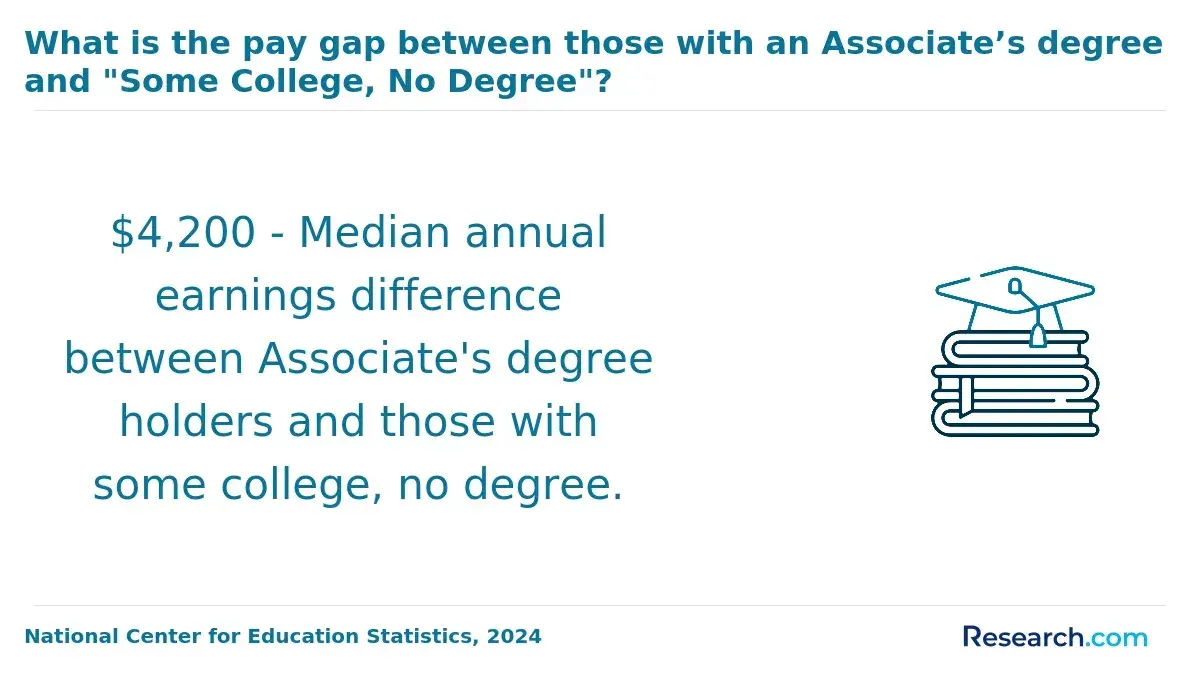
Part-time or online degree options extend completion to five or six years, often increasing total costs due to longer enrollment periods. Associate degrees, though quicker and cheaper at $6,000 to $20,000 over two years, rarely enable graduates to reach higher-wage positions or career advancement, limiting their long-term return on investment.
Professionals targeting clinical or research roles usually pursue a master's degree, an additional two years costing between $20,000 and $60,000. Alongside these degrees, certification exams and supervised clinical hours significantly add to time and expense but are critical for healthcare employers assessing candidate readiness.
Realistically, candidates with advanced degrees or certifications may earn upwards of $77,680, illustrating a tradeoff between upfront educational investment and enhanced salary potential. Understanding these cost-benefit dynamics is essential for those strategically pivoting careers or progressing within the exercise science workforce.
Which career offers the strongest promotion potential?
Exercise physiologists hold the clearest advancement pathways among related roles by leveraging clinical expertise and certifications aligned with healthcare and rehabilitation environments. Unlike strength coaches, whose promotion depends on sports organization structures and networking, exercise physiologists can rise to supervisory, program development, or clinical director positions within medical or research settings, roles that typically offer higher salaries and authority.
Wellness coordinators face structural limitations in career growth due to the flat hierarchies and part-time nature of many corporate and community wellness programs. Wage data from the Bureau of Labor Statistics indicates fitness trainers-whose roles overlap with wellness coordinators-earn a median annual wage of $46,180 with 74,200 job openings but encounter high turnover and limited promotional prospects.
For professionals prioritizing promotion, advanced degrees and specialized certifications in clinical exercise testing and rehabilitation strengthen credentials required to meet employer expectations in healthcare. For instance, a cardiac rehab center might promote an exercise physiologist to program manager based on improved patient outcomes, an opportunity generally unavailable to strength coaches or wellness coordinators operating outside clinical contexts.
Career decisions should weigh employer expectations and industry realities carefully: management roles in sports or corporate wellness rarely carry the clinical scope or influence exercisologists attain. Advanced education directly addresses competitive openings, as turnover alone does not guarantee higher positions without structured career ladders.
Other Things You Should Know About Exercise Science
For promotion into management, employers most often prefer a graduate degree for exercise physiologists, such as a master’s in exercise science or kinesiology, plus supervisory experience. Strength coaches and wellness coordinators are commonly promoted with certifications like CSCS or CHES and several years of program leadership.
Employer expectations on continuing education differ by role and sector. Strength coaches in competitive sports environments face constant pressure to adopt new training methodologies, requiring frequent certifications and workshops. Exercise physiologists working in healthcare or rehab settings must maintain licensure and clinical competencies with updated certifications. Wellness coordinators are expected to stay current on health trends and corporate wellness strategies but often have more flexibility in continuing education timing and format. Choose a role compatible with your capacity for ongoing professional development.
Wellness coordinators provide the broadest career flexibility outside direct exercise science fields, thanks to their overlap with corporate wellness, HR, and public health domains. Exercise physiologists have transferable skills toward healthcare, rehabilitation, and research but face licensing and specialization barriers that can limit easy industry pivots. Strength coaches are more niche, with skills deeply tied to sports and athletics settings, making transitions to unrelated industries challenging. Prioritize wellness coordination if long-term cross-industry mobility is a key goal.
References
- Online Exercise Science Degrees: Top School Review https://www.edumed.org/online-schools/exercise-science-degrees/
- Exercise Science Degree Programs Lead to Rewarding Careers in Health and Fitness https://www.carrollcc.edu/articles/exercise-science-degree-programs-lead-to-rewarding-careers-in-health-and-fitness/
- Building Trust in Qualified Exercise Professionals: The Power of Alignment, Professional Competencies and Academic Accreditation https://acsm.org/building-trust-certified-pros/
- Kinesiologist vs Strength Coach vs Personal Trainer vs… - Vital Performance Care https://vitalperformancecare.com/trainer-vs-strength-coach/
- 10 in-demand careers for the future https://www.vu.edu.au/about-vu/news-events/vu-blog/10-in-demand-careers-for-the-future
- Exercise science program accredited by national organization | Lipscomb University https://lipscomb.edu/news/exercise-science-program-accredited-national-organization
- Career development opportunities: better than a promotion https://www.neobrain.io/en/blog/redefining-career-growth-opportunities
- Important differences between different health professionals https://vectorhealth.com.au/some-of-the-important-differences-between-different-professionals-in-the-health-fitness-and-sports-performance-realms/
- What is an Accredited Exercise Scientist | Exercise Right https://exerciseright.com.au/what-is-an-accredited-exercise-scientist/
- AES accreditation https://www.essa.org.au/Web/Web/Accreditation/Becoming-accredited/AES-accreditation.aspx