2027 Online Exercise Science Degrees With Strong Client Coaching Training

Co-Founder and Chief Data Scientist
Exercise science professionals increasingly confront a complex challenge: ensuring their academic training includes effective client coaching skills critical for workplace success. Despite growing demand for fitness and rehabilitation specialists, many graduates lack practical coaching experience, leaving them underprepared for employer expectations.
The National Center for Education Statistics reports a 35% surge in online degree enrollments in health-related fields since 2022, driven largely by adult learners balancing work and study. This shift signals a strategic need for programs combining flexible, remote learning with robust, hands-on coaching components.
This article examines online exercise science degrees that meet these criteria, equipping students with both theoretical knowledge and client-facing proficiency.
Key Things You Should Know
- Online exercise science degrees with strong client coaching focus often lack sufficient hands-on practicum hours; the National Commission for Certifying Agencies sets a 500-hour minimum, influencing workforce readiness and licensure eligibility.
- Employers prioritize candidates with verified coaching competencies alongside academic credentials, with 62% of health clubs listing client coaching as a top hiring criterion per 2024 IHRSA workforce data, narrowing acceptable program options.
- Programs incorporating integrated virtual simulation reduce average student costs by 18% and shorten time-to-completion by 4 months, but compromise tactile skill exposure critical for entry-level coaching effectiveness.
What is an online exercise science degree with a client coaching focus?
Online exercise science degrees with client coaching specialization focus on translating core sciences, physiology, kinesiology, biomechanics, into skills suited for virtual or hybrid coaching environments. Graduates are expected to customize fitness plans without direct supervision, relying on remote assessment and communication techniques that sustain client accountability and motivation.
This specialization directly addresses market demand for professionals who can operate effectively within digital modalities, a factor becoming increasingly non-negotiable in fitness personnel hiring.
Programs known as the best online exercise science programs focused on client coaching typically prioritize behavior change methodologies, motivational interviewing, and tech-enabled progress tracking. Such training equips students to solve practical challenges like adapting exercises remotely for clients with limited equipment and managing engagement without physical presence.
Internships or supervised practicums offered virtually contribute significantly to licensure eligibility and skill application but vary widely across programs, posing a critical selection criterion for career-aligned applicants.
Employment projections anticipate a 14% increase in fitness trainer and instructor roles through 2032, expanding opportunities for graduates who merge scientific expertise with client-centered communication. Employer expectations now commonly include proficiency in technology-enabled coaching to meet rising demands for virtual services. For those evaluating this degree, aligning program features with professional networks and real-world coaching scenarios is essential.
Prospective students should also assess program offerings in relation to broader workforce trends, such as specialized roles including virtual personal trainers and corporate wellness coaches. Additionally, understanding adjacent opportunities in sectors like rehabilitation support broadens potential career paths within this evolving domain. For data-driven insights into analogous career trends, see sports analytics jobs.
How do online exercise science programs compare to campus-based options for coaching training?
Online exercise science coaching training compared to campus programs reveals a significant divergence in practical skill acquisition. While theoretical knowledge can be matched online, the scarcity of continuous, direct supervision during hands-on modules limits immediate skill mastery critical for client interaction and biomechanics applications.
Unlike traditional campus programs that integrate frequent in-person labs and internships, online students must proactively secure local practicum placements or certifications, increasing coordination demands and extending completion timelines.
Employers emphasize measurable skills and verified certifications, often favoring candidates with demonstrable practical experience regardless of the education delivery method. For example, graduates targeting clinical rehabilitation or athletic training roles cannot rely solely on online coursework without supplementing with additional mentorship or national certification programs.
Conversely, professionals aiming for corporate wellness or remote coaching roles may benefit from the flexibility and cost savings offered by the online model without sacrificing essential competencies.
The 2024 data from College Affordability Guide categorizes online exercise science bachelor's degrees as "high return," reporting median early-career salaries of $48,700 and mid-career pay around $80,300. This suggests that, combined with deliberate practical experience, online animal science programs and exercise science online degrees can yield strong labor market outcomes. Prospective students must weigh these tradeoffs carefully to align educational pathways with their targeted career trajectory.
Which U.S. colleges offer accredited online exercise science degrees for future coaches?
Employers hiring for coaching roles in fitness increasingly emphasize accreditation paired with applied online competencies in exercise science. U.S. colleges with reputable accredited online exercise science degrees balance foundational science with client communication and virtual coaching skills, addressing distinct demands within remote and hybrid markets.
For example, programs at Arizona State University and Oregon State University integrate tailored modules in coaching methodologies alongside standard exercise science coursework. Recognized accreditations from bodies like CAAHEP or CAA confirm the curricula meet professional expectations but vary in emphasis on practical client engagement.
Decision-makers should weigh curriculum design against market requirements. Institutions such as California University of Pennsylvania embed practicum experiences leveraging digital platforms, crucial for clients' measurable progress in virtual settings.
This practical layer can offset challenges seen in graduates lacking real-world coaching interaction, directly impacting employability in an evolving sector. A 2024 workforce analysis found that trainers adopting structured online coaching platforms typically grow their clientele by 24% within the first year.
Several U.S. colleges provide accredited online exercise science degrees that also integrate pathways for certifications popular with employers, including the Certified Strength and Conditioning Specialist (CSCS) and NASM-CPT. Programs like those at the University of Massachusetts Amherst further augment online coaching proficiency through data-driven client outcome tracking, meeting the demand for empirically measurable progress.
Selecting an online exercise science degree involves assessing internship placement support and flexible schedules, aspects critical to gaining coaching experience alongside academic credits. Aligning program choices with local certification and licensing requirements can significantly influence sustained career growth.
Prospective students aiming for a strategic pivot or advancement should also compare these practical facets across accredited online exercise science degrees in the United States. For broader perspective related to online graduate education, see masters of library science online.
What coursework and hands-on practice are included in online exercise science coaching curricula?
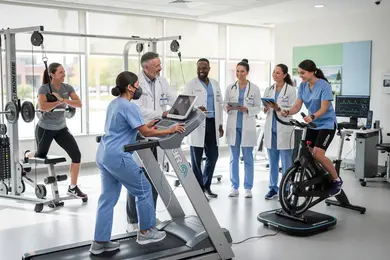
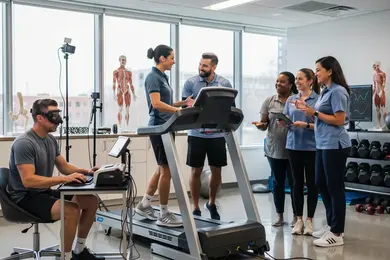
Online exercise science client coaching techniques require more than theoretical knowledge; they demand structured, hands-on practice to bridge classroom learning and real-world application. Programs integrating kinesiology, biomechanics, exercise physiology, nutrition, and behavior change theory must emphasize supervised practical labs and client interaction. This focus ensures proficiency in movement analysis, program design, and physiological assessments tailored to diverse populations.
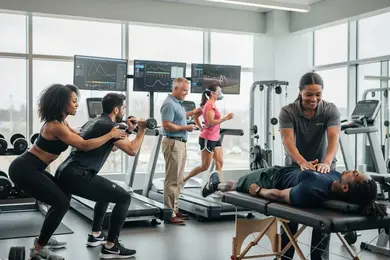
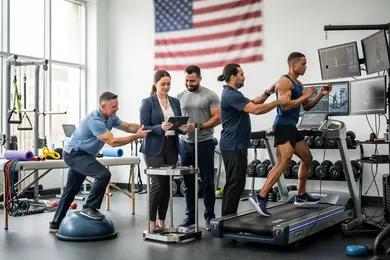
Hands-on practice in exercise science coaching programs varies widely, from solely virtual observations to mandated direct client engagement in clinical or community settings. This variability directly affects graduate readiness and employability, as employers increasingly prioritize candidates with verified practical skills and demonstrated client communication abilities, including motivational interviewing.
Nutrition education is no longer optional. Personal trainers with documented nutrition expertise command salaries approximately 21% higher, according to labor-market analysis based on EMSI/BLS data. Integrating dietetics fundamentals alongside exercise prescription aligns curricula with workforce demands.
Students must critically evaluate program structures, especially the quality and extent of experiential components, to meet certification standards and real-world challenges. For prospective students balancing career pivots, understanding these operational details can mean the difference between theoretical knowledge and effective, adaptable client coaching performance.
For those exploring advanced data-driven approaches complementary to coaching skills, consider reviewing MS data science online offerings to enhance analytical competencies relevant to performance metrics and wearable tech integration.
What admission requirements and prerequisites do online exercise science programs typically have?
Admission criteria for online exercise science programs reveal a clear tension between accessibility and workforce readiness. Undergraduate entry typically mandates a high school diploma with a foundational GPA near 2.5, plus demonstrated competence in core sciences like biology and anatomy.
However, aspiring professionals seeking competitive programs, especially those serving working adults or career changers, must often meet higher benchmarks including standardized test scores or prior credits. This impacts timelines and preparation strategies because adequate prerequisite knowledge is critical to withstand program rigor and practical client coaching demands.
Graduate-level pathways require more substantial groundwork: a bachelor's degree in exercise science or related disciplines, evidence of proficiency in human biology and statistics, and often certifications such as CPR/AED before clinical engagement. Applicants also navigate subjective criteria, recommendations, personal statements, and documented field experience, which directly influence post-graduation employability in specialized roles.
The expanding presence of 164 online exercise science degrees worldwide by 2025 presents a practical challenge: less-selective, newer programs may grant easier admission yet demand additional certifications later to achieve industry-recognized coaching or rehabilitation credentials. For instance, a student enrolling in a flexible program might quickly enter the field but could face credentialing hurdles that delay independent practice or employment.
Strategic applicants must therefore assess the tradeoffs between initial admissions ease, program reputation, and long-term credential requirements to position themselves effectively in a competitive labor market.
How long do online exercise science degrees take, and what do they cost?
Completing an online exercise science bachelor's degree typically requires 3 to 4 years for full-time students but extends to 5 or 6 years for part-time learners balancing work.
This extension stems from mandatory supervised practicum components essential for developing real-world coaching competencies, an element employers prioritize over theoretical knowledge alone. Accelerated programs are rare because compressing these practical experiences risks undermining graduate employability.
Tuition ranges widely from $30,000 to $60,000, influenced by residency and institution type. Public universities offer more affordable fees for in-state students, while private colleges push costs higher. Beyond tuition, candidates should anticipate certification fees, lab equipment expenses, and occasional travel for fieldwork, adding thousands to the overall investment.
Consider the example of an adult learner in Minnesota aiming to pivot into coaching: four years of study with $45,000 in tuition aligns with a regional job market projecting 910 annual openings for coaches and scouts through 2030. Such demand justifies the cost only if the chosen program integrates credible practicum training recognized locally, avoiding programs lacking hands-on components that can impede timely job placement.
Prioritizing programs with robust client coaching elements within an online format is critical to bridging skills gaps employers seek. Candidates must verify practicum quality and regional acceptance rather than opting for superficially shorter or cheaper routes that potentially hinder career outcomes.
What certifications and licenses can graduates pursue in fitness and exercise coaching?
Employers in applied exercise science roles consistently prioritize certifications that demonstrate both academic background and targeted expertise, making the Certified Strength and Conditioning Specialist (CSCS) and the National Academy of Sports Medicine Certified Personal Trainer (NASM-CPT) some of the most actionable credentials for candidates with exercise science degrees.
Choosing between certifications hinges on career focus and practical demands:
- CSCS is nearly mandatory for strength coaching at NCAA Division I and professional levels but requires rigorous exam preparation and a relevant degree with fees around $300-$400.
- For clinical or rehabilitative contexts, the Licensed Clinical Exercise Physiologist (CEP) from ACSM demands verified clinical experience beyond a degree, often challenging for those transitioning careers due to timing and testing requirements.
- Trainers aiming for quicker entry into commercial gyms frequently pursue NASM-CPT or ACE credentials due to lower initial investment and faster completion.
Financial data supports the value of higher-level certifications coupled with graduate education, as master's-level professionals in strength and conditioning earn 18-22% more than bachelor's-only peers, revealing real-world returns on advanced licensing and specialized training.
Ongoing continuing education and membership fees between $100 and $400 annually also affect long-term career viability, making it essential for professionals to plan for these commitments based on their targeted employment setting, whether collegiate athletics, private coaching, or corporate wellness.
What careers can an online exercise science degree with coaching training lead to?
Graduates with an online exercise science degree combined with coaching training must navigate a labor market that prioritizes applied skills alongside academic credentials. Roles such as personal trainers, exercise physiologists, or strength and conditioning coaches demand not only scientific knowledge but also the ability to customize programs, communicate effectively, and motivate clients based on real-time progress data.
For example, exercise physiologists working in clinical settings coordinate closely with healthcare providers to manage cardiac rehab patients, requiring precise outcome documentation and collaboration.
Certification such as ACSM or NSCA often serves as a practical qualification filter for employers, supplementing a degree by validating hands-on competence. Despite overall job growth projected around 10% through 2032 for exercise physiologists, regional differences and employer expectations create considerable variability in hiring and compensation. High-level roles in professional sports or advanced clinical practice tend to demand graduate education and documented experience beyond a bachelor's.
In terms of cost, 2024 tuition data shows considerable variation, with total online bachelor's program expenses ranging roughly from $15,675 to over $25,000, often around $420 per credit hour for accredited programs. Prospective students should weigh these out-of-pocket costs against realistic starting salaries and the additional investment in certification. This balance is critical for those planning further education or long-term credentialing demands.
What salary ranges and job outlook can exercise science coaching professionals expect?
Salary outcomes for exercise science coaching professionals vary significantly based on industry focus and credentials. Entry-level positions in community fitness typically start near $40,000 annually, while roles requiring specialized master's degrees or certifications, especially within collegiate or professional sports environments, often offer $60,000 to $75,000 or more. Clinical and rehabilitation coaching roles generally fall in the $50,000 to $65,000 range, indicating the premium placed on specific expertise.
Projected job growth at 11% through 2032 exceeds average occupational expansion, fueled by demand for targeted fitness improvements and injury prevention. However, metropolitan regions with saturated labor markets tend to favor candidates holding advanced coaching qualifications and relevant internships, making these credentials a strategic consideration rather than a guaranteed advantage.
Trade-offs between program costs and expected salary premiums matter: online graduate sport-coaching degrees typically charge $500-$750 per credit, totaling around $18,000 in tuition. This relatively moderate investment contrasts with more expensive health-science programs, but candidates should weigh this against the real-world value of hands-on experience, which some employers prioritize over formal education.
Recruiters in youth sports or community wellness often emphasize coaching skills over degrees, while collegiate and professional employers seek graduate-level education coupled with networking and practical internships for competitive positioning.
How can students evaluate and choose a reputable online exercise science coaching program?
Programs lacking structured, practical coaching components often produce graduates with limited readiness for client-facing roles in exercise science. Over 70% of top-ranked "best value" programs identified in the College Affordability Guide 2025 integrate hands-on coaching or client interaction, directly responding to employer needs for applied skills rather than purely theoretical knowledge.
Evaluating online exercise science coaching degrees requires scrutiny of whether curricula include synchronous or asynchronous practicums, simulated client assessments, or structured externships with local fitness providers. Without such elements, graduates risk entering rehabilitation clinics or corporate wellness settings unprepared for behavior modification and communication demands, slowing career momentum.
Accreditation by bodies like the Commission on Accreditation of Allied Health Education Programs (CAAHEP) confirms baseline quality but does not guarantee robust coaching training. Stronger employability outcomes align with programs that grant credit for credentials such as Certified Exercise Physiologist or behavioral coaching certificates, which signal applied competencies valued by employers.
Program delivery format matters: reliance on recorded lectures with minimal interaction restricts students' ability to develop client rapport and coaching adaptability. In contrast, graduates from programs emphasizing applied coaching report smoother career pivots into roles like personal trainer or strength coach.
Other Things You Should Know About Exercise Science
Employers value degrees from accredited online programs as much as traditional ones, but reputation hinges on program rigor and hands-on experience. Programs that integrate substantial practical coaching components, such as internships or practicum, produce graduates better prepared to meet workplace demands. Without these elements, graduates may face challenges demonstrating applied skills, which employers prioritize alongside theoretical knowledge.
Programs with a strong client coaching focus require significant time commitment beyond coursework, including simulations, real-client interactions, and reflective practice. Students must balance theory with skill development, often doubling the practical hours compared to traditional exercise science tracks. Prospective students should assess their capacity for consistent, often self-driven practice, as this focus intensifies the workload but enhances employment readiness in coaching roles.
Yes. Many 2027 programs include 120 to 300 supervised practicum or internship hours in fitness centers, wellness clinics, or campus-approved coaching settings. Students usually must complete CPR/AED certification before placement, and sites often require background checks or liability coverage before they begin client contact.
References
- TeamUp https://peloton-proxy.goteamup.com/resources/best-fitness-instructor-certifications-pt/
- Best Certifications Online | ACE https://www.acefitness.org/fitness-certifications/default.aspx
- 2026 Best Online Exercise Science Degrees https://www.onlineu.com/degrees/exercise-science
- Online Exercise Science Program https://stmary.edu/online-programs/exercise-science.html
- How to Become a Personal Trainer | NASM #1 Accredited Certification https://www.nasm.org/how-to-become-a-personal-trainer
- What Can You Do with an Exercise Science Degree? https://www.cune.edu/news/what-can-you-do-exercise-science-degree
- Five Online Degrees For Students With A Passion For Fitness https://www.academicinfo.net/blog/2023-02-16-five-online-degrees-for-students-with-a-passion-for-fitness/
- What Certifications Do Most Personal Trainers Have? | ISSA https://www.issaonline.com/blogs/training-tips/what-certifications-do-most-personal-trainers-have
- Online Exercise Science Degrees: Top School Review https://www.edumed.org/online-schools/exercise-science-degrees/