2027 Online Exercise Science Degrees for Fitness Management Roles

Co-Founder and Chief Data Scientist
Professionals aiming to advance into fitness management roles often confront the challenge of balancing education with full-time employment and personal commitments, making traditional campus programs impractical. According to the National Center for Education Statistics, over 35% of postsecondary students enrolled exclusively in online courses in 2023, reflecting a decisive shift toward flexible learning modalities that accommodate diverse schedules.
This trend signals a critical reorientation in how workforce-bound learners approach credentialing, prioritizing programs that align with career timelines and immediate skill applicability. This article evaluates online exercise science degrees geared toward fitness management, providing actionable insights to navigate program selection, accessibility, and employer expectations effectively.
Key Things You Should Know
- Online exercise science degrees in 2026 frequently omit required clinical placements, causing graduates to face certification delays and limiting immediate employability in fitness management roles reliant on licensure.
- The U.S. Bureau of Labor Statistics projects 15% growth in fitness management jobs through 2030, pressuring degree programs to integrate business analytics to meet evolving employer preferences for data-driven leadership.
- Average total online program costs exceed $35,000, often with extended completion times compared to in-person, forcing candidates to weigh higher debt and slower career entry against geographic and scheduling access.
What is an online exercise science degree for fitness management?
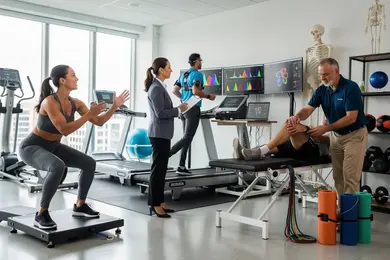
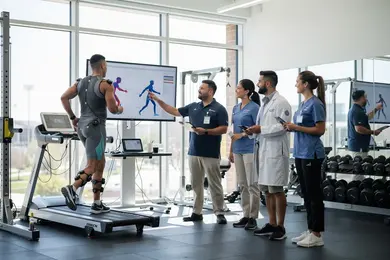
Effective fitness management through online exercise science degree programs in the United States demands more than theoretical knowledge; it requires integrating applied human physiology, biomechanics, and nutrition with operational leadership. Employers prioritize graduates who demonstrate proficiency in client assessment, program design, and business management-skills best developed through programs that blend coursework with practical internships or virtual labs.
For instance, wellness coordinators leveraging such programs can immediately improve client outcomes while earning credits, a critical real-world advantage. Challenges arise when balancing theory and hands-on experience.
Without accredited internships or local practicum opportunities embedded in a curriculum, graduates may struggle to meet certification prerequisites essential for competitive roles. This gap often delays entry into leadership positions, particularly in markets where corporate wellness initiatives are expanding rapidly.
The labor market reflects this dynamic: exercise science online courses for fitness management careers are increasingly relevant, with job growth projected between 6% and 14% over the next decade. However, graduates lacking substantial management training or internship credit risk slower progression, especially in urban centers with dense competition.
Prospective students should scrutinize program depth in fitness business operations and employer partnerships that facilitate internships, as timely graduation combined with professional networking can distinctly influence employability. Those seeking a streamlined path can also study exercise science online to match their pace and career goals.
Which accreditations should an online exercise science program have?
Choosing an accredited online exercise science program in the United States directly impacts a graduate's employment and certification prospects. Without regional accreditation from recognized bodies such as the Commission on Accreditation of Allied Health Education Programs (CAAHEP), credits may not transfer, financial aid could be inaccessible, and employers might devalue the degree.
This is especially significant for those pursuing top recognized certifications for online exercise science degrees, as credentialing boards often require graduation from accredited institutions. Programs lacking specialized accreditation in biomechanics, kinesiology, or exercise physiology risk limiting graduates' eligibility for clinical certifications, such as the American Society of Exercise Physiologists' Certified Exercise Physiologist.
Employers-particularly in healthcare-prioritize candidates with validated clinical practicum experience, which many online programs must supplement through local facility partnerships given virtual learning limitations. The financial advantage of accredited online exercise science programs often lies in reduced living expenses, compared to on-campus students who pay average room and board costs of $19,370 at public and $45,920 at private universities, per National Center for Education Statistics (2020-2021).
This difference allows greater investment in certifications or specialized training vital for fitness management careers. Prospective students weighing a degree should also consider how their choice aligns with employer expectations and job market requirements rather than focusing solely on cost or convenience. For those exploring educational pathways involving technology fields, programs like a computer science degree online offer a distinct set of outcomes and workforce dynamics, underscoring the importance of targeted program selection based on career objectives.
What careers can you get with this degree?
Fitness management job opportunities with exercise science degree holders reveal a distinct wage gap and role complexity that should factor into career planning. Fitness trainers and instructors, at around $46,180 median annual pay according to U.S. Bureau of Labor Statistics data for 2024, usually operate in gyms or wellness programs focusing on client motivation and routine design without extensive clinical obligations.
Conversely, exercise physiologists, earning roughly $58,160, engage in more specialized clinical environments such as hospitals and rehabilitation centers, applying diagnostic and treatment protocols that demand advanced certifications beyond the degree. This dynamic means graduates must weigh immediate workforce entry against additional credentialing requirements that clinical roles require.
Employers increasingly seek candidates with measurable outcomes in client adherence or rehabilitation efficacy, alongside practical experience and supervisory skills to move into fitness management. For those navigating online exercise science careers in fitness management, the path often includes developing expertise in facility oversight, budgeting, and staff coordination.
Internships in healthcare or commercial fitness sectors improve alignment with these expectations by providing relevant real-world exposure. Students exploring related graduate options might compare credential amplification with a MLIS degree online for interdisciplinary advancement in health information management, illustrating diverse strategic pivots post-degree.
How do online and campus exercise science programs compare?
The choice between an online exercise science degree vs campus programs hinges on balancing controlled, hands-on training with flexibility. Campus programs grant access to physical labs, equipment, and supervised clinical internships critical for applied skills such as kinesiology testing and injury assessment.
This direct engagement typically aligns better with employer demands in athletic training and rehabilitation, where verifiable clinical experience is non-negotiable. By contrast, online exercise science education for fitness management offers scalable access and adaptable schedules suited for working professionals, but students must independently secure local clinical placements, which often challenges program completion and certification eligibility.
Employers favor candidates verified through rigorous, supervised practical training, which campus experiences standardize more consistently. With the Bureau of Labor Statistics projecting a 19% growth in athletic trainer jobs from 2018 to 2028-well above average-students must prioritize operational learning environments. Graduates of campus programs often enter the workforce with greater confidence in applied competencies, while online students need targeted internships to offset experiential gaps.
For those considering accelerated PMHNP programs online or exercise science education, aligning program delivery with labor market realities and licensing prerequisites in 2026 is essential. This nuanced understanding supports strategic choices beyond convenience or cost alone. More information on related pathways can be found at accelerated PMHNP programs online.
What coursework is included in fitness management programs?
Fitness management programs extend beyond technical exercise science by requiring graduates to navigate complex organizational and regulatory environments. While core coursework covers exercise physiology, biomechanics, and kinesiology, the critical differentiator is the integration of management skills including facility administration, ethical business practices, and program development.
This combination anticipates employer demand for professionals who can both understand the science of client health and lead operational teams effectively. Students must balance scientific knowledge with practical skills such as health promotion, injury prevention, and nutrition science to tailor exercise programs safely across diverse populations.
However, the transition into managerial roles often reveals gaps in regulatory comprehension and insurance navigation, especially when moving between public health settings and private enterprises. This necessitates continuous, practical learning beyond the classroom.
Graduates who develop competency in leadership, communication, and marketing are more competitive for roles that require client retention and community engagement. Notably, U.K. workforce data shows only a fraction secure conventional fitness roles 15 months after graduation, emphasizing the value of adaptable skills and the potential need to pursue supplemental certifications or specialized training.
What admissions requirements do these programs usually ask for?
Admissions for online exercise science degree programs typically hinge on more than just a high school diploma. Many programs require a minimum GPA of 2.5 and foundational coursework in biology, chemistry, and mathematics to ensure candidates can handle the scientific demands ahead.
Standardized test requirements like the SAT or ACT are becoming less rigid but can still influence acceptance. Prior academic credits or relevant healthcare, coaching, or fitness experience can give applicants an edge, as employers and programs favor proven practical knowledge alongside academic readiness.
Letters of recommendation often function as a crucial filter for assessing professionalism and motivation, qualities directly tied to success in fitness management roles. Applicants should prepare a personal statement articulating career objectives and relevant experience, which helps admissions committees assess fit and commitment.
Experience in clinical, rehabilitation, or volunteer settings is frequently viewed as a practical asset or requirement, bridging classroom learning with real-world fitness environments. Different tracks like sports science management or rehabilitation may impose additional prerequisites, reflecting specialized workforce demands.
Graduates of rigorous programs typically benefit from better employment prospects; the Bureau of Labor Statistics notes a median annual wage of $47,290 in recreation and fitness roles, exceeding the overall worker average. Such pay differentials often correlate with meeting higher admission standards and completing comprehensive training successfully.
How long does an online exercise science degree take?
Completing an online exercise science degree requires navigating a timeline deeply influenced by credential level, enrollment status, and practical components. Associate degrees typically take two years full-time, whereas bachelor's degrees extend to nearly four, with accelerated bachelor's programs condensing study to about three years through year-round courses and increased credit loads.
For working adults balancing jobs, the duration often exceeds four years, affecting how quickly they reenter the workforce and progress financially. Beyond the degree, industry expectations frequently include certifications such as Certified Strength and Conditioning Specialist (CSCS) or Clinical Exercise Physiologist, each demanding additional study, practicum, and exams.
These layered credentials reflect employer priorities for combined academic and professional validation, adding complexity to the pathway. Students should anticipate logistical challenges related to local supervision for clinical practicum hours, which can delay graduation if placements are limited.
Modular programs paired with accelerated certification courses offer a flexible option for career changers, mitigating disruption but requiring disciplined planning. These factors influence readiness for management roles and long-term employability within exercise science fields.
How much do online exercise science degrees cost?
Choosing between online and traditional exercise science degrees requires balancing tuition costs with professional outcomes and flexibility. Public flagship universities typically charge around $8,980 annually for an on-campus bachelor's degree and $12,522 for a related master's, reflecting a clear cost increase from undergraduate to graduate levels.
Online programs often offer per-credit pricing between $300 and $600, making bachelor's degrees range from $36,000 to $72,000 total, though in-state public rates can reduce this to near $40,000. Master's online programs usually require 30 to 45 credits, costing between $10,000 and $30,000 overall.
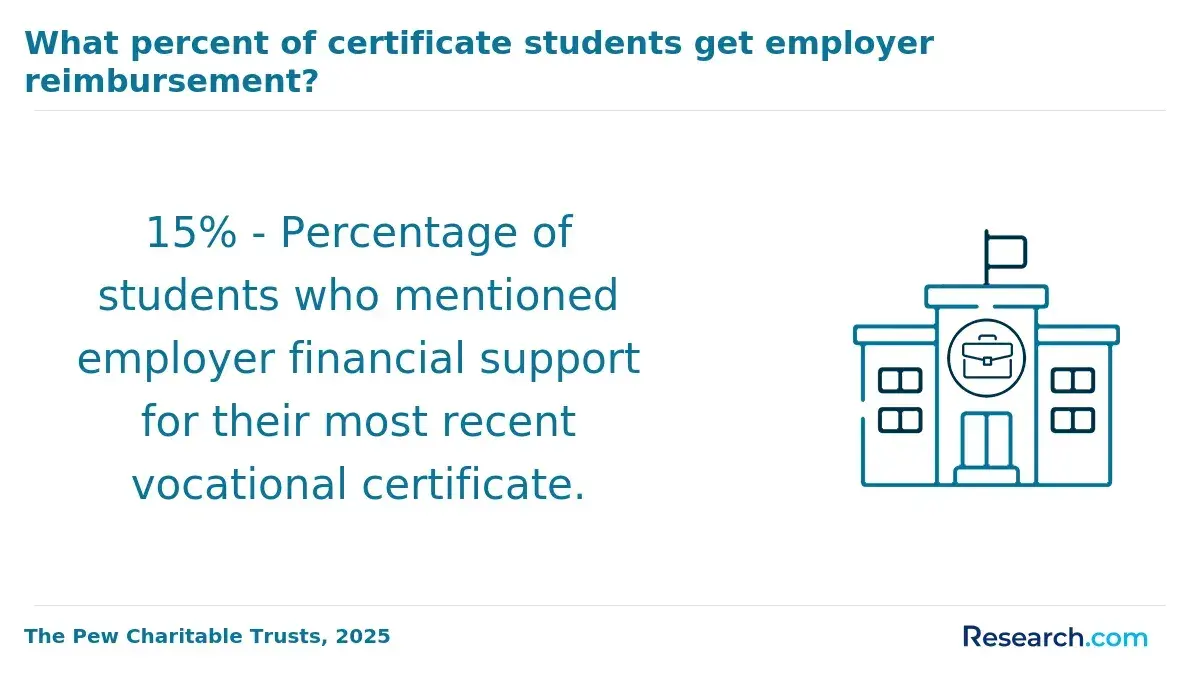
Additional expenses-technology fees, course materials, exam proctors, certification prep-can add several hundred to thousands annually, a factor working professionals should weigh against employer tuition assistance opportunities. Employers in fitness management or clinical settings prioritize accredited programs with hands-on components over raw tuition figures.
For example, a working professional may favor a $15,000 online master's program that accommodates work schedules rather than a costly $25,000+ on-campus degree that disrupts income flow. Strategic decisions should reflect employer expectations, program reputation, and access to practical training more than sticker prices alone.
What certifications help in fitness management careers?
The value of certifications in fitness management extends beyond mere credentials; they directly impact employability and align with specific employer demands. For example, hospitals tend to prioritize the American College of Sports Medicine's Certified Exercise Physiologist (ACSM-EP) credential due to its focus on clinical exercise management, while commercial gyms favor the National Academy of Sports Medicine's Certified Personal Trainer (NASM-CPT) or the Certified Strength and Conditioning Specialist (CSCS) certifications, which emphasize performance and client engagement.
Prospective professionals must navigate these distinctions carefully, as lacking the appropriate certification can limit job opportunities or advancement, especially in healthcare and corporate wellness sectors where insurance and liability requirements are strict. Additionally, leadership roles often require supplementary credentials in business or health services management, blending technical proficiency with operational skills.
Given the Bureau of Labor Statistics' projection of 13% growth for exercise physiologists and 39% for fitness trainers from 2020 to 2030, aligning certification choices with targeted work environments and continuing education protocols is critical. Combining an online exercise science degree with accredited, role-specific certifications strategically positions candidates for this expanding labor market.
Considerations include the risk of certification nontransferability and the importance of industry reputation to avoid redundant or less impactful credentials. Source Keywords: Exercise Science Degree; CSCS Certification; NASM-CPT Certification; ACSM Exercise Physiologist Certification; fitness management careers.
What salary and job outlook can graduates expect?
Salaries for graduates with online exercise science degrees in 2026 illustrate a clear division between clinical specialization and fitness management tracks. Health education specialists earn a median annual salary of $62,860, while exercise physiologists make $54,860, substantially outpacing entry-level fitness management roles, which typically range from $30,000 to $45,000 depending on geographic and institutional factors.
This gap underscores a key workforce reality: clinical exercise science roles often require additional certifications or graduate study but yield higher pay and greater job stability, particularly within hospital systems or health organizations. Conversely, fitness management roles, though more flexible, generally demand robust leadership and business skills to advance beyond modest starting salaries.
Employers favor candidates who combine clinical knowledge with data analytics capabilities, reflecting a shift toward evidence-based practice and integrated healthcare. For instance, a clinical exercise physiologist working in a healthcare facility will likely benefit from more stable employment and higher compensation compared to a fitness manager at a smaller gym. Graduates must weigh these tradeoffs when choosing pathways, considering both immediate earnings and future scalability within the evolving healthcare and wellness markets.
Other Things You Should Know About Exercise Science
An online exercise science degree can qualify candidates for leadership roles, but employers often prioritize practical experience alongside academic credentials. Programs with integrated internships or practicum components provide critical hands-on skills essential for managing fitness teams effectively. When selecting a program, prioritize those offering fieldwork opportunities or partnerships with local fitness organizations to ensure readiness for supervisory responsibilities.
The workload in online exercise science programs varies significantly, with some requiring synchronous participation and extensive lab assignments that may be challenging to balance with full-time work. Programs emphasizing asynchronous lectures and flexible deadlines offer better accommodation for working students but may reduce real-time interaction and immediate feedback. Working professionals should choose programs that align with their employment schedule without compromising essential skills development.
In 2027, online exercise science degrees have gained acceptance among employers, especially when accredited. Many value the flexibility they offer to professionals seeking advancement in fitness management. Academic rigor and curriculum quality often match traditional degrees, reducing skepticism significantly.
Look for regional accreditation for the university and, when possible, programmatic review by the Commission on Accreditation of Allied Health Education Programs or a recognized exercise science body. Employers often verify accreditation before considering online degrees for supervisory fitness management roles, and some certifications require graduation from an accredited program.
References
- 2026 Best Online Exercise Science Degrees https://www.onlineu.com/degrees/exercise-science
- 8 Jobs With a Personal Trainer Certification in 2025 | Gymkee https://gymkee.com/blog/jobs-with-personal-trainer-certification/
- Online Exercise Science Program https://stmary.edu/online-programs/exercise-science.html
- Best Certifications Online | ACE https://www.acefitness.org/fitness-certifications/default.aspx
- Top Fitness Certification You Need To Advance Your Personal Training C https://witseducation.com/blogs/w-i-t-s-content/top-fitness-certification-you-need-to-advance-your-personal-training-career
- Requirements - Idaho College of Osteopathic Medicine https://www.icom.edu/admission-aid/requirements/
- Exercise Sciences https://www.caahep.org/committees-on-accreditation/exercise-science
- Bachelor of Science in Exercise Science, Fitness, and Nutrition Management | Bryan University Online© https://bryanuniversity.edu/programs/undergraduate/bachelor-science-exercise-science-fitness-nutrition-management/
- Explore Top Accredited Personal Training Certifications for Your Career - Personal Trainer Certification, Nutrition Courses, Fitness Education https://www.nestacertified.com/explore-top-accredited-personal-training-certifications-for-your-career/
- How to Become a Personal Trainer | NASM #1 Accredited Certification https://www.nasm.org/how-to-become-a-personal-trainer