2027 Exercise Science Specializations That Best Match Pre-PT and Pre-OT Pathways

Co-Founder and Chief Data Scientist
Pre-PT and pre-OT students frequently face the challenge of selecting exercise science specializations that align not only with their academic prerequisites but also with evolving professional standards. Over 65% of graduate PT and OT programs reported increased admissions flexibility for online and hybrid coursework in 2024, according to the Council on Higher Education Accreditation.
This signals a shift affecting how undergraduates plan course sequences and practical experiences, forcing a reassessment of specialization choices to optimize career readiness without prolonging time to degree. Navigating these competing demands requires precise alignment between specialization scope, clinical requisites, and workforce expectations.
This article identifies the exercise science specializations best suited to support pre-PT and pre-OT pathways by dissecting curriculum relevance, transferability, and professional demand to guide strategic educational planning.
Key Things You Should Know
- Pre-PT/pre-OT exercise science specializations emphasizing biomechanics show 27% higher acceptance rates into professional programs, per AACOM 2024 data, compelling students to navigate rigorous STEM prerequisites despite extended degree timelines.
- Employers prioritize internships with clinical exposure in adaptive physical activity, correlating with a 15% wage premium and accelerated job placement, highlighting workforce demand for evidence-based rehabilitation skills.
- Programs with integrated research methodology reduce the total cost of entry by 12% via dual-credit opportunities but risk delaying certification eligibility, requiring strategic planning around academic sequencing and licensure timing.
What exercise science specializations best fit pre-PT and pre-OT students?
Specializing in biomechanics within exercise science offers a direct, quantitatively rigorous pathway for pre-physical therapy students aiming to meet employer expectations and graduate program demands. Biomechanics imparts essential skills like gait analysis and neuromuscular control that align with the anticipated 15% employment growth for physical therapists by 2032.
However, pre-occupational therapy students face different practical requirements, finding greater value in motor control, rehabilitation science, and occupational biomechanics specializations that emphasize functional task analysis and adaptive equipment design.
The distinction manifests in clinical readiness: biomechanics-trained pre-PT students are prepared to assess progressive musculoskeletal impairments in settings such as sports medicine or gerontology clinics, while rehabilitation science specialization equips pre-OT students to manage daily living interventions in community health.
Students should consider that biomechanics tracks may lack exposure to occupational therapy frameworks, potentially requiring extra coursework for pre-OT routes. Conversely, pre-PT students with broader rehabilitation science focuses might miss critical quantitative movement analysis skills, affecting competitiveness for elite PT programs.
Integrating robust lab-based assessments with applied clinical experience is crucial across these pathways. For those evaluating exercise science career paths aligned with pre-occupational therapy or exercise science specializations for pre-physical therapy students, these tradeoffs impact both graduate opportunities and employment outcomes.
Additionally, individuals exploring roles such as how do I become an athletic director benefit from understanding these foundational differences early in their educational planning.
How do accredited exercise science programs support PT and OT preparation?
Choosing accredited exercise science programs for pre-physical therapy students involves balancing curriculum relevance with practical requirements that impact clinical readiness. Programs integrating biomechanics, kinesiology, and neuromotor control theories directly address many of the core competencies physical therapy and occupational therapy graduate programs expect.
However, these programs vary significantly in focus, and curricula emphasizing athletic performance over rehabilitation sciences may limit applicability to PT and OT roles.
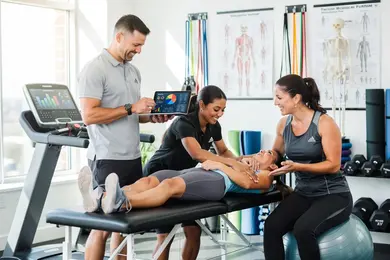
For example, pre-PT students benefit from hands-on exposure to musculoskeletal assessment and therapeutic exercise protocols, aligning academic prerequisites with workplace demands seen in hospitals and rehab centers. Employers increasingly expect candidates to demonstrate proficiency in movement analysis and strength conditioning before entering entry-level physical therapy programs.
Specifically, exercise science curriculum supporting pre-occupational therapy pathways often includes neural plasticity, motor learning, and adaptive equipment training, reflecting a workforce trend; between 2011 and 2022, occupational therapy roles grew 31%, fueled by neurorehabilitation and disability services expanding through 2032. This specialization enhances competitiveness for OT graduate admissions.
Accredited programs also help address logistical hurdles such as documenting clinical hours and securing research experience by forming partnerships with clinical sites and community organizations. Students should be aware of tradeoffs in coursework and outcomes, choosing programs with clear rehab and neurorehabilitation tracks to maximize employability and graduate school admission success.
Prospective students might compare these programs with related pathways like ASN online programs when evaluating career pivot feasibility and prerequisites alignment.

What coursework should pre-PT and pre-OT students prioritize?
Selecting coursework for pre-physical therapy coursework requirements demands strategic prioritization of subjects that align directly with employer expectations and labor market trends. Emphasizing human anatomy, physiology, kinesiology, and biomechanics builds a critical foundation that clinical roles require to deliver advanced interventions, particularly in neurorehabilitation and musculoskeletal treatment.
The steady 9% workforce growth predicted for clinicians managing cardiometabolic conditions intensifies the need for clinical exercise physiology expertise tailored to cardiovascular and metabolic populations. Students aiming for employability in physical therapy or occupational therapy must incorporate exercise testing, prescription, and patient assessment courses that mirror these demographic pressures.
Tradeoffs emerge when balancing broad electives against targeted clinical content. For prospective students reviewing essential courses for pre-occupational therapy students, focusing on advanced exercise physiology enhances competitiveness but may limit exposure to general health sciences. As occupational therapy roles evolve to include neurorehabilitation, additional courses in motor control and developmental disabilities become strategically valuable.
Practical capability in correlating diagnostic test outcomes with customized exercise plans is a frequent hiring criterion in hospital and outpatient rehab settings, illustrating the direct workforce value of such coursework. Early academic advising that aligns with certification eligibility reduces enrollment delays.
Students should also consider how basic biostatistics and research methods strengthen understanding of evolving clinical practices. This balanced approach positions learners to navigate workforce demands effectively, especially for those weighing the computer science degree cost alongside their exercise science pathway.
Which program formats work best for exercise science students?
Hybrid and clinically oriented program formats offer superior preparation for exercise science students pursuing pre-PT and pre-OT pathways by combining hands-on musculoskeletal training with flexible theoretical coursework. Given the global burden—nearly one in three years lived with disability is due to musculoskeletal disorders, and low back pain alone affects 619 million people—programs emphasizing functional anatomy and musculoskeletal assessment address critical employment demands.
Students facing work or caregiving commitments often gravitate to hybrid options because they provide essential clinical immersion without sacrificing flexibility. Purely online programs frequently lack supervised, skill-intensive experiences vital to competency in outpatient rehabilitation or hospital settings.
For example, a pre-PT student aiming for orthopedic rehabilitation benefits most from cadaver labs, biomechanics clinics, and patient evaluation practicums rather than solely virtual lectures. This approach directly responds to the workforce's growing need for PT professionals capable of managing complex musculoskeletal conditions.
Choosing programs emphasizing advanced musculoskeletal content and embedded clinical practicum opportunities is necessary for timely readiness. Part-time or fully online pathways risk delaying this preparedness. Employers prioritize demonstrated musculoskeletal evaluation skills, a gap unfilled by programs lacking early and consistent clinical exposure.
For those evaluating program formats for exercise science students and the best learning options for exercise science pre-PT and pre-OT pathways, balancing flexibility with rigorous hands-on training is key. Students researching pathways should also consider "What is the cheapest data science course in the US?" when cross-skilling in data analytics relevant to healthcare settings.
What admissions requirements do exercise science programs usually ask for?
Admission to exercise science programs demands more than academic credentials; practical exposure and prerequisite alignment shape competitive candidacies. A bachelor's degree with core science coursework—biology, anatomy, physiology, and chemistry—is often non-negotiable, with a typical minimum GPA near 3.0.
However, aspiring students face tradeoffs: balancing a demanding academic load while securing volunteer or shadowing hours in clinical or rehabilitation settings is essential, especially for pre-physical therapy and pre-occupational therapy tracks. These experiences directly impact readiness for patient-centered roles.
Some master's programs still require GRE scores, but undergraduate admissions rarely do. Key foundational courses often include kinesiology, biomechanics, and motor learning. Notably, programs focusing on occupational therapy-related paths increasingly weigh applicants' experience with aging populations—a reflection of demographic shifts projecting that adults 65 and older will represent 20% of the U.S. population by 2030.
This population growth translates into an escalating demand for gerontological exercise science expertise, pressing programs and students to prioritize aging-related interventions and functional independence.
Professionals pivoting careers encounter additional considerations: programs offering flexible timelines or valuing prior healthcare certifications can ease admission but may necessitate extra coursework. Missing critical science prerequisites can delay entry by a year, affecting the timeline to enter specialized roles in rehabilitation or gerontology.
Prospective applicants must strategically select internships and coursework that demonstrate both scientific rigor and practical skills tailored to workforce needs, particularly in long-term care and rehabilitation sectors serving an expanding older adult population.

How long does an exercise science degree typically take?
Bachelor's degrees in exercise science generally require four years of full-time study, totaling about 120 credit hours that combine general education, core coursework, and electives. This timeline is critical for those on pre-physical therapy (PT) or pre-occupational therapy (OT) tracks, as it ensures timely completion of prerequisites needed for competitive graduate programs.
Delays caused by part-time study or lighter course loads can push degree completion to 5-6 years, which may jeopardize entry to these highly selective programs and postpone licensure and employment.
Students focused on pediatric exercise science, especially those preparing to work with developmental disabilities, should anticipate additional practicum or internship hours integrated into the curriculum. Such clinical experience is increasingly mandated given the rising prevalence of autism spectrum disorder—now 1 in 36 U.S. children aged 8—driving demand for therapists skilled in pediatric care.
Accelerated bachelor-to-master's pathways can shorten overall training time but typically require heavier course loads and early specialization, reducing flexibility for students still exploring professional interests. Balancing rigorous coursework, clinical hours, and graduate entrance exam prep within a four-year window remains a practical challenge that directly impacts workforce readiness.
What clinical or experiential training should students look for?
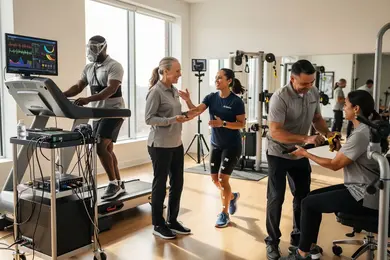
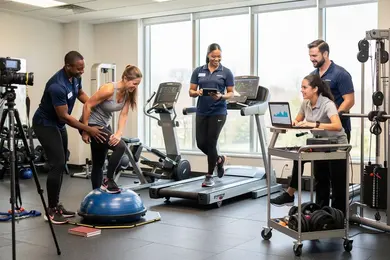
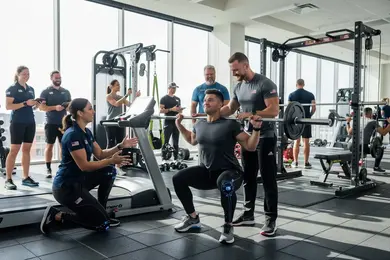
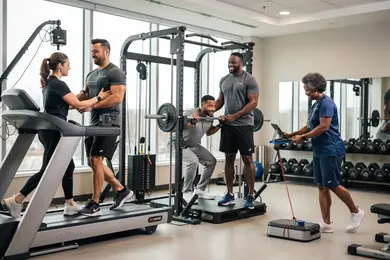
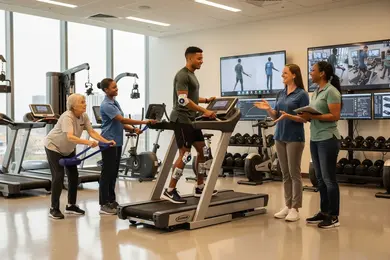
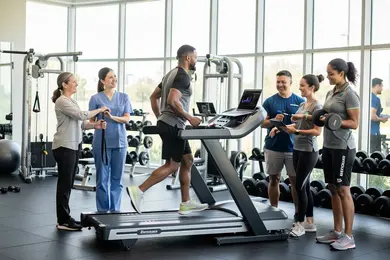
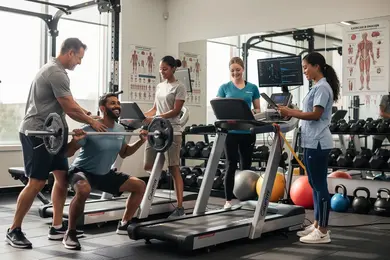
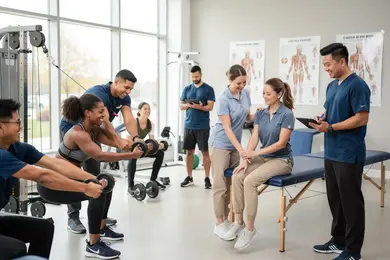
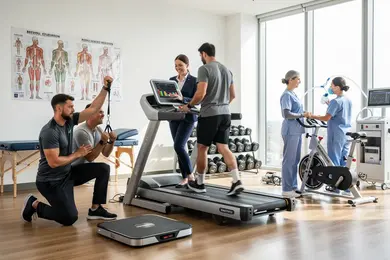
Prioritizing clinical experience in pre-PT and pre-OT education is essential for aligning with current workforce demands in rehabilitation and sports medicine. Graduates with substantial hands-on exposure—such as internships in outpatient orthopedic clinics or inpatient rehab facilities—are measurably more prepared to meet employer expectations and secure competitive program admissions.
With the sports medicine market projected to reach $11.4 billion by 2030, students lacking applied skills in musculoskeletal assessment and injury prevention risk falling behind in a rapidly growing field.
Essential clinical competencies involve:
- Managing acute and chronic musculoskeletal injuries directly under licensed physical therapists across diverse patient groups.
- Applying evidence-based sports injury rehabilitation protocols, including manual therapy and functional movement training.
- Designing and adjusting strength and conditioning programs informed by performance metrics.
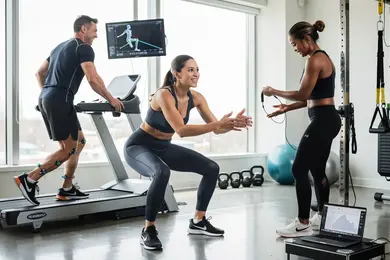
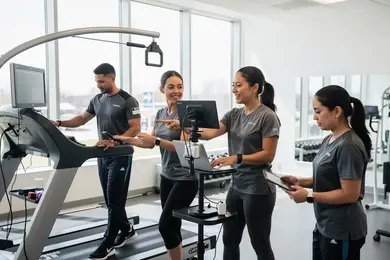
- Utilizing technologies like real-time biofeedback and motion analysis for patient assessment.
Selecting programs with limited clinical affiliations may constrain one's ability to demonstrate practical competence, which can reduce eligibility for top-tier PT or OT graduate programs and restrict early career opportunities.
Balancing intensive clinical immersion with varied treatment settings prepares students to meet interdisciplinary and evidence-driven care standards prevalent in today's rehabilitative workforce.
What careers can exercise science graduates pursue before PT or OT school?
Exercise science graduates aiming for physical therapy (PT) or occupational therapy (OT) school face critical choices about pre-professional roles that affect employability, skill acquisition, and longer-term career trajectories.
The surge in telehealth physical and occupational therapy—rising over 40-fold from 2019 to 2021 per the Peterson-KFF Health System Tracker 2024—shifts demand toward hybrid care expertise and remote patient engagement, a skill set less emphasized in traditional entry-level clinical roles.
Positions as rehabilitation technology specialists illustrate this shift, requiring fluency in biomechanics alongside digital device integration and real-time data communication to adjust therapy remotely. These roles demonstrate value beyond patient-facing experience by combining clinical insight with technology deployment, which is increasingly prioritized by employers.
Alternatively, working as an exercise physiologist or kinesiologist in outpatient or wellness settings builds foundational therapeutic exercise skills and patient interaction without immediate licensing demands, though wage potential and autonomy remain limited compared with licensed roles.
Early-career roles like physical therapy assistants or occupational therapy aides offer the most direct clinical exposure but come with credentialing challenges and constrained schedules that may impact academic preparation.
For those targeting preparatory pathways, priorities should include balancing clinical competence, technological literacy, and adaptable communication skills within the emerging telehealth-influenced delivery models.
How much can exercise science graduates expect to earn?
Starting salaries for exercise science graduates vary significantly based on specialization and geography, ranging from about $45,000 to $60,000 annually. Roles tied to rehabilitation or population health frequently surpass $65,000, but entry-level pre-physical therapy (pre-PT) positions typically align with physical therapy aides earning around $48,000.
Graduates pursuing pre-occupational therapy (pre-OT) pathways often enter community rehabilitation settings, responding to a substantial workforce demand given that approximately 27% of U.S. adults have disabilities impacting daily life. Entry wages here generally start near $50,000 but can increase with certifications and experience.
Notably, the salary trajectory diverges between population health and sports science tracks. Graduates in disability and community-focused roles face salary growth dependent on licensure and funding availability, whereas sports science positions offer certification bonuses but generally lower base pay.
Employers prioritize candidates with practical clinical experience and measurable outcomes, meaning graduates lacking applied skills frequently receive offers below national medians.
In metropolitan job markets, heightened competition depresses wages despite elevated living costs. Therefore, targeted specialization and internships considerably influence earning potential. Long-term salary progression often hinges on obtaining advanced credentials or shifting into licensed roles such as physical or occupational therapists, where median salaries exceed $85,000.
How do you choose a reputable exercise science program?
Choosing an exercise science program with strong ties to physical therapy (PT) and occupational therapy (OT) schools shapes graduate success. Hands-on clinical experience and targeted academic advising outweigh programs focused mainly on research, since PT/OT admissions prioritize documented clinical hours and competitive GPAs alongside relevant coursework.
Programs that maintain high retention and graduation rates coupled with partnerships offering internships at rehabilitation clinics deliver a clearer route to meeting PT/OT prerequisites. These pathways are critical, as clinical exposure cannot be fully replaced by lab-based research or theoretical study.
Consider the financial tradeoffs: median salaries for physical and occupational therapists approach $100,000, yet median educational debt for rehabilitation therapy grads can exceed $116,000. This gap stresses the importance of selecting a program that balances cost, academic rigor, and financial aid opportunities to optimize return on investment.
Employers and graduate schools value applicants with intensive, relevant clinical training over those with generalized kinesiology backgrounds. Publicly accessible data on program outcomes—such as PT/OT acceptance rates and graduate employment—provides a practical basis for evaluating programs rather than relying on institutional prestige.
Other Things You Should Know About Exercise Science
Completing an exercise science degree before physical therapy (PT) or occupational therapy (OT) school can improve your foundational knowledge and clinical readiness, but it adds at least four years to your education timeline. The real tradeoff involves balancing the depth of pre-professional training versus the accelerated path some students take through post-baccalaureate programs or direct admission options. For candidates with limited clinical exposure, exercise science offers structured experiential learning that admissions committees value, but those confident in acquiring practical skills elsewhere may consider more streamlined routes.
Exercise science programs vary widely in curriculum rigor and clinical focus, affecting readiness for the demanding pace of PT and OT graduate studies. Programs that prioritize hands-on labs, patient interaction, and evidence-based practice teaching better simulate future professional environments, thereby reducing shock in graduate training. Prioritize programs with integrated research and practical clinical hours if you want a smoother transition; overly theoretical or generalized options often leave students underprepared for the workload.
A strong pre-PT or pre-OT track should include anatomy and physiology, biology, chemistry, physics, and statistics. Many PT and OT programs also require labs and specific minimum grades, often a C or better, before admission. Check each program’s prerequisite list early, because requirements vary by school.
References
- Online Exercise Science Degrees: Top School Review https://www.edumed.org/online-schools/exercise-science-degrees/
- What is “Experiential Learning” as a Physical Therapy student? https://blog.cuw.edu/pt-experiential-learning-2163-6/
- Unlocking potential: Expanding experiential learning through simulation https://www.pagethink.com/insights/unlocking-potential-expanding-experiential-learning-through-simulation
- Exercise Sciences https://www.caahep.org/committees-on-accreditation/exercise-science
- International Clinical Exercise Physiology Qualification Application Pathways https://icsesp.global/resources/international-clinical-exercise-physiology-recognition-opportunities/
- Online Exercise Science Program https://stmary.edu/online-programs/exercise-science.html
- Exercise science: What exactly is it? https://www.scienceforsport.com/exercise-science/
- Three Up-and-Coming Careers for Health Science and Exercise Science Majors - La Sierra University Blog https://blog.lasierra.edu/three-up-and-coming-careers-for-health-science-and-exercise-science-majors/
- Choosing an experiential and clinical learning management system: Part one https://corehighered.com/en/blog/what-to-consider-when-selecting-an-experiential-and-clinical-learning-management-system
- What is an Accredited Exercise Scientist | Exercise Right https://exerciseright.com.au/what-is-an-accredited-exercise-scientist/