2027 Online Exercise Science Degrees With Broad Movement and Health Career Mobility

Co-Founder and Chief Data Scientist
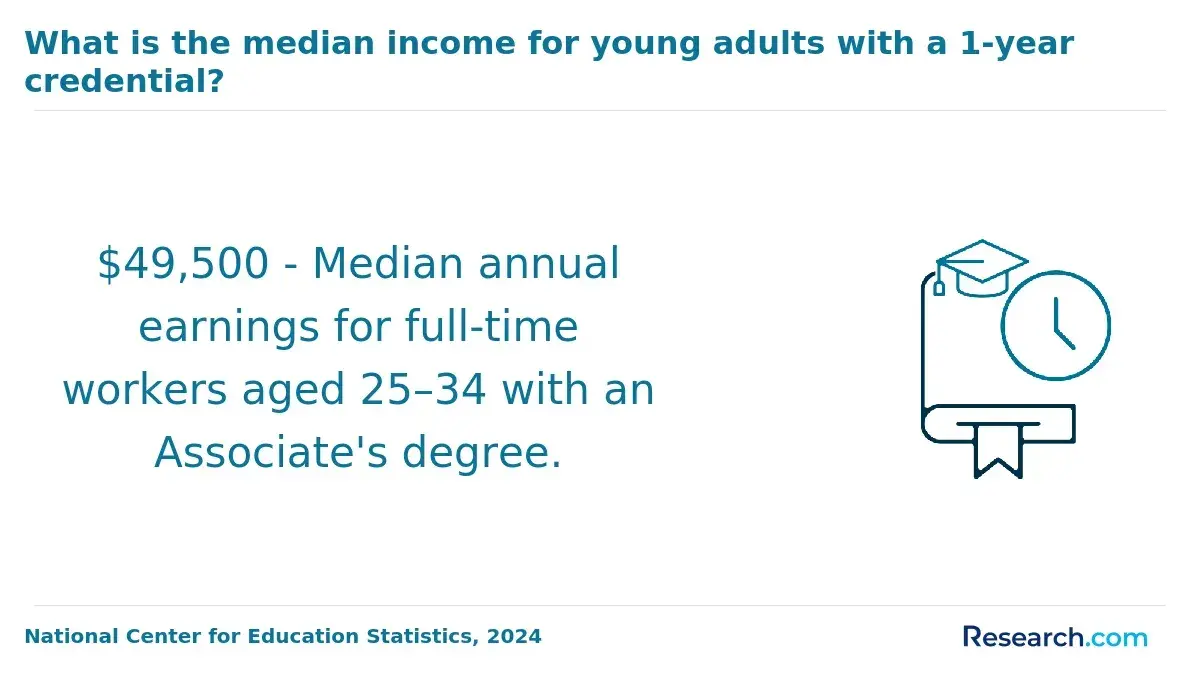
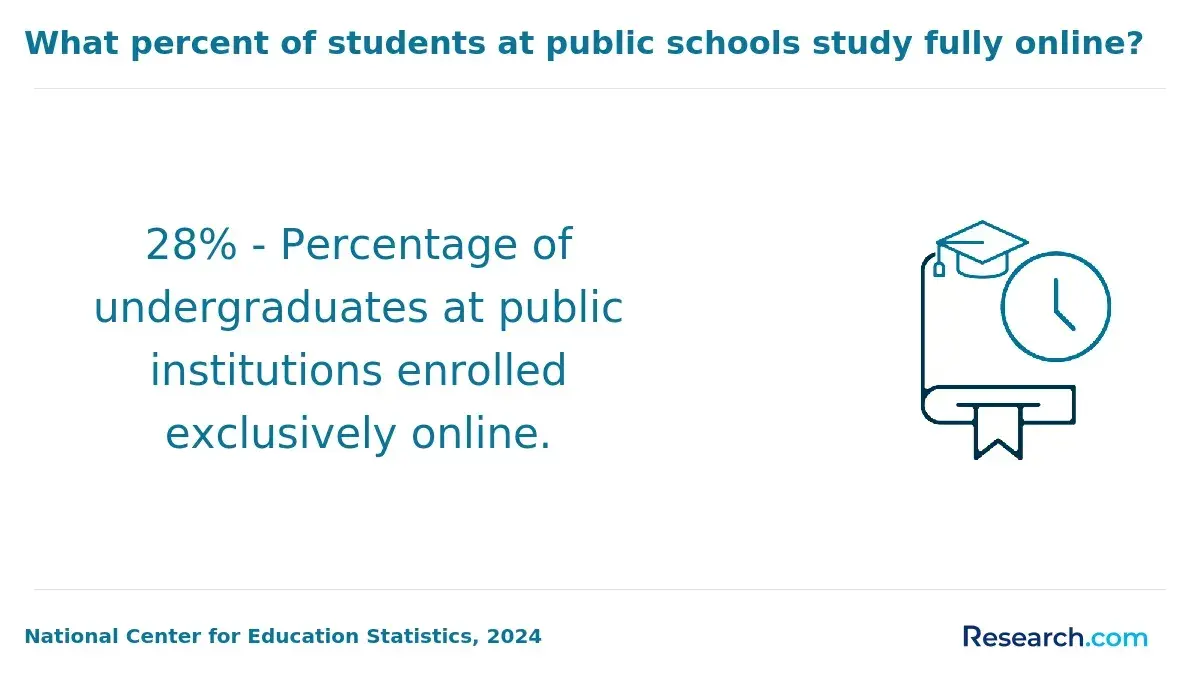
Prospective exercise science students frequently confront the dilemma of balancing career mobility with accessibility when choosing degree programs. The surge in online education, evidenced by a 7% enrollment increase reported by the National Center for Education Statistics in 2024, signals rising demand for flexible, remote learning options.
However, this trend masks critical disparities in program quality and employer recognition across online degrees, complicating decisions for working professionals aiming to pivot or advance within broad health and movement sectors. Understanding how program structure influences trajectory—whether clinical, fitness, or rehabilitative—can directly affect long-term employability and credential value.
This article evaluates modern online exercise science degrees with an emphasis on how they enable diverse career pathways and timely enrollment strategies to meet evolving workforce demands.
Key Things You Should Know
- Exercise science degrees with broad career mobility often extend program length by 20% on average, increasing tuition costs and delaying workforce entry, per data from the National Center for Education Statistics.
- Employers increasingly prioritize candidates with interdisciplinary credentials combining exercise science and health sciences, reflecting a 15% rise in hybrid role listings on the Bureau of Labor Statistics.
- The tradeoff between specialized certifications versus broad degree programs creates entry barriers; 38% of surveyed exercise science graduates cited credential inflation limiting initial job placement, impacting long-term career growth.
What is an online exercise science degree and how does it differ from campus programs?
Online exercise science degree programs in the United States replicate the academic rigor of campus offerings but shift the burden of practical skill acquisition onto the student. This format typically delivers theoretical content through virtual lectures and interactive modules.
However, hands-on experience—integral for positions in kinesiology, rehabilitation, or athletic training—requires students to independently arrange local labs, internships, or clinical hours. This logistical challenge can impact workforce readiness, as employers prioritize verifiable applied experience alongside academic credentials.
For example, a clinical exercise physiologist candidate must document supervised exercise testing hours, more straightforward to obtain on campus with direct faculty supervision. Online students must secure external internships, which complicates scheduling and verification but remains viable through community partnerships. These distinctions carry weight in health professions where licensure or certification mandates documented practical exposure.
In the 2021-2022 academic year, U.S. institutions conferred 31,066 bachelor's degrees in exercise physiology—1.5% of all bachelor's degrees—with 58.9% awarded to women, revealing robust demand and diversity. When evaluating differences between online and campus exercise science courses, prospective students should scrutinize how programs facilitate experiential learning and externships to meet professional standards.
Those considering a flexible path might consult data on the online sports science degree to identify programs that balance remote coursework with practical requirements.
Are online exercise science degrees accredited and respected by employers and graduate schools?
Employers and licensure boards in health and fitness sectors routinely require degrees from accredited online exercise science programs for graduate school admission or certification eligibility.
Without accreditation from recognized bodies such as the Commission on Accreditation of Allied Health Education Programs (CAAHEP) or recognition by the National Commission for Certifying Agencies (NCCA), graduates risk disqualification from licensing exams and limited job access, especially in clinical environments where patient care competence is non-negotiable.
Practical training components embedded in these accredited online exercise science degrees recognized by employers—like internships or practicum placements—carry significant weight.
Graduate schools, particularly in doctoral or physical therapy programs, assess both accreditation and hands-on experience when reviewing candidates. A lack of clinical exposure often reduces acceptance chances, which highlights the importance of verifying program requirements before enrollment.
For aspiring clinical exercise physiologists, selecting a regionally accredited pathway ensures that licensure prerequisites are met while maintaining scheduling flexibility.
Considering that exercise physiologists earned a median annual salary of $58,160 in May 2024, with employment projected to grow 10% through 2033 according to the U.S. Bureau of Labor Statistics data summarized by Affordable Colleges Online, the tangible career benefits depend heavily on accreditation status.
Students weighing these factors should also explore related fields and options such as sports degrees online to align educational investment with evolving workforce demands.
What careers can an exercise science degree support across movement and health fields?
Choosing an exercise science degree shapes access to multiple movement and health profession options, each with differing credential demands and labor market dynamics. The field's 14% projected growth for fitness trainers and instructors from 2023 to 2033 outpaces the average occupational increase, yet entry-level roles often require certifications beyond the degree. Employers increasingly prefer candidates with specialized practicums or applied experience, especially for positions bridging fitness and healthcare.
Graduates often move into roles such as physical therapy assistance or cardiac rehabilitation, where understanding distinct exercise prescriptions is critical. For example, cardiac rehab specialists must tailor programs for patients recovering from cardiac events, differing substantially from athletic conditioning. Healthcare environments integrating exercise science professionals generally require advanced credentials, highlighting a tradeoff between broader fitness industry roles and regulated clinical settings.
The degree also supports public health initiatives focusing on community physical activity, though those roles face challenges in funding and impact measurement. Being aware of licensing and employer expectations early allows for strategic alignment of educational choices with career goals.
For professionals considering interdisciplinary growth, pursuing an online doctorate data science could complement exercise science expertise, enhancing roles that rely on data-driven health or performance insights.
What types of online exercise science degrees and specializations can students pursue?
Choosing an online exercise science degree program demands weighing immediate workforce entry against longer-term career flexibility. Undergraduate options prioritize foundational skills in kinesiology, biomechanics, and physiology, often steering graduates toward broad health careers such as wellness coaching or community health roles. These tracks offer practical versatility without the extended commitment of clinical internships, suitable for those balancing work and study.
Graduate programs hone clinical or applied expertise required for rehabilitation or licensed therapeutic roles. For example, a pre-physical therapy specialization clearly aligns with gaining entry into Doctor of Physical Therapy programs, which correspond to median salaries above $100,000 and competitive job growth. Such focused tracks necessitate awareness of state licensure nuances and clinical placement demands, representing a tradeoff between delayed certification and elevated earning potential.
Certificates provide targeted skill-building for professionals needing niche capabilities like corrective exercise or sports nutrition without pursuing a full degree. However, these often lack the breadth or licensure utility that underpins advanced healthcare careers, reflecting a spectrum of depth versus flexibility.
Effective navigation of online exercise science degree programs with career flexibility involves scrutinizing accreditation, hands-on requirements, and market alignment. It is also prudent to compare costs and program outcomes when selecting among options; resources such as the best data science masters listings highlight how academic investment correlates with career trajectory.
What are typical admission requirements for online exercise science programs in the U.S.?
Admission requirements for online exercise science programs typically reflect a balance between academic readiness and practical experience, with a baseline of a high school diploma or equivalent and GPA benchmarks ranging from 2.5 to 3.0.
However, candidates prioritizing careers in regions such as San Antonio, TX, Gainesville, FL, or Bloomington, IN—where workforce demand intensifies—should recognize that meeting minimum standards may not suffice given heightened competition and employer preferences for rigorously prepared graduates.
Beyond transcripts, competitive programs often require foundational coursework in biology, anatomy, physiology, and chemistry. Standardized test scores like the SAT or ACT are increasingly optional, though high-demand cohorts see these as indicators of academic preparedness. Submissions of personal statements help contextualize applicants' real-world goals and experiences, which can be decisive for admission committees.
Candidates benefit from documented work or volunteer experience in health, fitness, or rehabilitation settings, which mitigate gaps between theory and applicable skills. Letters of recommendation remain a pivotal credential, typically from academic or professional referees who can attest to the student's commitment and aptitude.
For working professionals, some programs substitute traditional prerequisites with portfolio-based assessments or interviews, enabling candidates to leverage prior experience for admission. Yet, failing to satisfy these multifaceted criteria may restrict mobility within this specialized labor market, given employer emphasis on graduates from accredited programs that embed both robust academic and practical foundations.
How long do online exercise science degrees take and what schedules do they offer?
Completing an online exercise science degree typically involves navigating a complex balance between credit hour requirements, program structure, and personal commitments. While many programs require up to 180 credits over 4 to 5 years, actual completion time depends heavily on course load management and external obligations. For instance, students working full-time may find 12 credits per semester sustainable, extending their timeline closer to 5 years due to the need to allocate 12-15 study hours weekly.
Conversely, those with fewer outside responsibilities can accelerate completion by enrolling in intensive terms totaling 15 credits or more, including summer sessions. This approach demands a higher weekly commitment but can reduce time to a degree to around 4 years. Hybrid and asynchronous formats provide essential flexibility, yet mastering hands-on elements like biomechanics through synchronous or lab components remains a pivotal challenge within online modalities.
Cost evaluation is equally critical: at $338 per credit and a 180-credit requirement, tuition approaches $60,840, underscoring the need for strategic budgeting in commitment and financing. Employers often prioritize practical experience and applied knowledge over mere completion speed, so integrating internships or clinical practice enhances employability more than accelerated program pacing alone.
Ultimately, aligning course scheduling with professional milestones and a sustainable workload is essential to avoid burnout and maximize long-term career mobility within health and fitness sectors.
What core courses, labs, and practicum experiences are included in online exercise science?
Completion of an online exercise science program hinges on integrating core scientific knowledge with hands-on practice, a balance that determines graduate employability and workplace success. Core curricula typically include human anatomy, exercise physiology, kinesiology, biomechanics, nutrition, and motor learning—courses designed to ground students in the science behind physical performance and rehabilitation.
However, programs must extend beyond theory by offering virtual or hybrid labs where students analyze physiological data and conduct exercise testing through remote simulations. This practical focus is vital when on-site access is limited.
Practicum placements present significant real-world hurdles, especially for employed students. Securing local, supervised internships in gyms, clinics, or community health settings is often mandatory for certification and professional readiness.
These internships develop essential skills such as client assessment, personalized program design, and teamwork in multidisciplinary environments—all critical for leadership roles like wellness directors or advanced trainers. Balancing practicum demands with work schedules necessitates strategic planning and employer coordination.
Income figures also illustrate the strategic value of this education: wellness directors earned a median annual salary of $61,300 in 2022, while top-tier fitness trainers exceeded $75,940. This pay range reflects employers' preference for candidates who combine scientific acumen with practical experience.
How do tuition, fees, and financial aid compare for online and campus exercise science degrees?
Cost differentials between online and campus exercise science degrees reflect deeper tradeoffs that affect students' total investment and career trajectory. Public universities often charge between $7,000 and $12,000 annually for in-state online learners, whereas on-campus tuition can reach $18,000.
Private institutions align both online and campus pricing near $20,000 to $35,000 yearly. Yet, real expense calculations must factor in savings on commuting, housing, and ancillary fees, which often reduce online learners' total costs by $5,000 to $10,000 annually.
Financial aid availability is broadly comparable across formats, including federal support like Pell Grants and unsubsidized loans plus institutional scholarships. However, certain state grants exclude out-of-state online enrollees, imposing limitations for those not physically present. Employer tuition reimbursement programs frequently recognize regionally accredited online programs, providing working adults with valuable flexibility and affordability.
The gender composition in exercise physiology—with women constituting nearly 59% of bachelor's recipients—shapes financial planning needs, as caregiving responsibilities increase demand for flexible financing and online options to balance education with life.
Consider a single parent who, by selecting an accredited online program costing $9,000 annually and leveraging employer assistance, can avoid upwards of $15,000 in living and commuting expenses compared to attending campus. In contrast, a recent high school graduate pursuing clinical or research roles might tolerate higher campus tuition to access specialized labs and hands-on learning crucial for employer preferences.
What are salary ranges and job outlook for exercise science and movement professionals?
The salary landscape for exercise science professionals sharply depends on specialization and credentials, with starting roles clustered near $45,000 and advanced clinical or research positions reaching $70,000 or more. For those advancing from general fitness to clinical exercise science, accredited certifications and healthcare networking become decisive factors in surpassing the $60,000 salary mark. Real-world progression rarely occurs without additional qualifications beyond a baseline degree.
Job growth projections in health education emphasize a 7% increase over the next decade, translating to thousands of new positions. However, candidates must weigh regional salary disparities and competitive pressures for advancement roles, especially those demanding graduate-level credentials or specialized licensure in areas like cardiac rehabilitation or occupational therapy support.
Employers value candidates who combine applied knowledge with data literacy for program evaluation and who can function effectively within interdisciplinary teams. Absent these skills, salary and advancement frequently stagnate despite formal educational attainment.
Entry-level public health or wellness program roles generally offer mid-$40,000 wages, with growth tightly linked to practical experience and certification acquisition.
How do licensing, certifications, and professional standards work in exercise science careers?
Securing relevant licenses and certifications critically shapes career trajectories in exercise science, where employer preferences and regulatory demands often outweigh academic credentials alone. Clinical roles, such as licensed physical or occupational therapists, require state-issued licenses tied to accredited degrees and supervised practice.
Conversely, many exercise physiology and fitness jobs lack formal licensing but still prioritize certifications from recognized bodies like the American College of Sports Medicine or the National Strength and Conditioning Association.
For example, an exercise physiologist working in cardiac rehab must hold specific certifications to meet insurance and employer standards, while strength coaches targeting collegiate or professional sports roles rely on niche certifications to access competitive positions. These certifications demand ongoing education, which directly affects job stability and progression.
Graduates face a stark choice between investing time and money in credentials or entering the workforce immediately; missing appropriate licensing or certification restricts mobility, especially in specialized settings. Those aiming for rehabilitation clinics, for instance, must plan for upfront credentialing, whereas individuals focused on wellness coaching might opt for faster certification pathways to expedite employment.
Employer emphasis on certifications over degrees reflects practical skill assessment priorities. Notably, exercise science degrees surged 445% from 2002-03 to 2016-17, increasing graduate numbers from 5,248 to 28,587 and rising in popularity ranking, but many graduates find market entry difficult without accompanying certifications.
Other Things You Should Know About Exercise Science
No, online exercise science degrees in 2027 generally do not require prior healthcare or fitness experience. These programs are designed to provide foundational knowledge and skills, accommodating both newcomers and those with some background in the field.
Most online exercise science programs require in-person labs and practicums conducted locally or during short campus visits to meet accreditation standards. This hybrid structure complicates scheduling and logistics for remote students, especially those balancing work or located far from designated sites. Prospective students should prioritize programs with flexible local partnerships or clearly defined practicum arrangements to avoid delays in graduation or credentialing.
Yes, if the program includes required prerequisites such as anatomy and physiology, kinesiology, statistics, and a lab sequence accepted by the graduate school. Many PT, OT, and athletic training programs also require a minimum GPA, often 3.0 or higher, plus observation or volunteer hours.
Online exercise science degrees provide foundational knowledge but rarely suffice for advanced clinical roles without additional certifications or graduate education. Employers in medical, rehabilitation, or allied health fields expect credentials beyond a bachelor's degree and practical clinical hours. Candidates should plan for continued professional development and licensure preparation if aiming for career mobility into healthcare environments.
References
- What can I do with an Exercise Science degree? https://www.coloradomesa.edu/iris/explore-majors/what-can-i-do-with-an-exercise-science-degree.html
- International Clinical Exercise Physiology Qualification Application Pathways https://icsesp.global/resources/international-clinical-exercise-physiology-recognition-opportunities/
- Exercise Science | York College of Pennsylvania https://www.ycp.edu/academics/programs/exercise-science
- How Long to Get a Kinesiology Degree? | ValidGrad https://validgrad.com/blog/kinesiology-degree-duration/
- Online Exercise Science Degrees: Top School Review https://www.edumed.org/online-schools/exercise-science-degrees/
- Exercise Science https://catalog.pcc.edu/programsanddisciplines/exercisescience/
- ESSA's career guide for Accredited Exercise Physiologists https://www.essa.org.au/Web/Web/Resources/Tools-and-templates/ESSA-AEP-Guide.aspx
- Exercise Physiologist Salary: Careers Supporting Heart and Movement Health https://coronanewsroom.org/exercise-physiologist-salary-careers-supporting-heart-and-movement-health
- Online Exercise Science Program https://stmary.edu/online-programs/exercise-science.html
- Exercise Science Degree Programs Lead to Rewarding Careers in Health and Fitness https://www.carrollcc.edu/articles/exercise-science-degree-programs-lead-to-rewarding-careers-in-health-and-fitness/