2027 Best Online Exercise Science Degrees for Wellness Program Careers

Co-Founder and Chief Data Scientist
Working professionals seeking to pivot into wellness program roles often confront a clash between job demands and rigid academic schedules, with many traditional programs lacking the necessary flexibility for sustained employment.
The National Center for Education Statistics reports a 13% annual growth in adult enrollment for online health-related degrees, signaling a shift toward accessible, adaptable learning models that accommodate careers in health promotion and rehabilitation. This reshapes how candidates weigh online versus on-campus options, emphasizing program credibility, clinical placement opportunities, and scheduling that aligns with employer expectations.
This article evaluates the best online exercise science degrees designed to meet these practical challenges and support strategic career advancement in wellness program fields.
Key Things You Should Know
- National Center for Education Statistics data confirms 40% of online exercise science graduates enter wellness programming roles within 12 months, yet programs lacking accredited internships delay workforce readiness by six months on average.
- Employers rank biomechanics and data analytics skills at 68% priority for wellness positions, pressuring students to choose curricula with advanced quantitative modules despite fewer programs offering such specialization online.
- Average total tuition for accredited online exercise science degrees rose 12% since 2023, disproportionately affecting career-changers funding education without employer sponsorship, pushing some toward shorter, non-degree certifications instead.
What is an online exercise science degree and how does it prepare you for wellness careers?
Choosing an online exercise science degree involves weighing the tradeoffs of flexible learning against the necessity for hands-on experience, critical in clinical and wellness roles. While virtual labs and remote practicums attempt to replicate direct application, students must proactively secure opportunities for supervised fieldwork to meet employer expectations, especially in wellness careers where certifications like ACSM or NASM are often prerequisites.
Online exercise science degree programs for wellness careers focus on interdisciplinary training in human movement, anatomy, and physiology but also extend to nutrition and fitness assessment. This blend prepares students for diverse roles such as corporate wellness coordinators or clinical exercise physiologists. The median graduate salary of $50,705 versus $15,150 in tuition underscores a practical earnings-to-cost ratio conducive to working adults balancing education with income needs.
Employers in health promotion and injury prevention value candidates who combine degree-based knowledge with recognized certification and verified supervised practice. Students should understand the effort involved in networking and securing field placements, as these are less accessible online compared to traditional campuses.
For individuals curious about related leadership roles, such as athletic director positions, understanding "What degree do you need to be an athletic director?" can clarify educational pathways and professional expectations.
Overall, how an online exercise science degree prepares students for wellness professions is less a matter of acquiring theory alone and more about integrating flexible learning with purposeful, practical credentialing and field experience to achieve workforce readiness.
How do online exercise science programs compare to campus-based options for wellness-focused students?
Choosing between campus and online exercise science programs for wellness careers often hinges on balancing direct practical training with flexibility. While online exercise science degree benefits for wellness students include access and convenience, the absence of embedded clinical and lab experiences poses significant challenges.
Students enrolled exclusively online must proactively secure local internships to acquire the hands-on skills and professional mentorship that employers in wellness fields prioritize.
The job market reflects this gap: over 45,000 new fitness trainer and instructor positions are projected nationally from 2022 to 2032, intensifying competition. Campus programs typically streamline access to these practicum sites through institutional partnerships, which can facilitate faster job placement and stronger professional networks. Online learners often face delays or extra effort to establish such connections independently.
Key factors influencing program choice include cost, flexibility, and geographic accessibility, yet these come with tradeoffs in equipment access and peer collaboration opportunities intrinsic to campus settings. Employers frequently evaluate graduates on certification readiness and practical experience, areas where campus students generally hold an advantage.
Prospective students should scrutinize whether a program offers hybrid components or clear support for local internships to bridge learning gaps. For those navigating a career pivot within health fields, understanding these distinctions is crucial to align education with workforce expectations.
For additional context on related science degrees and career paths, learn the answers to "What can you do with an environmental science degree?"

Which types of accreditation should online exercise science degrees have for wellness careers?
Choosing an accredited online exercise science degree program for wellness careers is more than an administrative concern; it directly shapes employability and credential pathways. Regional accreditation confirms institutional legitimacy and access to federal aid, but programmatic accreditation from the Commission on Accreditation of Allied Health Education Programs (CAAHEP) is the defining factor for roles demanding clinical competence and certification, such as Exercise Physiologist Certified (EP-C) by the American College of Sports Medicine.
Without CAAHEP or equivalent programmatic accreditation, graduates face limited eligibility for licensure and clinical positions, especially where insurance reimbursement or hospital employment is involved. Employers in healthcare settings emphasize this combination to ensure candidates possess rigorous training in anatomy, kinesiology, and patient care.
By contrast, purely regionally accredited programs might accelerate completion and reduce costs but carry increased risk for those needing certification or aiming for clinical roles.
Consider a registered nurse pivoting to wellness program coordination within a major hospital system: CAAHEP accreditation alongside regional validation is essential to meet strict board certification and hiring standards. Omitting this can cause credentialing delays or require additional coursework, constraining workforce mobility.
For comprehensive guidance on selecting advanced, accredited credentials and integrating data skills into this field, prospective students may find value in exploring options such as online PhD data science programs, which increasingly intersect with wellness data analytics.
Key considerations for program accreditation include:
- Regional accreditation as baseline institutional validation
- CAAHEP programmatic accreditation for clinical and applied exercise physiology
- Employer expectations tied to certification eligibility and reimbursement
- Tradeoffs between cost/time savings and potential career barriers
Examining top accreditation bodies for exercise science degrees in the US allows candidates to pinpoint programs that align with employer requirements and long-term career goals in healthcare and wellness sectors.
What admission requirements and prerequisites do online exercise science bachelor's programs typically have?
Admission criteria for an online exercise science bachelor's program commonly include a high school diploma with a minimum GPA around 2.5 to 3.0, alongside official transcripts demonstrating completion of key prerequisites such as biology, chemistry, anatomy, and physiology.
Missing foundational coursework like college-level biology can delay progression into specialized content, increasing total tuition and extending time to degree completion. These delays have tangible consequences for students balancing cost against the workforce's median graduate salary, reported nationally near $50,706.
Beyond academics, applicants often confront varied demands depending on program focus: clinical or public health tracks may require CPR/AED certification before beginning internships, emphasizing hands-on competency aligned with employer standards. Some selective programs add letters of recommendation and personal statements to evaluate candidates' alignment with wellness or rehabilitation goals, reflecting a professionalized hiring landscape.
Standardized tests such as the SAT or ACT are less commonly mandatory post-2020, adapting to evolving admissions policies that recognize alternative indicators of preparedness. Professionals seeking career pivots benefit by verifying prior college credits or certifications, potentially expediting completion of prerequisites and reducing redundant coursework.
Practical considerations about cost-effectiveness also encourage exploration of degree pricing; for instance, those interested in comparable fields may research options like the cheapest data science degree as a strategic alternative. Evaluating prerequisites for exercise science bachelor's degrees online requires navigating these academic, financial, and professional tradeoffs to make informed, outcome-focused decisions.
How long do online exercise science degrees take, and what do they cost?
Choosing between a four-year bachelor's degree and a two-year associate degree in exercise science entails balancing workforce readiness against long-term career flexibility. While associate programs allow faster entry into technician roles, they limit opportunities in clinical rehabilitation and wellness program design, where employers increasingly prefer candidates with a bachelor's or higher.
Online bachelor's degrees typically require four years of full-time study, with part-time options often doubling that timeline. Cost is highly variable: public institutions charge $7,000-$15,000 annually for in-state online tuition, whereas private universities range from $20,000 to over $40,000 per year. Accelerated or hybrid programs, common in online options, may incur higher fees but reduce overall time.
Key practical considerations include practicum and internship requirements, which can extend program length and restrict scheduling flexibility. Planning for clinical placements during summer or off-hours is critical for students balancing work or other commitments.
For those transitioning from unrelated sectors into wellness coordination, a full bachelor's degree provides comprehensive knowledge needed for program development roles. Conversely, fitness technicians focusing on rapid workforce entry often accept the tradeoff of limited career advancement without further study.
What core courses and specializations are offered in online exercise science programs?
Success in online exercise science programs hinges on the balance between theoretical foundations and hands-on practice, a critical factor often overlooked by prospective students. Core coursework typically covers human anatomy, physiology, kinesiology, biomechanics, and nutrition, providing essential knowledge for roles in clinical rehabilitation, corporate wellness, and fitness leadership.
Specializations such as clinical exercise physiology and corporate wellness yield markedly different career pathways. For example, clinical exercise physiologists require intensive training in chronic disease management and rehabilitation protocols, while corporate wellness professionals focus more on program design and occupational health behavior strategies. These differences directly impact employability and long-term professional relevance.
The increasing demand for coaches and wellness professionals—projected to grow by over 25,000 jobs from 2022 to 2032 in corporate and community settings—reflects expanding employer expectations for measurable client outcomes using data-driven methods. Graduates must therefore seek programs integrating exercise testing labs and data analytics, even remotely, to meet these demands.
However, online formats often lack sufficient supervised internships, which are vital for licensure or certification requiring documented clinical hours. Students who bypass this practical experience risk delayed workforce entry or limited credentialing options. Prioritizing programs with strong field placements or hybrid models can mitigate these risks and improve readiness for complex work environments.
What wellness program and exercise science careers can you pursue with an online degree?
Employers in wellness and rehabilitation increasingly seek candidates with exercise science degrees who combine practical skills and evidence-based analysis to demonstrate measurable health impact. For a prospective student, understanding how roles integrate data with hands-on program design can clarify which career trajectory fits best.
For example, a wellness program manager might interpret biometric data from employee screenings to tailor interventions that reduce absenteeism and lower healthcare costs, directly affecting a company's bottom line.
Typical roles accessible with this degree include:
- Wellness program manager overseeing health initiatives aligned with organizational objectives
- Exercise physiologist conducting fitness and chronic disease management assessments under medical supervision
- Rehabilitation specialist collaborating with physical therapists to optimize patient recovery plans
- Corporate wellness consultant creating scalable, population-specific health programs
- Health coach delivering lifestyle modification and nutrition support tailored to individuals
Such positions require proficiency in interpreting health data, program evaluation, and clear communication with diverse stakeholders. Certification requirements vary widely by state and employer, often demanding degrees from accredited programs.
Cost considerations play a crucial role in program selection. CSP Global's online bachelor's degree in exercise science and kinesiology totals $15,675, positioning it in the moderate range compared with graduate courses charging over $1,700 per credit. This affordability can accelerate degree completion, reduce debt burden, and influence employability for professionals pivoting careers or advancing in a competitive health science market.
What are the salary expectations and job outlook for wellness and exercise science professionals?
Median salaries for wellness and exercise science professionals typically range between $50,000 and $70,000 annually, with specialized roles such as exercise physiologists or wellness coordinators earning between $60,000 and $80,000, according to U.S. Bureau of Labor Statistics data from 2024. Employment growth in this sector is projected at roughly 11% from 2024 to 2034, outpacing the national average due to rising demand in preventative health services and corporate wellness.
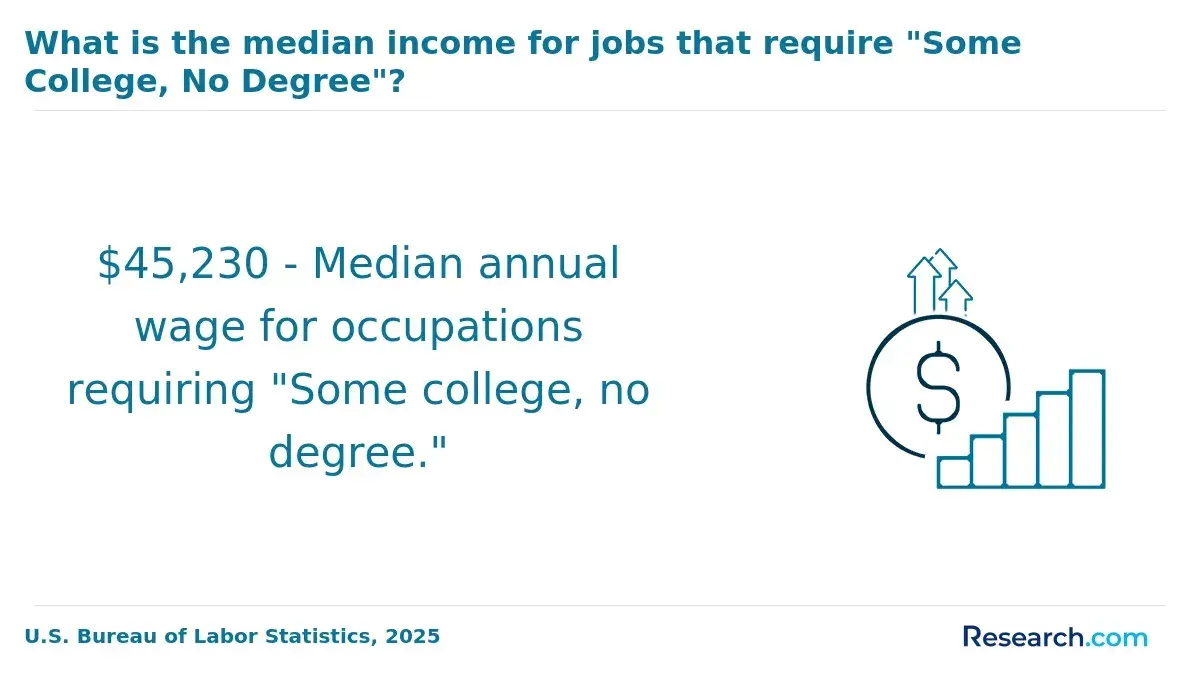
Higher salaries often correlate with employment in rehabilitation clinics, outpatient centers, or corporate wellness programs, but these positions generally require certifications or advanced degrees beyond a bachelor's in exercise science. Entry-level roles—especially in community health or fitness settings—start near $45,000.
For working professionals, online degree options like PennWest Global Online's fully online exercise science program offer important flexibility to maintain income while pursuing credentials. However, market competitiveness demands planning for certifications and specialized skills beyond degree completion.
Key workforce trends include a premium for candidates who combine exercise science knowledge with data literacy and program management expertise. Professionals integrating wellness initiatives into corporate health strategies report salaries 10-15% higher than typical clinical roles, as noted in the National Institute for Fitness and Sport Workforce Report 2024.
What certifications or licenses might exercise science graduates need for wellness careers?
Certification and licensing requirements in exercise science directly shape employability and career scope, especially within clinical and specialized wellness roles. For example, obtaining a Certified Exercise Physiologist (CEP) from the American College of Sports Medicine is often indispensable for positions involving chronic disease management, whereas general wellness roles typically require credentials like Certified Personal Trainer (CPT) or Group Fitness Instructor (GFI) from organizations such as the National Academy of Sports Medicine or the American Council on Exercise.
Specialized credentials addressing populations with unique needs—such as older adults or military personnel—also demand targeted certifications like the ACSM Certified Cancer Exercise Trainer or military wellness credentials, reflecting regulatory requirements including HIPAA compliance or Department of Defense standards.
Licensing varies significantly by state; California and Florida enforce licensure that mandates supervised clinical experience and successful examination, restricting practice for uncertified individuals and narrowing job options where medical exercise interventions apply.
Financially, military-affiliated students benefit from reduced tuition rates, such as the $250 per undergraduate credit at American Military University, a 30% discount from the standard rate. This cost advantage can influence credential attainment timelines and affordability for those pursuing military-related wellness careers.
How can you choose a reputable online exercise science program for wellness-focused goals?
Hiring managers in wellness fields routinely expect candidates to hold certifications from entities like ACSM, NSCA, or NASM—credentials that shape eligibility and career progression more than the degree alone. For instance, St. Mary's University's online exercise science completion program integrates coursework aimed specifically at preparing students for such certifications, emphasizing a curriculum that mirrors certification exam content with practical application.
Programs must offer rigorous, science-based content such as exercise physiology, kinesiology, and biomechanics tailored to therapeutic and fitness settings. Accreditation by bodies like CAATE or regional agencies is a practical indicator of program quality and facilitates credit transfer, a key factor for working professionals balancing study and employment.
Equally important is the availability of practicum or internships in community, clinical, or corporate wellness environments, where hands-on experience instills competencies that theoretical learning alone cannot provide.
Cost and program design require thorough assessment. Accelerated programs with higher tuition may yield quicker workforce entry in roles like wellness coordinator or exercise specialist, but less costly alternatives often lack integrated certification preparation, adding external credentialing expenses and delaying job readiness.
Graduate employment outcomes tied to regional labor demand patterns further inform decision-making, especially given geographic variability in wellness industry growth. Aligning educational choices with these practical realities can optimize the long-term return on investment and credential utility in a competitive job market.
Other Things You Should Know About Exercise Science
Hands-on experience is critical because employers prioritize practical skills alongside theoretical knowledge in exercise science roles. Online programs that integrate internships, practicum components, or partnerships with local wellness facilities provide a clear advantage. Without such real-world exposure, graduates may face challenges demonstrating their competency in applied settings, which can delay career entry or advancement.
Most online exercise science bachelor’s programs require a high school diploma or GED, a minimum 2.0 to 3.0 GPA, and official transcripts. Some schools also ask for ACT or SAT scores, placement test results, or proof of prerequisite biology and math coursework before enrollment.
Employers often distinguish between fully online and hybrid degrees based on the perceived depth of hands-on training. Hybrid programs that combine online coursework with in-person labs or clinical hours typically carry more weight, particularly in wellness roles demanding physical assessments or exercise instruction competencies. Candidates aiming for direct client work should prioritize programs offering hybrid components to meet employer expectations and certification prerequisites.
References
- Exercise Physiologist Career https://explorehealthcareers.org/careers/sports-medicine/exercise-physiologist/
- Online Exercise Science Degrees: Top School Review https://www.edumed.org/online-schools/exercise-science-degrees/
- Five Online Degrees For Students With A Passion For Fitness https://www.academicinfo.net/blog/2023-02-16-five-online-degrees-for-students-with-a-passion-for-fitness/
- Health and Wellness Degree Online | 2025 Career Paths https://www.educationconnection.com/online-degrees/health-and-wellness-degree/
- Exercise Science Degree Programs & Career Guide 2025 https://www.nutritioned.org/exercise-science-degree/
- Exercise Science Degree Programs Lead to Rewarding Careers in Health and Fitness https://www.carrollcc.edu/articles/exercise-science-degree-programs-lead-to-rewarding-careers-in-health-and-fitness/
- Exercise Science Degree Careers, Jobs and Salaries - Peak Physical Therapy and Sports Performance https://peaktherapy.com/blog/exercise-science-degree-careers-jobs-and-salaries/
- Online Exercise Science Program https://stmary.edu/online-programs/exercise-science.html
- Exercise Physiologist Salary: Careers Supporting Heart and Movement Health https://coronanewsroom.org/exercise-physiologist-salary-careers-supporting-heart-and-movement-health
- Best Exercise Science Careers - Let's Find out! https://www.ptpioneer.com/personal-training/exercise-science-careers/