2027 Best Online Exercise Science Degrees for Health Fitness Careers

Co-Founder and Chief Data Scientist
Balancing career advancement with ongoing work commitments challenges many aspiring exercise science professionals, particularly when accelerated program options remain scarce or rigidly scheduled.
As workforce demand for exercise science roles grows by 13% over the next decade, according to the U. S. Bureau of Labor Statistics, accessibility and timing of education directly influence who can realistically enter or pivot within this field. Moreover, with over 40% of postsecondary enrollments now adults seeking flexible online learning, program delivery heavily affects career mobility and earning potential.
This article evaluates the best online exercise science degrees available, guiding students through practical considerations to optimize timing, cost, and professional outcomes.
Key Things You Should Know
- Graduates with accredited online exercise science degrees face a 15% higher certification exam pass rate, but inconsistent program curricula create tradeoffs in specialization depth that affect advanced credential eligibility.
- Employers increasingly prioritize integrated practical experience; however, 42% of purely online programs lack mandatory internships, limiting graduate competitiveness in clinical and corporate fitness roles.
- Programs averaging $18,000 in tuition show cost-efficiency only if completed within 36 months; extended timelines raise debt burdens and delay entry into a rapidly evolving $40 billion U.S. health fitness labor market.
What is an online exercise science degree and how does it prepare you for health fitness careers?
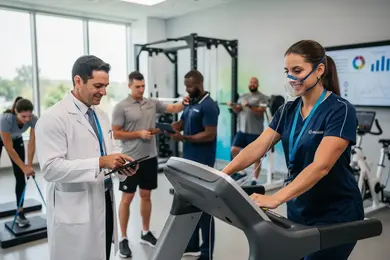
Choosing an online exercise science degree demands careful consideration of practical outcomes and employer expectations rather than mere convenience. Beyond foundational knowledge in anatomy, physiology, biomechanics, and nutrition, graduates must secure experiential learning through virtual labs or supervised practicum components to meet industry standards.
For example, remote study paired with clinical hours is essential for those working with cardiac rehabilitation patients, illustrating how theoretical instruction translates into real-world application.
Programs that integrate evidence-based practices and data-driven client progress monitoring better prepare students for fitness professions ranging from personal trainers to corporate wellness coordinators. However, pursuing an online exercise science degree benefits for health careers requires anticipating technical skills in telehealth and remote monitoring technologies, which are increasingly critical in client engagement and program delivery.
The U.S. Bureau of Labor Statistics projects 14% employment growth for fitness trainers and instructors between 2023 and 2033, reflecting a rising demand for preventive health services. Yet, candidates lacking hands-on experience or relevant certifications like ACSM or NASM may face challenges entering competitive markets prioritizing demonstrated client outcomes. Strategic selection of accredited programs with integrated practical opportunities ensures better alignment with these employer priorities.
Those evaluating how an online exercise science program prepares fitness professionals should also explore the best online kinesiology degree options, verifying curriculum rigor and the inclusion of experiential learning. Balancing flexible online study with securing in-person training remains a critical tradeoff affecting long-term employability in this evolving sector.
Are online exercise science degrees accredited and widely respected by employers and graduate schools?
Accredited online exercise science degrees in the United States hold decisive value in workforce outcomes when their accreditation stems from recognized regional bodies or specialized agencies such as the Commission on Accreditation of Allied Health Education Programs (CAAHEP).
Employers in health and fitness careers often prioritize candidates who have completed programs with substantial hands-on experience verified through internships or practicum components. Without this foundation, graduates risk diminished employability and limited access to graduate studies in fields like exercise physiology or physical therapy.
For example, candidates aiming for certifications such as the Certified Strength and Conditioning Specialist (CSCS) typically need documented supervised fieldwork, which accredited online programs are more likely to provide. This aligns with employer recognition of online exercise science degrees for health fitness careers, especially in clinical, rehabilitative, and collegiate sports environments where practical competence is non-negotiable.
The median annual wage of $46,480 for fitness trainers and instructors, according to the U.S. Bureau of Labor Statistics, reflects stable earnings for professionals with proper qualifications. However, students must weigh the tradeoffs inherent in online education - notably, fulfilling in-person lab and kinesiology requirements locally to avoid certification delays or compromised job placement prospects.
Those considering a strategic pivot or advancement can benefit from comparing multiple educational pathways, including reviewing options like the best online computer science degree programs, where flexible accelerated formats may offer alternative routes depending on career goals.
How do online exercise science programs compare with campus-based programs in flexibility, quality, and outcomes?
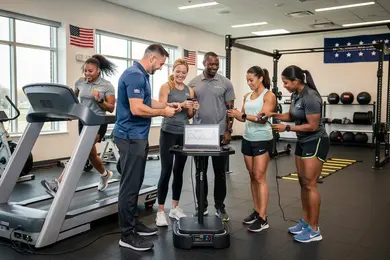
Flexibility in online exercise science degree programs attracts working adults who must juggle education with employment or family obligations, but this comes with the need for heightened self-motivation. In contrast, campus programs often provide more reliable access to hands-on labs, internships, and specialized equipment essential for careers demanding clinical or applied biomechanics expertise.
The quality and career outcomes of online vs campus exercise science programs tend to align when both are regionally accredited and offer rigorous curricula. Employers generally accept online credentials, provided graduates have adequate practical experience; insufficient hands-on training can limit eligibility for roles in health fitness or clinical environments.
For example, a health fitness specialist might find online coursework sufficient for advancement, whereas those targeting physical therapy roles rely heavily on campus-based practicum opportunities.
When selecting a pathway, students must weigh the operational tradeoff between the flexibility of asynchronous study and the guaranteed applied skill development from in-person instruction. Prioritizing programs with clear employer connections and authentic practicum arrangements is crucial to meeting long-term workforce expectations in this competitive field.
For professionals evaluating alternative degree paths, reviewing specialized options such as an online library science masters may offer complementary skills but differs significantly in delivery and labor market dynamics compared to exercise science.
These distinctions emphasize the importance of deliberate decision-making grounded in career goals and practical realities rather than program format alone.
What types of online exercise science degrees are available and which level is right for you?
Choosing the right level of online exercise science degree hinges on clear career objectives and employer expectations. Associate degrees, usually two years, provide quick access to entry-level roles such as fitness trainers but rarely suffice for clinical or advanced positions. In contrast, bachelor's degrees offer comprehensive coverage of biomechanics, nutrition, and physiology, meeting most employers' baseline for roles like wellness coordinators or exercise physiologists.
Graduate education, particularly master's degrees, becomes essential when pursuing specialized clinical roles or leadership positions within the field. For example, a mid-career strength coach transitioning into clinical exercise physiology must complete a master's program with practicum components to comply with licensure and institutional standards.
Conversely, those targeting corporate wellness consulting may find a bachelor's degree combined with professional certification more practical, saving time and resources.
The National Center for Education Statistics reported 188 sports science degree programs by 2025, highlighting both opportunity and challenges in distinguishing program quality. Candidates should weigh factors such as curriculum focus and clinical placement availability, which vary significantly and affect employability.
Working professionals seeking rapid pivot options might also explore accelerated PMHNP programs online for models of focused, efficient course delivery. Evaluating program outcomes against career goals ensures the chosen pathway aligns with workforce demands and practical realities in the evolving exercise science landscape.
What courses and specializations are typically included in an online exercise science curriculum?
Choosing an online exercise science program requires careful evaluation of curriculum focus and career alignment, especially since the field splits broadly between clinical and performance applications.
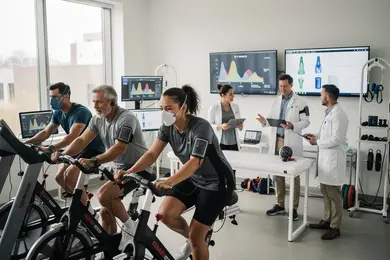
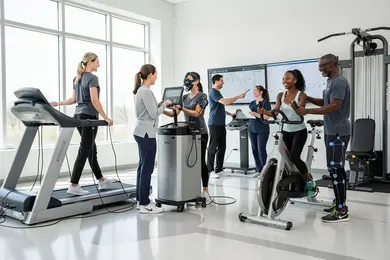
Programs emphasizing biomechanics, exercise physiology, and nutrition provide hands-on skills such as cardiovascular fitness testing and movement analysis, essential for roles in rehabilitation or elite fitness settings. Employers increasingly expect proficiency in technologies like motion capture and force analysis, which shapes hiring preferences.
Students must also weigh program accreditation against professional certification requirements. For instance, preparing for roles as exercise physiologists or physical therapy assistants often demands specific recognized credentials.
Franklin University's undergraduate pathway, costing approximately $12,338 annually for 31 credits, presents a notable cost advantage compared to the national average private nonprofit tuition of $38,070. This difference can significantly impact student debt and timing for workforce entry.
Specialization options like clinical exercise physiology versus sports performance highlight distinct job market trajectories:
- Clinical tracks integrate pathophysiology and motor control courses suited for hospital or rehab environments.
- Performance-focused curricula target athletic organizations and personal training careers requiring practical applied exercise testing.
One practical challenge is balancing generalist versus specialist coursework since overly broad programs may limit immediate employability in fields demanding advanced biomechanics or clinical expertise. This poses long-term tradeoffs between flexibility and targeted job readiness in a competitive labor market.
What admission requirements, prerequisites, and prior experience do online exercise science programs expect?
Meeting admissions criteria for online exercise science programs often requires balancing academic prerequisites with practical experience.
Most programs insist on a high school diploma or equivalent and a minimum GPA of 2.5 to 3.0, but foundational knowledge in human anatomy and physiology is essential before advancing. Transfer students with prior credits may reduce total course loads, though core science coursework remains non-negotiable for bachelor's degree admits.
Applicants should prepare for specific course prerequisites, typically anatomy, physiology, biology, and occasionally introductory kinesiology. The decline of mandatory standardized test scores shifts focus toward academic readiness and relevant work experience. Professionals entering exercise science from related healthcare fields, such as certified personal trainers or EMTs, may offset gaps in formal education through credentials and practical skills.
Technological proficiency is a critical gatekeeper for online learning success, restricting access for those without stable internet or computer competence. Programs aimed at transfer or advanced certificate students usually require completion of general education or core science courses prior.
For working adults weighing time and cost, tuition rates near $500 per credit underscore the need for strategic prerequisite completion to avoid delays that increase financial and opportunity costs.
How long do online exercise science degrees take to complete and what do they cost?
Choosing an online exercise science degree requires weighing time commitments and financial impact against intended career goals and employer expectations. Bachelor's programs, often around 120 credits, typically span about four years full-time but may be shortened to three with accelerated options or credit transfers.
For those targeting research or clinical roles, master's degrees extend 18 to 36 months depending on enrollment intensity, demanding a greater financial and time investment. For example, Concordia University Chicago charges $575 per credit for its master's program, equating to approximately $20,700 tuition for 36 credits, excluding fees or materials.
Students must balance the tension between full-time study, which speeds completion but disrupts income, and part-time enrollment that maintains earnings but lengthens program duration. This is especially relevant for working professionals managing career and study simultaneously.
Ultimately, professionals aiming for healthcare settings often justify extended graduate-level study given higher credential requirements, while entry-level fitness roles might accept shorter bachelor's or associate degrees. Strategic evaluation of program design and workforce fit is essential for making informed decisions on this educational pathway.
What careers can you pursue with an online exercise science degree and what do they involve day-to-day?
Choosing an online exercise science degree demands weighing the distinct operational contexts within the field, given the varied demands across clinical, athletic, wellness, and rehabilitation roles.
Graduates pursuing a clinical exercise physiologist path face stringent compliance with medical protocols while conducting detailed patient assessments related to chronic disease recovery. This role necessitates proficiency in evidence-based testing and collaboration with healthcare teams to optimize cardiovascular and metabolic outcomes.
Conversely, strength and conditioning coaches emphasize sport-specific performance, requiring technical fluency in biomechanics and real-time athlete engagement, often leveraging advanced tools like motion capture. Their work environment contrasts with clinical settings by focusing on injury prevention and athletic enhancement rather than medical rehabilitation.
Fitness program coordinators navigate a hybrid space balancing client-centered wellness programming and administrative oversight, demanding strong interpersonal skills distinct from the clinical or athletic intensity. Rehabilitation specialists coordinate closely with physical therapists, applying adaptable exercise protocols in response to patient progress, highlighting the interdisciplinary nature of recovery efforts.
Professional credentials such as those from ACSM, NSCA, and NASM, recognized by St. Mary's University, often become prerequisites, shaping hiring decisions and career mobility. Understanding these tradeoffs enables candidates to strategically select certifications and skill sets aligned with their targeted work environment, ensuring pragmatic preparation for market realities rather than abstract qualifications.
What is the salary outlook and job demand for exercise science and health fitness professionals?
Employment growth for exercise science and health fitness roles is projected at about 10%, outpacing many occupations but with significant salary dispersion tied to job setting and credentials
. Professionals in healthcare, such as clinical exercise physiologists, often exceed $70,000 annually, whereas fitness trainers in commercial gyms typically earn near $40,000. This gap arises from differences in certification, specialization, and employer expectations.
Public health trends and an aging population increase demand for evidence-based preventive and rehabilitative services, prompting employers to prioritize candidates with accredited degrees paired with certifications like ACSM or NSCA. Practical clinical experience and the ability to analyze program outcomes using data are increasingly mandatory skills.
Consider a bachelor's degree graduate working as a gym-based trainer making around $40-$45K. Without further credentials or specialization, salary growth may stall. Transitioning into specialized areas such as cardiac rehabilitation requires additional qualifications but substantially raises earning potential, often above $65,000.
Online programs offering accelerated credit transfer, such as the option to bring in up to 90 credits, can shorten degree completion time, important for working adults changing careers. Yet, hands-on clinical requirements remain a bottleneck, making internship access crucial for fulfilling certification prerequisites.
Which certifications or licenses align with exercise science degrees and how do you qualify for them?
Securing certifications after earning an exercise science degree often determines access to specialized roles and influence on earning potential. For instance, the Certified Strength and Conditioning Specialist (CSCS) credential requires a bachelor's degree and a comprehensive exam focused on anatomy, physiology, and program design. This certification is frequently preferred for positions in collegiate or professional sports settings, where employers prioritize rigorous knowledge and applied skills.
Similarly, the Certified Exercise Physiologist (CEP) credential demands not only a relevant degree but also passage of a specialty exam, positioning candidates for clinical or rehabilitation roles that necessitate precise, evidence-based exercise prescriptions. Personal trainer certifications vary more broadly in prerequisites but generally require national certification exam completion and CPR/AED proof, catering primarily to fitness centers and wellness coaching markets.
Students pursuing these credentials must account for additional requirements such as preparatory coursework and practical experience hours, which can delay full credentialing by one to two years after graduation. Moreover, licensure beyond exercise science certifications is often mandatory for clinical settings like physical therapy, underscoring the limits of exercise science degrees alone.
Financially, with average tuition costs near $15,150 and median salaries around $50,705 for exercise science graduates, securing well-recognized certifications is a critical step toward maximizing ROI. Employers clearly value certifications that demonstrate both current industry standards and practical competence, making targeted credential selection a key decision for aligning education with workforce realities.
Other Things You Should Know About Exercise Science
Most online exercise science programs require hands-on clinical or practical experience that cannot be completed entirely online. Students must arrange local sites for internships or practicums, which demands proactive planning and often limits flexibility. Choosing programs with strong support for local placement coordination reduces barriers and ensures alignment between theoretical learning and real-world application.
Most online exercise science programs require 24 to 32 semester credits of prerequisites, including anatomy and physiology, biology, chemistry, and statistics. Some schools also expect a minimum 2.5 GPA and completion of lab-based science courses before admission to upper-division major classes.
Online exercise science degrees demand strong self-discipline since students juggle independent study, assignments, and synchronous sessions often outside standard hours. The asynchronous nature can increase perceived workload due to less immediate access to instructors and peers. Prioritize programs with structured timelines and accessible faculty to maintain motivation and meet deadlines effectively.
References
- A Comparison of Physical Activity Levels between On-Line and Campus University Students https://clinmedjournals.org/articles/ijsem/international-journal-of-sports-and-exercise-medicine-ijsem-5-141.php
- Exercise Science Degree Programs Lead to Rewarding Careers in Health and Fitness https://www.carrollcc.edu/articles/exercise-science-degree-programs-lead-to-rewarding-careers-in-health-and-fitness/
- Online Exercise Science Program https://stmary.edu/online-programs/exercise-science.html
- Exercise Physiologist Salary: Careers Supporting Heart and Movement Health https://coronanewsroom.org/exercise-physiologist-salary-careers-supporting-heart-and-movement-health
- International Clinical Exercise Physiology Qualification Application Pathways https://icsesp.global/resources/international-clinical-exercise-physiology-recognition-opportunities/
- Exercise Physiologist https://acsm.org/certification/get-certified/exercise-physiologist/
- Online Exercise Science Degrees: Top School Review https://www.edumed.org/online-schools/exercise-science-degrees/
- 2026 Best Online Exercise Science Degrees https://www.onlineu.com/degrees/exercise-science
- What Can You Do With an Exercise Science Degree? https://willamette.edu/academics/college/exercise-health-science/career-options