2027 Best Online Bachelor's in Exercise Science for Fitness and Rehab Career Paths

Co-Founder and Chief Data Scientist
Many aspiring fitness and rehabilitation professionals face a critical bottleneck: finding accredited bachelor's programs that align with demanding work schedules, personal obligations, and geographic limitations. This challenge intensifies as the Bureau of Labor Statistics projects a 10% growth in exercise and fitness careers over the next decade, spotlighting the need for timely, accessible education grounded in practical skills.
Yet traditional campus-based programs often lack the flexibility to accommodate the increasing number of adult learners balancing upskilling with job and family commitments. This article evaluates the top fully online bachelor's degree options in exercise science, focusing on programs that provide the career-oriented adaptability necessary to advance in fitness and rehab fields effectively.
Key Things You Should Know
- Accelerated 4-year online exercise science degrees reduce total education costs by 15%-20% versus part-time tracks but often limit hands-on rehab lab exposure, impacting clinical skill acquisition per NCES 2024 data.
- Employers increasingly favor graduates with integrated internships or certifications; programs lacking workforce-aligned practicum components report 12% lower hire rates in healthcare facilities per AHPA 2024 survey.
- Geographic access to accredited programs remains uneven, with only 38% of U.S. zip codes served in 2024, pressuring students to weigh relocation against delayed certification timelines tracked by the FSBPT licensing board.
What is an online bachelor's in exercise science and who is it best for?
Online bachelor's in exercise science programs offer a flexible route to foundational expertise in anatomy, physiology, kinesiology, and nutrition but require strategic consideration regarding clinical placement and employer acceptance.
A practical example is a physical therapy assistant leveraging online coursework combined with local internships to transition into an exercise physiology role without leaving full-time employment. Such students must proactively secure quality clinical experiences, as program support varies and onsite skills remain critical in many rehabilitation settings.
Students should evaluate how their target employers view online credentials, particularly in hospital contexts where hands-on demonstration of abilities often dictates hiring decisions. The online format demands disciplined time management and technical readiness, including reliable internet and competency with virtual labs and research platforms.
For those assessing the best online exercise science degree for fitness careers, balancing academic rigor with accessibility is crucial to remain competitive in certification processes and job markets.
Employment projections for exercise physiologists indicate a 10% growth from 2022 to 2032, driven by increasing demand in chronic disease management and preventive care. Aligning educational paths with state licensing requirements and employer standards can significantly impact hiring outcomes and advancement potential.
Prospective students interested in comparative program quality or accelerated completion timelines may consult online exercise science programs to identify pathways that best suit their career objectives and life circumstances.
How does an online exercise science degree compare to a campus-based program?
Choosing between an online exercise science degree vs campus program hinges on how students manage practical training requirements that employers prioritize. While theoretical coursework aligns closely between delivery modes, hands-on clinical experience often becomes a decentralized responsibility for online learners.
For instance, employers in fitness and rehabilitation sectors value internships or supervised clinical placements as essential for skill validation-components typically integrated within campus settings but left for online students to arrange independently.
Online exercise science programs appeal to those seeking flexible scheduling and cost benefits, yet students face logistical challenges coordinating in-person practicums. This often results in added workload or delayed program completion when multiple external placements are necessary.
Campus programs generally offer streamlined access to practicum sites, simplifying licensure pathways and market readiness. Graduates without substantial clinical exposure may find hiring barriers in roles such as physical therapy aides or strength and conditioning coaches, where demonstrated live competence is non-negotiable.
Professionals balancing work or undergoing career shifts benefit from the accessibility of online study but must proactively establish local partnerships for clinical hours. Decision-making about the benefits of online exercise science programs should consider whether the autonomy and financial savings outweigh challenges in securing employer-valued hands-on experience.
Those interested can explore further options like an ASN program online, which similarly require weighing practical experience demands against program flexibility and cost.
What accreditation should online exercise science programs have for fitness and rehab careers?
Selecting an online exercise science program accreditation for fitness careers is essential not only for degree validity but also for meeting employer expectations in rehabilitation and fitness sectors.
Accreditation recognized by the U.S. Department of Education or the Council for Higher Education Accreditation (CHEA) ensures eligibility for federal aid and acceptance by credentialing bodies such as the Commission on Accreditation of Allied Health Education Programs (CAAHEP) or the National Strength and Conditioning Association (NSCA). Programs lacking such credentials often produce graduates who encounter hiring challenges, delayed certifications, or restricted access to clinical internships.
Employers in physiotherapy clinics and rehab centers expect candidates to have completed coursework aligned with evidence-based rehabilitation science and clinical practicum requirements.
This alignment typically comes from accredited curriculum frameworks designed to meet nationally accepted competencies. Graduates from non-accredited or regionally unrecognized programs may find their qualifications insufficient for state licensure or certification, directly affecting employability and career progression.
Salary data reflects these disparities: Methodist University reports that a BS in Exercise & Sport Science from a properly accredited institution correlates with average earnings near $71,000 annually, reflecting higher trust and access to advanced roles in kinesiology and wellness management.
For working professionals considering a strategic pivot or advancement, confirming their program's accreditation status early mitigates risks related to certification exams, internship placement, and long-term career outcomes.
For students balancing multiple commitments, this decision demands evaluating not only institutional accreditation but also curriculum rigor and alignment with industry standards. Unlike some fields with clear online options, those comparing a computer science degree online might note the deeper implications accreditation holds in exercise science pathways.
Choosing accredited online exercise science degrees for rehab professionals ensures foundational rigor and market recognition, key factors shaping employability and future credentialing prospects.
What courses and concentrations are typically offered in online exercise science programs?
Choosing an online exercise science degree requires weighing curriculum depth against clinical exposure limitations. Foundational courses in anatomy, physiology, kinesiology, biomechanics, nutrition, and research methods establish the scientific basis needed across fitness careers.
However, students focused on rehabilitation must look for programs offering targeted concentrations such as therapeutic exercise and injury prevention to meet employer expectations in physical therapy assistant or rehab coordinator roles.
Concentrations in exercise science programs for rehabilitation also address workforce needs in specialized sectors like cardiopulmonary rehabilitation, pertinent to hospitals managing cardiovascular conditions.
Fitness-oriented tracks emphasize strength conditioning and wellness coaching but often lack hands-on clinical components unless supplemented by local partnerships or internships. This practical gap can hinder prospects in roles requiring direct patient interaction or clinical certification.
Decision-making involves accepting tradeoffs: purely online tracks afford flexibility yet may necessitate additional certifications to achieve competitive placement. Eastern Oregon University reports a 7% growth through 2033 for community health educator positions, signaling expanding opportunities in preventive care and wellness sectors that blend core science with applied public health strategies.
Prospective students pursuing an online exercise science degree courses for fitness careers should critically assess how programs integrate practical training and specialized concentrations to align with evolving employer standards. For a broader perspective on affordability and program options, those also considering advanced data skills might reference the master of data science online pathway as a complementary asset in health analytics.
What are the admission requirements and prerequisites for online exercise science bachelor's programs?
Online bachelor's programs in exercise science require more than just a high school diploma; a minimum GPA around 2.5 to 3.0 is typical, coupled with official transcripts and often standardized test scores. However, many programs waive these tests for applicants with prior college credits or relevant professional experience, which is a significant consideration for working individuals aiming to pivot or grow within the fitness and rehabilitation sectors.
Core prerequisites usually include biology, chemistry, anatomy, and physiology. Students lacking these must complete additional coursework, extending their time to degree completion and increasing overall costs. For example, a personal trainer moving toward clinical rehabilitation may face delayed entry and lost income while fulfilling foundational science requirements.
Programs accredited by recognized bodies like CAAHEP mandate immunization records, CPR certification, and background checks, reflecting employment realities where internships demand these clearances. Skipping these requirements is not an option, as they directly influence eligibility for hands-on training vital to employability.
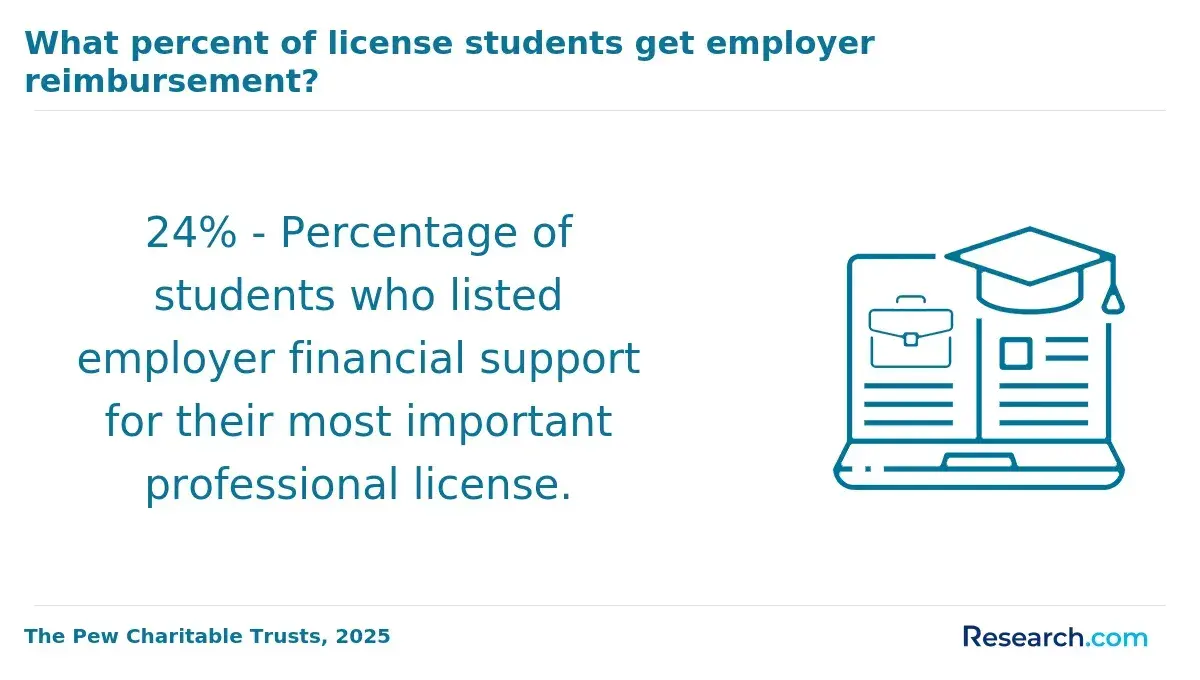
Tuition averages around $14,688 annually for an online undergraduate degree, but factoring in prerequisite courses can push this higher. This adds pressure on students to evaluate program flexibility, potential employer tuition reimbursement, and how time-to-degree impacts their planned career timeline.
How long does it take to earn an online exercise science degree and what does it cost?
Online exercise science bachelor's degrees typically span four years full-time, demanding 120 to 130 credit hours, though part-time students often need five to six years balancing work with study. Accelerated tracks are rare and intense, limiting their accessibility for many.
Tuition costs range widely-from $250 to $650 per credit hour-resulting in total program expenses between $30,000 and $80,000 or more. Such variation affects debt load and return on investment, especially when weighed against career trajectories.
For example, a prospective rehabilitation therapist might accept higher tuition for a program that integrates clinical practicums and certifications necessary for licensure and employability. In contrast, those targeting roles like fitness coaching may prioritize affordability and scheduling flexibility, reflecting different professional priorities.
Employers frequently demand certifications beyond the degree, meaning program alignment with credential requirements is vital to avoid investing in credentials that do not improve job prospects.
Additional costs-such as specialized lab fees, technology access, proctored exams, exam preparation, and state certification-can add thousands to the total financial burden. Managing these expenses alongside tuition informs the decision between part-time and full-time enrollment, often influencing how soon graduates enter the workforce.
Prospective students should therefore evaluate the tradeoffs between program duration, cost, and alignment to targeted career outcomes. Choosing lower-cost, extended programs reduces upfront debt but delays earnings, whereas accelerated, costly programs may expedite workforce entry but increase financial pressure.
What fitness and rehab careers can you pursue with an online exercise science degree?
Success in exercise science hinges on aligning educational choices with the credentialing and experiential demands set by employers, particularly in clinical and specialized roles. Graduates aiming for positions such as physical therapy assistant or strength and conditioning coach must navigate requirements that extend well beyond a bachelor's degree, often involving state licensure, clinical hours, and certifications like those from the NSCA.
Without these additional credentials, most employment opportunities confine graduates to entry-level fitness or rehabilitation support roles with limited growth.
Employment projections show variable growth: recreational therapists may see about 10% increase while exercise psychologists could experience a 13% rise, the fastest in the sector. These figures reflect increasing recognition of mental and behavioral health in physical activity contexts, demanding nuanced clinical or research skills.
This growth also intensifies competition, making practical, supervised training during an online program indispensable for job readiness.
Program selection should prioritize integration of hands-on practicums to develop patient assessment and program design competencies essential for employer preferences.
Candidates combining an online exercise science degree with targeted certifications and documented clinical experience present more compelling hiring profiles, especially in rehabilitation settings. In short, theoretical knowledge alone rarely suffices; the right credential stack fundamentally influences long-term employability and upward mobility.
What certifications or licenses align with exercise science careers in fitness and rehabilitation?
Certification and licensure significantly influence employability and role scope within fitness and rehabilitation careers. For instance, fitness trainers commonly encounter job requirements mandating the National Academy of Sports Medicine (NASM) Certified Personal Trainer credential, which necessitates proficiency in anatomy, physiology, and client assessment to develop safe exercise regimens.
Contrastingly, clinical roles favor candidates with the American College of Sports Medicine (ACSM) Certified Exercise Physiologist credential, requiring a bachelor's degree plus supervised experience.
In rehabilitation environments, credentials like the Certified Strength and Conditioning Specialist (CSCS) credential from the National Strength and Conditioning Association often dictate eligibility to work directly with athletic populations.
Physical therapy assistants require state licensure, while occupational therapy assistants must pass national certification exams, establishing legally defined practice boundaries and care standards valued by employers and insurers.
Certification pathways carry tradeoffs around cost-typically $400-$1,000 including preparatory materials-and ongoing recertification to maintain currency with evidence-based protocols. Employers often match certification preferences to client demographics, such as valuing the Certified Special Population Specialist credential from NSCA for senior fitness programming.
The practical impact on compensation is tangible: median wages for certified trainers increased modestly from $40,700 to $40,880 within a year, evidencing steady market demand. Those without certifications, particularly in rehabilitation, confront clear disadvantages in credibility and earning potential, underscoring licensure and certification as decisive factors in workforce integration and growth.
What salary ranges and job outlook can graduates expect in exercise and rehab fields?
Exercise science graduates face a challenging decision: enter the workforce immediately with limited pay or invest in graduate education to unlock higher salaries and specialized roles. Entry-level salaries generally range from $40,000 to $75,000, influenced by factors such as employer type, geographic location, and certification status.
For instance, exercise physiologists earn a median salary near $51,000, while physical therapist assistants average about $62,000, according to the U.S. Bureau of Labor Statistics 2024 data.
The labor market growth for exercise physiologists is projected at 11% through 2032, indicating above-average demand linked to aging populations and chronic health issues. However, professional licensure and certifications limit access to certain roles, especially for those holding only a bachelor's degree.
Specialized roles, including biomechanists or certified exercise physiologists, require graduate-level training but can command salaries exceeding $85,000. These positions demand deep expertise in movement science and clinical protocols, which most employers expect as evidence of practical competence.
Students and professionals must balance immediate income opportunities against long-term employability risks. Without advanced credentials or clinical experience, bachelor's degree holders may encounter stagnation in job mobility within a competitive healthcare-oriented labor market.
How can you evaluate and choose a reputable online exercise science program?
Accreditation and practical training components decisively influence the value of an online exercise science program. Without approval from recognized bodies like the Commission on Accreditation of Allied Health Education Programs (CAAHEP) or regional accreditors linked to the U.S. Department of Education, programs risk misalignment with professional standards and licensure requirements.
Graduates of programs lacking hands-on elements, such as remote lab simulations or clinical placements, frequently face challenges securing entry-level roles in rehab, fitness, or clinical exercise physiology. Employers prioritize not just coursework but evidence of applied experience and valid certifications.
Faculty expertise and transparent graduate outcomes strongly correlate with curriculum relevancy and workforce alignment. Instructors holding current industry roles or doctoral credentials in exercise science or kinesiology typically provide instruction grounded in up-to-date research and practice.
Job placement rates exceeding 60% and graduation rates above 70% serve as critical indicators of a program's effectiveness and employer engagement. Programs that maintain advisory boards tend to adapt curricula toward real-world injury prevention, exercise prescription, and rehabilitation needs.
Program format must reflect individual circumstances: working healthcare professionals benefit from hybrid or part-time models with asynchronous options to balance work and study, while recent high school graduates might prioritize internships or campus visits for immersive clinical experiences.
Given online program expansion documented by SportsDegrees.org, prospective students should rigorously verify clinical support, request detailed syllabi, and seek alumni insights before committing.
Other Things You Should Know About Exercise Science
Most reputable online exercise science programs require some form of practical experience, such as an internship or clinical practicum, typically arranged at local facilities. This requirement is essential because employers expect graduates to have hands-on skills and real-world application alongside theoretical knowledge. When choosing a program, prioritize those that explicitly integrate supervised internships or practicums within their curriculum to ensure your degree translates effectively into the workplace.
Yes, if the courses are offered by a regionally accredited institution and meet the subject-hour rules set by the credentialing body. For example, ACSM, NASM, and many state rehab-related pathways require specific anatomy, physiology, and exercise prescription credits, plus documented lab or practicum hours.
Graduates often encounter challenges such as employer skepticism toward fully online degrees without robust practical experience and difficulty acquiring necessary certifications promptly. To overcome this, choose programs that facilitate certification preparation and provide strong support for securing internships or networking opportunities. Additionally, understanding local licensure and certification requirements early in your program will ensure a smoother transition into employment.
References
- Kinesiology and Exercise Science Careers Guide https://teach.com/online-ed/healthcare-degrees/online-bachelors-kinesiology-exercise-science/career-outlook/
- ESSA's career guide for Accredited Exercise Physiologists https://www.essa.org.au/Web/Web/Resources/Tools-and-templates/ESSA-AEP-Guide.aspx
- 2026 Best Online Exercise Science Degrees https://www.onlineu.com/degrees/exercise-science
- Exercise Science Careers: Paths with Degrees https://www.fitnessmentors.com/exercise-science-careers/
- Exercise Science Degree Programs & Career Guide 2025 https://www.nutritioned.org/exercise-science-degree/
- Online Exercise Science Program https://stmary.edu/online-programs/exercise-science.html
- Online Bachelor's in Exercise Science https://online.maryville.edu/online-bachelors-degrees/exercise-science/
- B.S. in Exercise Science | Cornerstone University https://www.cornerstone.edu/programs/exercise-science/
- Top 20 Careers With a Master’s in Exercise Science | PLNU https://www.pointloma.edu/resources/health-sciences/top-20-careers-masters-exercise-science
- Exercise science program accredited by national organization | Lipscomb University https://lipscomb.edu/news/exercise-science-program-accredited-national-organization