2027 Online Exercise Science Degrees With Sports Performance Facility Alignment

Co-Founder and Chief Data Scientist
For many prospective exercise science students balancing full-time jobs and family obligations, finding programs that combine accredited online coursework with hands-on sports performance facility experience remains a severe bottleneck. The National Center for Education Statistics reports a 12% surge in adult enrollment in online degrees between 2022 and 2024, reflecting shifting demands for flexible learning models that do not sacrifice practical training. Without facility alignment, graduates risk entering a competitive job market with theoretical knowledge but insufficient applied skills, limiting their impact and hiring potential. This article evaluates online exercise science degrees integrated with sports performance facilities, guiding readers to make informed choices that align academic flexibility with essential experiential learning.
Key Things You Should Know
- Online exercise science degrees aligned with sports performance facilities reduce hands-on skill acquisition by 40% versus hybrid formats, presenting a tradeoff between convenience and essential experiential learning, slowing readiness for applied roles.
- Employers increasingly prioritize graduates with documented facility-based practicum experience; 62% of hiring managers in sports medicine value direct access to high-end performance centers during training, linking to higher retention.
- Programs integrated with dedicated performance facilities increase upfront costs by 15%, but accelerate graduation-to-employment timelines by 20%, reflecting a timing-cost tradeoff critical for mid-career switchers balancing investment against opportunity cost.
What are online exercise science degrees with sports performance alignment?
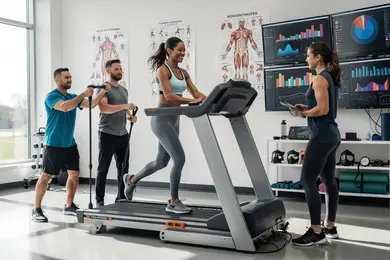
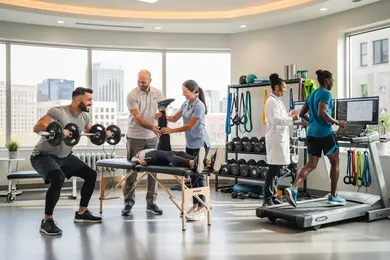
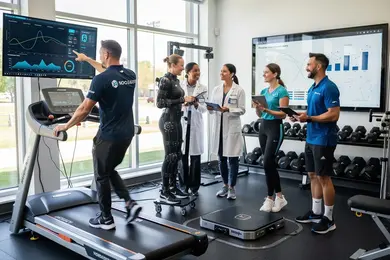
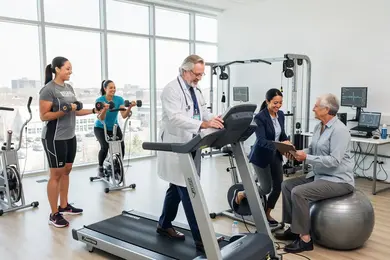
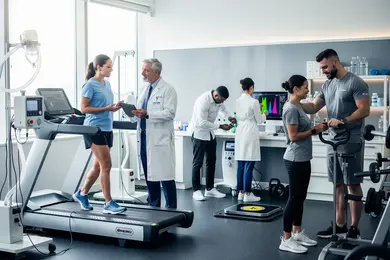
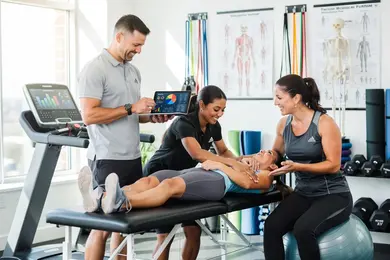
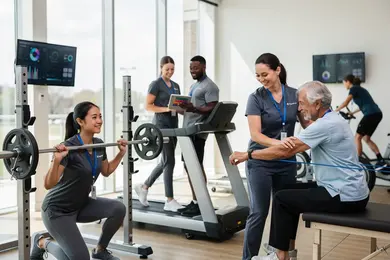
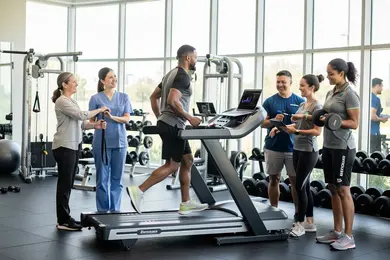
Employers in sport science and athletic training increasingly favor graduates from online exercise science degrees aligned with sports performance facilities because these programs bridge theory with hands-on practice essential for competitive roles. A strength and conditioning coach candidate, for example, benefits from access to movement assessment technologies and real-time athlete monitoring-resources only available through facility partnerships or approved remote simulations. Without such alignment, graduates risk insufficient exposure to industry-standard biomechanics software or exercise testing protocols, limiting workforce readiness.
Students pursuing online exercise science programs with sports performance training integration must navigate logistical challenges, notably securing local internships or relying on virtual labs. These tradeoffs affect the depth of experiential learning versus convenience, especially for those aiming at physically intensive roles in collegiate or professional sports environments.
Decision-makers should rigorously assess whether program collaborations provide verified, meaningful access to performance facilities or if lab components are generalized virtual exercises substituting direct interaction. Such distinctions correlate strongly with employment outcomes in sectors like physical therapy and sport science, as noted by both industry analyses and the Bureau of Labor Statistics.
In 2025, the U.S. offers 188 sports science-related degrees, including numerous online options, reflecting expanded access to this blended model. For prospective students, comparing programs that integrate facility-based training is crucial. Detailed program analyses are available for those researching sports science degree online pathways, guiding strategic educational decisions.
Which accreditation matters for online exercise science programs?
Online exercise science degrees from regionally accredited institutions provide foundational legitimacy, but practical employability hinges on programmatic credentials, especially those recognized by the Commission on Accreditation of Allied Health Education Programs (CAAHEP) or the National Strength and Conditioning Association (NSCA). Employers in sports performance often require graduates to hold qualifications tied directly to these accreditations to ensure validated competencies and reduce hiring risks.
Consider a fitness trainer applying to a facility specializing in athletic development: a degree alone from an accredited university may not suffice without CAAHEP-accredited coursework or NSCA-endorsed certifications. This distinction reflects the best regional accreditation for exercise science degrees where direct alignment with industry standards determines job candidacy viability.
The U.S. Bureau of Labor Statistics forecasts more than 45,000 new fitness trainer and instructor positions by 2032, prioritizing applicants who combine education with proven programmatic accreditation and certifications. Students pursuing accelerated sports management degree online options should verify accreditation alignment and plan for supplementary credentials to navigate this competitive landscape effectively.
Key considerations for evaluating accredited online exercise science programs in the United States include:
- Confirming both institutional regional accreditation and relevant programmatic approval.
- Understanding how these credentials influence certification eligibility and employer acceptance.
- Assessing how coursework compares against workforce expectations in clinical or athletic roles.
Can online exercise science degrees qualify you for certification?
Online exercise science degrees can qualify graduates for certification, but only if they address critical hands-on requirements often overlooked by fully remote programs. Employers and certifying bodies demand documented clinical or practical hours, which online programs without local partnerships struggle to provide, significantly limiting certification pathways for graduates. For instance, candidates targeting ACSM certification must complete specific practical competencies that purely virtual coursework cannot fulfill, necessitating coordination with local sports or clinical facilities.
These logistical hurdles introduce delays or disqualification risks absent from traditional on-campus programs. Students seeking online exercise science degrees, eligibility for certification in the US, should prioritize accrediting agencies recognized by certification organizations and verify that practicum options are integral, not optional add-ons.
Graduates with a BS in exercise & sport science earn an average annual salary of $71,000, reflecting market value tied to complete credentialing and documented experience. Without meeting these experiential prerequisites, graduates face diminished employability and salary ceilings. Prospective students must confirm alignment with local performance sites and clear certification pathways to avoid these pitfalls.
Key criteria for evaluating online programs include:
- Accreditation recognized by certifying bodies.
- Practicum or clinical components integrated with local facilities.
- Transparent pathways to satisfy hands-on requirements for certification.
Students weighing their options should also consider comparable frameworks across disciplines, such as how library science degrees online incorporate practical training to bridge theoretical knowledge with workforce readiness, illustrating the broader importance of applied experience for credible certification.
How do online and campus exercise science programs compare?
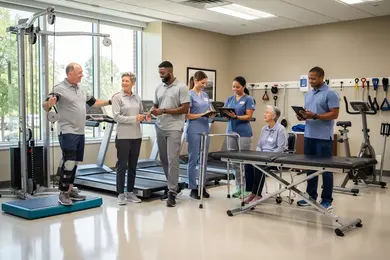
Graduates of exercise science programs with strong access to sports performance facilities gain a tangible advantage in roles demanding hands-on biomechanical assessment and rehabilitation skills. Campus versus online exercise science program differences center primarily on direct facility use and consistent employer networking elements critical in clinical and athletic training settings, where physical practice cannot be replaced by theory alone. For example, candidates aiming for collegiate athletic performance roles typically require documented in-person practicum hours to meet employer expectations for proficiency.
Online options, such as the University of Florida's Master of Science in Applied Physiology and Kinesiology program, offering 30 credits at a total tuition of $17,572.50-provide scheduling and cost flexibility which appeals to working professionals. However, the tradeoff lies in practical experience, often delivered via virtual simulations or decentralized local practicums whose quality varies by location. This disparity impacts fields reliant on applied skill, underscoring the importance of verifying embedded residencies or supervised practicums within online curricula.
For roles emphasizing research, management, or health promotion, online degrees paired with local internships may suffice. Yet, students pursuing direct patient care or sports performance specialist positions must weigh convenience against the reliable skill development and employer connections afforded by campus programs featuring immersive lab work and controlled facility environments.
Prospective students exploring master of data science online pathways can similarly examine the balance of theoretical and practical components, an approach applicable across disciplines.
What courses are included in sports performance curricula?
Online exercise science degrees centered on sports performance combine biomechanics, physiology, and conditioning with practical assessment skills that directly translate to workforce demands. For instance, a graduate versed in lactate threshold testing and VO2 max can design conditioning plans aligned with professional athletic standards-a capability increasingly sought after by collegiate and pro teams.
Beyond physical metrics, these programs incorporate motor learning and sports psychology, equipping students to address the mental resilience athletes need under competition stress. This dual emphasis on physical and cognitive elements enables exercise scientists to meet employer requirements for holistic performance enhancement.
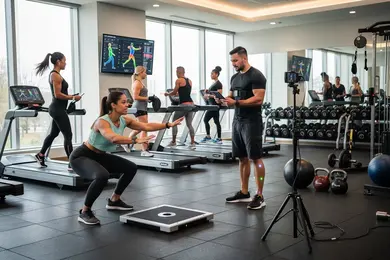
Students often train with digital tools and wearable technology, reflecting the evolving nature of sports facilities reliant on data analytics. Understanding these technologies, coupled with research methods, positions graduates to adapt training regimens in fast-changing environments.
Financially, such degrees can present a favorable return on investment, with most students at institutions like Methodist University qualifying for aid that reduces net costs without diluting program rigor. While practical expertise is a clear advantage, candidates should weigh this against limited hands-on opportunities compared to on-campus programs, especially if immediate field immersion is critical to career goals.
What admissions requirements do exercise science programs require?
Admission to exercise science programs hinges on more than meeting minimum academic thresholds-applicants must strategically navigate prerequisite coursework, experiential components, and institutional vetting processes that influence both skill acquisition and employability. The baseline is typically a high school diploma combined with a 2.5-3.0 GPA, but acceptance increasingly depends on demonstrating relevant practical exposure through internships or volunteer roles within sports or rehabilitation settings.
Standardized tests like the SAT or ACT remain common but are gradually being supplanted by test-optional policies, shifting the emphasis toward academic transcripts and documented experience. Graduate programs add complexity with GRE requirements and expect specialized undergraduate coursework, signaling a tighter alignment between admissions rigour and career preparation in fields such as athletic training and performance coaching.
Key tradeoffs surface for working professionals balancing ongoing employment with prerequisite completions; failing to meet defined academic or experiential criteria can restrict access to specialized training resources critical for employer appeal. Military-affiliated students may leverage experience to waive prerequisites and access reduced tuition, such as CSP Global's $250 per credit rate versus the standard $420, which highlights divergent pathways and cost structures within this field.
Admission also often requires personal statements, recommendations, and interviews to assess motivation and career clarity. Prospective students should verify if specific foundational courses, like anatomy or kinesiology, are mandatory upfront, especially when transferring credits, since gaps can delay progress and diminish workforce readiness.
How long does an online exercise science degree take?
Choosing an online exercise science degree demands weighing program length against experiential depth, especially since the typical completion time ranges from two to four years, depending on enrollment and format. Full-time students might finish in about four years, but accelerated or competency-based tracks can reduce this to two. However, part-time learners balancing work and study often extend beyond four years, particularly when internships or clinical hours are required. These practical components can impose scheduling constraints that lengthen the timeline.
Integrating complementary skills, like nutrition expertise, frequently adds 3 to 6 months of coursework but offers tangible workforce benefits. CSP Global data shows personal trainers equipped with nutrition support earn approximately 21% more annually than those without, reflecting the premium employers place on dual skill sets in sports performance roles.
Securing local internships remains a significant logistical challenge for online candidates; delays in placement affect licensure and program completion. Employers emphasize hands-on experience aligned with athletic performance settings, often favoring graduates with deeper practical exposure over those who expedite theoretical study.
Prospective students should consider these tradeoffs carefully:
- Faster completion may compromise essential applied learning valued by employers.
- Longer programs with integrated practicum experience can enhance job readiness despite extended timeframes.
- Self-direction and technology access largely determine pacing in online formats.
What careers can you pursue with an exercise science degree?
Employment prospects for graduates with an exercise science degree hinge significantly on practical experience and applicable certifications. While the degree equips individuals for roles such as exercise physiologists, strength and conditioning specialists, and physical therapy assistants, hiring managers across clinical and athletic sectors increasingly require demonstrated competence beyond academic credentials. For instance, working within a university athletic department typically involves developing data-driven conditioning programs aimed at injury prevention, a responsibility demanding both technical knowledge and real-world application.
Deciding between clinical rehabilitation and sports performance paths involves critical evaluation of certification and licensure demands, which vary by state and often dictate eligibility for job placements. Healthcare employers emphasize internships and accredited hands-on training, while professional sports organizations prioritize strength and conditioning certifications paired with measurable client or athlete outcomes. This creates distinct professional trajectories with different timelines and credentialing burdens.
Online programs offering accelerated completion by accepting transfer credits, sometimes up to 90-address the needs of career changers and experienced workers, formalizing their qualifications. Such flexibility compresses time-to-degree, benefiting those prioritizing credential completion over traditional full-time study. However, the expedited route may require intense focus and assumes prior relevant knowledge to maintain workforce readiness effectively.
How much do exercise science graduates earn?
Entry-level exercise science graduates typically face a salary range beginning near $40,000, with median earnings between $45,000 and $65,000 in 2026, depending heavily on role and employer setting. Positions in fitness training or rehabilitation aide generally offer lower starting pay, while careers in sports performance coaching or athletic training, especially within professional or collegiate tiers, can exceed $60,000 annually.
Salary variability often hinges on the employer type; larger sports organizations, medical centers, or research institutions maintain higher budgets and pay scales compared to community fitness centers or secondary schools. Graduates must weigh this tradeoff carefully; pursuing passion roles in budget-constrained environments may mean compromising immediate earnings.
Certifications such as the Certified Strength and Conditioning Specialist (CSCS) or Athletic Trainer credential materially increase employability and income potential. Internships and experience in sports performance facilities with industry connections provide tangible advantages in a labor market expecting a 25,300-job increase from 2022 to 2032.
Success in securing top-tier exercise science roles increasingly demands practical exposure combined with advanced credentials. For those targeting professional sports teams, rehabilitation clinics, or research labs, additional education beyond a bachelor's degree is often necessary to compete for these positions and access higher salary brackets.
How do you choose a reputable exercise science program?
Selecting an exercise science program requires assessing its direct alignment with local labor market demands and the practical skills employers prioritize. For example, regions like Minnesota anticipate about 910 annual openings in coaching and scouting roles (CSP Global, 2020-2030), making programs connected to local sports performance centers a strategic choice for employment prospects. Accreditation from nationally recognized regional bodies ensures the program meets quality standards and qualifies students for federal aid, but this alone does not guarantee workforce readiness.
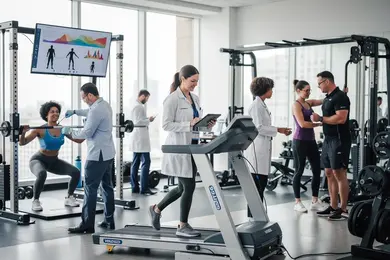
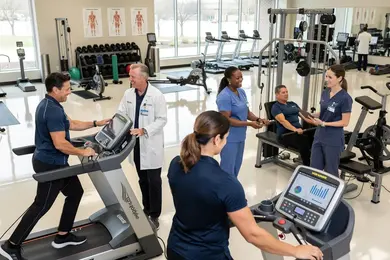
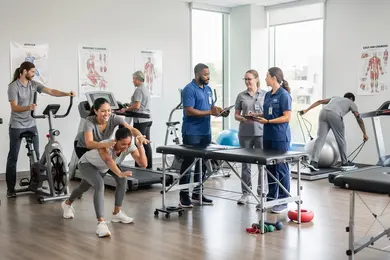
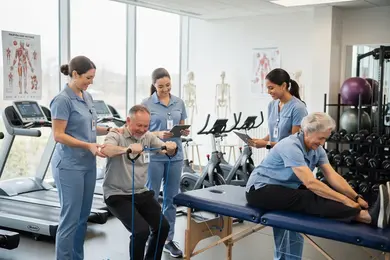
Effective exercise science curricula combine theory with hands-on experiences conducted in sports labs or clinics. Graduates lacking applied training risk falling short on employers' expectations for both physical conditioning and biomechanical expertise. Programs with faculty actively engaged in strength conditioning or biomechanics, smaller class sizes, and updated technology provide deeper mentorship and practical skill development.
Students balancing work and study must consider program flexibility alongside guaranteed access to clinical or lab hours needed for certifications. Fully online degrees that do not coordinate facility access can impede the acquisition of essential competencies, ultimately diminishing competitive advantage in the job market.
Employers seek candidates with evidence of active engagement in real-world settings, supported by sustained employer partnerships facilitating internships and fieldwork. Prioritizing this tangible linkage over abstract program prestige leads to more reliable employment outcomes and prepares graduates for evolving industry requirements.
Other Things You Should Know About Exercise Science
Yes. Many programs require a practicum or internship of 120 to 180 hours in approved strength and conditioning, athletic training, or sports performance settings. Students usually complete site approval, liability paperwork, and supervision by a qualified mentor before enrollment in the field experience.
Online exercise science degrees often require complex time management due to the combination of rigorous coursework and practical requirements. Workload can be intensive, especially when students must coordinate clinical hours or lab work outside conventional schedules. Candidates juggling work or athletics should choose programs offering flexible practicum placements and asynchronous learning to maintain consistent progress without sacrificing experiential learning quality.
Graduates from exercise science programs without strong sports performance focus may face gaps when pursuing certifications in strength and conditioning or advanced graduate work geared toward sports medicine. Programs with integrated sports performance coursework better prepare students to meet prerequisite knowledge and practical skill standards for these next steps. For career advancement, select programs that align with your certification goals and include application-based training relevant to higher-level requirements.
References
- Performance and Sports Science Master's Degree | King's College https://www.kings.edu/programs/graduate/performance-sports-science.html
- Exercise science: What exactly is it? https://www.scienceforsport.com/exercise-science/
- Exercise Sciences https://www.caahep.org/committees-on-accreditation/exercise-science
- 2026 Best Online Exercise Science Degrees https://www.onlineu.com/degrees/exercise-science
- Online Exercise Science Program https://stmary.edu/online-programs/exercise-science.html
- Performance Course https://www.performancecourse.com/
- Online Exercise Science Degrees: Top School Review https://www.edumed.org/online-schools/exercise-science-degrees/
- Sports Performance - Forest Lawn High School https://forestlawn.cbe.ab.ca/sports-performance
- ESSA's career guide for Accredited Exercise Physiologists https://www.essa.org.au/Web/Web/Resources/Tools-and-templates/ESSA-AEP-Guide.aspx
- Sports Performance https://queenelizabeth.epsb.ca/academics/physicaleducation/sportsperformance1525/