2027 PT-School-Oriented Roles You Can Target Before Graduate Study

Co-Founder and Chief Data Scientist
Facing a competitive application landscape for graduate programs, many pre-physical therapy students struggle to gain relevant clinical experience early enough to strengthen their candidacy.
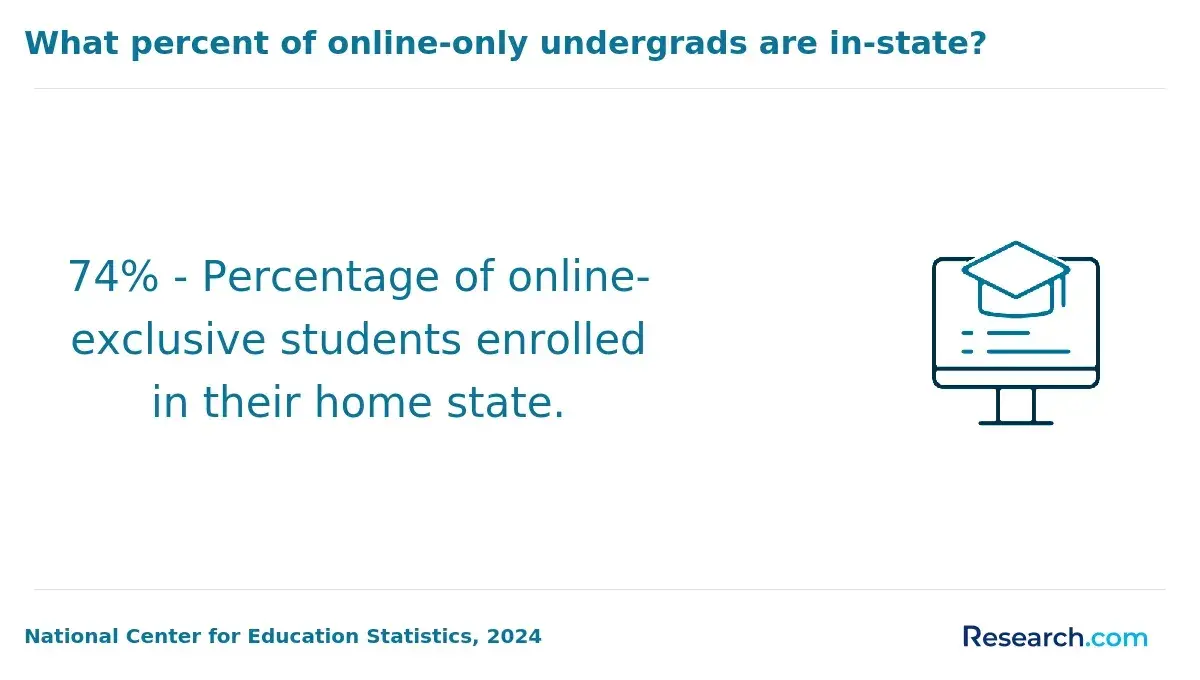
Data from the National Center for Education Statistics reveals a 14% rise in enrollment among adult learners in allied health fields, reflecting growing nighttime and weekend program options that ease entry barriers but often limit hands-on opportunities. This constrained access complicates decisions about when and how to acquire the crucial practitioner-facing roles admissions committees prioritize.
This article outlines targeted roles accessible before graduate study, highlighting pathways that improve experience without delaying enrollment or sacrificing employability in physical therapy's evolving workforce.
Key Things You Should Know
- Demand for entry roles such as rehab technicians rose 14% from 2022 to 2024, per BLS, but median wages remain 30% below positions requiring graduate credentials, forcing a strategic choice on initial earnings versus credential delays.
- Employers prioritize hands-on clinical hours over mere certification, with 68% of PT clinics preferring candidates who completed 500+ supervised practice hours, influencing frontline role acceptance and graduate admissions competitiveness.
- Certificate and associate-level programs average $9,000 to $15,000 in total cost with completion times under two years, creating accessible but limited advancement channels compared to the 3-4 year DPT degrees exceeding $60,000.
What entry-level, patient-facing roles can you pursue in physical therapy settings before grad school?
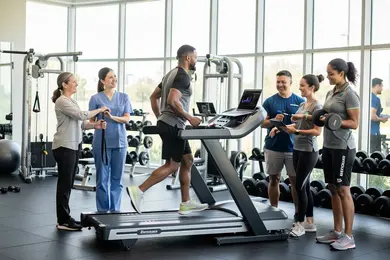
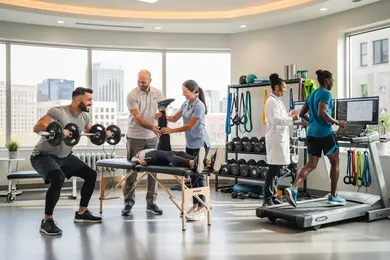
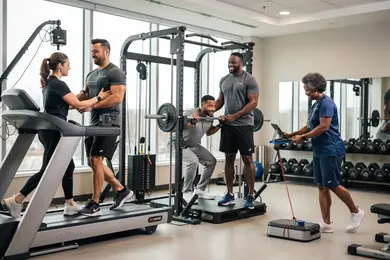
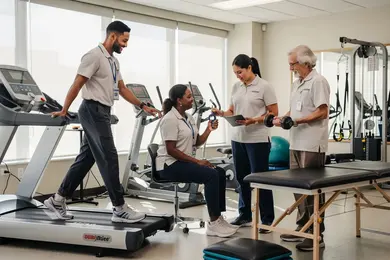
Physical therapy aides and rehab technicians performing entry-level patient care assistant jobs in physical therapy clinics provide essential support that extends beyond typical volunteer or fitness assistant roles. These positions entail regulated, supervised tasks that directly impact patient recovery, such as preparing treatment areas, assisting patients with exercises, and managing equipment logistics.
However, they require only a high school diploma or equivalent rather than formal physical therapist assistant certification, positioning them as strategic but temporary roles ahead of graduate study.
The U.S. Bureau of Labor Statistics projects a 19% employment growth for physical therapist assistants and aides through 2034, reflecting rising demand. Despite this, balancing work schedules with the rigorous academic prerequisites for physical therapy graduate programs remains a practical challenge.
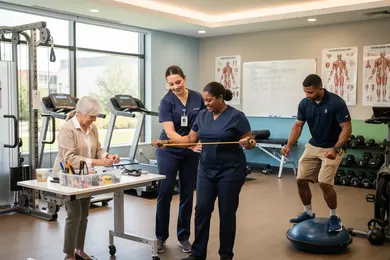
Candidates often seek part-time positions, especially within university-affiliated or outpatient clinics, to sustain both clinical exposure and study time. These patient-facing rehabilitation support roles before graduate school sharpen critical clinical communication and practical skills, demonstrating familiarity with therapy protocols that graduate admissions committees value.
Unlike general assistant roles, these positions offer measurable patient outcome experience but do not substitute certification requirements, meaning long-term career progression depends on advanced credentials. For those assessing pathways, exploring accredited exercise science degrees online can complement hands-on roles and streamline the transition to graduate programs in physical therapy or related fields.
How does an exercise science bachelor's degree prepare you for PT-clinic-oriented jobs?
Graduates with an exercise science degree for physical therapy clinic roles often confront a critical divide between theoretical knowledge and the practical requirements of patient care environments. The degree equips students with key skills gained from a bachelor's in exercise science for PT jobs, such as understanding anatomy, kinesiology, and biomechanics, which are essential for assisting licensed physical therapists in movement assessments and prescribing tailored exercise routines.
However, clinic settings demand more than academic grounding. State-specific certifications and hands-on clinical experience through internships are typically necessary to qualify for direct patient care roles like physical therapy aides.
In practical terms, exercise science graduates frequently support physical therapy assistants by interpreting therapy plans and facilitating patient adherence, a position that requires familiarity with healthcare documentation and communication skills. The industry projects a 22% job growth for physical therapist assistants and aides in educational services, surpassing the broader occupation growth rate, reflecting expanded demand in school-based and clinical environments focused on mobility support.
Prospective students should also consider trade-offs, such as the additional certification hurdles and the routine physical demands of clinic work. Programs that incorporate evidence-based movement analysis, clinical communication, and regulatory compliance better prepare graduates for these challenges.
For those exploring alternative scientific degree programs with comparable operational insights, a useful point of reference is this animal science degree online.
What education, skills, and certifications do you need for common pre-PT support roles?
Pre-physical therapy support roles require more than just basic qualifications; they demand a strategic combination of education, certifications, and skills that directly respond to growing workforce pressures.
While employers often prioritize practical experience, minimum education typically includes a high school diploma coupled with targeted coursework or certifications in medical terminology, anatomy, or exercise science basics. This balance reflects the evolving realities of pre-physical therapy support roles education requirements versus the often limited time candidates can invest before entering the field.
Essential certifications and skills for pre-PT positions extend beyond clinical knowledge. Administrative competencies such as proficiency with scheduling software, electronic health records (EHR), and insurance documentation are crucial, especially in front desk roles that must comply with HIPAA privacy rules. For example, a busy outpatient PT clinic's patient intake coordinator must juggle variable patient flow and billing tasks efficiently, which directly impacts clinic operations.
Hands-on support roles, like physical therapy aides, also demand physical stamina and training in proper body mechanics to avoid injury while assisting patient mobilization. Certification programs aligned with recognized health boards help ensure candidates meet employer expectations and integrate smoothly into clinical teams.
As the demand for physiotherapy grows steadily, an increase of 5.5% in Canadian community care physiotherapists from 2023 to 2024 indicates, a practical approach to building both interpersonal and technical competencies is necessary before pursuing graduate study in this field. Candidates seeking foundational knowledge can consider exploring the best library science programs as part of a broader strategy to develop relevant administrative and research skills.
What are the typical duties of PT techs, rehab aides, and exercise specialists in clinics?
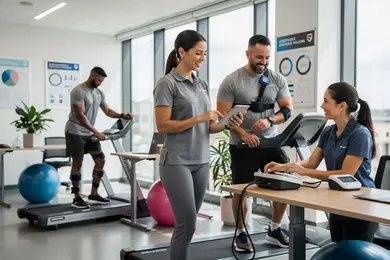
The labor division among PT techs, rehab aides, and exercise specialists in clinics is shaped heavily by regulatory oversight and operational demands, which directly influence workflow efficiency and patient throughput.
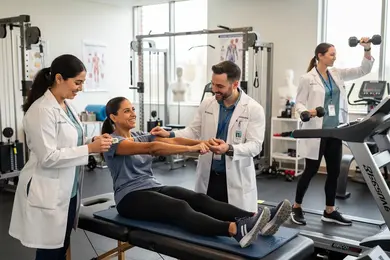
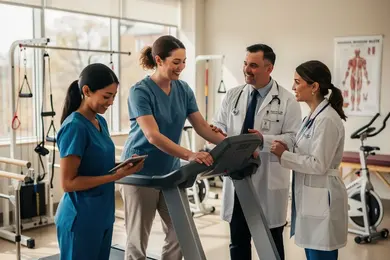
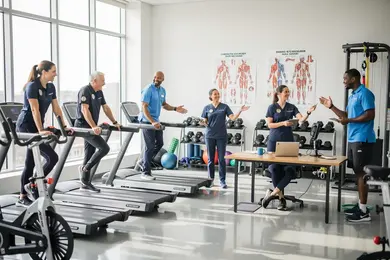
Typical duties of PT techs and rehab aides in clinics emphasize support roles. PT techs assist with preparing treatment areas, managing therapeutic equipment, and documenting interventions under strict supervision, while rehab aides focus on logistical tasks such as patient transport, equipment sterilization, and set-up. These boundaries reflect state and federal limits on non-licensed staff clinical decision-making, producing bottlenecks when licensed therapists cannot delegate further.
Exercise specialists clinic roles and responsibilities diverge substantially, centering on individualized exercise plan creation and monitoring, typically post-therapy or for chronic condition management rather than acute rehabilitation. Their broader scope includes counseling on fitness principles and integrating wellness goals, which demands precise interdisciplinary coordination.
This separation reveals a tradeoff. PT techs and aides facilitate immediate clinical throughput in high-volume hospital settings where roles are rigid, whereas exercise specialists bridge rehabilitation and maintenance but face challenges aligning with clinical protocols.
The Canadian hospital data showing a 3.1% increase in physiotherapist direct-care positions alongside growing PT tech support highlights a workforce trend toward supplementary roles easing licensed therapist burdens. For professionals eyeing these positions before graduate study, grasping these operational and regulatory nuances is vital to strategically leveraging experience into advanced credentials.
The pathway to elevated roles often necessitates combining hands-on clinical exposure with relevant academic preparation. For example, programs in online data science programs may equip candidates with analytical skills increasingly valued in exercise science settings focused on outcomes and patient progress tracking.
How do pay, benefits, and advancement opportunities compare across key pre-PT job titles?
Pre-PT roles offer varied entry points into allied health but differ substantially in compensation and career potential. Pediatric physical therapy assistants earn median wages near $37,180, aligning with healthcare support job norms, yet typically have limited benefits beyond basic healthcare. Advancement usually involves pursuing additional credentials or licensure.
Physical therapy aides often encounter limited upward mobility since their positions are largely supportive and non-clinical, whereas rehabilitation technicians may increase earnings by 10-20% through certifications in specialized modalities such as electrotherapy.
Consider the tradeoffs faced by a working professional pivoting to exercise science: a full-time pediatric PTA position in an early intervention clinic provides stable pay and practical experience but rarely includes tuition reimbursement, necessitating external funding for further education. Alternatively, outpatient aide roles might offer flexible schedules but lower wages and minimal benefits, restricting long-term growth opportunities.
Key factors to weigh include immediate financial necessity against the need for further schooling to access licensed PTA roles or graduate physical therapy career paths. The employment outlook favors pediatric PT assistants due to projected healthcare support job growth through 2034, but sustainable income gains hinge on credentialing beyond pre-PT roles.
Which pre-PT roles offer the strongest shadowing, mentoring, and hands-on patient experience?
Positions as physiotherapy research assistants in academic or clinical labs offer more than administrative tasks. They provide critical practical exposure that surpasses typical shadowing.
Candidates gain direct interaction with licensed physiotherapists and interdisciplinary teams, enabling observation of advanced diagnostic methods and rehabilitation protocols, which are pivotal when competing for graduate program admissions. This access contrasts with roles limited to fitness instruction or clerical support, which rarely provide patient-facing or evidence-based practice experience.
Clinical research settings sharpen clinical reasoning by revealing subtle patient differences and treatment effects, fostering mentorship that often includes advice on licensure and specialty certification pathways. The Canadian Institute for Health Information reports a 5.6% annual increase in licensed physiotherapists from 2020 to 2024, alongside a 9.3% rise in internationally educated practitioners. For U.S. students pivoting to Exercise Science, such research experience translates to stronger profiles amid growing international competition.
Shadowing alone in outpatient clinics may not meet expectations due to variability in mentoring quality, emphasizing the need to secure positions through trusted professional or university networks. Effective research assistant roles should guarantee patient interaction and formal mentorship under licensed supervisors, reflecting employer demands for candidates skilled in research literacy and adaptable clinical communication.
Prospective students should prioritize environments where collaboration across disciplines is integral, preparing them for the nuanced decision-making and teamwork essential in evolving physiotherapy practice.
How can working in PT-oriented roles strengthen your graduate DPT school applications?
Work experience in physical therapy (PT) roles functions as a practical filter for graduate DPT programs, signaling an applicant's readiness to navigate clinical demands beyond academic metrics. Admissions committees often prioritize candidates possessing firsthand patient care exposure, as it reveals operational familiarity and professional commitment not captured by grades alone.
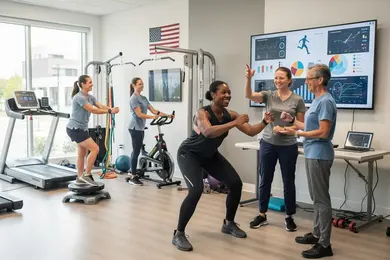
For instance, adaptive sports or community wellness PT assistant roles involve direct engagement with diverse populations, sharpening communication skills and the ability to customize interventions according to varied physical and psychological profiles-skills critical for clinical success.
Canada's rise in physiotherapists employed in direct patient care, from 6.3 to 6.8 per 10,000 people between 2020 and 2024, reflecting a 7.9% increase, illustrates growing demand for professionals skilled in community wellness, a trend relevant to U.S. workforce needs and pre-graduate experience choices.
Applicants gain tangible advantages by:
- Honing patient interaction techniques essential for complex clinical rotations;
- Grasping healthcare workflows, insurance realities, and multi-disciplinary team coordination;
- Building measurable competency in therapeutic exercises, mobility aids, and adaptive equipment;
- Mastering time management and clinical documentation aligned with grad-level standards.
Choosing PT-oriented roles that align closely with intended specialties, such as neurorehabilitation versus outpatient musculoskeletal care, enables more authentic articulation of motivation during admissions and mitigates scheduling conflicts inherent in balancing paid work with academic demands. This strategic selection ultimately reduces practical skill gaps in graduate study and supports stronger outcomes in licensure and employment.
What licensing or registration rules apply to PT support staff in different states?
State licensing and supervision regulations for physical therapy (PT) support staff create significant operational differences across the U.S. Licensed Physical Therapy Assistants (PTAs) uniformly require state licenses, but unlicensed aides or technicians operate under fragmented rules shaped by employer policies and state public health directives.
For example, California prohibits unlicensed aides from patient care without direct oversight, whereas Texas permits some delegated functions through formal supervision agreements. This variance affects workforce deployment and training investments directly.
Supervision mandates also vary: New York insists on in-person PT supervision for aides, limiting remote or telehealth utilization. Florida, in contrast, allows remote supervision using telehealth in specific home health contexts, expanding adaptability outside traditional clinical settings.
These differences critically influence workforce models, especially as home health PT roles grow amid median PT wages exceeding $102,000 versus the national average of $49,500. Employers in lucrative markets emphasize strict licensure compliance to reduce liability and ensure quality.
Such regulatory complexity creates practical challenges: onboarding unlicensed aides often faces delays in restrictive states, increasing training costs and limiting scalable service delivery. To navigate this landscape, prospective PT support personnel and employers must meticulously review state licensure boards and statutes to align with legal requirements and optimize role scope.
How do hospital, outpatient, sports, and telehealth settings differ for pre-PT career paths?
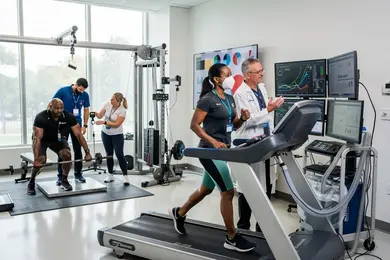
Pre-PT roles across diverse settings expose candidates to distinct patient demographics and clinical demands, shaping readiness for specific career niches within physical therapy. Hospital environments demand rapid clinical judgment in managing complex cases such as trauma and critical illness recovery. This high-pressure setting accelerates adaptation to multidisciplinary teams but risks overwhelming students less prepared for acute care intensity.
Outpatient clinics offer sustained patient interactions focused on musculoskeletal and chronic condition rehabilitation. These roles foster communication skills across treatment cycles but limit exposure to urgent or diverse pathologies prevalent in hospital or long-term care.
Sports-focused positions concentrate on athletic injury prevention and performance optimization, best suited for candidates targeting orthopedics or competitive athletics. The shorter recovery windows and specialized populations reduce breadth in neurological or geriatric care experience.
Telehealth pre-PT roles emphasize digital communication and patient education absent hands-on assessment. While increasingly relevant, they may hinder development of manual skills critical in many PT roles.
Long-term care settings present unique advantages, combining exposure to medically complex geriatric populations with the highest median PT wages, exceeding $104,000 (U.S. Bureau of Labor Statistics). This environment is crucial for candidates interested in chronic disease management and aging population specialties but differs markedly from outpatient or sports contexts by requiring greater clinical versatility and patience.
How should you choose accredited exercise science programs aligned with PT career goals?
Choosing an exercise science program aligned with physical therapy (PT) prerequisites directly affects eligibility for graduate licensure exams and employability.
Programs emphasizing anatomy, kinesiology, and physiology, combined with robust clinical internships or partnerships, enable smoother transitions into graduate studies and professional roles. Institutions accredited by bodies like the Commission on Accreditation in Physical Therapy Education (CAPTE) ensure educational rigor recognized by employers.
Beyond clinical skills, programs integrating data management and administrative coursework address the evolving duties within PT departments, where roles now often encompass scheduling and operations. For example, the median wage for healthcare practitioners including physical therapists reached $83,090, considerably above the median for all occupations, signaling strong demand for multidimensional competencies.
Evaluating programs by graduation rates, job placement statistics, and graduate school acceptance rates reveals practical outcomes impacting career trajectories. Faculty expertise and research relevance in PT applications also differentiate programs actively updating their curricula to match industry standards.
Weigh logistical factors such as length, cost, and flexibility carefully. Accelerated or hybrid options can be critical for those balancing employment while pursuing a career pivot. Making decisions based on these operational realities, rather than brand or surface-level rankings, leads to more sustainable educational and professional outcomes.
Other Things You Should Know About Exercise Science
Choosing a research-intensive exercise science program can strengthen your analytical skills and deepen your understanding of biomechanics and physiology, which are valuable in evidence-based PT practice. However, these tracks often reduce direct clinical experience and patient interaction, which some graduate programs and employers prioritize more. If your primary goal is to enhance your PT school application competitiveness, balance research opportunities with practical, hands-on roles that demonstrate patient care competencies.
Exercise science programs demand significant time for labs, internships, and study, reducing flexibility for part-time jobs. Attempting to juggle heavy coursework with work can impair learning outcomes and limit experiential roles directly relevant to PT settings. Prioritize program tracks that integrate internships or clinical shadowing within the curriculum to gain practical exposure without overextending yourself, as this combined approach better prepares you for both employment and graduate study.
Many PT-adjacent roles require current CPR and AED certification before hiring or site placement. The most common standard is the American Heart Association Basic Life Support course, renewed every 2 years. Clinical observation settings may also require immunizations, a background check, and HIPAA training.
Broad-based exercise science programs provide versatile knowledge applicable in multiple pre-PT roles, increasing employment options and adaptability. Specialized tracks (e.g., sports performance or clinical exercise physiology) can position you as an expert in narrower fields but may limit cross-functional experience valued in physical therapy contexts. For strategic career advancement and smoother transition into PT graduate study, prioritizing programs that combine foundational science with varied clinical exposures is recommended.
References
- Foreign Educated Physical Therapists https://www.fsbpt.org/Free-Resources/Foreign-Educated-PTs-and-PT-Assistants/State-Licensure-NPTE-Information
- How to Become a Physical Therapist Rockstar— 8 Essential Steps https://www.masmedicalstaffing.com/blog/steps-to-becoming-a-physical-therapist/
- Outpatient Physical Therapy Jobs: What Separates Great Clinics From High-Volume Mills - Highbar Physical Therapy https://www.highbarhealth.com/outpatient-physical-therapy-jobs-what-separates-great-clinics-from-high-volume-mills/
- Become a Physical Therapy Aide https://healthcarecareercollege.edu/physical-therapy-aide/become-a-physical-therapy-aide/
- PT Compact License Guide: Physical Therapy Compact States https://advantismed.com/blog/ultimate-guide-to-the-pt-compact-license
- New Grad PT: Your Essential Checklist for Finding the Perfect First Job - Physical Therapy & Sports Medicine Centers https://ptsmc.com/new-grad-pt-checklist/
- Top Skills Employers Look for in Physical Therapists | GHR Healthcare https://www.ghrhealthcare.com/blog/physical-therapist-skills-for-employment
- Careers in Wellness: Opportunities with an Exercise Science Degree https://www.dean.edu/news-events/dean-college-blog/story/careers-wellness-opportunities-exercise-science-degree/