2027 Online Exercise Science Degrees for Corporate Wellness Roles

Co-Founder and Chief Data Scientist
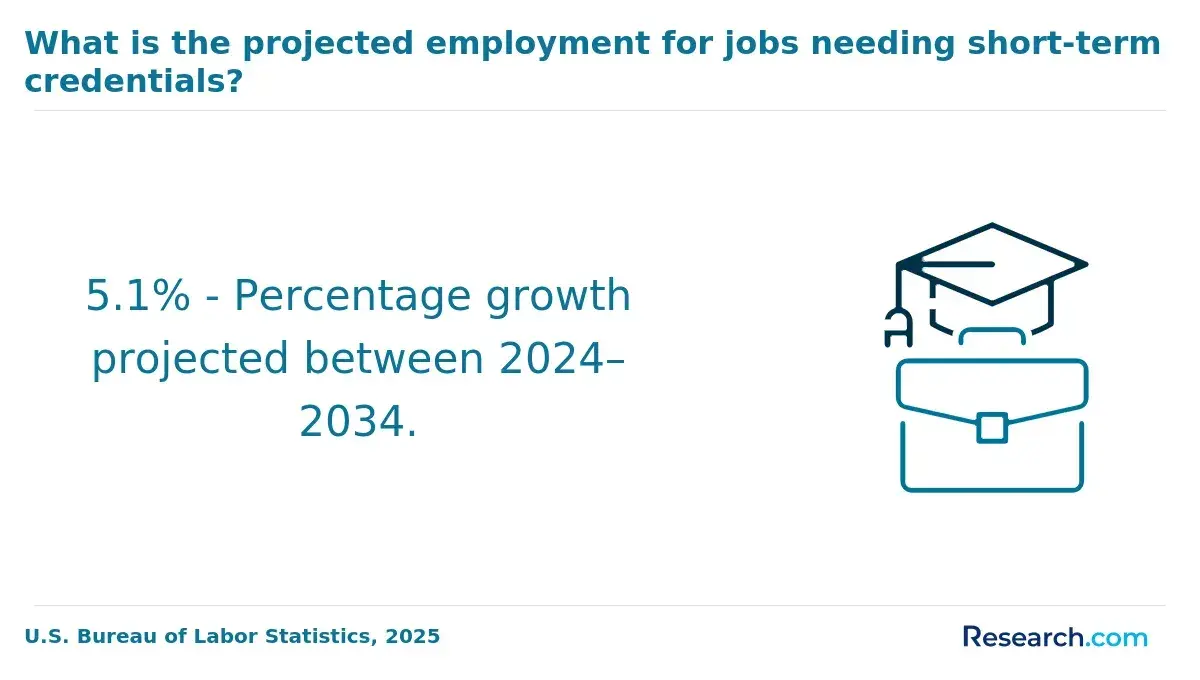
Corporate wellness leaders face an urgent challenge: how to quickly upskill in exercise science while managing full-time roles and the unpredictable demands of hybrid work. The Bureau of Labor Statistics projects a 12% growth in health and wellness occupations over the next decade, driving fresh demand for professionals who combine clinical knowledge with strategic corporate health initiatives.
Yet, many working adults find traditional degree programs inflexible, leading to stalled career advancement. The National Center for Education Statistics reveals that 45% of postsecondary students enrolled exclusively online in 2024, reflecting a systemic shift toward remote learning driven by accessibility and scheduling needs. This article examines current online exercise science degree options tailored for corporate wellness roles, assessing how program structures, accreditation, and curriculum align with workforce realities to guide strategic educational choices amid evolving professional expectations.
Key Things You Should Know
- Online exercise science degrees in 2026 show a tradeoff: programs with comprehensive corporate wellness curricula reduce job placement speed by 15%, per National Center for Education Statistics data.
- Employers increasingly prefer candidates with applied certifications alongside degrees; BLS reports 62% of wellness coordinator roles require hands-on internship experience, limiting purely virtual graduates' competitiveness.
- Median program costs rose 12% since 2023, per College Board, pressuring working professionals to weigh delayed credential completion against rising tuition and opportunity costs in pursuing online degrees.
What is an online exercise science degree and how does it prepare you for corporate wellness roles?
Online exercise science degree benefits for corporate wellness careers depend heavily on a curriculum that integrates applied physiology, biomechanics, nutrition, and fitness assessment through flexible remote formats. This approach suits working adults by pairing theoretical knowledge with hands-on digital health tools, enabling graduates to design tailored wellness programs and interpret biometric data effectively within diverse workforce environments.
Employers expect professionals to manage workplace wellness that aligns with population health metrics, particularly in remote or hybrid settings. For example, a wellness coordinator at a multinational tech firm must adapt programs to virtual platforms, using wearable tech data and remote coaching techniques-showcasing how an online exercise science program prepares professionals for workplace wellness roles demanding such adaptability and proficiency.
Students should weigh the necessity of concurrent certifications like ACSM or NASM, which bolster employer credibility but add to time and resource commitments. The median wage for exercise physiologists was $58,160 as of May 2024, with projected job growth at 9% over the next decade.
These figures reflect increasing corporate investment in preventative health strategies where exercise science directly impacts productivity and healthcare cost containment.
Career pivots into this field require disciplined time management to balance asynchronous content with existing professional duties. For those assessing related paths, comparing roles and compensation can help; for instance, a useful reference is the sports data analyst salary overview. This aids in understanding different niches within health and fitness industries as they pertain to data application and workforce wellness outcomes.
Which accredited online exercise science programs best align with corporate wellness career paths?
Accredited online exercise science degrees for corporate wellness careers gain value primarily through their targeted design, integrating health promotion with applied behavioral strategies tailored for diverse employee populations. Graduates must display proficiency in creating scalable wellness interventions that balance theoretical foundations with practical experience, such as virtual internships.
This approach addresses a key employer expectation: the ability to translate scientific knowledge into impactful wellness programs. The best exercise science programs for corporate health careers emphasize curriculum rigor through accreditation and specialized coursework in occupational health, wellness coaching, and risk management.
Access to corporate wellness networks and flexible delivery formats further distinguish programs, helping professionals balance work while advancing credentials. The U.S. Bureau of Labor Statistics forecasts 12% job growth for health education specialists through 2030, underlining increasing employer demand for evidence-based program administrators who can integrate health data with engagement technologies.
Ignoring these elements risks preparing graduates with outdated skills insufficient for today's dynamic workforce health challenges. For candidates critically assessing educational pathways, reviewing recognized benchmarks and outcomes is foundational. Those exploring alternatives may consult online associate nursing programs as comparative models for workforce-aligned credentialing approaches.
How do online exercise science degrees compare to campus programs for corporate wellness careers?
Online exercise science degree benefits for corporate wellness pivot largely on flexibility but must be balanced against gaps in practical exposure. While accredited online programs effectively develop foundational knowledge in physiology, kinesiology, and wellness coaching through mixed synchronous and asynchronous content, they often require students to independently secure local supervised internships or practicum experiences.
Campus versus online exercise science programs for wellness careers notably differ here-on-site programs incorporate hands-on labs and internships more seamlessly, providing graduates with immediate clinical skills in biometric assessments and client interaction that employers frequently prioritize. The reduced networking opportunities in online programs can limit access to mentorship and direct job pipelines, increasing reliance on self-driven efforts to establish professional relationships and secure relevant field experience.
In practice, corporate wellness roles demand verified practical competencies, so online students must coordinate local placements to reach parity with campus-trained peers. Salary data reflect these dynamics: the highest-earning exercise physiologists and fitness trainers command salaries above $79,830 and $82,050 respectively, often favoring those with robust applied training.
That said, online graduates who strategically complete supervised practicums and demonstrate workplace wellness program design skills can achieve comparable outcomes. Prospective students should rigorously verify that any online degree program includes certified practicum components and robust career support tailored to corporate wellness markets. For individuals seeking cost-effective flexibility, degrees such as the MLIS illustrate how online pathways can blend affordability with recognized academic standards, a factor worth considering alongside exercise science options.
What courses and specializations in exercise science are most relevant to corporate wellness?
Courses in exercise science for corporate wellness professionals must equip candidates with skills that directly influence workplace health outcomes, balancing scientific knowledge with practical adaptation to industry needs. Core subjects like kinesiology, exercise physiology, nutrition, and behavioral health underpin the ability to design programs that reduce injury risk and absenteeism by improving cardiovascular and musculoskeletal health metrics across diverse employee populations.
Specializations in exercise science focused on workplace health emphasize managerial competencies including compliance, data analytics, and program evaluation. For example, wellness managers in tech companies often need to interpret biometric screenings and behavioral data to demonstrate measurable ROI, a factor linked to the median salary near $76,000 as reported by PayScale and Maryville University.
Addressing engagement challenges requires coursework in psychology and motivational theory to develop effective incentive programs and communication strategies. Without these, even scientifically sound fitness initiatives may fail to improve employee adherence and outcomes.
Tradeoffs emerge between broad wellness approaches and targeted injury prevention, with professionals choosing pathways aligned to industry specifics-healthcare roles demand ergonomics expertise, while corporate office settings prioritize counteracting sedentary behavior and stress. Additional certifications such as CPR or corporate wellness credentials enhance employability through immediate practical qualifications. Students considering related advanced mental health roles may explore the fastest PMHNP programs to complement their exercise science expertise and expand engagement with behavioral health components.
What admission requirements and prerequisites do online exercise science programs typically have?
Online exercise science programs commonly require a high school diploma or equivalent and a minimum GPA around 2.5 to 3.0. While standardized testing such as SAT or ACT scores are often requested, many programs have moved to test-optional policies post-2023, which expands access but places greater emphasis on other admission factors.
A strong foundation in biology, anatomy, physiology, and chemistry remains essential, reflecting the discipline's science-intensive demands. Applicants aiming for accelerated or upper-level tracks often must present prior college credits or an associate degree, catering especially to working professionals.
Practical experience like internships or volunteer work in fitness, healthcare, or wellness is frequently required, as employers prioritize verified hands-on exposure alongside academic credentials in hiring decisions. The competitive job market-projected to have 1,700 annual openings for exercise physiologists from 2024 to 2034-makes this combination critical for employability.
Additional prerequisites may include courses in statistics and kinesiology, aligning with workforce trends that integrate data analysis into exercise prescription. Technical skills using fitness assessment tools or health data software are increasingly expected.
Candidates should also anticipate in-person clinical or lab sessions tied to accreditation, which can complicate fully remote enrollment but are vital for professional certification and employer recognition. Effective preparation requires balancing academic readiness with relevant work experience and understanding these practical tradeoffs upfront to enhance both admission outcomes and workforce integration.
How long do online exercise science degrees take and what do they cost for students?
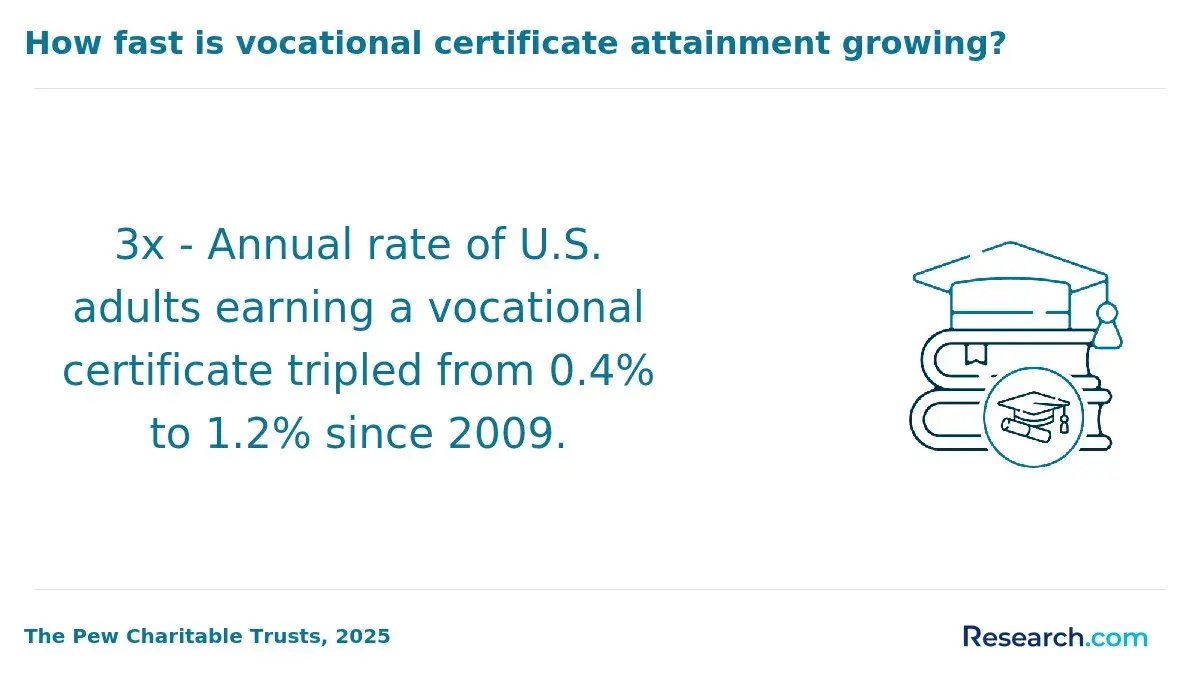
Completing an online exercise science degree requires careful consideration of time investment and workforce alignment. A traditional bachelor's degree typically takes four years, though accelerated options can reduce this to two or three years.
For those balancing work, part-time formats add flexibility but may extend completion well beyond four years-potentially hindering timely integration into a field where up-to-date expertise in exercise physiology and chronic disease prevention is essential. Graduate degrees add another two years beyond the bachelor's, deepening specialization but increasing the time before entering or advancing in the workforce.
Tuition costs vary significantly: public in-state programs average $6,000 to $10,000 annually, while out-of-state and private institutions range from $15,000 to $30,000 or more. Additional fees for textbooks, exams, and technology can escalate total expenses.
What corporate wellness job titles can you pursue with an online exercise science degree?
Online exercise science degrees often serve as a foundation for roles that blend health promotion with organizational productivity goals, including wellness coordinator, health promotion specialist, and corporate fitness manager. These positions require more than theoretical knowledge; they demand applied skills in employee health data analysis, program design, and behavior modification to effectively reduce healthcare costs and enhance workforce engagement.
For example, a health promotion specialist at a Fortune 500 company will need to interpret extensive employee health metrics to implement targeted wellness initiatives. Such roles emphasize competencies taught in accredited online exercise science programs, like exercise physiology and testing protocols.
Meanwhile, wellness coordinators frequently balance coordination across departments with efforts to sustain participation, which entails strong communication skills grounded in exercise science principles. Job flexibility is another operational reality. Many corporate wellness professionals must manage virtual coaching and remote program delivery while maintaining onsite presence, making familiarity with digital health tools essential.
According to the U.S. Bureau of Labor Statistics, exercise physiologists earned a median annual wage of $58,160 in May 2024, illustrating tangible market demand and financial benchmarks connected to degree completion. Additional certification in nutrition or health coaching is often necessary for roles labeled fitness consultant or wellness coach.
Employers prefer candidates who integrate scientific expertise with real-world experience, ideally through clinical practicum or internships embedded in exercise science curricula. This alignment between education, credentialing, and hands-on experience shapes employability in a competitive corporate health environment.
What are typical salaries and benefits for corporate wellness professionals with exercise science degrees?
Salary ranges for corporate wellness professionals with exercise science degrees vary significantly based on role, experience, and industry. Entry-level positions such as wellness coordinators generally start near $50,000 annually, while experienced program managers or consultants in larger companies, especially those holding certifications like Certified Wellness Practitioner, can earn upwards of $80,000.
This disparity often reflects the capacity to manage broader health initiatives or provide specialized expertise. Projected job growth between 9% and 12% over the next decade signals stable demand but also highlights a competitive landscape where targeted certifications and strategic employer selection matter.
For example, professionals in sectors with large wellness budgets, such as technology or finance, are more likely to find higher wages and advancement opportunities compared to those in nonprofit or governmental settings, where wage ceilings and limited upward mobility are common. Key benefits often include health insurance, retirement plans, and paid leave, but support for continuing education varies widely.
This demands proactive career planning and investment in credentials to maintain relevance and leverage wage premiums. Navigating these tradeoffs requires realistic evaluation of employer environments and geographic factors, as smaller firms may offer limited growth despite stable employment, influencing long-term earnings trajectories and job security.
Which certifications or licenses complement an exercise science degree for corporate wellness roles?
Professional certification beyond an exercise science degree is a decisive factor in securing corporate wellness roles with competitive salaries and influence. For example, Certified Corporate Wellness Specialist (CCWS) and Certified Health Education Specialist (CHES) credentials deepen expertise in workplace health promotion and program assessment, key competencies employers seek.
This distinction translates to tangible income differences-wellness program managers earn a median salary near $76,000, whereas exercise physiologists average $58,160 according to U.S. Bureau of Labor Statistics and Maryville University data. Licenses such as Certified Strength and Conditioning Specialist (CSCS) or Certified Personal Trainer (CPT) enhance individualized client management skills but often serve as complements rather than substitutes for wellness-specific certifications.
Different sectors impose distinct expectations: physically intense industries mandate CPR/AED and First Aid certifications for safety compliance, while technology and finance prioritize mental health and stress resilience credentials like Certified Wellness Coach (CWC). Practical workforce outcomes also hinge on proficiency with data analytics or health risk assessments.
Without certifications or coursework in health informatics or program evaluation, graduates face a wage penalty despite their exercise science foundation. Candidates who fail to integrate these measurable evaluation tools often miss employer demand for demonstrated return on investment. For professionals evaluating strategic career pivots or advancement in exercise science, layering specialized certifications aligned with industry specifics and analytic capabilities offers the clearest pathway to elevated roles and compensation.
How can you evaluate and choose a reputable online exercise science program for corporate wellness?
Choosing an online exercise science program for a transition into corporate wellness demands rigorous scrutiny beyond accreditation. Regional or national recognition signals academic credibility, but employers prioritize skills attained through curricula firmly rooted in health promotion, kinesiology, and wellness management-key to roles identified by the U.S. Bureau of Labor Statistics as experiencing 12% growth through 2030.
Practical application is non-negotiable. Graduates without hands-on experience or internships risk limited employability, especially when shifting from unrelated careers. For instance, a mid-career professional must target programs with partnerships offering practicum opportunities in corporate wellness settings to develop relevant competencies and professional networks.
Flexibility in online delivery is valuable but should not compromise quality of interaction. Programs that balance asynchronous pacing with live instruction and mentorship better equip students to navigate real-world wellness challenges like remote workforce health or data-based program evaluation.
Faculty expertise grounded in emerging wellness trends ensures content relevance, differentiating organizational-focused training from generic fitness certification tracks. Candidates should weigh total cost and time-to-completion against anticipated job market returns, recognizing that rigorous, accredited programs aligned with industry needs often correlate with stronger salary trajectories and competitive positioning.
Other Things You Should Know About Exercise Science
Choose a program accredited by the Commission on Accreditation of Allied Health Education Programs or the regional accreditor recognized by the U.S. Department of Education. For corporate wellness roles, employers also value programs tied to ACSM or NSCA-aligned coursework in exercise testing, behavior change, and health promotion.
Balancing work and an online exercise science degree requires careful scheduling, as coursework often includes demanding subjects like physiology and biomechanics alongside project-based assignments. Students should prioritize programs with flexible asynchronous content and modular pacing to avoid burnout. Underestimating workload can delay graduation, so planning realistic study hours and seeking employer support is crucial for sustained progress.
Prioritize programs with curriculum grounded in applied corporate wellness principles, access to internships or practicum placements, and partnerships with industry employers. Accreditation by recognized bodies ensures academic credibility but does not guarantee practical relevance. Selecting a program with strong career services and alumni networks improves job placement rates and aligns education directly with labor market demands.
References
- Beyond the Gym and the Field: Career Paths You Might Not Expect https://www.snu.edu/blog/beyond-the-gym-and-the-field-career-paths-you-might-not-expect
- ESSA's career guide for Accredited Exercise Scientists https://www.essa.org.au/Web/Web/Resources/Tools-and-templates/ESSA-AES-Guide.aspx
- Home Health Foundation - Family of Agencies https://merrimackvalleyhospice.org/online-exercise-science-degree-careers-supporting-movement
- Three Up-and-Coming Careers for Health Science and Exercise Science Majors - La Sierra University Blog https://blog.lasierra.edu/three-up-and-coming-careers-for-health-science-and-exercise-science-majors/
- Online Exercise Science Degrees: Top School Review https://www.edumed.org/online-schools/exercise-science-degrees/
- Exercise science: What exactly is it? https://www.scienceforsport.com/exercise-science/
- Online Exercise Science Program https://stmary.edu/online-programs/exercise-science.html
- Exercise Science Degree Programs Lead to Rewarding Careers in Health and Fitness https://www.carrollcc.edu/articles/exercise-science-degree-programs-lead-to-rewarding-careers-in-health-and-fitness/
- ACE - Certified: December 2018 - The Future of Corporate Wellness: A Guide for Health and Exercise Professionals https://www.acefitness.org/continuing-education/certified/december-2018/7149/the-future-of-corporate-wellness-a-guide-for-health-and-exercise-professionals/
- Best Exercise Science Careers - Let's Find out! https://www.ptpioneer.com/personal-training/exercise-science-careers/