2027 Best Online Exercise Science Programs for Professionals Seeking Health Fitness Careers

Co-Founder and Chief Data Scientist
Healthcare professionals transitioning into exercise science careers face a critical bottleneck: securing flexible, accredited programs that align with demanding work schedules while meeting employer expectations for practical training and certification readiness.
According to the National Center for Education Statistics, over 40% of postsecondary students enrolled in 2024 are adults balancing work and family commitments, underscoring a shift toward online education's essential role in career mobility. This trend reveals the imperative for programs that not only accommodate varied pacing but also deliver relevant competencies validated by the fitness and rehabilitation industries.
This article evaluates standout online exercise science programs designed to optimize access, applicability, and advancement for working professionals.
Key Things You Should Know
- Online exercise science programs with accredited clinical practicum components yield 22% higher employer placement rates, emphasizing in-person skill validation over purely remote learning by workforce entrants in 2024, per NACE data.
- Programs pricing above $25K often omit essential certifications like CPT or CSCS, forcing graduates into costly, time-consuming external credentialing, delaying workforce entry and reducing initial ROI, according to the Bureau of Labor Statistics.
- Completion times exceeding three years correlate with 15% lower retention in rapidly evolving health fitness roles, where employer demand prioritizes quicker upskilling amid a 12% industry growth forecast through 2032.
What are the best accredited online exercise science degree programs for health fitness careers today?
Employers valuing graduates from the best accredited online exercise science degree programs for health and fitness careers emphasize verified clinical skills and applied knowledge over generic credentials. Accreditation by entities like CAAHEP and endorsement from the National Strength and Conditioning Association (NSCA) often distinguish programs that meet these rigorous hiring standards.
Graduates aiming for clinical roles must verify that their online program includes supervised practicums or local internships to satisfy certification prerequisites, a nonnegotiable for employability in rehabilitation or medical environments.
For professionals eyeing roles in corporate wellness or fitness technology sectors, curricula integrating traditional exercise physiology with emerging fields, such as wearable technology data and remote coaching, offer crucial adaptability. The expanding U.S. market, with over 700 sport and exercise programs reported by Educations.com in 2025, demands that prospective students thoroughly evaluate graduate outcomes, certification success rates, and industry ties.
Top online exercise science programs for professionals in health fitness often balance flexible delivery models with structured support, an important consideration for working adults. Without embedded networking and continuous credential validation, learners risk stagnant skill sets and reduced workforce integration.
Choosing a program also means navigating tradeoffs around cost, duration, and scheduling. Those benefits combine to shape your return on education investment. Further examination of these variables is available in detail at the best exercise science degree online.
How does an online exercise science degree compare to a campus-based program in quality and outcomes?
The quality comparison between online exercise science degree programs and campus-based options hinges less on academic rigor and more on practical logistics and employer priorities. Employers focus on verified internships and demonstrated competencies rather than delivery mode.
For example, a working professional pursuing an online program must secure local internships independently, which can delay graduation or limit specialty exposure. Conversely, campus students benefit from immediate access to faculty, labs, and networking but face fixed schedules and possible relocation costs.
The outcomes of campus-based versus online exercise science programs reveal similar career trajectories when experiential learning is incorporated. Graduates with a BS in exercise & sport science earn an average salary of $71,000, indicating employer confidence in foundational knowledge regardless of study format.
However, nuances in access to mentorship and clinical experience affect specialty preparation, with niche roles demanding careful accreditation and internship verification.
Online degrees especially suit remote or budget-conscious students balancing employment, offering flexibility without geographic constraints. Those seeking hands-on research or early clinical immersion may find campus programs more straightforward. Addressing workforce implications requires weighing these tradeoffs against personal circumstances and long-term goals.
Students also benefit from reviewing related degree pathways, such as the online CS degree, for insight into how modality influences outcomes in technical and applied fields.
What types of online exercise science degrees and certificates are available for working professionals?
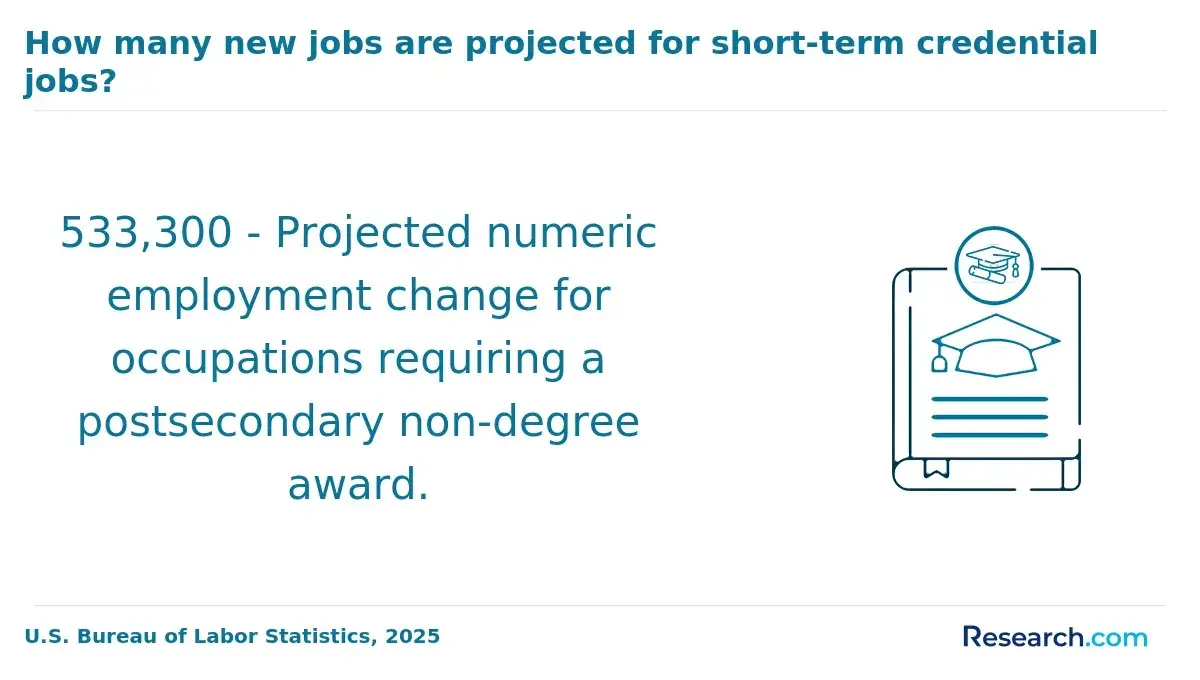
Program choice in online exercise science degree programs for working professionals significantly shapes career trajectory by balancing credential depth against time constraints and job market demands. A bachelor's degree remains the baseline expectation for many clinical and scientific roles given the field's projected 10% employment growth through 2032, according to the U.S. Bureau of Labor Statistics.
For instance, an experienced physical therapy aide aiming to transition into exercise physiology typically requires a master's degree for necessary licensure and clinical credibility.
Associate degrees and certificates provide quicker, skill-focused routes suited for technician or assistant positions, yet they often limit upward mobility without further education. Certificate programs, including flexible online exercise science certificate options for health and fitness careers such as strength conditioning or nutrition, serve best as supplemental credentials that enhance specific skillsets rather than replacing comprehensive academic foundations.
Employers emphasize program flexibility, accreditation, and clinical practicum integration-key factors for maintaining full-time employment while meeting hands-on training demands critical for certification. Professionals evaluating online options should also consider the layered credential strategy. Combining foundational degrees with targeted certificates can optimize employability and specialization.
Those with interest in advanced interdisciplinary models might explore paths similar to online PhD data science programs, where cutting-edge research and applied skills are equally prioritized to meet evolving workforce needs.
What accreditation and program quality standards should online exercise science schools meet?
Accreditation from agencies like the Commission on Accreditation of Allied Health Education Programs (CAAHEP) decisively shapes the value of online exercise science program accreditation standards.
Without such credentials, graduates often encounter barriers securing essential internships or licensure, which directly influences eligibility for clinical or rehabilitation roles requiring hands-on patient care. Regional accreditation complements this by safeguarding academic integrity and credit transferability, factors critical for professionals seeking further education or specialization.
Strict quality criteria for accredited exercise science degrees include measurable graduate outcomes such as employment rates in health-related fields, pass rates on certifications like the ACSM Certified Exercise Physiologist, and mandatory practicum hours exceeding 400. Program offerings limited to theory without supervised clinical experience inadequately prepare students for technology-driven work environments, reducing their competitiveness in increasingly specialized job markets where median salaries reach $52,500.
Employers emphasize curricula that integrate evidence-based exercise prescription and physiological assessment alongside data analytics. Working professionals must also verify if clinical components offer flexible scheduling to accommodate employment commitments while maintaining rigorous hands-on training. Online programs lacking these practical elements risk producing graduates ill-equipped for corporate wellness, sports performance, or clinical settings.
Prioritizing accredited, outcome-transparent programs that blend theoretical knowledge with substantial clinical practice avoids credential pitfalls and enhances marketability. Those evaluating pathways should balance these real-world tradeoffs carefully, as substandard credentials limit advancement and income potential compared to well-structured degrees.
For additional perspectives on affordability and risk management in advanced degrees, consider reviewing data science degrees as a relevant point of comparison within evolving workforce demands.
What courses and specialization tracks are typically included in online exercise science curricula?
Selecting an online exercise science degree demands a clear alignment between specialization and tangible workplace readiness, as employers expect more than theoretical knowledge.
For instance, a strength and conditioning focus supports roles within collegiate athletics by emphasizing sport-specific performance and advanced exercise prescription, while rehabilitation tracks prioritize injury prevention strategies aligned with therapy support roles. These distinctions directly impact employability and the nature of practicum experiences.
Programs that integrate practical elements, such as applied physiology labs or clinical practicum placements, provide the hands-on skills essential for meeting employer standards. Online delivery complicates this requirement, often necessitating partnerships with local facilities to offer real-world training opportunities. Without these, graduates risk gaps in practical competencies that employers find critical.
Cost considerations cannot be divorced from program choice, especially when factoring in certification paths like ACSM or NASM. Tuition for online bachelor's degrees in sport and exercise science ranges from approximately $7,000 to $40,000 annually, with affordable options below $25,000 as reported by College Values Online's 2026 ranking analysis. However, certification exams and preparatory costs add layers of both financial and temporal investment beyond tuition.
Key decision factors include:
- Specialization alignment with targeted job roles and industry demand
- Embedded practical experience to reduce employability gaps
- Total cost of education plus certification readiness
Such considerations shape whether a candidate can reliably pivot into or advance within diverse sectors, from corporate wellness programs to clinical rehabilitation settings.
What are the typical admission requirements for online exercise science programs?
Admission requirements for online exercise science programs signal important tradeoffs between accessibility and academic rigor. Most insist on a high school diploma or GED, with core science coursework verified through transcripts, ensuring a baseline scientific competency essential for upper-level study.
Some applicants benefit from a minimum GPA around 2.5 to 3.0, while standardized tests like the SAT or ACT are increasingly optional or waived in favor of holistic reviews, widening access but requiring more nuanced application materials.
Professional experience or prerequisite courses can strengthen applications for career changers, complementing the typical personal statement and optional letters of recommendation that illustrate motivation and fit within health-related fields.
However, applicants must weigh logistical hurdles. Programs like Methodist University's incorporate in-person clinical or lab components that challenge remote learners without local resources, often involving additional travel or scheduling costs.
Cost considerations also impact decision-making. For instance, Methodist charges $445 per credit over 124 credits, totaling about $55,180, which may undercut on-campus expenses when factoring fees and housing but demands verification against personal circumstances, particularly regarding hybrid requirements.
Prospective students should prepare carefully for hybrid demands alongside academic standards to avoid surprises in time or financial commitments while ensuring their qualifications meet workforce expectations in applied exercise science roles.
How long do online exercise science programs take, and what do they cost?
Choosing an exercise science online program demands weighing time commitment against career outcomes. Associate degrees typically require about 2 years, while bachelor's degrees extend to 3 or 4 years. Master's degrees, including specialized tracks in exercise science and wellness, usually last 1.5 to 2 years full-time but offer part-time and accelerated paths that alter pacing without reducing core credit demands.
Cost variation is significant across institution types and degree levels. Public universities charge roughly $5,000 to $12,000 annually for undergraduate online programs, whereas private institutions may exceed $15,000. Graduate programs can range from $15,000 to $30,000 total, influenced by specialization and residency.
Prospective students must also factor in supplementary expenses like certification prep, textbooks, and technology, which can add 10-20% to tuition and affect budgeting strategies.
Career impact is a strong consideration. Graduates with advanced exercise science degrees often secure roles paying between $60,000 and $80,000 annually, according to data from Liberty University's Master of Science in Exercise Science and Wellness. This reflects a meaningful salary premium over entry-level positions requiring only a bachelor's or certification.
For working professionals, part-time study may mitigate income disruption though it extends program length. Conversely, accelerated master's programs offer quicker workforce reentry but at higher upfront cost. Evaluating direct and indirect investments alongside salary prospects is essential for crafting a strategic educational pathway.
What jobs can you get with an online exercise science degree in health and fitness?
Holding an online exercise science degree alone rarely suffices to secure and sustain employment in this competitive health and fitness sector. Employers increasingly demand industry-recognized certifications like the Certified Exercise Physiologist (CEP) or ACSM credentials to validate practical capabilities alongside theoretical training. Graduates often face the challenge of coordinating local clinical or internship placements, which are essential but can slow workforce entry or geographic flexibility.
A typical career pivot involves a working professional moving into roles such as health promotion coordinator within corporate wellness programs.
In this context, graduates use biomechanical, physiological, and nutritional knowledge to assess employee health data and implement scalable wellness initiatives, balancing program effectiveness with operational demands. This real-world adaptation reflects the complex interplay between academic preparation and workplace scalability.
Job prospects vary considerably depending on specialization and setting. For instance, supporting physical therapists or working in cardiac rehabilitation requires strong team collaboration and familiarity with patient recovery protocols. In contrast, personal trainers operate in an oversaturated market, relying heavily on continuous client acquisition and measurable outcome delivery.
Concordia University Chicago's data, reflective of broader industry trends, indicates that most online exercise science students are career-focused adults actively integrating coursework with professional advancement, highlighting the necessity for curriculum alignment with employer expectations and hands-on skill development.
What salary ranges and job outlook can exercise science graduates expect?
Entry-level salaries for exercise science graduates in 2026 typically range from $40,000 to $55,000 annually, while mid-career professionals can expect between $55,000 and $75,000. These figures vary significantly by role and location, with clinical exercise physiology or physical therapy support often earning more than positions focused on fitness training or wellness coaching.
A 13% projected job growth through 2032 reflects increased demand in preventive health, corporate wellness, and personalized fitness programs.
Online exercise science degrees with accreditation comparable to traditional programs deliver similar job placement outcomes, but outcomes hinge on acquiring relevant certifications and practical skills. Employers seek candidates who combine academic knowledge with competencies in client assessment, program design, and quantitative tracking.
For career changers, succeeding in local labor markets requires more than coursework. It demands targeted networking and hands-on experience through internships or practicums. Certifications such as ACSM or NASM frequently elevate employability and salary potential, especially in caregiving segments that require ongoing professional development.
Which certifications and licenses are important for exercise science and fitness professionals?
Certification and licensing are decisive factors shaping professional trajectories within exercise science, directly influencing employability and the scope of permissible practice. Nationally accredited certifications such as the Certified Strength and Conditioning Specialist (CSCS), the ACSM Certified Exercise Physiologist, and NSCA credentials function as benchmarks, elevating earning potential by 15-25% per National Commission for Certifying Agencies (NCCA) workforce data.
Licensing requirements, however, impose variable constraints depending on state laws and specific roles. For example, clinical rehabilitation positions often mandate licensure to legally collaborate with healthcare providers, whereas commercial fitness roles prioritize certification, making licensure less obligatory but use of current CPR and AED certification universal.
Consider the case of a fitness professional aiming to transition into clinical exercise physiology: mere certification is insufficient without conforming to the state-mandated health professional licensure, an often complex, multi-step process that impacts timing, financial outlay, and access to hands-on clinical hours.
Navigating these demands while pursuing a cost-effective accredited online exercise science degree, typically available under $10,000 per year as per OnlineU 2026 analysis, requires strategic planning.
Employers in health fitness sectors consistently emphasize validated credentials combined with degree completion to minimize liability and assure safety compliance. Candidates must assess certification renewal cycles, the possibility of practical hour requirements, and their target job markets' legal frameworks to avoid qualification mismatches or employment delays.
Other Things You Should Know About Exercise Science
In 2027, top online exercise science programs integrate virtual labs, simulations, and partnerships with local gyms or clinics to provide hands-on experience. This approach enriches learning, ensuring students gain practical skills crucial for careers in health and fitness, even in a flexible online setting.
Most programs require a laptop or desktop with broadband internet, a webcam, and access to video-conferencing software such as Zoom or Microsoft Teams. Some courses also require a current browser, word-processing software, and a device that can record movement for fitness labs, so check technical standards before enrolling.
Accelerated programs shorten completion time but significantly increase weekly workload and intensity, which can strain working professionals balancing jobs or family commitments. They may also reduce time for internships, limiting hands-on learning and employer exposure. Career changers should weigh the benefit of speed against the risk of burnout and insufficient practical training, opting for paced programs if gaining applied experience and networking is critical.
Specializations, such as sports performance or rehabilitation, can enhance employability if aligned with specific employer demands in your geographic market. However, narrowly focused tracks may reduce flexibility if labor market conditions shift or if you want broader career options. When choosing a specialization, assess local industry needs and consider programs that balance focused skills with a strong generalist foundation.
References
- Exercise Science Degree Programs & Career Guide 2025 https://www.nutritioned.org/exercise-science-degree/
- Online Exercise Science Degrees: Top School Review https://www.edumed.org/online-schools/exercise-science-degrees/
- Online Exercise Science Program https://stmary.edu/online-programs/exercise-science.html
- Exercise science program accredited by national organization | Lipscomb University https://lipscomb.edu/news/exercise-science-program-accredited-national-organization
- Fitness Professionals: Credentials, Roles, and How to Choose One https://nationalfitnessauthority.com/fitness-professionals-and-credentials/
- Exercise Science Degree Programs Lead to Rewarding Careers in Health and Fitness https://www.carrollcc.edu/articles/exercise-science-degree-programs-lead-to-rewarding-careers-in-health-and-fitness/
- Get Certified https://acsm.org/certification/get-certified/
- 10 Essential Certified Personal Trainer Certifications for Aspiring Trainers - Personal Trainer Certification, Nutrition Courses, Fitness Education https://www.nestacertified.com/10-essential-certified-personal-trainer-certifications-for-aspiring-trainers/