2027 Best Online Bachelor's in Exercise Science for PT, OT, or Athletic Training Preparation

Co-Founder and Chief Data Scientist
Many aspiring physical therapists, occupational therapists, and athletic trainers confront a core dilemma: finding a bachelor's program that fits demanding schedules without sacrificing clinical rigor or networking opportunities. The National Center for Education Statistics notes a 45% surge in adult enrollment in fully online bachelor's programs since 2022, reflecting growing demand for flexible models among working professionals.
This shift indicates that access and adaptability now directly affect career timing and progression. Choosing the right online exercise science degree involves balancing accreditation, hands-on components, and employer recognition.
This article evaluates top online options designed to meet these practical and credentialing challenges for PT, OT, or athletic training preparation.
Key Things You Should Know
- Average online bachelor's in exercise science spans 3.5-4 years, but accelerated programs reduce time to under 3 years, impacting tuition costs and delaying entry into PT/OT certification pipelines per 2024 NCES data.
- Employers increasingly favor programs integrating accredited clinical practicum components; absence of these in some programs correlates with up to 18% lower hire rates in rehabilitation and athletic training sectors, according to 2024 APTA workforce surveys.
- Programs lacking specialty tracks in physical therapy or occupational therapy prep often require costly post-bachelor prerequisites, inflating total credentialing expenses by 20-30%, a critical consideration from the Bureau of Labor Statistics' recent licensing cost analysis.
What is an online bachelor's in exercise science and how does it prepare for PT, OT, or athletic training careers?
An online bachelor's in exercise science tailored for physical therapy preparation provides foundational competencies in human anatomy, kinesiology, biomechanics, and rehabilitation science.
While it equips students with essential skills for movement analysis and injury prevention, this degree primarily prepares graduates for assistant roles rather than independent clinical practice. For example, an aspiring physical therapist assistant working full-time may balance online coursework with subsequent accredited on-site PT assistant training to meet licensure requirements.
The realistic labor market outcome for those holding just an exercise science degree for occupational therapy and athletic training careers is typically limited to healthcare support positions. Median wages for these entry-level roles were $34,760 in 2024, according to the Bureau of Labor Statistics, reflecting a need for additional certification or graduate education to access higher autonomy and pay.
Students pursuing an online bachelor's in exercise science must evaluate the tradeoff between immediate employment in limited-scope roles and preparation for graduate school. Successful programs emphasize applied sciences through case studies and virtual labs, but they also must facilitate clinical placements, which are critical for confirming proficiency with rehabilitation modalities demanded by employers.
For those managing work alongside study, this degree provides flexibility; however, discipline and access to in-person internships remain essential to bridge theory with practice effectively. Prospective students can explore more options and details on online kinesiology programs to align with their career objectives.
Are online bachelor's degrees in exercise science respected for graduate PT, OT, or athletic training admission?
Online bachelor's degrees in exercise science for physical therapy admission face practical scrutiny rooted in clinical competency. While regional and programmatic accreditation remains a baseline for acceptance, the distinguishing factor is whether candidates have fulfilled hands-on prerequisites. Programs lacking strong in-person lab or clinical components often complicate the path to graduate admission for physical therapy (PT), occupational therapy (OT), or athletic training.
Graduate programs prioritize demonstrated clinical experience and prerequisite coursework over the format of the undergraduate degree. However, students with an online bachelor's in exercise science recognized for occupational therapy and athletic training graduate programs must secure local internships or supervised fieldwork to remain competitive. Without this, an online-only curriculum leads to added delays or supplementary training.
The labor market signals growing demand: employment for physical therapists is projected to grow 15%, occupational therapists 12%, and athletic trainers 14% from 2022 to 2032. This expansion simultaneously increases admission selectivity, penalizing candidates without robust clinical preparation regardless of their online degree's theoretical validity.
Students considering online pathways should critically assess whether their program offers comprehensive clinical placement support and aligns closely with graduate prerequisites. Balancing flexible online coursework with verified local practical experience is often the clearest route to efficient graduate school entry and workforce readiness.
For those comparing program costs or exploring alternative science degrees with similar online formats, resources on the best online animal science degree programs provide useful cost and structural benchmarks.
What accreditation and program approvals should an online exercise science program have for clinical career pathways?
Choosing an online exercise science program without proper accreditation often results in barriers to licensure and certification, especially for clinical careers such as physical therapy (PT), occupational therapy (OT), or athletic training.
Accreditation by the Commission on Accreditation of Allied Health Education Programs (CAAHEP) or approval by the Commission on Accreditation of Athletic Training Education (CAATE) is more than a credential; it confirms that the curriculum aligns with industry standards and clinical competencies essential for board exam eligibility and employer expectations.
Regional accreditation recognized by the U.S. Department of Education is necessary but insufficient, as it does not ensure that program content meets the requirements of PT, OT, or athletic training clinical pathways. Employers and graduate programs prefer candidates from programs incorporating approved clinical practicums, which many online offerings lack, limiting hands-on experience and readiness for licensure internships.
For example, a student pursuing a physical therapist assistant (PTA) career through a non-CAAHEP-approved program may face additional steps before qualifying for certification exams.
Given the proliferation of online exercise science degrees, 244 bachelor's programs as of 2025, prospective students confront a crowded and uneven quality landscape. Due diligence involves confirming current CAAHEP or CAATE accreditation status, clarifying clinical placement assistance, and ensuring program alignment with specific state licensure requirements and career objectives tailored to clinical program approvals for exercise science degrees preparing for PT and OT careers.
Additionally, students balancing multiple goals or disciplines might explore related fields; for instance, opportunities exist to pivot into data-intensive roles by supplementing foundational knowledge with a data science doctorate online, which reflects the growing intersection of analytics and healthcare outcomes.
How does choosing an online vs. campus-based exercise science bachelor's affect laboratory, practicum, and clinical preparation?
Choosing an online bachelor's in exercise science significantly changes clinical preparation, often limiting direct hands-on experience critical for fields like physical therapy or athletic training. Online exercise science practicum opportunities typically rely on virtual simulations and require students to independently coordinate in-person clinical hours, which can delay progress and add logistical burdens.
Campus-based programs embed structured, guaranteed clinical placements providing direct faculty supervision and immediate feedback, facilitating more comprehensive skill mastery.
For example, an athletic training student in an online program might encounter difficulty securing quality clinical sites that offer specialized population exposure, unlike campus students benefiting from institutional hospital partnerships. This distinction matters because employers prioritize candidates with strong, verified clinical experience to ensure patient safety and adherence to healthcare standards.
The practical gap between online and campus routes affects early career earnings and readiness; exercise physiologists with intensive hands-on training earn a median wage of $54,900 compared to $46,810 for fitness trainers with less clinical preparation, illustrating market value tied to practical competence. Prospective students should gauge their ability to manage the demands of self-directed placement coordination when considering online paths versus the more immersive, mentorship-driven campus environment.
Understanding these fields also benefits from careful planning, possibly supported by strategic frameworks such as a data science learning path to analyze labor market trends alongside educational choices.
What courses and concentrations are typically included in an online exercise science curriculum for pre-PT, pre-OT, or athletic training?
Choosing an online exercise science program requires scrutiny beyond curriculum titles. Licensure-driven tracks like pre-PT, pre-OT, or athletic training diverge significantly in content and clinical expectations, influencing workforce readiness and certification timelines.
For example, physical therapy aspirants must prioritize in-depth musculoskeletal anatomy and therapeutic modalities aligned explicitly with state licensing boards, whereas occupational therapy focus shifts toward ergonomics and patient independence, affecting course selection and practicum requirements.
Programs frequently consolidate anatomy, physiology, biomechanics, and kinesiology to meet CAAHEP and American College of Sports Medicine accreditation standards. However, students should verify availability of accredited clinical placements locally.
Failure to do so can add months to certification due to additional hands-on requirements. Athletic training tracks often include emergency care and sports injury assessment with essential practicum experience, which not all online programs adequately provide.
Employer demand favors graduates capable of integrating psychological, nutritional, and biomechanical knowledge in patient assessment and rehabilitation strategies. Case-based learning and simulation strengthen these skills but cannot replace rich clinical exposure. With over 100 U.S. institutions offering compliant programs in 2025, discernment is necessary to avoid pathways that delay licensure or limit employability.
What admission requirements, prerequisites, and transfer credit policies apply to online exercise science bachelor's programs?
Online bachelor's programs in exercise science demand strategic planning around prerequisites and transfer credits to avoid costly delays. Most require a high school diploma or equivalent with a minimum GPA often between 2.5 and 3.0.
Foundational science courses, biology, chemistry, anatomy, physiology, and sometimes physics, must be completed before full admission. Students lacking these are likely to face extended timelines and extra expenses, especially if aiming for physical therapy, occupational therapy, or athletic training sectors where scientific rigor is non-negotiable.
Transfer credit policies significantly influence a program's accessibility for working professionals or those pivoting careers. While programs may accept 60 to 90 credits out of a typical 120-credit degree, stringent evaluations often reject courses graded below a C or from non-accredited sources. This filtering slows progress and inflates costs when credits don't transfer, a critical consideration for time-sensitive career transitions.
Cost-wise, the per-credit rate between $250 and $650 means full degree expenses can reach $78,000. An applicant unaware of these dynamics might underestimate total investment, especially if prior credits are disqualified. Prospective students must assess both academic readiness and financial implications, balancing immediate expenses against long-term employability in specialized health fields.
How long does an online exercise science bachelor's usually take and what does it cost for different student types?
Completing a bachelor's degree in exercise science demands a clear weighing of time and financial investment against career outcomes. Full-time students typically finish in 4 to 5 years, but part-time enrollment or working students can extend this to 6 to 8 years, which directly impacts total cost and opportunity loss. Accelerated options exist but require an intense course load, often unsuitable for those balancing jobs or family commitments.
Cost variability depends heavily on residency and institution type: public universities charge roughly $7,000-$12,000 annually for in-state students, versus $15,000-$25,000 for out-of-state. Private colleges generally sit between $18,000 and $35,000 per year. For part-time adult learners paying by credit hour ($300-$600), extended timelines can inflate expenses significantly.
Consider a typical scenario: a full-time in-state student at $10,000/year spends about $40,000 over four years. In contrast, a part-time student attending private institutions with $500/credit fees over six years may exceed $60,000, excluding opportunity costs tied to delayed workforce entry.
Students targeting clinical roles such as physical or occupational therapy must also factor in prerequisite courses and clinical hours, which can extend duration and costs. Wage data reveals fitness trainers earn a median $46,810 annually, while related recreational therapists earn around 14% more at $53,240, suggesting that investing in more comprehensive training correlates with improved financial returns in allied health fields.
What careers, graduate degrees, and certification pathways can you pursue after an online exercise science bachelor's?
The pathway from a bachelor's degree in exercise science to a sustainable career balances clear tradeoffs in credentialing, scope, and market demand, particularly given the distinct requirements for clinical versus fitness roles.
For example, entering physical or occupational therapy requires graduate-level degrees and specific licensures, with employers prioritizing candidates who have relevant clinical experience, competitive GPAs, and foundational science knowledge obtained through rigorous undergraduate coursework and internships.
In contrast, direct entry into fitness roles such as personal training or group instruction is feasible with certifications like ACSM or NASM, but these options often offer lower wages and narrower advancement potential compared to licensed clinical careers. Certification-focused paths like becoming a Certified Strength and Conditioning Specialist or health coach provide flexibility yet limit earning potential and clinical responsibilities.
Key practical considerations for students include:
- Mapping undergraduate electives to meet prerequisites for graduate clinical programs.
- Pursuing internships or lab work that can strengthen graduate applications.
- Recognizing that bypassing graduate education typically restricts access to higher-paying, licensed roles.
Employment projections showing a 39% growth rate for fitness trainers underscore expanding opportunities, but prospective students must weigh whether immediate entry-level jobs or longer-term licensed careers align with their financial and professional goals.
What salary ranges and job outlook can exercise science graduates expect in PT, OT, and athletic training fields?
Salary and job prospects differ significantly among physical therapy (PT), occupational therapy (OT), and athletic training careers despite their shared foundation in exercise science. Physical therapists lead in earnings, with median wages around $95,000 and entry-level positions starting near $70,000.
High-demand locations push experienced salaries above $110,000. Occupational therapists earn slightly less, between $65,000 and $115,000 depending on specialty and region. Athletic trainers face a lower salary spectrum, typically $50,000 to $60,000, with top-tier employers offering $70,000 or more.
Employment growth projections highlight a 16% increase for PT roles and 10% for OT, fueled by demographic shifts and expanded rehabilitation needs, whereas athletic training sees a slower 9% rise constrained by limited placements and certification hurdles.
Key decision factors include state licensure requirements and advanced degrees like the Doctor of Physical Therapy or Master's in Occupational Therapy, which are strong determinants of earning power and employability. Prospective students should weigh program costs against outcomes: affordable online exercise science programs under $25,000 and robust clinical networks can cut debt and improve return on investment.
For example, a student in a $20,000-per-year program who earns a DPT may recoup costs within three to four years based on median PT salaries, while choosing expensive programs can delay financial recovery.
Those aiming for athletic training must prioritize programs with high certification pass rates over sticker price, given the tighter salary margins and competitive job market. Strategic alignment of education, licensure, and local demand remains essential for sustainable employment outcomes.
How can prospective students evaluate and compare online exercise science programs to choose a high-quality option?
Choosing an online exercise science program demands prioritizing accredited programs with relevant curricula that reflect licensure and certification prerequisites. Regional accreditation ensures credits are transferable and recognized by employers, while CAATE or CAAHEP endorsement is essential for clinical tracks feeding into physical therapy, occupational therapy, or athletic training careers. Programs lacking these credentials risk leaving graduates unprepared for required clinical hours or licensing exams.
For working professionals, online education must reconcile flexibility with authentic skill development. Those targeting graduate physical therapy programs, for instance, should confirm availability of robust clinical practicum partnerships or synchronous lab simulations to fulfill observational hour mandates frequently required during application. Graduates from programs with documented placement rates exceeding 70% within six months hold significant leverage in competitive hiring markets.
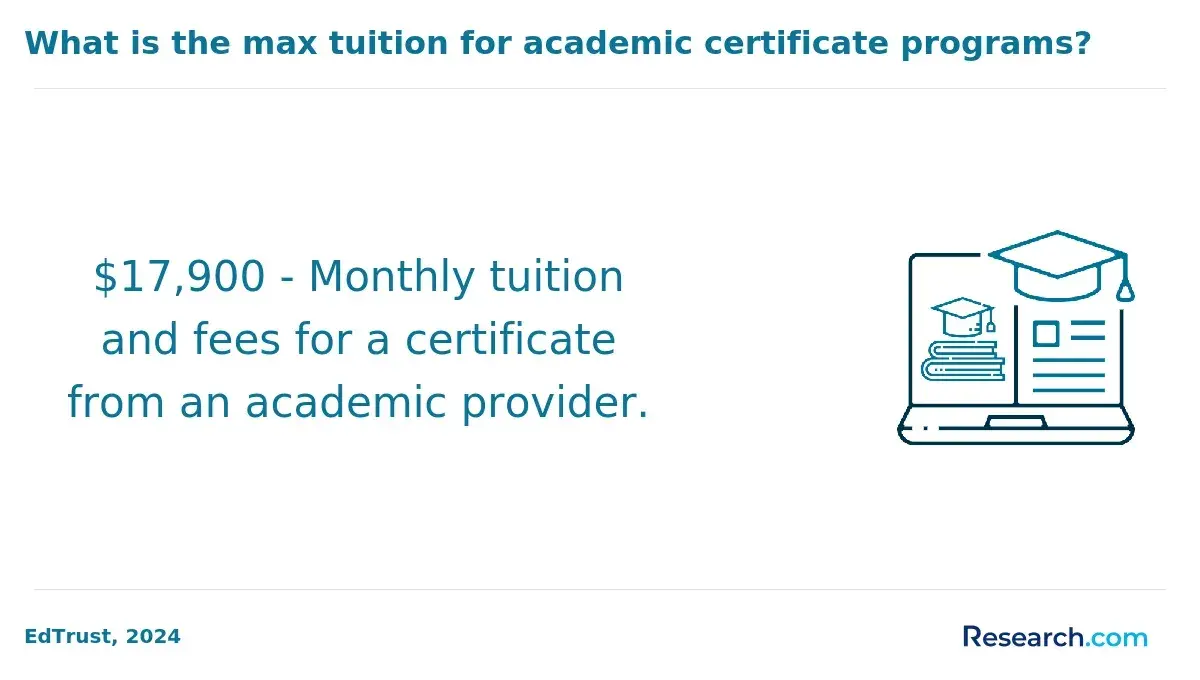
Financial considerations extend beyond sticker tuition, which averaged $14,688 annually for online undergraduate degrees according to research.com. Students must evaluate aid options, employer tuition reimbursement, and credit transfer policies that impact net cost and program completion time. Importantly, exercise science fields like exercise physiology and recreational therapy forecast double-digit employment growth by 2030, making cost-quality balance a critical factor in investment payoff.
Finally, technological infrastructure and faculty qualifications directly influence student engagement and learning persistence. Programs that combine asynchronous coursework with targeted synchronous instruction better accommodate working adults without sacrificing rigor.
Other Things You Should Know About Exercise Science
A clinical internship is crucial in 2027 as it provides hands-on experience necessary for real-world application in PT, OT, and athletic training fields. It bridges theoretical learning with practical skills, ensuring students meet industry readiness and compete effectively in graduate program admissions and professional settings.
Since lab work is fundamental to mastering anatomy, physiology, and kinesiology, online programs must have clear strategies for lab access, such as local partnerships, hybrid intensives, or virtual simulation supplemented by in-person sessions. Programs relying solely on virtual labs may provide limited tactile learning, reducing graduate competitiveness in clinical skill development. Review how a program delivers lab components before committing, as this impacts practical learning and graduate readiness.
Most programs require a year each of biology and anatomy or physiology, plus chemistry, statistics, and sometimes physics or psychology. Many also expect a minimum GPA around 3.0 and recent coursework within the last 5 to 10 years, especially for lab sciences.
General exercise science programs offer broad foundational knowledge but may lack specialized courses critical for competitive graduate applications in PT, OT, or athletic training. Tailored curricula often include focused content like therapeutic modalities or rehabilitation science, enhancing direct preparation and relevance. Students aiming for clinical careers should prioritize programs with targeted tracks or electives aligned with their intended profession to reduce the need for additional prerequisites later.
References
- Shippensburg University - Exercise Science, BS https://www.ship.edu/programs/exercise-science-bs/
- Whole Leaders For The Whole World https://oru.edu/academics/cose/undergraduate/bs-in-health-and-exercise-science.php
- What Can You Do With an Exercise Science Degree? https://willamette.edu/academics/college/exercise-health-science/career-options
- Your Occupational Therapy Salary Guide (2025) • OT Potential https://otpotential.com/blog/occupational-therapy-salary-guide
- Online Kinesiology Degree Programs: Review Top Schools https://www.edumed.org/online-schools/kinesiology-degrees/
- TU to begin offering bachelor’s degree in Exercise and Sport Science - Thomas University https://www.thomasu.edu/tu-to-begin-offering-bachelors-degree-in-exercise-and-sport-science/
- Exercise Science (BS) https://aurora.edu/academics/undergraduate/exercise-science/index.html
- Exercise science: What exactly is it? https://www.scienceforsport.com/exercise-science/
- Physical Therapy Careers: Where Purpose Meets Potential https://www.whitworth.edu/cms/academics/doctor-of-physical-therapy/about-the-program/career-salary-outlook-pt/
- International Clinical Exercise Physiology Qualification Application Pathways https://icsesp.global/resources/international-clinical-exercise-physiology-recognition-opportunities/