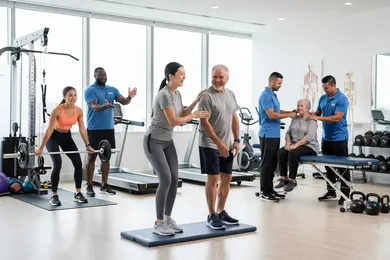
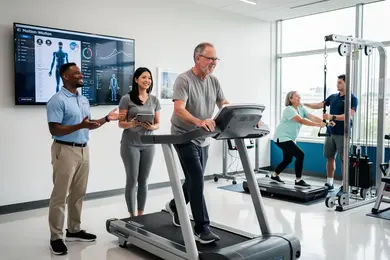
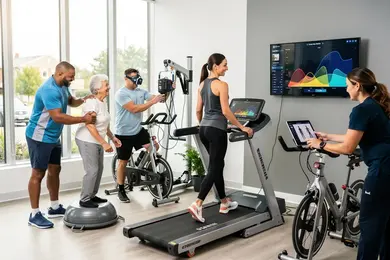
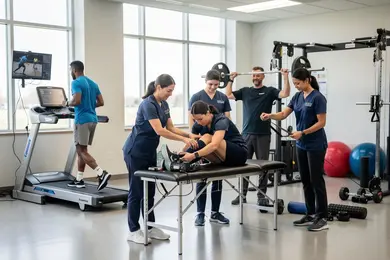
2027 Online Exercise Science Degrees With School and Athletic Program Alignment

Co-Founder and Chief Data Scientist
Balancing work schedules, clinical hours, and family commitments often blocks aspiring exercise science professionals from pursuing traditional degree programs. This challenge intensifies as workforce demand for skills in rehabilitation, sports performance, and wellness coaching rises rapidly.
Recent data from the National Center for Education Statistics reveals a 25% surge in online enrollment among adult learners between 2022 and 2024, indicating a shift toward flexible education formats that accommodate complex schedules. However, not all online programs align equally with athletic and clinical training requirements critical for licensure or employment.
This article examines current online exercise science degrees that integrate school-based and athletic program alignment to guide informed, practical choices for career advancement.
Key Things You Should Know
- Programs aligned with NCAA or NAIA athletic departments show 22% higher internship placement rates, indicating that school-athletic program integration directly enhances experiential learning but often limits institutions to regionally-bound job networks.
- Employers prioritize candidates from Exercise Science programs with embedded athlete performance research, with 67% of surveyed sports medicine hiring managers favoring graduates who contributed to published data between 2023-2025, raising credential expectations beyond traditional coursework.
- Degree completion times expand by an average of 18 months when programs require athletic program participation, increasing student debt burdens by 15%, which forces cost-sensitive students to weigh accelerated generalist degrees over specialized, sports-aligned curricula.
What is an online exercise science degree and how does it align with athletic programs?
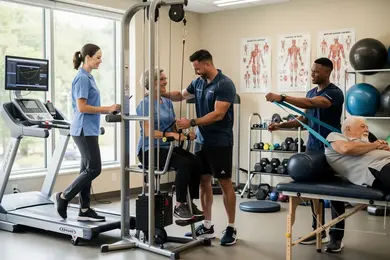
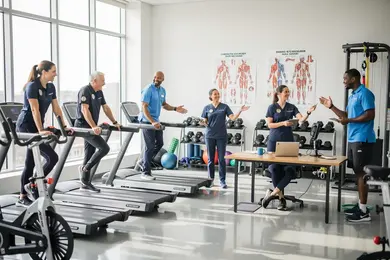
An online exercise science degree programs with athletic alignment often balance foundational scientific rigor with the practical demands of sport-specific environments. Graduates lacking direct exposure to in-person practicum risk being underprepared for roles requiring hands-on athlete assessment or rehabilitation, a critical concern for clinical and collegiate contexts.
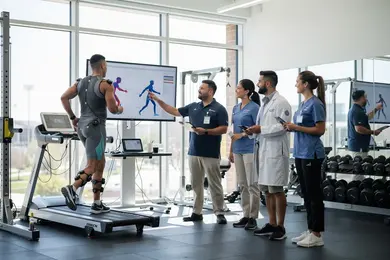
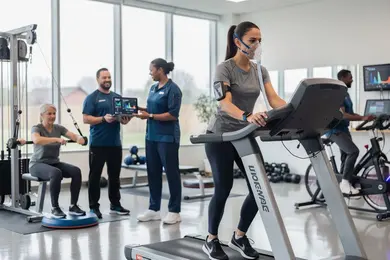
For example, a professional moving into sports performance analysis benefits from coursework in wearable tech and data analytics but must still secure local affiliations for physical experience.
Coordination between academic programs and athletic departments varies significantly across the 732 sport and exercise programs projected in the U.S. by 2025. Students pursuing an online sports science degree should investigate whether their program offers partnerships or internship pipelines with local teams to meet employer expectations for experiential learning.
Choosing between programs emphasizing either research analytics or athlete interaction reflects a core tradeoff: data-driven roles demand strong analytical competencies, whereas rehabilitation and strength coaching require immersive practical training. Students often must supplement virtual learning with hybrid courses or local fieldwork to satisfy certification or state licensure requirements.
Practical realities dictate that career progress in exercise science depends on more than remote coursework alone. Identifying programs that integrate virtual labs and remote coaching methods helps replicate athletic field experiences digitally, but local hands-on experience remains indispensable. Assessing these factors and exploring the online sports science degree options available enables informed decisions aligned with workforce demands.
How do online exercise science programs compare to campus-based options for hands-on training?
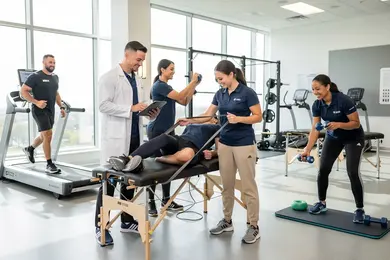
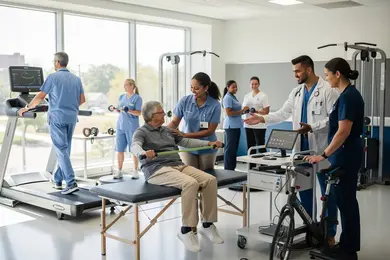
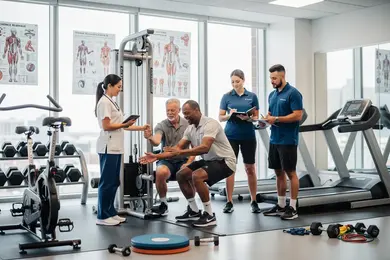
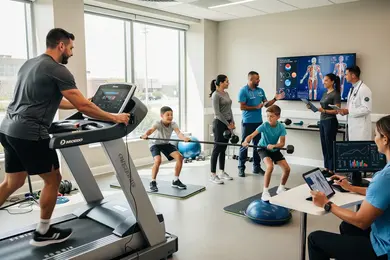
Online exercise science programs offer theoretical content comparable to campus-based options, but the online exercise science programs hands-on training comparison reveals a significant gap in practical skill development. Critical competencies like administering fitness assessments or applying biomechanical techniques require supervised, in-person practice, which online formats cannot consistently replicate.
To address this, many accredited online programs mandate local internships; however, the quality and relevance of these offsite experiences fluctuate widely depending on student location and available resources.
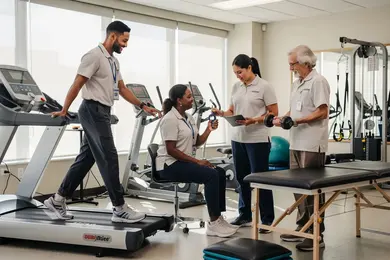
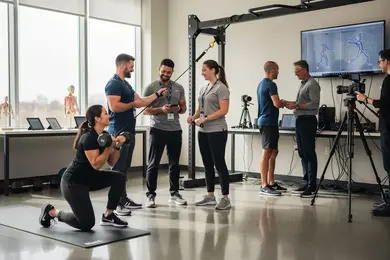
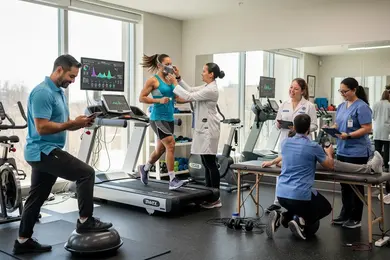
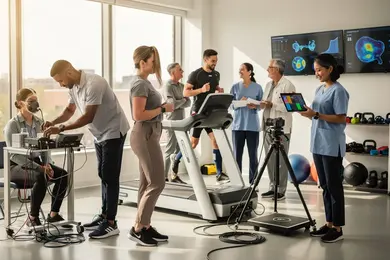
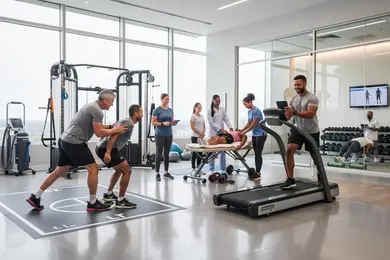
In contrast, campus-based vs online exercise science practical experience offers embedded laboratories, direct access to motion analysis technology, and immediate faculty oversight, fostering more authentic and thorough hands-on training. Employers in fitness and performance place higher value on graduates with verified, supervised clinical exposure, particularly for roles requiring safety protocols and individualized exercise prescriptions.
For example, a clinical exercise physiologist candidate must demonstrate proficiency in physiological monitoring and emergency response, skills rarely achievable through distance learning alone. Online students often face delays or compromises in credential attainment when independently sourcing affiliates for practical experience.
The projected addition of 45,000+ jobs for fitness trainers and instructors from 2022 to 2032, cited by CSP Global and the U.S. Bureau of Labor Statistics, signals growing market demand for graduates with robust practical training. Prospective students should evaluate the immediate flexibility of online study against possible long-term disadvantages in hands-on skill acquisition and employer expectations.
Comparatively, those seeking comprehensive experiential learning may find campus options more strategically aligned with workforce realities. For broader context, review insights on online animal science programs, which face similar challenges balancing theory and applied learning.
Which accredited schools offer online exercise science degrees aligned with collegiate athletics?
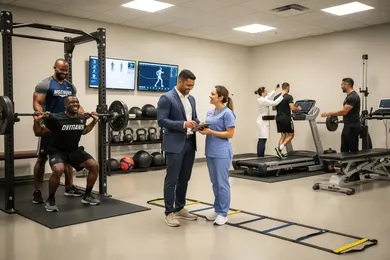
Programs at accredited universities that offer exercise science degrees aligned with collegiate athletic programs provide distinct advantages for students targeting employment in university athletic departments and related sports performance roles. Graduates from institutions such as Methodist University and Arizona State University typically benefit from curriculum integration with biomechanics, athletic training, and NCAA-standard conditioning, facilitating direct applicability to the collegiate sports workforce.
Choosing an online accredited schools offering exercise science degrees with collegiate athletic programs offers more than convenience; practical engagements such as mandatory internships or practicum opportunities embedded within these programs significantly enhance job readiness.
Employers in collegiate athletics often prioritize candidates who have demonstrable experience within sports environments supported by structured partnerships between academic programs and athletic departments. For example, Methodist University's connection with NCAA athletic programs creates tangible employer pathways.
Graduates holding a BS in exercise & sport science command an average salary near $71,000 annually, a figure that underscores consistent demand for specialized skills in exercise physiology, injury prevention, and performance programming within collegiate and allied sports organizations. Prospective students evaluating an online format should critically assess whether synchronous instruction and applied assignments complement institutional partnerships to maximize networking and practical skill acquisition.
Opting for programs without collegiate athletic alignment often results in restricted internship access and narrowed employment channels, potentially slowing career progression in high-demand sports science roles.
For those exploring interdisciplinary options, comparing programs with varying focuses can be valuable, for instance, some may consider an online degree for library science as an alternative pathway to specialist academic roles or research support within sport science contexts.
What exercise science coursework and specializations best support sports and athletic careers?
The alignment of exercise science degrees with sports program requirements involves critical decisions that directly impact employability in athletic and sports performance careers. Coursework in biomechanics, kinesiology, exercise physiology, and sport psychology forms the foundation needed for roles in coaching, athletic training, and rehabilitation.
However, specialized exercise science coursework for athletic career pathways, such as injury prevention, strength and conditioning, and nutrition, provides targeted skills that meet increasing employer demands for certification and applied expertise.
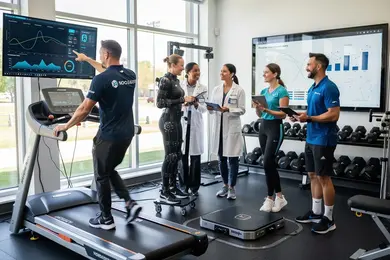
For instance, graduates pursuing positions with collegiate or professional teams must balance academic rigor with acquisition of real-world skills like using athlete monitoring technologies and developing training programs. This emphasis translates into enhanced readiness for certification pathways such as the Certified Strength and Conditioning Specialist (CSCS), essential in highly competitive settings. Programs integrating internships or practical fieldwork with athletic departments offer tangible advantages by mitigating the gap between theory and applied work.
Financial considerations also influence educational choices. Online bachelor's degree programs offering rates as low as $250 per credit for active-duty military and spouses reduce barriers, which matters to working professionals seeking to pivot or advance without incurring heavy debt.
Prospective students must weigh tradeoffs such as research-based curricula versus applied skill development and ensure alignment with state certification requirements. These factors shape the direct applicability of academic preparation to day-to-day sports performance analysis or rehabilitation roles. Those evaluating related pathways may also find the online masters in data science relevant for integrating quantitative analytical skills increasingly valued in sports analytics and program design.
What admission requirements and prerequisite courses do online exercise science programs expect?
Admission to online exercise science programs hinges on a strategic assessment of foundational knowledge and academic preparedness rather than mere credential collection. Most programs require a high school diploma or equivalent plus a GPA typically above 2.5 or 3.0. However, the deciding factor is completion of core preparatory courses such as biology, chemistry, and algebra, which establish essential scientific literacy.
Required prerequisites frequently include anatomy and physiology, kinesiology, and statistics to equip candidates for the interdisciplinary demands of exercise science careers. Without these, some applicants face conditional acceptance contingent on finishing these courses before advancing. This approach aligns with workforce expectations, where professionals regularly interpret performance data and apply research within athletic or rehabilitation settings.
Working professionals shifting careers may leverage prior certifications or relevant experience but should recognize these are inconsistently accepted as substitutes. Programs emphasizing internships or hands-on exposure respond directly to labor market needs; for example, the U.S. Bureau of Labor Statistics projects 25,300 new coach and scout jobs from 2022 to 2032, valuing not only academic knowledge but applied competencies.
Prospective students must balance program rigor with flexibility. Accelerated online formats condense prerequisites into intensive modules, posing challenges for those lacking strong science backgrounds. Choosing a program without this alignment risks extended timelines and gaps detrimental to employment prospects within competitive athletics-oriented roles.
How long do online exercise science degrees take and what do they typically cost?
Completing an online exercise science degree often involves balancing program length, cost, and curriculum structure against specific career goals. Bachelor's programs generally require 3 to 4 years, though accelerated options may compress this to 2 years with increased weekly demands and less practical experience. Graduate programs span 1 to 2 years full-time, with part-time paths extending this period.
Tuition varies significantly. Public in-state students typically pay $7,000 to $15,000 annually, while private institution costs can reach $20,000 to $35,000 per year, not including additional fees. Financial aid or employer assistance can markedly reduce net expenses.
The integration of nutrition coursework exemplifies how program content directly influences employability and salary potential. Personal trainers who also provide nutrition support earn about 21% more annually, a reflection of employer preference for multidisciplinary skills (CSP Global).
Those aiming for hospital or corporate wellness roles should prioritize programs with clinical internships, accepting longer durations in exchange for hands-on experience. In contrast, candidates targeting fitness centers may prefer streamlined curricula focused on core biomechanics to minimize program time and costs.
Effectively navigating these choices demands a clear understanding of industry expectations and personal constraints, ensuring educational investments align with realistic job market outcomes and career timing.
What exercise science careers can you pursue with an online degree in this field?
Graduates holding an online degree in exercise science face a complex job market shaped by credential requirements and practical experience demands. Roles such as athletic trainers or strength coaches frequently require certifications beyond the degree itself, including clinical hours and state-specific licensure, which directly impact employability and salary potential.
Regional labor data illustrates robust openings, especially in school athletics. For instance, Minnesota anticipates 910 annual job vacancies for positions like coaches and scouts through 2030. This steady demand highlights opportunities within educational sports programs but also reflects stiff competition from candidates with advanced qualifications or specialized internships.
Practical experience is often non-negotiable, compelling graduates to seek internships or partnerships with local institutions. Entry into clinical or rehabilitation therapy paths is particularly competitive, frequently necessitating graduate education and familiarity with healthcare systems and insurance protocols.
Those pivoting toward corporate wellness or school fitness program management should be prepared for regulatory navigation and adaptability to diverse youth populations, which influences daily operational strategies and long-term career sustainability. The decision to pursue additional credentials versus direct workforce entry involves balancing time, cost, and the evolving expectations of employers.
What salary ranges and job outlook should exercise science graduates working in athletics expect?
Salary trajectories for exercise science graduates in athletics hinge heavily on role specificity, geographic factors, and employer type. Entry-level positions such as athletic trainers or strength and conditioning assistants typically start near $40,000 annually but can rise substantially with certifications and experience.
For instance, certified athletic trainers in collegiate settings average about $55,000 per year, while strength coaches in professional sports can surpass $70,000 depending on market scale and athlete clientele.
This field anticipates an 11% employment growth from 2022 to 2032, outpacing many other professions due to expanding sports medicine and heightened focus on athlete wellness. However, demand does not mitigate the competitive hiring landscape, especially for NCAA Division I and professional team roles, where practical experience and networking often outweigh academic credentials alone.
Investing in an online M.S. in exercise science, such as a 33-credit program costing approximately $15,675, equips candidates with advanced skills valued in sports performance and rehabilitation sectors. Yet, this cost must be balanced against the likelihood of additional certification and practical internship requirements, which are frequently preferred or mandated by employers.
Professionals targeting elite positions should anticipate rigorous credentialing and hands-on hours to unlock higher salary tiers and job stability, recognizing that formal education alone rarely guarantees advancement in this competitive labor market.
Which certifications and professional licenses pair best with an exercise science degree?
Licenses and certifications aligned with an exercise science degree significantly impact employability across diverse professional settings. For instance, the Certified Strength and Conditioning Specialist (CSCS) and Certified Exercise Physiologist (CEP) credentials demand a bachelor's degree and are highly regarded in athletic performance and rehabilitation within collegiate and pro sports environments. However, CSCS requires ongoing recertification every three years, a factor that can challenge working professionals managing time and cost constraints.
In clinical contexts, credentials like Certified Clinical Exercise Physiologist or Registered Clinical Exercise Physiologist enable graduates to function alongside healthcare providers in chronic disease management or post-injury recovery, areas increasingly relevant as preventive exercise gains traction in U.S. healthcare.
Within educational institutions, Certified Athletic Trainer (ATC) certifications or strength and conditioning coaching credentials often emerge as employer prerequisites. These certifications address skill gaps not covered in typical exercise science curricula, especially regarding injury prevention and emergency response for student-athletes.
Key decision points include certification duration, cost, and employer recognition. Entry-level personal trainer licenses offer quicker certification but generally carry less weight in health systems and collegiate programs. Aligning coursework with certification tracks and clinical internships, available through 700+ U.S. academic programs, strongly influences successful employment outcomes.
How can students evaluate and choose a reputable online exercise science program?
Online exercise science degrees must be assessed for accreditation and practical integration with athletic programs to meet employer expectations. Graduates linked to NCAA or NAIA athletic departments tend to secure more competitive positions in sports performance or rehabilitation, as practical experience embedded in curricula outweighs purely theoretical studies.
For example, candidates with verified internships or clinical practicums demonstrate readiness for roles in professional sports settings or therapeutic environments, making accreditation from recognized bodies like the Commission on Accreditation of Allied Health Education Programs essential.
Cost should be weighed alongside experiential rigor; tuition rates can vary significantly, with programs like the University of Wisconsin-Whitewater charging approximately $7,864 annually, which balances affordability and quality. However, lower tuition alone does not guarantee robust hands-on training or alignment with industry standards, a critical consideration given employer preferences for candidates with applied skills and credentialed practicums.
Faculty expertise with active clinical or research involvement adds practical relevance, particularly for students pursuing licensure or certifications in physical therapy, strength coaching, or wellness. Technological infrastructure supporting virtual labs and interactive simulations is increasingly vital for replicating biomechanical and injury management scenarios remotely, translating directly into skill competency recognized by employers.
Other Things You Should Know About Exercise Science
Employers often prioritize demonstrated practical skills and certifications over the delivery mode of education, but some traditional athletic departments and clinical settings may favor candidates with on-campus training backgrounds. Online degrees without adequate hands-on experience can limit employment in competitive sports science or rehabilitation roles. To improve employability, candidates should supplement online study with recognized certifications and documented internships aligned with athletic environments.
Yes. Many 2027 online exercise science programs require 100 to 300 supervised fieldwork hours, and students can often complete them at a local school, college, or athletic department if the site is approved by the program and supervised by a qualified preceptor.
Prioritize program accreditation and the availability of structured, supervised practicum or clinical experiences, as these directly impact the quality and recognition of the degree. Equally important is the alignment of course content with employer needs in athletic and sports science sectors, especially in biomechanics and exercise physiology. Cost and program length are secondary to ensuring the program equips graduates with verified practical competencies and relevant professional credentials.
References
- What Can You Do with an Exercise Science Degree? https://www.cune.edu/news/what-can-you-do-exercise-science-degree
- Online Exercise Science Degrees: Top School Review https://www.edumed.org/online-schools/exercise-science-degrees/
- Online Exercise Science Program https://stmary.edu/online-programs/exercise-science.html
- Exercise science: What exactly is it? https://www.scienceforsport.com/exercise-science/
- Exercise Science, B.S. - Brooklyn College https://www.brooklyn.edu/academics/programs/exercise-science-bs/
- Exercise Science Degree Programs, Online Included for 2026 https://www.kinesiologydegrees.org/programs/exercise-science