2027 Online Exercise Science Degrees With Strength and Conditioning Career Alignment

Co-Founder and Chief Data Scientist
Balancing full-time work with upskilling in exercise science while targeting a strength and conditioning career creates a logistical bottleneck for many professionals. Traditional daytime programs rarely accommodate the schedules of employed adults or those managing family commitments, forcing a trade-off between immediate income and long-term career advancement.
This challenge is intensified by labor market data from the U. S. Bureau of Labor Statistics showing a projected 14% growth in strength and conditioning jobs, underscoring urgent demand for qualified candidates who possess both updated knowledge and practical credentials.
This analysis explores online exercise science degrees designed to reconcile accessibility, career alignment, and workforce readiness, guiding candidates in selecting programs that meet real-world constraints and employer expectations.
Key Things You Should Know
- Average tuition for online exercise science degrees rose 8% from 2022 to 2024, outpacing inflation by 3%, pressuring time-to-completion tradeoffs for career switchers balancing work and debt growth.
- Employers increasingly prioritize applicants with NASM or CSCS certification alongside degrees, shifting hiring from generalist exercise science graduates to those with measurable strength and conditioning credentials.
- Labor market projections show a 15% employment growth in strength and conditioning roles through 2030, faster than average, but delayed degree completion can reduce competitiveness amid high internship and practical experience demands.
What is an online exercise science degree with a strength and conditioning focus?
Online exercise science degrees with strength and conditioning specialization must be evaluated beyond convenience; they require deliberate planning to align academic theory with the practical demands employers expect. These programs center on biomechanics, exercise physiology, nutrition, and periodization strategies specifically aimed at enhancing muscular performance and injury prevention.
However, the practical application of these principles, often through labs or local practicums, is essential for eligibility in certifications and employment. This necessity introduces complexities for remote learners who must secure quality hands-on experiences independently.
For professionals navigating geographic or scheduling constraints, such degrees offer flexible access but intensify the challenge of mastering complex motor learning and testing protocols without in-person supervision. Employment projections from the U.S. Bureau of Labor Statistics anticipate a 14% growth in fitness trainer roles from 2022 to 2032, underscoring rising demand in community fitness, collegiate sports, and rehabilitation sectors.
Yet, candidates should note that practical experience remains a critical differentiator in hiring decisions within strength and conditioning careers with exercise science online programs.
Consider a mid-career personal trainer in a rural area aiming to enter sports performance coaching. An online degree enables credential completion without relocation, but success depends heavily on the ability to independently arrange internships or practicum opportunities recognized by employers.
This pathway fits those prepared to integrate scientific knowledge with proactive practical application. For more detailed comparisons and pathways, consider online degree in exercise science programs.
How do online exercise science programs compare to campus-based options for strength and conditioning?
Choosing between online exercise science degrees with strength and conditioning career focus and campus programs requires weighing practical skill acquisition against academic flexibility. Campus-based options typically integrate structured internships and direct access to specialized gym facilities and coaching labs, which employers rely on to evaluate hands-on abilities.
For instance, graduates aiming to work with collegiate athletes might struggle to prove sport-specific competencies without on-campus resources that facilitate real-time mentoring and practice.
Online programs deliver comparable theoretical frameworks but necessitate proactive strategies from students to secure local internships or supervised practicums. Without these, remote learners risk falling short on certification readiness and employer expectations emphasizing applied skill verification.
Consequently, students must independently bridge gaps in experiential learning, a hurdle that campus cohorts often navigate through embedded partnerships with athletic teams or rehabilitation centers.
The median annual wage for exercise physiologists, a common advanced path within the field, is $54,860 according to the U.S. Bureau of Labor Statistics via Maryville University Online. Achieving competitive employability hinges on pairing theory with validated practical experience, which online learners can approximate only by cultivating strong internship records and professional networks.
Ultimately, evaluating the comparison of online versus campus exercise science programs for strength and conditioning must factor in the student's capacity to execute real-world learning alongside coursework. This decision often distills into balancing flexibility with access to applied training environments, a tradeoff essential for career outcomes.
For those considering alternatives in flexible higher education, resources such as computer science degree online pathways illustrate similar challenges of balancing theoretical and practical components remotely.
What types of online exercise science degrees prepare you for strength and conditioning careers?
Online exercise science degree programs for strength and conditioning careers often focus on Bachelor of Science curricula centered on exercise and sport science, kinesiology, or applied physiology. These programs prioritize biomechanics, exercise physiology, motor learning, and sports nutrition, all vital for creating evidence-based training regimens. A BS in Exercise & Sport Science designed with alignment to National Strength and Conditioning Association (NSCA) certification prerequisites improves marketability by meeting employer expectations.
Specialized paths within these programs, such as strength and conditioning or athletic training, develop targeted professional skills. Such focus is critical in competitive settings like collegiate athletics or professional sports environments, where proficiency in injury prevention and rehabilitation is as valuable as exercise testing expertise.
The challenge for many pursuing the best online exercise science majors aligned with strength and conditioning careers lies in obtaining practical experience. Online formats typically limit access to internships or supervised practicums, which are mandatory for certification and real-world readiness. Students must be proactive in securing applied fieldwork to avoid delays in employment and to complement theoretical learning.
The average salary for professionals with a BS in Exercise & Sport Science is around $71,000 per year, underscoring the field's demand when credentials and applied skills converge effectively. Prospective students should weigh program accreditation, NSCA-aligned curriculum, and partnership networks that facilitate internships as key factors influencing credentialing success and employment outcomes.
For those evaluating broader degree options that merge health science with data analytics, exploring a data science doctorate online can offer complementary advanced methodologies for performance data management and research innovation in strength and conditioning contexts.
What accreditation and program quality standards should you look for in online exercise science?
Accreditation beyond regional recognition profoundly impacts the practical value of an online exercise science program. Credentials from bodies such as the Commission on Accreditation of Allied Health Education Programs (CAAHEP) or the National Strength and Conditioning Association (NSCA) are critical for employers focused on candidates with demonstrated mastery in applied exercise physiology and biomechanics.
For example, a strength and conditioning coach hired at a rehabilitation center often requires a curriculum grounded in validated clinical applications, not just theoretical knowledge.
Quality criteria for exercise science degrees extend to the integration of immersive, hands-on learning experiences. Without embedded clinical or fieldwork components, such as virtual labs or partnerships with training facilities, graduates may face challenges transitioning to roles demanding immediate practical competency. This gap frequently complicates early career progression in coaching or performance roles.
Programs must also track labor market data rigorously; the U.S. Bureau of Labor Statistics projects 9% growth in coaching and scouting jobs from 2022 to 2032, underscoring demand for graduates who are prepared with current industry standards, certification pathways, and interprofessional communication skills.
Students should verify clear routes to certifications like the Certified Strength and Conditioning Specialist (CSCS), as programs lacking this alignment often delay workforce entry.
Prospective students assessing online exercise science program accreditation standards and program return on investment may consider benchmarking against comparable fields, such as masters in library science, for insights on outcomes transparency and cost-efficiency.
What courses and hands-on learning are included in exercise science strength and conditioning curricula?
Students pursuing exercise science must reconcile comprehensive theory with high-impact experiential learning to meet employer expectations. Coursework spans anatomy, physiology, kinesiology, biomechanics, and nutrition, foundational for understanding human movement and injury prevention.
Yet, knowledge alone is insufficient; practical application through supervised internships, lab practicums, and clinical exposure is essential to develop competencies like real-time performance monitoring and effective coaching communication.
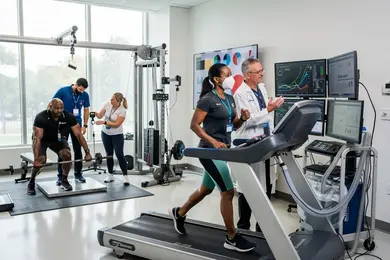
For instance, engaging in biomechanical assessments and using tools such as electromyography mirrors diagnostic practices in rehabilitation and athletic settings, preparing students for complex decision-making under pressure. Employers place a premium on candidates who have obtained certifications like Certified Strength and Conditioning Specialist due to the competitive nature of the workforce and the critical need for hands-on skill mastery.
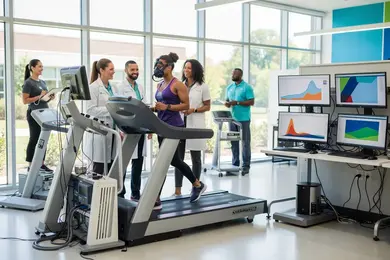
Assessment familiarity, including VO2 max and anaerobic threshold testing, equips graduates to interpret precise performance data crucial for athlete development or public health roles. This practical expertise aligns with labor market trends. The U.S. Bureau of Labor Statistics forecasts a 14% growth in community health worker positions from 2022 to 2032, a common pathway post-exercise science education.
Those lacking adequate practical exposure risk diminished job prospects, highlighting the importance of strategically selecting programs prioritizing applied experiences. Balancing theoretical rigor with hands-on training ultimately defines a graduate's ability to adapt within diverse populations, from athletes to older adults, and to navigate ethical challenges inherent in exercise prescription and conditioning.
What are typical admission requirements for online exercise science strength and conditioning programs?
Admission standards for online exercise science strength and conditioning programs typically reflect the need for foundational academic preparation combined with practical experience. Candidates without prior college-level science coursework often face slower progress or additional prerequisite courses, especially in physiology and kinesiology, which are essential for success.
Entry expectations generally include a high school diploma with a 2.5 to 3.0 GPA in core science subjects, and while SAT or ACT scores are sometimes requested, this is less common in programs tailored for adult learners. Admissions frequently require official transcripts confirming general education or science prerequisites, alongside personal statements and letters of recommendation that highlight relevant academic or athletic skills.
Practical experience heavily influences acceptance chances and subsequent employability. Internships, coaching certifications, or fitness-related work provide evidence that candidates can apply theory in real-world settings. Some programs mandate health screenings or technology access, imposing additional barriers for applicants without reliable digital resources.
From a labor market perspective, fulfilling these entry requirements is critical. The U.S. Bureau of Labor Statistics forecasts over 45,000 new jobs for fitness trainers and instructors between 2022 and 2032. Choosing a program aligned with these standards can mitigate risks of delayed completion and skill gaps, which in competitive regions may directly affect placement opportunities and long-term career flexibility.
How long do online exercise science degrees take, and what do they cost?
Completing an online exercise science degree typically spans 3 to 4 years full-time, but extending beyond this timeframe, especially part-time, drives up costs and delays entry into competitive roles in strength and conditioning.
Tuition varies broadly, from around $6,000 to $30,000 annually, depending on factors like public versus private status and residency, resulting in total expenses between approximately $18,000 and $120,000. Students must weigh semester credit loads and accelerated options carefully, as these influence both duration and financial outlay.
Employers in fitness and health education increasingly prioritize candidates who finish their degrees within traditional timelines and accumulate practical experience. For context, the field anticipates growth rates of 14%, with over 4,000 new health educator roles projected by 2033. Graduates who delay completion risk losing early employment advantages in this expanding market.
Those transitioning into exercise science careers should consider programs balancing flexible pacing with rigorous clinical or internship requirements. While online formats offer savings on commuting and relocation, they introduce the challenge of self-discipline and possible extra technology costs.
Prospective students must budget realistically to cover variable tuition, fees, and certification exams without compromising hands-on training-critical for meeting employer expectations in strength and conditioning.
What strength and conditioning careers can you pursue with an exercise science degree?
Opting for an exercise science degree channels candidates into divergent employment paths with clear tradeoffs between accessibility and specialization.
Entry-level roles as fitness trainers and instructors offer median salaries near $46,180 but typically require only foundational anatomy and exercise prescription knowledge. These positions mostly reside in gyms, wellness centers, or community programs and often present constrained upward mobility without supplemental credentials.
Advancement into elite strength and conditioning positions, such as coaching within NCAA programs or professional sports, demands mastery of biomechanics, training periodization, and frequently a graduate degree or specialized certifications. Salaries in this segment can surpass $82,050 annually but come with heightened responsibility for athlete performance, injury prevention, and collaborative workload management.
Determining which path to pursue significantly influences educational planning. Some students may prefer shorter certification tracks with immediate entry into fitness roles, while others must prepare for rigorous graduate education and competitive networking to penetrate high-performance settings. Internships and assistant coaching experiences remain non-negotiable to meet employer expectations emphasizing data-driven, applied training methods.
Employers seek candidates who integrate scientific expertise with practical application, underscoring the importance of program selection that includes lab work and real-world exposure. This balance critically affects employability, income potential, and career trajectory in a fragmented labor market.
What salary ranges and job outlook can strength and conditioning professionals expect?
Income for strength and conditioning professionals varies widely and depends on location, employer, and certification level. Entry-level salaries often start around $40,000 in community fitness or high school athletics, while positions in collegiate or professional sports approach or exceed $70,000. Holding advanced certifications such as Certified Strength and Conditioning Specialist (CSCS) typically leads to higher pay and expanded leadership roles.
The labor market is steady but localized, with urban centers and institutions containing major sports programs offering the most opportunities. Rural areas often feature limited demand and stiffer competition. Employers prioritize candidates who combine academic credentials with practical experience, making internships or assistantships essential for employment readiness.
Professionals often face income plateauing unless they move into supervisory or specialized sports performance roles. This dynamic means that advancing skill sets, including program development or dual roles in athletic training and fitness coaching, can significantly impact career trajectory.
Which certifications and licensing align with exercise science strength and conditioning career goals?
The Certified Strength and Conditioning Specialist (CSCS) and Strength and Conditioning Coach Certified (SCCC) credentials remain the most decisive for professionals aiming to excel in strength and conditioning within exercise science. The CSCS credential, overseen by the National Strength and Conditioning Association, requires a bachelor's degree and rigorous exam success, positioning holders for collegiate and professional sports roles.
In contrast, the SCCC caters to those working primarily in military and private-sector environments, emphasizing applied athlete performance expertise.
The workforce impact of licensing varies by state but is critical in clinical and rehab settings, where exercise physiologists often need state certification beyond certifications to engage fully in multidisciplinary medical teams. This practical requirement affects employability and scope of practice, especially in hospital-affiliated sports performance centers.
Employment growth projections favor those with formal certification. The U.S. Bureau of Labor Statistics estimates an increase of 25,300 coach and scout positions from 2022 to 2032. Yet, potential candidates should weigh these benefits against upfront educational requirements and continuing certification fees, as these factors influence negotiation leverage and career progression.
For those transitioning from roles like personal training to collegiate coaching, acquiring the CSCS can be the difference between eligibility and restriction from advanced positions requiring documented professional competency.
Other Things You Should Know About Exercise Science
Yes. For career alignment, the program should hold institutional accreditation from a U.S. Department of Education-recognized accreditor, and many employers prefer regionally accredited degrees. For certification prep, look for coursework aligned with the NSCA’s CSCS exam, which requires a bachelor’s degree or senior standing and an approved CPR/AED credential.
Program rigor varies widely, impacting both knowledge depth and skill acquisition. Employers in strength and conditioning prioritize candidates with robust scientific foundations and clinical or athletic experience; online programs lacking hands-on rigor can underprepare graduates. Select programs with challenging coursework and mandated practical hours to ensure credible preparation, especially if you intend to pursue certification or competitive job markets.
Faculty expertise directly influences the quality of instruction and networking opportunities, particularly in specialized areas such as strength and conditioning. While curriculum flexibility benefits working professionals, it can reduce cohesion and progression of foundational knowledge if not well structured. When career alignment is a priority, prioritizing faculty credentials and program reputation over maximum flexibility typically yields better professional outcomes.
References
- Online Exercise Science Degrees: Top School Review https://www.edumed.org/online-schools/exercise-science-degrees/
- Exercise Science (Strength & Conditioning) | Academics | Southern Arkansas University https://web.saumag.edu/academics/program/exercise-science-strength/
- Strength and Conditioning Coach Salary: What You Need to Know in 2026 - Create https://create.fit/strength-and-conditioning-coach-salary/
- Online Exercise Science Program https://stmary.edu/online-programs/exercise-science.html
- Personal Training Job Outlook https://www.ncsf.org/careers/job-outlook
- Personal Trainer Job Outlook: Growth Salary & Future Trends https://www.fitnessmentors.com/personal-trainer-job-outlook/
- Exercise Sciences https://www.caahep.org/committees-on-accreditation/exercise-science
- Exercise science: What exactly is it? https://www.scienceforsport.com/exercise-science/