2027 Employers That Hire Exercise Science Graduates Most Often

Co-Founder and Chief Data Scientist
Graduates in exercise science face a persistent dilemma: identifying employers with consistent hiring patterns that align with evolving credential expectations and practical skill requirements. With the U.S. Bureau of Labor Statistics projecting a 10% growth in related health and fitness occupations through 2032, competition intensifies as employers increasingly prioritize candidates with hands-on experience and interdisciplinary competencies over purely academic credentials.
Simultaneously, the rise of flexible, hybrid educational models has diversified candidate profiles, complicating traditional recruitment pipelines. Understanding which employers actively seek exercise science graduates—and the specific competencies they value—provides critical guidance for strategic career planning.
This article identifies those employers hiring these graduates most frequently to inform better job-market alignment and decision-making.
Key Things You Should Know
- Healthcare providers increased exercise science hires by 15% from 2023 to 2025 due to expanded chronic disease management roles, pressuring candidates to acquire clinical certifications beyond traditional kinesiology degrees.
- Sports performance firms now demand proficiency in data analytics alongside exercise science fundamentals, reshaping workforce needs and limiting entry for graduates lacking cross-disciplinary training per 2024 industry workforce reports.
- Public sector employment in exercise science roles dropped 8% since 2022 amid budget cuts, delaying practical work experience for graduates and creating a timing mismatch in career entry pipelines, according to federal labor data.
Which employers hire exercise science graduates most often?
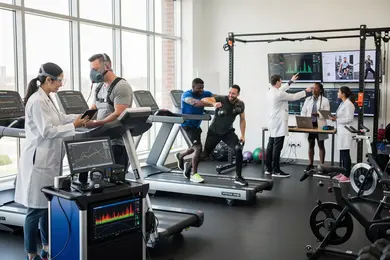
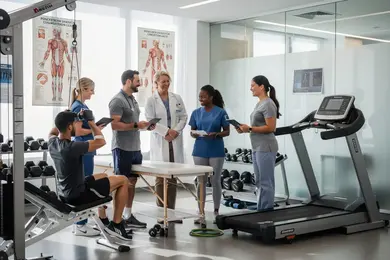
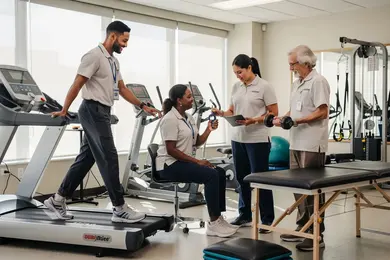
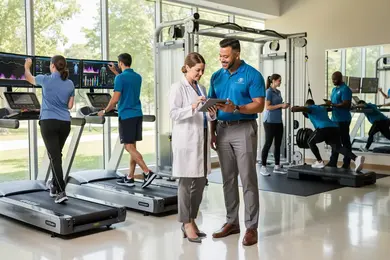
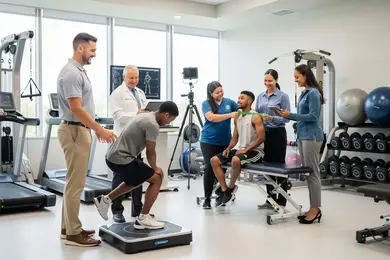
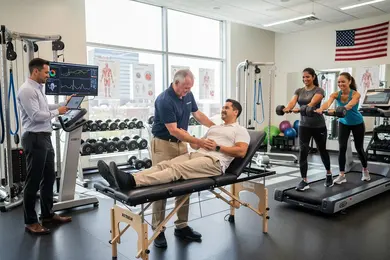
Employers hiring exercise science graduates in the US predominantly focus on healthcare providers, fitness centers, and sports organizations, each presenting distinct operational demands. Hospitals and rehabilitation clinics value graduates who can design evidence-based physical therapy and cardiac rehabilitation programs, often requiring expertise in biomechanics and a clinical certification background. For example, a hospital overseeing post-operative recovery prioritizes candidates able to craft tailored regimens to improve patient outcomes directly.
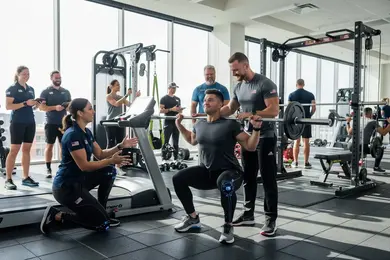
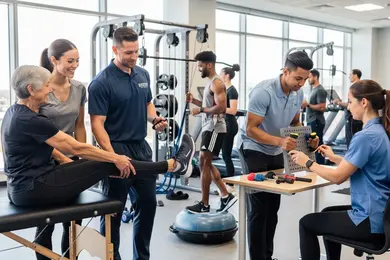
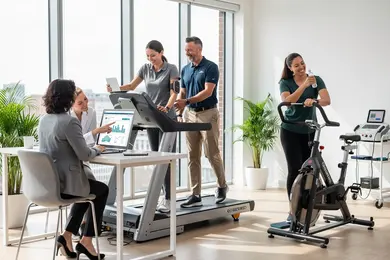
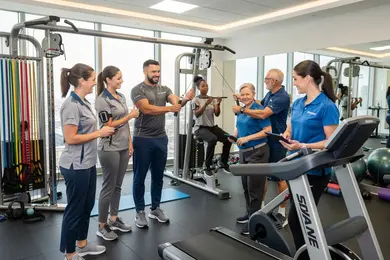
Fitness centers emphasize scalable injury prevention and wellness initiatives, where exercise science graduates with strong communication and program management skills are preferred. These employers—ranging from commercial gyms to corporate wellness programs—seek professionals adept at assessing fitness levels and executing scientifically grounded interventions that mitigate workforce absenteeism.
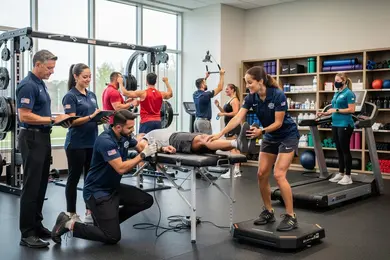
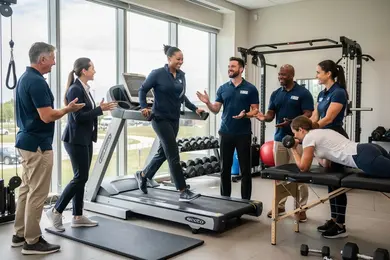
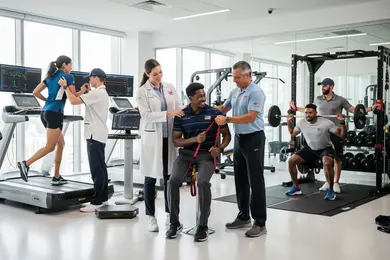
In contrast, professional sports teams and collegiate athletic departments recruit exercise science graduates to enhance athlete performance through data-driven training and nutrition plans, often favoring candidates with relevant internships or athlete-support experience. Salary data from ZipRecruiter shows a 25th percentile wage of $42,700 and a median annual salary of $60,600, with specialized healthcare and athletic roles trending higher.
Job seekers must carefully consider whether their skill set and experience meet sector-specific expectations. Those lacking clinical or athletic internship credentials may find entry challenging in some segments but can target fitness or wellness programs emphasizing credentials like personal training certification instead. For an informed career path evaluation, accessing resources on athletic director salary can provide valuable context.
Top companies recruiting exercise science graduates nationwide often align their hiring strategies with these sector-specific competencies, reinforcing the importance of targeted preparation and realistic expectation setting.
What jobs can exercise science graduates get?
Exercise science graduate career opportunities in the United States present a demanding landscape where practical credentials and specialization heavily influence employability. Employment for exercise physiologists is projected to grow 10% from 2023 to 2033, creating about 1,600 new jobs annually, a pace exceeding average occupational growth. This growth is driven by healthcare sectors prioritizing fitness programming for aging populations and chronic disease management.
Top employers hiring exercise science degree holders include hospitals, cardiac rehabilitation clinics, sports organizations, and corporate wellness programs. For instance, clinical roles in cardiac rehab require certifications and in-depth understanding of medical protocols, reflecting a need for applied knowledge beyond the bachelor's degree.
Strength and conditioning positions demand sport-specific expertise plus additional credentials, explaining why experience and certifications such as ACSM or NASM are often prerequisites.
Job market competition underscores the importance of hands-on experience through internships or entry-level positions in healthcare or fitness environments. Salary tradeoffs also matter: clinical exercise physiologists typically earn higher wages but face longer hours, while wellness coordinators in corporate settings often have steadier schedules with comparatively lower pay.
For those evaluating educational pathways for a strategic shift, it is useful to consider broader alternatives such as online degrees in computer science that can complement or augment career options in health and fitness fields.
What education do exercise science employers prefer?
Employers hiring exercise science graduates in the United States prioritize candidates who hold at least a bachelor's degree in exercise science, kinesiology, or a closely related field. This educational foundation addresses essential competencies such as anatomy, physiology, biomechanics, and exercise prescription, which directly influence performance expectations in clinical, athletic, or wellness sectors.
Beyond formal education, employers often require certifications in strength conditioning, personal training, or clinical exercise physiology as evidence of practical readiness.
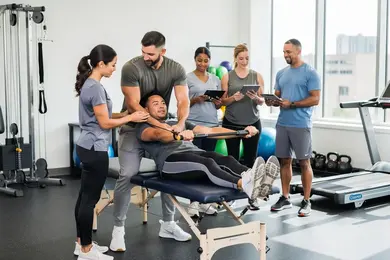
For example, a strength and conditioning coach working with collegiate athletes must combine theoretical coursework with applied skills in program design and injury prevention to meet employer standards. This dual emphasis on academic knowledge and hands-on experience shapes the hiring process, especially since internship or practicum experience frequently serves as a differentiator during candidate evaluations. Entry-level roles typically require licensure or certifications recognized by national bodies to satisfy professional and legal mandates.
Advanced positions, particularly in clinical and rehabilitation settings, often necessitate a master's degree or higher alongside certifications like ACSM Certified Clinical Exercise Physiologist, emphasizing a tighter linkage between education and employability.
The rising demand for exercise science graduates—supported by a projected 15% growth in sports-related employment reported by Prosple—creates a competitive environment where educational depth and practical experience have tangible impacts.
Prospective students examining exercise science degree requirements for employers in the United States should consider how the balance between formal education, credentialing, and real-world experience influences career trajectories. Those contemplating higher academic pursuits might also explore options such as an online PhD in data science to expand interdisciplinary opportunities beyond traditional exercise science pathways.
Which certifications improve exercise science job prospects?
Employers in the U.S. exercise science sector distinctly prioritize credentials that align with specific occupational settings rather than broad certification accumulation. For example, the Certified Strength and Conditioning Specialist (CSCS) is highly valued in athletic training roles within collegiate and professional sports, requiring a bachelor's degree and passing a rigorous exam to validate expertise in strength training.
Conversely, the Certified Exercise Physiologist (ACSM-CEP) carries considerable weight for clinical and rehabilitative jobs, including hospital environments managing patients with chronic conditions. This differentiation matters because aligning certifications with job focus directly affects employability and initial salary levels.
For those targeting commercial gym leadership or fitness instruction, certifications like the Certified Personal Trainer (CPT) from NASM or ACE provide immediate entry but limit progression into healthcare or research roles where advanced credentials dominate. Workforce analysis confirms that specialized certifications correlate with faster hiring and more favorable entry wages, yet candidates must consider the time and cost tradeoffs involved.
Entry-level roles almost universally require CPR/AED certification, emphasizing foundational compliance alongside targeted credentials.
Professionals who carefully select top accredited exercise science certifications for career advancement can avoid unproductive credential sprawl by mapping certifications to their intended niche—clinical, athletic, or commercial.
Occupational realities show that physical therapy settings typically demand ACSM credentials while sports franchises focus on CSCS. This approach responds to sustained employer demand demonstrated by over 22,000 exercise science job listings nationwide, highlighting the imperative to prioritize purposeful certification pathways.
For individuals comparing education investments, it's advisable to examine the value of related fields as well. For instance, exploring a data science degree can offer complementary analytical skills increasingly sought after in advanced exercise science research and program development.
Are online exercise science degrees respected by employers?
Employer preference in exercise science roles leans heavily on applied skills and clinical experience rather than degree delivery format. For example, healthcare employers hiring exercise physiologists expect programs to hold accreditation from bodies like the Commission on Accreditation of Allied Health Education Programs (CAAHEP). Without such accreditation, online degrees risk skepticism despite covering core topics.
Practical competencies are decisive for positions in sports coaching, exercise physiology, and sports nutrition. However, specialized fields such as cardiac rehabilitation demand state licensure or certification, which often require supervised internships or clinical hours typically unavailable through fully online programs. Graduates must proactively secure these practical experiences to maintain competitiveness.
Salary data from Prosple's 2024 overview reveal median annual wages around $60,000 for sports nutritionists, $50,000 for exercise physiologists, and $40,000 for sports coaches, illustrating compensation tied closely to verified skills and credentials.
To navigate hiring barriers, students should verify program accreditation and seek programs offering supervised clinical components. Additionally, nationally recognized certifications like ACSM or NSCA credentials are essential supplements. Candidates lacking hands-on experience generally face extended job searches and lower starting salaries, regardless of earning an online degree.
What courses are in an exercise science degree?
A strategic approach to an exercise science degree demands alignment with specific employment goals, particularly since real-world corporate and clinical roles prioritize applied skills over theoretical knowledge alone. Core courses in human physiology, biomechanics, and motor control lay the foundation, but graduates who excel integrate advanced content like sports nutrition, clinical exercise testing, and research methodology to meet employer expectations for evidence-based program design.
A practical scenario illustrates this: a California-based corporate wellness program values candidates proficient in ergonomics, injury prevention, and wellness program development. Such roles offer salaries ranging from $59,000 to $134,000 per year, indicating market willingness to reward specific competencies.
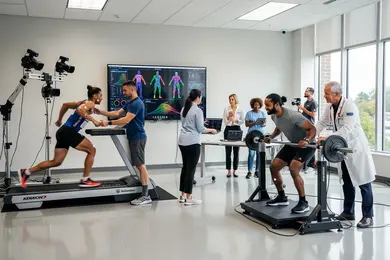
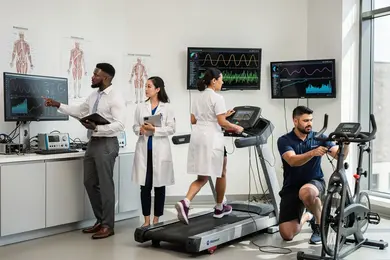
This means program selections should balance coursework in biological sciences with hands-on skills in assessment technologies like VO2 max testing and electromyography, as well as behavioral science application to enhance client adherence.
Tradeoffs include the necessity of additional certifications or specialized training beyond the degree to demonstrate capability in client outcomes and program management, especially for clinical rehabilitation roles. Graduates must therefore critically evaluate electives and practical experience opportunities aligned with targeted industry sectors to optimize employment potential and return on investment.
In summary, successful navigation of an exercise science curriculum involves prioritizing applied health promotion and preventive strategies, integrating interdisciplinary skills, and anticipating employer demands for measurable impact in both corporate and clinical settings.
How long does an exercise science degree take?
Completion time for an exercise science degree directly impacts both initial job eligibility and salary potential. A bachelor's degree, typically requiring four years, remains the baseline credential for most entry-level roles and is often paired with certifications in areas like corporate wellness. Shorter programs such as associate degrees or certificates, which take around two years, may enable quicker workforce entry but substantially limit long-term income and professional advancement.
Specialized clinical positions, including roles that demand Medicare reimbursement or advanced biomechanics expertise, require graduate education-usually a master's adding two to three years or a doctorate extending to six years total. This extra time investment correlates with higher earning capacity, where top exercise science-related professionals can exceed $100,000 annually.
Employers consistently prioritize candidates with concrete internship or clinical experience alongside academic credentials, meaning that practical training embedded in programs can alter total completion time but significantly improve job market competitiveness. Working professionals pursuing part-time study must calibrate expectations for longer timelines in exchange for continued employment stability.
Key considerations for prospective students include:
- Bachelor's degrees balance time and career access most effectively for direct employment.
- Advanced degrees open specialized roles but require substantial additional commitment.
- Prioritizing hands-on experience is essential for employability beyond the degree alone.
How much do exercise science graduates earn?
Exercise science graduates face a salary spectrum shaped primarily by employer expectations, geographic location, and role specialization. Positions blending hands-on clinical interaction with analytic program design, such as clinical exercise physiologists or professional sports performance coaches, tend to command salaries near $90,000 to $95,000 annually.
Entry-level roles in academic or community health settings usually fall between $65,000 and $78,000, impacted by funding constraints and less outcome-driven compensation models.
Professionals seeking to move from general fitness roles into clinical or research-intensive environments should weigh the cost of additional certifications against potential pay increases, especially in multidisciplinary care teams or integrated hospitals, which offer higher remuneration for advanced credentials.
Location significantly impacts earning potential: metropolitan areas with high living costs and specialized employers often exceed $90,000, whereas rural and underserved regions offer lower salaries but faster job growth due to workforce shortages.
Key factors influencing top-tier salaries include:
- Certification in advanced testing or therapeutic interventions
- Practical experience aligned with employer demands
- Specialization within physiology, sports medicine, or rehabilitation
- Ability to contribute to data-driven, performance-focused programs
Decision-making ought to integrate these market realities alongside credentialing investments to align educational pathways with realistic employability and salary outcomes.
What is the job outlook for exercise science careers?
Job opportunities in exercise science increasingly center on corporate wellness programs rather than traditional fitness facilities, driven by companies aiming to control healthcare costs and reduce productivity losses. For example, metropolitan firms with large in-house health teams prioritize candidates skilled in designing targeted programs that demonstrably reduce injury rates and absenteeism.
However, entry into these roles demands more than a degree-certifications in health risk assessment, ergonomics, and interdisciplinary competencies like data analytics are essential to stand out.
This shift implies a tradeoff: graduates face stronger competition and must invest in niche skills or graduate certifications related to occupational health or exercise physiology to advance. Roles in physical therapy clinics and rehabilitation centers provide alternative paths but also require specialized credentials.
Prospective students should consider that while demand grows, salary progression in entry-level corporate wellness positions often stagnates without further specialization.
Key practical considerations for navigating this landscape include:
- Securing certifications tailored to employer expectations for workplace health.
- Developing analytic capabilities to track and communicate program outcomes clearly.
- Focusing on geographic areas with high corporate density where budgets support health initiatives.
This nuanced evaluation can help align educational choices with workforce realities and minimize the friction commonly encountered in the transition into exercise science careers focused on corporate settings.
How do you choose a reputable exercise science program?
Employer demand in exercise science hinges on programs offering applied skills validated by accreditation and demonstrable outcomes. Federal agencies and clinical employers prioritize graduates from programs accredited by bodies like CAAHEP or NCCA, reflecting a need for rigor in scientific and clinical training.
For example, candidates with internships or capstone experience in government or healthcare settings gain a tangible advantage in hiring pipelines that require regulated-environment proficiency.
Graduates targeting corporate wellness sectors should seek programs emphasizing behavioral coaching and data analytics, as these skills align more closely with industry expectations. However, practical exposure varies widely, and programs lacking updated employment statistics—specifically 80% or higher placement rates in relevant sectors—pose risks to return on investment.
Accessibility factors such as cost, urban proximity to diverse practical sites, and modality matter but must be weighed against program quality. Urban programs tend to offer richer employer networks and applied experiences than rural counterparts, while fully online programs risk skepticism from employers prioritizing hands-on expertise.
Other Things You Should Know About Exercise Science
In 2027, healthcare facilities, fitness centers, corporate wellness programs, and research institutions are among the top industries hiring exercise science graduates. Additionally, sports organizations and rehabilitation centers are increasingly seeking graduates specialized in human performance and wellness.
Employers frequently require hands-on experience through internships, clinical hours, or research projects as a fundamental hiring criterion. Candidates without significant applied experience face substantial disadvantages, even with strong academic records. Prioritizing programs that integrate mandatory practical components increases employability by matching real-world workflow and client interaction demands.
A graduate degree often opens doors to specialized clinical roles, advanced research positions, or management track jobs with higher salary ceilings. However, it requires additional time and financial investment, delaying workforce entry and earning potential. Candidates focused on quick employment and broad applicability should weigh immediate job market needs and employer preferences in their region before committing to further education.
Employers most often prefer ACSM Certified Exercise Physiologist, NSCA Certified Strength and Conditioning Specialist, or NASM Certified Personal Trainer credentials. For clinical or rehabilitation settings, CPR/AED certification and, in some jobs, a master’s degree are required before hiring.
References
- Exercise science: What exactly is it? https://www.scienceforsport.com/exercise-science/
- ESSA's career guide for Accredited Exercise Physiologists https://www.essa.org.au/Web/Web/Resources/Tools-and-templates/ESSA-AEP-Guide.aspx
- Exercise Science | York College of Pennsylvania https://www.ycp.edu/academics/programs/exercise-science
- What Can You Do With an Exercise Science Degree? https://willamette.edu/academics/college/exercise-health-science/career-options
- Exercise Physiologist Career https://explorehealthcareers.org/careers/sports-medicine/exercise-physiologist/
- Exercise Physiologists: Salary, career path, job outlook, education and more - RaiseMe https://www.raise.me/careers/healthcare/exercise-physiologists/
- Online Exercise Science Program https://stmary.edu/online-programs/exercise-science.html
- Online Exercise Science Degrees: Top School Review https://www.edumed.org/online-schools/exercise-science-degrees/
- Exercise Science | Columbia College https://www.columbiasc.edu/academics/undergraduate/exercise-science
- 2026 Best Online Exercise Science Degrees https://www.onlineu.com/degrees/exercise-science