2027 Best Online Exercise Science Programs for Professionals Seeking Clinical Exercise Careers

Co-Founder and Chief Data Scientist
Attempting to shift into a clinical exercise career often confronts professionals with a critical barrier: accessing high-quality programs that align with demanding work schedules and geographic restrictions. A recent National Center for Education Statistics report shows a 35% rise in adult enrollment in online health science programs since 2023, signaling a growing preference for flexible learning models.
This responds to the sector's escalating need for clinicians who can upskill without sacrificing employment or family obligations. Selecting an online exercise science program requires weighing the tradeoffs between accreditation, clinical placement opportunities, and curriculum relevance to ensure measurable career advancement.
This article evaluates top online exercise science programs that cater to working professionals pursuing clinical roles, providing actionable insights to navigate accessibility, quality, and career outcomes effectively.
Key Things You Should Know
- National Center for Education Statistics 2024 data shows that fully online exercise science programs often cost 20-35% less but face 15% lower employer recognition in clinical hiring compared to hybrid counterparts, impacting long-term ROI.
- CDC workforce projections indicate a 12% growth in clinical exercise roles by 2030, pressuring applicants to prioritize programs with accredited clinical practicum components linked to higher immediate employability.
- Programs with accelerated tracks cut completion time by up to 30%, crucial for mid-career professionals balancing opportunity costs; however, these often demand heavier course loads, affecting skill mastery depth.
What are the best online exercise science programs for clinically focused professionals?
Programs labeled as the best online exercise science degree programs for clinical professionals must meet rigorous standards beyond basic accreditation to address clinical employment realities. The Bureau of Labor Statistics projects a 13% growth in exercise physiologist roles through 2030, exceeding typical job growth and increasing demand for candidates with validated clinical skills.
Programs accredited by bodies such as CAAHEP or ACEND that integrate supervised clinical practicums or partnerships with healthcare facilities better prepare students for hands-on expectations, a crucial factor often underestimated in online formats.
Employers in clinical areas like cardiac rehabilitation or pulmonary care prioritize evidence of practical experience and clinical coursework aligned with certification pathways such as the Certified Clinical Exercise Physiologist (CEP). For professionals transitioning from general fitness roles, choosing top accredited exercise science online programs for clinical careers means navigating tradeoffs between location-based practicum access and program flexibility.
Students should critically assess programs on three fronts: accreditation genuinely aligned with clinical standards, availability of supervised clinical rotations—preferably local or virtual—and curriculum emphasis on managing chronic conditions through exercise prescription and assessment. Ignoring these elements risks delayed entry or rejection from clinical job markets despite completing an online degree.
Those exploring allied fields might also find relevant insights on how to become an athletic director, which shares some overlapping competencies and employment considerations.
How do online exercise science degrees prepare students for clinical exercise careers?
Online exercise science degrees for clinical practice address the gap between theoretical knowledge and practical readiness, but securing local clinical placements is a significant hurdle that shapes career trajectories. These programs focus on anatomy, physiology, kinesiology, and pathology, equipping students with skills essential for assessing patients and designing therapeutic exercise plans tailored to populations with chronic diseases or post-surgical needs.
For instance, students targeting cardiac rehabilitation must master cardiovascular physiology and exercise testing protocols to interpret stress data effectively.
Graduates face a tradeoff: gaining the convenience of online coursework against the necessity of arranging supervised internships locally to meet accreditation and licensure standards. Employers prioritize candidates with verifiable hands-on experience, meaning those unable to secure quality clinical practicum may face delays in employment or licensure. Additionally, some clinical roles necessitate postgraduate certifications beyond the degree.
Demand for professionals competent in clinical exercise roles is reflected in the U.S. Bureau of Labor Statistics' projection of over 45,000 additional fitness trainer and instructor jobs from 2022 to 2032. Navigating this landscape requires strategic decision-making about programs that provide robust fieldwork support and credentialing pathways.
Prospective students actively weighing their options might also consider related pathways such as online associate nursing programs which offer distinct clinical practice structures and employment contexts.
Clinical exercise career preparation through online exercise science programs thus demands a clear-eyed evaluation of practicum logistics, employer expectations, and credentialing requirements to ensure the pathway aligns with long-term professional goals.
What accreditation should online exercise science programs have for clinical practice pathways?
Selection of an online exercise science program accreditation for clinical practice hinges on securing CAAHEP accreditation or comparable clinical-level recognition. Programs lacking this specialized accreditation may inadvertently restrict graduates from sitting for essential certification exams tied to cardiovascular assessment or clinical exercise roles.
Employers in hospitals and cardiac rehab centers consistently favor candidates from such accredited exercise science degrees for clinical careers due to the direct alignment with rigorous credentialing requirements, such as the Clinical Exercise Physiologist certification.
Regional institutional accreditation, while necessary for federal aid and broader academic acceptance, often falls short in preparing students for practical clinical competencies or clinical internship placements mandated by employers. This can lead to diminished job placement prospects and stunted earning potential, especially when considering that cardiovascular technologists reported a median annual wage of $63,020 in 2023, according to BestColleges.
Pragmatically, professionals targeting clinical practice pathways must assess whether online exercise science programs integrate verified hands-on training in approved healthcare settings. Without it, graduates face barriers to employment in specialized medical exercise environments.
For those weighing options beyond exercise science, pathways such as pursuing an affordable online computer science degree offer alternative strategic career pivots, especially where clinical accreditation might not be feasible or desired.
How do online exercise science programs compare to campus options for hands-on training?
Online exercise science programs offer theoretical rigor comparable to campus options but shift the burden of securing practical training onto students. Unlike programs with embedded on-site labs and readily accessible clinical placements, online learners often must independently arrange hands-on experiences, a challenge heightened when institutional support or local partnerships are limited. This critical distinction influences the value and perception of hands-on training compared between online and campus formats.
Employers prioritize verifiable practical skills and clinical hours, meaning online graduates must navigate the logistics of gaining these experiences, especially in clinical exercise science practical experience online versus on-campus settings.
For instance, a student specializing in clinical exercise physiology might incur travel costs or face scheduling delays obtaining sufficient practicum hours, unlike on-campus peers who typically access facilities directly nearby. This disparity can affect readiness for certification and employment.
Cost considerations highlight a tradeoff: while online programs can reduce tuition—some as affordable as $7,170 annually per OnlineU's 2026 rankings—even the lowest-priced options require students to budget separately for local hands-on training expenses and exam fees that campus programs might bundle. Students aiming for efficient credentialing must therefore weigh these concealed logistical and financial factors alongside sticker price.
Given this, a realistic assessment includes local clinical placement availability, employer acceptance of online graduates' hands-on readiness, and how these elements fit personal circumstances.
For professionals seeking to pivot strategically, exploring pathways informed by comparative program structure and workforce expectations—such as those provided in reliable data science degrees research—can clarify decision impact.
What degree pathways support careers in clinical exercise physiology and related roles?
Employers demanding autonomy in clinical exercise physiology increasingly require master's degrees with focused clinical coursework or certification eligibility, making a bachelor's degree in exercise science insufficient for many advanced roles. Graduates holding only a bachelor's often face restricted responsibilities, predominantly in support roles within rehabilitation centers rather than independent clinical decision-making positions.
A master's degree equips candidates with applied skills in chronic disease management, diagnostic testing, and exercise prescription targeting cardiac, pulmonary, and metabolic conditions.
For example, clinical exercise physiologists in cardiac rehabilitation report median salaries around $50,280, with job growth projected at 13% through 2030, driven largely by aging populations and chronic disease incidence, according to data from St. Mary's University.
Practical training through accredited programs offering supervised clinical practicum is essential to employability; exposure to real patient populations is frequently mandated by employers and certification bodies like the American College of Sports Medicine. Without these elements, professionals risk deskilled roles focusing on general fitness rather than clinical exercise interventions.
What core courses and clinical components are included in online exercise science curricula?
Online exercise science programs blend essential science coursework with clinical practicum requirements, addressing a core challenge: balancing theoretical knowledge with hands-on skills critical for employability. Students encounter subjects such as exercise physiology, anatomy, biomechanics, and nutrition framed through the lens of clinical exercise testing and prescription for patient-specific interventions.
Practical experience is non-negotiable, typically taking place in hospitals, outpatient clinics, or rehabilitation centers. These placements develop competencies in areas like patient risk stratification and customized rehabilitation protocols, skills often unattainable through remote instruction alone.
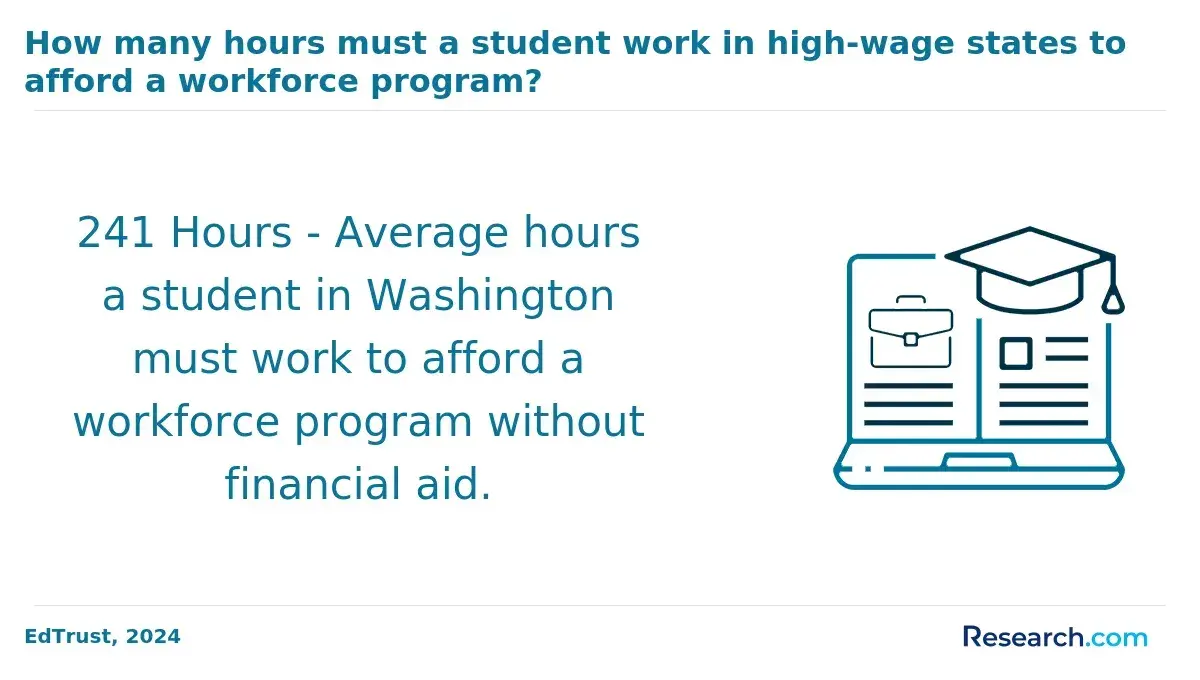
However, access to quality clinical sites can be a barrier—especially for students in rural or underserved areas, who may need to proactively secure their own placements.
Graduates targeting roles in cardiac rehabilitation or physical therapy assistance should prioritize programs with robust practicum components. For instance, Illinois projects a 23% growth in physical therapy assistant positions through 2032, highlighting regional demand that exceeds average job market trends.
The combination of solid clinical training and science foundation correlates with stronger job prospects, aligning with employer preferences for demonstrated applied skills over purely academic credentials.
Tradeoffs to consider include program length and the variable availability of supervised clinical experience, which directly affect readiness for certification and workplace integration. Navigating these factors critically influences whether the investment of time and effort delivers meaningful returns in employability and career progression.
What are typical admission requirements for online exercise science bachelor's and master's programs?
Admission criteria for online exercise science bachelor's and master's programs directly affect a student's ability to transition into or advance within health-related fields, especially when balancing work and study. Bachelor's applicants typically must hold a high school diploma with a GPA near 2.5 to 3.0 and may need SAT or ACT scores unless waived.
For master's candidates, requirements tighten, often mandating a bachelor's in exercise science or a related area with a minimum GPA around 3.0 and sometimes GRE scores. However, many programs have dropped standardized test mandates to accommodate working professionals.
Practical experience is a decisive factor: internships or clinical work in allied health settings can distinguish applicants, especially where licensure or certification depends on clinical competence. Programs focusing on licensed allied health professionals demand valid credentials or proof of ongoing clinical practice, plus recommendation letters and career goal statements.
Students must weigh how programs vary between emphasizing research versus applied clinical skills, as this influences which admission documents and background are prioritized. For working adults, choosing a program that credits prior healthcare experience can reduce redundant coursework and speed up credentialing timelines.
With 89 distance-learning programs available in North America, applicants must navigate varied admission landscapes shaped by workforce demands and academic emphasis.
How long do online exercise science programs take, and what do they cost overall?
Choosing an online exercise science program requires balancing time, cost, and practical outcomes within varied career objectives. Degree completion ranges from roughly 2 years for associate's levels up to 4 years for traditional bachelor's, with part-time enrollment often extending the timeline.
Accelerated bachelor's tracks condense study into about 18 months but leave little room for flexibility outside full-time commitment. Certificates or targeted bridging programs typically span 6 to 12 months, suitable primarily for skill supplementation rather than comprehensive clinical qualification.
Cost structures differ substantially: public universities charge $20,000 to $40,000 for online bachelor's degrees and $8,000 to $15,000 for associates, while private institutions can exceed $50,000. Certificates usually remain under $5,000 but offer limited advancement potential when pursued alone.
Employers reward interdisciplinary expertise that combines exercise science with nutrition, coaching, and behavior change. Data from CSP Global indicates personal trainers with nutrition skills earn about 21% more annually, pointing to tangible market value in integrated curricula or stacked credentials.
Practical decision factors for working professionals might include:
- Opting for part-time bachelor's programs with embedded nutrition modules to align education with employer preferences and sustainable study pace
- Selecting shorter certificates for rapid entry into clinical assistance roles, acknowledging constraints on upward mobility
Ultimately, clear-eyed assessment of completion timelines, total financial investment, and program content alignment with employer expectations directly affects professional outcomes in this competitive field.
What clinical exercise careers, salaries, and work settings can these degrees lead to?
Clinical exercise science degrees open access to diverse roles, but the practical realities and regional labor markets significantly influence career outcomes. Clinical exercise physiologists typically earn around $53,000 annually, while strength and conditioning coaches in professional or collegiate sports can command salaries ranging from $50,000 to over $80,000 based on expertise and credentials.
Work environments vary widely, each with distinct demands: hospital-based cardiac rehabilitation requires navigating regulatory requirements and insurance complexities, while collegiate strength coaches focus on performance optimization and injury prevention with proficiency in biomechanics.
Job availability fluctuates by region; for example, Minnesota projects 910 annual openings for coaches and scouts over a decade, indicating strong local demand. Prospective graduates in saturated or less-demanding markets may need advanced certifications such as ACSM or NSCA or graduate degrees to remain competitive.
Employers prioritize candidates with documented clinical internships and relevant certifications over purely theoretical backgrounds, pushing students toward programs that integrate hands-on experience and career placement support. This hiring reality suggests that clinical experience and up-to-date credentials are critical investments when selecting a program.
Which certifications and licensing steps are needed for clinical exercise professionals?
Securing the Certified Clinical Exercise Physiologist (CEP) credential from the American College of Sports Medicine (ACSM) is a critical threshold for practicing clinical exercise professionally in the U.S. This certification mandates a bachelor's degree in exercise science or a related field, 400-600 hours of supervised clinical experience, and passing a demanding exam.
Clinical roles in cardiac rehab and chronic disease management explicitly require this credential, creating a practical barrier that filters candidates beyond general fitness certifications.
Employers also require certifications in Basic Life Support (BLS) or CPR, and some states like North Carolina and Florida impose licensure laws specific to exercise physiologists, limiting mobility and job eligibility. Outside these states, reliance on nationally recognized certifications and documented clinical hours remains the standard.
While online microcredentials and certificates in exercise science have grown by over 30% in enrollment recently, they serve mainly as supplements rather than substitutes for the CEP. Employers prioritize comprehensive credentials that meet healthcare compliance and insurance standards instead of fragmented short-term courses.
A practical example: a fitness trainer aiming to work in clinical cardiac rehabilitation must invest time to earn the degree, complete supervised clinical experience, and obtain the CEP to secure qualified employment and competitive pay. Skipping these steps often locks candidates out of specialized roles or forces acceptance of lower wages.
Other Things You Should Know About Exercise Science
Both formats offer distinct tradeoffs that affect clinical preparation and career readiness. Synchronous programs provide real-time interaction, which can improve engagement and allow immediate feedback during complex clinical discussions, better simulating in-person cohort experiences. However, asynchronous formats offer flexibility crucial for working professionals but require stronger self-discipline and often limit direct peer or instructor interaction, which can reduce opportunities for collaborative problem-solving important in clinical practice. Prioritize programs that balance flexible access with enough live components or strong support structures to maintain practical skill development and professional networking.
In 2027, top-rated programs like the University of Florida and California University of Pennsylvania stand out for their comprehensive curricula in clinical exercise science. These programs often cover advanced topics in physiology, biomechanics, and clinical exercise testing, equipping students for professional roles in healthcare settings.
The decision hinges on balancing workload with career goals and retention of complex clinical knowledge. Part-time programs extend the learning period, easing the burden on professionals juggling work and studies, but they delay entry into advanced clinical roles. Accelerated programs reduce time to career advancement but increase intensity, often demanding full-time attention and leaving less room for concurrent employment or practical immersion. Prioritize part-time routes if maintaining current employment is essential, but choose acceleration only if your schedule and prior experience can accommodate the rigorous pace without sacrificing depth of clinical learning.
Yes. Many online exercise science programs that prepare students for clinical exercise roles require a practicum or internship, often 120 to 400 supervised hours. Some programs place students in approved hospitals, rehabilitation clinics, or wellness centers, and they may require current CPR certification before placement.
References
- International Clinical Exercise Physiology Qualification Application Pathways https://icsesp.global/resources/international-clinical-exercise-physiology-recognition-opportunities/
- 2026 Best Online Exercise Science Degrees https://www.onlineu.com/degrees/exercise-science
- From Student to Clinical Exercise Physiologist With a Degree in Exercise Science https://online.aurora.edu/program-resources/student-to-exercise-physiologist/
- Accreditation - Irish Sport and Exercise Sciences Association https://isesa.ie/accreditation/
- What does a Clinical Exercise Physiologist do? Career Overview, Roles, Jobs | IAPA https://careers.indianapas.org/career/clinical-exercise-physiologist
- Best Masters in Kinesiology Degree Programs Online for 2026 https://www.kinesiologydegrees.org/programs/degree/masters
- ESSA's career guide for Accredited Exercise Physiologists https://www.essa.org.au/Web/Web/Resources/Tools-and-templates/ESSA-AEP-Guide.aspx
- Online Exercise Science Program https://stmary.edu/online-programs/exercise-science.html
- Online Exercise Science Degrees: Top School Review https://www.edumed.org/online-schools/exercise-science-degrees/
- Updated ACSM-EP and ACSM-CEP Certifications Requirements and Accreditation https://acsm.org/updated-acsm-ep-and-acsm-cep-certifications-requirements-and-accreditation/