2027 Best Online Exercise Science Degrees for Human Performance Careers

Co-Founder and Chief Data Scientist
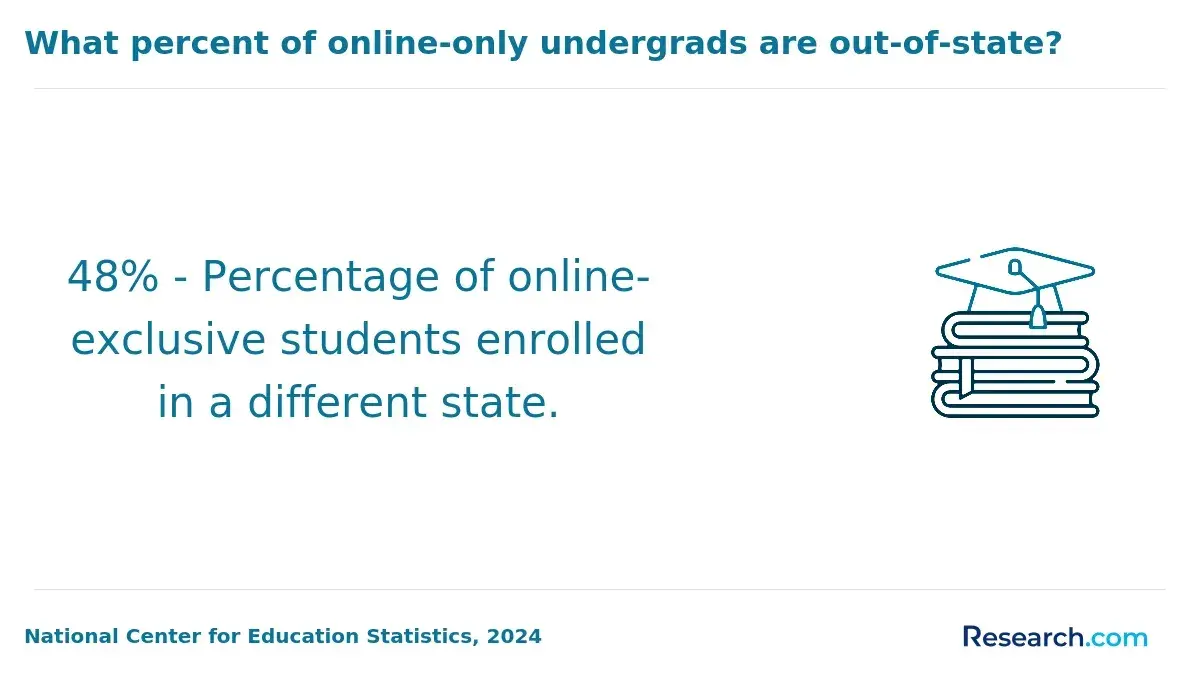
Balancing full-time employment with the demand for relevant academic credentials represents a prevalent barrier for professionals seeking advancement in exercise science careers. Recent data from the National Center for Education Statistics shows that over 40% of online degree enrollees are adult learners pursuing flexible programs that accommodate work and family obligations, which reshapes how students approach program selection.
This shift emphasizes the need for accredited, comprehensive online exercise science degrees that deliver both practical competencies and recognized credentials without sacrificing career momentum. This article evaluates the best online exercise science degrees designed to meet these real-world constraints, helping candidates make informed decisions aligned with career mobility and workforce expectations.
Key Things You Should Know
- Median salaries for human performance roles post-online exercise science degrees vary widely; BLS data shows a 12% wage gap favoring graduates with in-person internships, forcing candidates to weigh virtual access against on-site experience deficits.
- Employers increasingly prioritize certifications linked to hands-on biomechanics labs, per ACSM reports, creating a workforce demand tension that online programs struggle to fully address without hybrid clinical components.
- Degree completion times average 30% longer online due to practicum scheduling bottlenecks, raising total education costs by up to 15% when factoring lost income, a critical factor for working professionals seeking rapid career pivots.
What is an online exercise science degree and how does it prepare you for human performance careers?
An online exercise science degree programs for human performance careers delivers practical skills crucial for roles spanning clinical exercise physiology to sports conditioning. Graduates gain competencies in anatomy, biomechanics, and physiology, but how those skills apply differs by career path.
For instance, a clinical focus requires proficiency in therapeutic exercise and cardiovascular monitoring, while sports-oriented roles emphasize training periodization and movement analytics.
Programs that integrate interactive simulations and remote labs mitigate some limits of virtual learning, but securing field internships remains a significant requirement and potential hurdle.
Many students must independently arrange supervised practicum hours, a factor that complicates schedule flexibility and local employer connections. Employers often prefer candidates with additional certifications such as ACSM or NSCA, or master's degrees, which can extend timelines and increase costs.
Those weighing how an online exercise science degree prepares you for careers in human performance should consider workforce demand and realistic job prerequisites. The U.S. Bureau of Labor Statistics projects 14% growth for exercise physiologists between 2024 and 2034, supporting strong market needs. However, advancing beyond entry-level positions often hinges on combining the degree with credentials or experience.
Practical financial considerations also shape outcomes; for example, assessing how much do athletic directors make can inform alternative career routes within sports management or administration where exercise science expertise is valued but distinct from direct clinical roles.
How do online exercise science programs compare to campus-based degrees for quality and outcomes?
Students evaluating an online exercise science degree quality comparison must weigh the crucial impact of hands-on training in employer hiring decisions. Programs lacking supervised internships or lab-based practicums typically produce graduates challenged by insufficient applied skills, limiting access to entry-level roles in clinical or athletic settings.
Employers prioritize candidates with verified practical experience alongside theoretical knowledge. For instance, hospitals seeking exercise physiologists require documented clinical hours and familiarity with patient care protocols.
Campus-based degrees often facilitate direct supervision, yet well-structured online programs collaborate with local facilities to provide necessary fieldwork, ensuring parity in licensure exam pass rates and job placement when such practical standards are met.
However, fully online pathways without embedded hands-on opportunities risk graduates facing weaker resumes that may delay employment or necessitate additional certifications. Supplementing rigid coursework with virtual labs and remote mentorship aids skill acquisition but cannot fully replace physical practice.
Outcomes of campus vs online exercise science programs reveal that hybrid models balancing flexible online learning and rigorous internships align better with labor market expectations. According to the U.S. Bureau of Labor Statistics, the median annual wage for exercise physiologists was $58,160 in May 2025, emphasizing steady demand for candidates combining knowledge and applied competency.
Prospective students should scrutinize program support for local clinical access and graduate employment, rather than focusing solely on tuition or convenience. Exploring options including the best online nutrition degree might also complement broader career strategies in health sciences.
Which types of accredited online exercise science degrees are available for human performance careers?
Employers in human performance increasingly prioritize candidates with both academic grounding and practical competence, making the choice of an accredited online exercise science degree critical for career impact. Bachelor's degrees provide essential foundational knowledge in anatomy, physiology, biomechanics, and kinesiology, positioning graduates for entry-level roles such as fitness assessment and rehabilitation support.
However, a master's degree is often necessary to secure specialized clinical positions or research roles within human performance labs, sports organizations, or rehab clinics.
Certificate programs offer a targeted approach for professionals seeking specific skills-like strength conditioning or occupational performance-without committing to a full degree, facilitating career pivots or credential upgrades. The decision between these program types directly affects employability; for example, many employers require at least a bachelor's degree for technician roles, while clinical and research roles demand advanced qualifications.
Cost considerations are crucial: Franklin University's online exercise science degree costs $398 per credit, roughly 67% below the private nonprofit average, reflecting a significant affordability advantage for working adults balancing budgets.
Still, students must confirm program accreditation by authorities such as the Commission on Accreditation of Allied Health Education Programs and ensure the curriculum includes practical internships or lab simulations, as purely theoretical programs limit readiness for applied work in rehabilitation or ergonomic consulting.
Candidates exploring options should also weigh pathways against other online degrees; for example, a MLIS degree may offer alternative career trajectories with distinct skill sets and market demands.
Choosing the best online exercise science bachelor's degrees for human performance careers requires balancing tuition, accreditation, and practical training to align with target roles and industry expectations.
What accreditation should online exercise science programs have for career and graduate study eligibility?
Regional accreditation combined with programmatic accreditation from the Commission on Accreditation of Allied Health Education Programs (CAAHEP) or recognition by the National Commission for Certifying Agencies (NCCA) is a non-negotiable baseline for online exercise science degrees. Without these accreditations, graduates often face hurdles in transferring credits, qualifying for graduate study, or meeting employer expectations in allied health fields.
Many employers and graduate programs expect candidates to come from the best accredited exercise science programs for graduate study to ensure they meet industry benchmarks. For instance, applicants to physical therapy graduate schools typically must demonstrate completion of accredited prerequisite coursework to avoid retaking classes or delaying admission.
Practical implications of attending a non-accredited program include reduced credential portability across states and weaker leverage in salary negotiations.
OnlineU data on the University of Memphis's online M.S. in Exercise Science shows a median graduate salary of $67,415, illustrating how accredited programs deliver measurable occupational value. Candidates pursuing advanced research or clinical roles must verify that programs hold recognized accreditations to prevent credentialing gaps or career delays.
Additionally, those considering related fields such as mental health nursing can find tailored options by exploring online Psych NP programs.
What courses and specializations are typically offered in online exercise science curricula?
Online exercise science programs must balance foundational knowledge with applied skills to meet employer demands. Core coursework covers anatomy, physiology, kinesiology, biomechanics, and nutrition-essential for roles in rehabilitation and human performance.
Yet, specialization areas such as athletic training or clinical exercise physiology determine workforce readiness for targeted roles, for example, physical therapist assistants require deeper rehabilitation focus, while strength and conditioning coaches need sport-specific training expertise.
Hands-on components remain a critical challenge in the fully online context. Programs incorporating virtual labs, clinical placements, or supervised internships offer a more viable path toward practical skill acquisition, an expectation increasingly emphasized by hiring organizations. Transfer policies, like St. Mary's University's acceptance of up to 90 credits, affect degree completion timelines and accessibility for professionals juggling work and education.
Curriculum design also reflects evolving market needs by integrating electives in injury prevention, sports psychology, and exercise testing, alongside regulatory training for ACSM or NSCA credentials. These elements enhance marketability and align credentialing with employer compliance standards.
Ultimately, evaluating programs should hinge on how well they combine theoretical depth, experiential learning, and credential preparation to support sustainable employment outcomes rather than solely on academic prestige.
What are the usual admission requirements for online exercise science bachelor's and master's programs?
Online exercise science programs demand an upfront alignment between academic prerequisites and practical experience, especially as employers expect graduates to engage readily in applied performance roles.
Undergraduate admission commonly requires foundational science coursework and a high school diploma, while master's applicants need a related bachelor's degree with a solid GPA, plus a statement of purpose that contextualizes their professional goals. GRE scores are sometimes mandatory but often waived for candidates with robust academic or certification credentials.
For a working professional contemplating program costs against return on investment, typical tuition can exceed $1,750 per credit, totaling substantial debt without employer tuition assistance. Transfer credit policies and part-time or accelerated schedules can help mitigate financial and time constraints.
Candidates with strength and conditioning certifications or personal training experience hold a distinct advantage, mirroring workforce expectations for readiness in specialty roles.
Technology readiness and access to reliable high-speed internet are baseline criteria in delivering fully online curricula; failure in this area risks prolonged delays or course withdrawal. Those without such infrastructure should carefully reconsider their ability to sustain consistent progress.
Prospective students weighing these programs must balance admission rigor, experiential prerequisites, and financial burden-recognizing these factors' influence on employability in exercise science fields marked by specialization and competitive entry.
How long do online exercise science degrees take, and what do they cost?
Choosing an online exercise science degree demands careful evaluation of time, cost, and career objectives, especially for working professionals. A standard Bachelor of Science requires roughly four years full-time, with part-time options extending beyond six years. Accelerated tracks reduce duration but often necessitate continuous enrollment and heavy workloads, posing challenges for those balancing employment and family.
Tuition varies widely: public state universities typically charge between $8,000 and $15,000 annually for in-state online students, while private schools often exceed $30,000. Additional expenses-from technology fees to lab kits-add $500 to $1,500 per year. These costs must be weighed against expected earnings; for example, graduates from Methodist University with a B.S. in Exercise & Sport Science report average annual salaries near $71,000, providing a concrete benchmark for return on investment.
Employers generally expect a full-time degree's scientific foundation for entry-level roles in human performance. Part-time students should anticipate extended timelines that may delay salary progression and increase total expenses. Post-graduation, internships or certifications are frequently necessary, further extending time and cost commitments.
Prospective students should align program choices with targeted subfields and employer priorities, especially valuing experiential components that mirror real-world demands. Recognizing these tradeoffs informs more strategic paths toward sustainable workforce integration.
What human performance and related careers can you pursue with an online exercise science degree?
Online exercise science degrees fundamentally differ based on their alignment with employer expectations and practical skill development. Graduates aiming for clinical roles, such as cardiac rehabilitation specialists, must master diagnostic testing and individualized interventions under medical oversight-competencies typically gained through accredited programs with strong practicum components.
Conversely, positions in sports performance or facility management prioritize biomechanical analysis and tailored training plans but often require less clinical precision. Corporate wellness roles focus more on behavioral coaching and client engagement strategies. These distinctions highlight how credentialing and additional certifications shape eligibility and salary potential, which vary widely by region and job function.
Entry-level opportunities tend to favor candidates with graduate education or substantial internship experience, as employers seek evidence-based skill application rather than theoretical knowledge alone. Practical experience embedded in the curriculum is often a decisive factor for competitive fields.
Cost efficiency also impacts long-term return on investment, with programs like the University of Wisconsin-Whitewater offering tuition at $7,864-well below national averages exceeding $20,000. Such pricing allows for strategic career pivots with reduced financial risk, balancing foundational competence against debt load.
Key considerations for prospective students include:
- Regional licensing and certification requirements impacting career trajectories.
- Program emphasis on applied skills through practicum or internships.
- Alignment between educational credentials and targeted employment sectors.
- Tuition costs relative to long-term earning potential.
What salary ranges and job outlook can exercise science graduates expect in human performance fields?
The salary range for exercise science graduates concentrating on human performance typically spans from $45,000 to $75,000 annually, influenced heavily by experience level, certifications like CSCS or ACSM, and specific job roles.
For instance, entry-level positions such as exercise physiologists or human performance technicians start near $45,000, while seasoned professionals with specialized credentials can command salaries above $70,000.
The U.S. Bureau of Labor Statistics projects employment growth for exercise physiologists at 11% through 2034, outpacing average occupational growth due to expanding healthcare, sports science, and rehabilitation demands.
Workforce outcomes vary by sector: clinical roles in rehabilitation offer steadier pay and incremental salary progression but often require advanced education such as a master's degree or higher. Conversely, private-sector sports performance roles might yield higher earnings, yet these positions demand proven applied skills and extensive networking over formal credentials.
Graduates without master's degrees may encounter barriers in clinical or research pathways, emphasizing the tradeoff between credential advancement and skill demonstration in sports-focused careers.
Financial considerations also impact educational choices substantially. For example, graduate assistantships at schools like UNC Chapel Hill can offset tuition costs, allowing students to enter the workforce with lower debt burdens and improved economic positioning.
Professionals pivoting careers should verify the availability of paid internships and assistantships, ensuring that further qualifications remain financially viable while advancing expertise aligned with market realities.
How do certifications and licensing work for exercise science and human performance professionals?
Licensing and certification in exercise science present practical tradeoffs that directly impact employability and job scope. Entry-level roles typically prioritize certifications such as those from NASM, ACSM, or NSCA to validate core competencies, while clinical settings often mandate specialized credentials or state-specific licenses that legally restrict practice to credential holders.
For example, a professional aiming to work in rehabilitation must secure a Certified Clinical Exercise Physiologist credential and navigate state licensing requirements, making the pathway more complex and costly compared to general fitness coaching.
Costs and time commitments differ sharply across paths:
- Certification exams cost between $400 and $1,000 and require 500-1,200 supervised clinical hours.
- Licenses involve additional background checks, state qualifications, and $200-$500 annual renewal fees.
Employers in healthcare or collegiate athletics often expect a master's degree paired with national certifications, narrowing market access for those without advanced credentials.
Conversely, sports performance careers emphasize practical, coach-focused certifications without licensing barriers. This disparity requires candidates to carefully consider local scope-of-practice laws and employer preferences before committing to a specialization.
Choosing accredited programs with integrated certification preparation eases the transition and aligns education with realistic workforce demands. Concordia University Chicago's online M.S. in Applied Exercise Science, which saw 158 graduates, reflects market demand driven by such credential alignment. Strategic credential planning reduces retraining risk and optimizes employability in a fragmented credential landscape.
Other Things You Should Know About Exercise Science
Look for regional institutional accreditation and, for the major itself, programmatic accreditation from the Commission on Accreditation of Allied Health Education Programs if the degree is tied to clinical exercise science pathways. Accredited programs are more likely to meet employer standards and support graduate school or certification eligibility.
Entry-level positions in human performance often require a bachelor's degree, making it the minimum credential for many employers. However, a master's degree enhances eligibility for specialized roles, leadership positions, and research-oriented jobs. Candidates targeting clinical or advanced performance analysis roles will benefit from graduate education due to employer expectations around deeper knowledge and applied skills. For those seeking quicker workforce entry, a bachelor's degree remains sufficient, but long-term growth is generally improved with further study.
Students should prioritize program accreditation, robust practical training components, and clear pathways to internships or certifications aligned with their career goals. Accreditation ensures curriculum quality and graduate eligibility for certifications valued by employers. Programs that integrate applied learning opportunities and professional networking better prepare students for immediate employment. Online convenience is important but should not outweigh factors that affect hands-on skill acquisition and market competitiveness.
References
- Become a Certified Performance & Sport Scientist | NSCA https://www.nsca.com/certification/cpss/
- Bachelor's Degree in Human Performance https://www.utpb.edu/academics/programs/human-performance/bs-human-performance
- Online Bachelor's in Exercise Science Online Curriculum https://online.maryville.edu/online-bachelors-degrees/exercise-science/curriculum/
- Online Degree vs. Traditional: Choosing the Right Path https://beal.edu/online-degree-vs-traditional/
- Exercise Science Degree Careers, Jobs and Salaries - Peak Physical Therapy and Sports Performance https://peaktherapy.com/blog/exercise-science-degree-careers-jobs-and-salaries/
- Online Exercise Science Degrees: Top School Review https://www.edumed.org/online-schools/exercise-science-degrees/
- Online Exercise Science Program https://stmary.edu/online-programs/exercise-science.html
- ESSA's career guide for Accredited Exercise Physiologists https://www.essa.org.au/Web/Web/Resources/Tools-and-templates/ESSA-AEP-Guide.aspx
- Exercise Science and Human Performance https://mcm.edu/major/exercise-science-and-human-performance/
- Exercise Science Degree Programs & Career Guide 2025 https://www.nutritioned.org/exercise-science-degree/