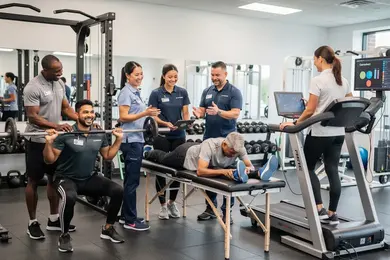
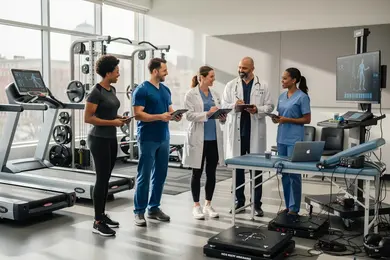
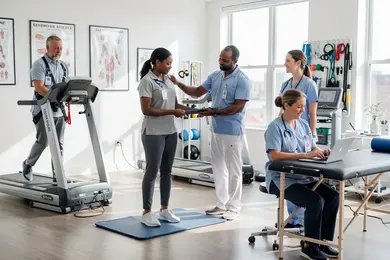
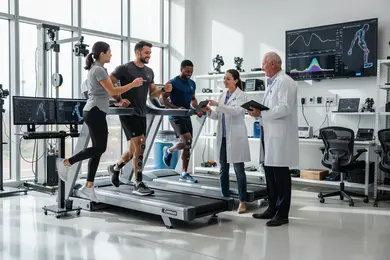
2027 Exercise Science Specializations That Best Match School and Athletic Program Roles

Co-Founder and Chief Data Scientist
Professionals entering exercise science often struggle to align their specialization with specific school or athletic program roles, where varying responsibilities demand distinct expertise. Navigating this mismatch is critical: the National Center for Education Statistics documented a 27% surge in adult enrollment in health-related programs since 2022, signaling a shift toward flexible pathways tailored for career changers and part-time learners. This trend emphasizes that selecting a specialization without considering role-specific skillsets and institutional needs risks prolonged credential acquisition and delayed workforce entry. This article analyzes the exercise science specializations best suited for different academic and athletic environments, enabling informed decisions that optimize employability and career progress.
Key Things You Should Know
- Specializations emphasizing data analytics and biomechanics yield 20% higher job placement in athletic performance roles, but require costly advanced certifications, delaying workforce entry by 12-18 months according to National Athletic Trainers' Association data.
- Employers in school settings prioritize candidates with an applied kinesiology focus, with 65% citing practical teaching experience as critical, pressing students to balance hands-on internships against purely research-based tracks.
- Timing tradeoffs are stark: accelerated 2-year exercise science programs lower debt but reduce exposure to sport-specific rehab competencies demanded by 54% of collegiate athletic programs in 2024 industry surveys.
Which exercise science specializations align best with common school and athletic department roles?
Employers in school athletic departments increasingly value exercise science specializations that directly address operational needs, not just theoretical knowledge. Exercise physiology remains foundational due to its focus on cardiovascular and muscular function, essential for managing student-athlete health and recovery. With a projected 10% growth in employment through 2032, this specialization offers steady demand and a median wage around $54,860. However, students should weigh the practical challenge of acquiring hands-on clinical experience to match employer expectations in educational sports contexts.
Sports performance training roles frequently require candidates who can design sport-specific conditioning without inflating injury risk-a clear priority for schools juggling tight athletic budgets. For instance, a high school athletic director aiming to enhance team conditioning should seek applicants with verifiable program design experience, often demonstrated through internships or certifications. This specialization's value lies in its dual capacity to boost performance and limit costly medical dependence.
Injury prevention and rehabilitation experts extend exercise science into physical therapy territory, addressing a frequent staffing gap in secondary schools lacking dedicated physiotherapists. Candidates with rehabilitation credentials provide critical support during recovery phases and help educate coaches on managing athletic loads safely. Familiarity with musculoskeletal anatomy and clinical assessment tools commonly influences hiring preferences here.
The best exercise science roles in educational sports departments also emphasize proficiency in data analytics and athlete monitoring technology, linking physical workloads to academic schedules. Prospective students exploring this field may benefit from considering an online exercise science degree that incorporates these evolving competencies.
What degree levels in exercise science are typically required for K-12 and college sports careers?
For K-12 coaching roles, a bachelor's degree in exercise science generally meets the minimum educational requirements, but employers heavily weigh hands-on experience and certifications. For instance, high school strength and conditioning coaches typically combine their degree with certifications like the Certified Strength and Conditioning Specialist (CSCS) to fulfill practical and compliance needs. This aligns with common exercise science degree requirements for K-12 coaching careers, where endorsements specific to coaching enhance employability within budget-constrained and less complex athletic programs.
At the collegiate level, especially within NCAA Division I and II contexts, a master's degree increasingly serves as a baseline for roles such as strength and conditioning coaches or sports performance specialists. This advanced education provides critical knowledge of biomechanics, physiology, and program design, alongside thorough training in regulatory compliance and injury prevention protocols. These requirements represent college sports exercise science education standards that limit advancement opportunities for those with only a bachelor's degree, placing them at a disadvantage without substantial certifications and experience.
Growth projections from sources like McPherson College citing BLS estimate a 14% increase in strength and conditioning employment over the coming decade, outpacing exercise physiology jobs. Understanding these trends helps prospective students evaluate the distinction between entry-level opportunities and the strategic value of graduate education or credential accumulation.
Deciding between immediate workforce entry and further education demands balancing practical experience, financial investment, and long-term career trajectory. Those interested in alternative pathways might explore a nutrition degree online, which may complement or diversify their athletic and health science skill set.
How do exercise science specializations differ for careers in coaching, athletic training, and strength and conditioning?
Choosing among exercise science specializations for coaching careers requires weighing distinct practical and professional demands. Coaching centers on sport-specific skill development, tactical leadership, and communication, often sidelining clinical training in favor of sport psychology and biomechanics. In contrast, athletic training mandates a clinical focus on injury prevention and rehabilitation, backed by rigorous state licensure and practicum experience. This path anticipates workforce growth, especially in schools and healthcare environments, where legal liability and immediate care expertise are non-negotiable.
Strength and conditioning roles diverge further by emphasizing exercise physiology and performance metrics over injury treatment, requiring specialized certifications and a scientific approach to physical optimization. Unlike coaching, these roles demand measurable fitness outcomes; unlike athletic training, they exclude clinical interventions. This delineation of responsibilities has concrete implications for employability and daily practice settings.
Students often face practical tradeoffs: coaching offers broader leadership roles with less medical rigor; athletic training involves intensive credentialing with clinical duties; strength and conditioning strikes a balance but limits scope to performance enhancement. Employers typically expect certified trainers for onsite medical care, coaches for strategy, and strength coaches for boosting athletic output efficiently.
For those exploring the field, integrating knowledge from a library degree can provide valuable research skills supporting evidence-based program design.
What courses and practical experiences prepare exercise science majors for school-based athletic program roles?
Effective preparation for school-based athletic roles demands that exercise science majors integrate rigorous coursework with applied, supervised experience tailored to adolescent athletes. Essential courses include kinesiology, sports physiology, biomechanics, and exercise prescription, emphasizing human movement and injury prevention specifically for youth populations. Practical experience requirements for exercise science majors in school sports settings depend heavily on internships or clinical practicums within school athletic departments or local youth sports. These immersive environments train students to translate theoretical knowledge into managing diverse, developing bodies under real-world conditions.
In the typical setting of public school athletics, program planners must navigate constraints such as limited resources and tight academic schedules. This reality means graduates must be proficient in crafting sport-specific conditioning plans that balance biomechanics with flexible scheduling. Employers in these settings value certifications in AED operation and First Aid/CPR combined with solid theoretical foundations. Additionally, courses in psychology and communication enhance the capacity to motivate adolescent athletes and collaborate with coaches, parents, and healthcare providers-skills that are indispensable in school athletic contexts.
The median annual wage for exercise physiologists reported by the U.S. Bureau of Labor Statistics reached $54,860, but regional disparities reflect funding challenges across school sports programs. The emphasis on concussion protocols, rehabilitation, and nutrition is critical because immediate injury management in schools requires responsiveness beyond textbook learning.
Candidates should expect to blend lab-based measurements with fieldwork, regularly updating training protocols to suit dynamic, real-time needs. For those considering a strategic educational pivot, exploring the shortest online nurse practitioner program may offer complementary healthcare expertise alongside exercise science education methods for school athletic programs.
How do online exercise science programs compare with campus-based options for sports-related careers?
Hands-on experience remains the defining factor separating campus-based and online exercise science programs, especially for roles focused on strength and conditioning that earn between $60,527 and $84,575 according to National Strength and Conditioning Association data cited by Central Michigan University. Critical skills such as physical assessments, injury prevention, and live athlete monitoring require direct supervision and practice, which campus programs facilitate through labs, certified internships, and mentorships-all aligning with employer expectations in collegiate and professional sports settings.
Online programs deliver theoretical knowledge comparable to campus offerings but place the burden of securing quality practical experience on the student, often slowing readiness for competitive positions. For example, an aspiring university strength coach should carefully consider programs with guaranteed onsite practicum placements rather than fully virtual options to meet hiring standards.
Professionals balancing work and study may choose online options for flexibility and geographic independence, but this reduces immediate networking opportunities embedded in campus environments. They must proactively build relationships remotely and pursue relevant certifications beyond coursework to remain competitive.
Employers prioritize candidates with verified applied skills, so supplementing online study with practical experience is non-negotiable. Ultimately, students must weigh convenience against the necessity for clinical skill development and workforce immersion critical for navigating exercise science careers in 2026.
Which accreditations and program quality indicators matter most for exercise science degrees?
Employers in clinical rehabilitation and healthcare fields disproportionately favor exercise science graduates from CAAHEP-accredited programs due to their adherence to rigorous clinical competence standards. This accreditation ensures curricula integrate supervised clinical hours that validate hands-on skills essential for hospital-based rehab and patient assessment roles. Graduates from non-accredited or theory-heavy programs often face barriers as they lack verified practical experience, limiting immediate employability despite comparable academic knowledge.
Given a projected 10% job growth in exercise physiology over the next decade, program choice directly influences market readiness. Beyond accreditation, candidates benefit from faculty engaged in current research or clinical trials in exercise physiology and biomechanics, which fosters exposure to emerging methodologies critical for roles in sports science departments or athletic performance optimization.
Students seeking flexible delivery modes must scrutinize how hybrid or remote programs maintain experiential training quality, as employers evaluate clinical preparedness stringently. Important decision factors include:
- Program affiliation with CAAHEP and its impact on graduate recognition.
- Availability and supervision of internships or clinical rotations.
- Faculty credentials and active research participation.
- Retention and graduation rates reflecting sustained student support.
Aligning program selection with these operational realities helps avoid tradeoffs that could delay credentialing or reduce job prospects within the expanding exercise physiology workforce.
What are typical admission requirements, program length, and tuition costs for exercise science majors?
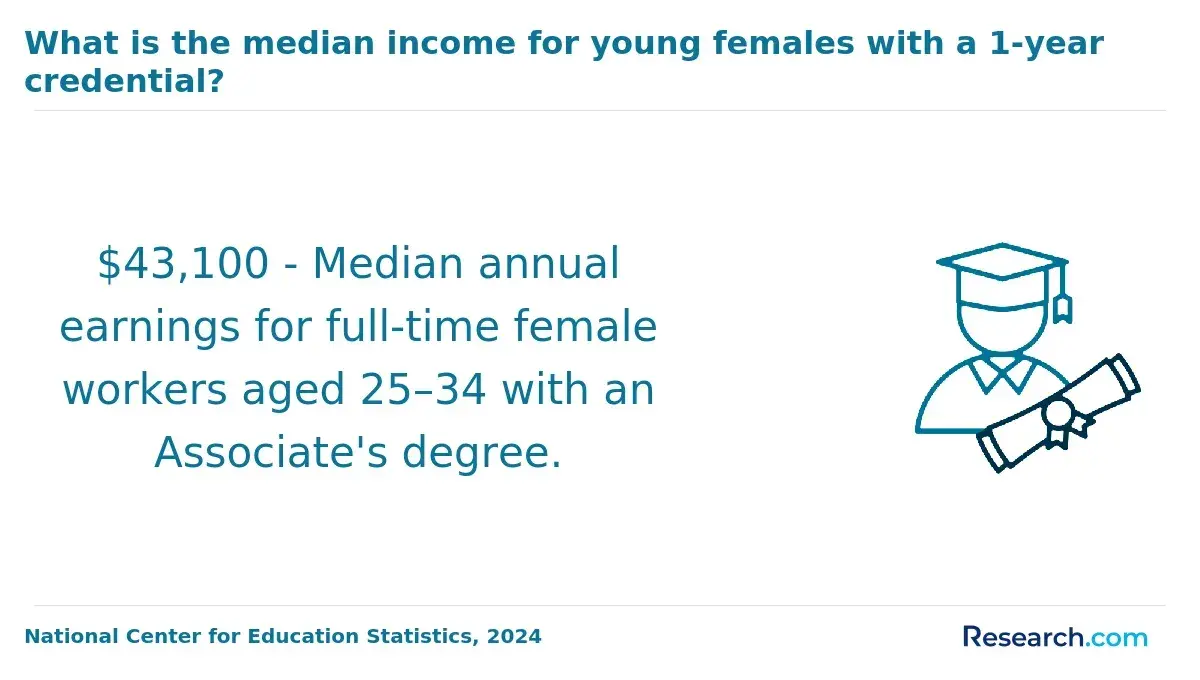
Admission to exercise science programs requires more than just meeting GPA thresholds-candidates must navigate prerequisite coursework in biology, chemistry, and math, reflecting the field's rigorous scientific basis. While some programs still request SAT or ACT scores, many have shifted to test-optional policies, shifting the emphasis toward academic history and relevant competencies. Choosing between a traditional four-year bachelor's degree and accelerated or associate pathways hinges on balancing time investment against depth of clinical or applied experience, as employers prioritize hands-on skills alongside academic credentials.
Tuition costs vary significantly: in-state public institutions generally charge $10,000 to $20,000 annually versus $30,000 or more for out-of-state or private schools. These financial considerations are critical when factoring in 14% job growth for fitness trainers and instructors, pointing to robust but regionally variable demand. For applicants aiming at public school athletic programs with constrained budgets, lower-cost universities combined with flexible scheduling may offer a more realistic employment timeline and debt management strategy.
Additional expenses-certification exams, liability insurance, and internships-can extend financial and time commitments. Workforce expectations emphasize practical clinical or fieldwork completed within degree programs, making experiential learning a decisive factor in employability. Program length and cost directly influence a graduate's time-to-employment and long-term financial outcomes, requiring candidates to weigh immediate educational investment against achievable career trajectories.
What certifications and licenses are needed for school coaches, athletic trainers, and strength coaches?
School-based sports roles demand credentialing that directly influences employability and legal compliance. Coaches face state-driven licensing rules, often requiring sport-specific safety training like CPR and concussion management, alongside completion of NFHS modules to satisfy district mandates. These credentials are foundational to working within K-12 athletics.
Athletic trainers encounter steeper barriers since their certification hinges on graduating from a CAATE-accredited program and passing the Board of Certification (BOC) exam, followed by variable state licensure requirements. Without these, job opportunities at recognized schools are minimal due to regulatory and safety oversight.
Strength coaches' certifications reflect program sophistication. While NSCA certification is common, advanced roles typically require the Certified Strength and Conditioning Specialist (CSCS) credential, which demands a bachelor's degree and exam success. Unlike athletic trainers, state licenses are rare, but professional certification remains a key employability factor.
Consider a scenario where a mid-career professional pivots into school strength coaching: opting for CSCS certification entails balancing the cost and time of degree completion against enhanced hiring prospects and program credibility. The anticipated growth in the sports and entertainment sector underscores rising competition, pressuring schools to prioritize officially certified and licensed personnel to mitigate liability and ensure athlete safety.
What are the salary ranges and job outlook for exercise science careers in school and collegiate athletics?
Salary benchmarks in exercise science roles within schools and collegiate athletics reflect a clear tradeoff between entry-level accessibility and long-term financial upside. Fitness trainers and instructors, with a median annual wage near $46,480 (U.S. Bureau of Labor Statistics), represent accessible roles requiring less specialized training but limited salary growth. Athletic trainers in educational settings generally earn $40,000 to $60,000, influenced heavily by geography and institutional resources.
Advancement into positions like strength and conditioning coaches or sports performance specialists can push salaries toward $50,000-$85,000, especially within Division I programs where advanced certifications and deep experience are prerequisites. Smaller colleges frequently constrain pay scales and career mobility, demanding that aspiring professionals weigh the cost and duration of additional credentials against delayed earnings.
Job growth projections remain modest but stable through 2030, reflecting steady demand driven by greater emphasis on fitness and injury prevention. Competition intensifies this landscape, making internships and targeted networking critical for securing roles aligned with career ambitions.
Choosing lower-paying wellness coach positions can yield essential field experience but caps long-term financial progress. Conversely, investing in graduate education and certification expands opportunities in competitive markets but postpones income.
How can students choose the right exercise science specialization for their desired athletic program role?
Selecting a specialization within exercise science requires weighing the distinct demands of clinical versus administrative athletic roles. For instance, aspiring sports facility managers must prioritize leadership, facility operations, and risk management courses, which differ substantially from the hands-on clinical knowledge required for exercise physiologists. Focusing on human anatomy, physiology, and rehabilitation sciences directly supports developing effective conditioning and recovery protocols. Employment projections for exercise physiologists indicate a 10% growth rate through 2032, signaling steady demand in health promotion and sports performance sectors.
Students face practical hurdles such as licensure, certification, and securing internships in competitive environments, often influenced by geographic availability. Those targeting clinical roles should seek programs with established partnerships offering supervised practical experience, increasing workforce readiness. Administrative tracks benefit from supplementing exercise science coursework with business or sports management studies to meet employer expectations for strategic planning and communication.
Employer requirements diverge notably between roles, with certification and continuing education critical for athletic trainers and physiologists, while managerial positions demand organizational leadership skills. A real-world example is a collegiate athletics candidate who balances advanced biomechanics with administrative competencies to align with dual performance and operational needs. Evaluating program outcomes, including graduate employment success and labor market data from sources like the Bureau of Labor Statistics, is essential for informed specialization decisions.
Other Things You Should Know About Exercise Science
Choosing between clinical and non-clinical exercise science specializations affects job roles and employer expectations significantly. Clinical tracks often prepare students for medical rehabilitation and demand licensing, limiting immediate entry into athletic program roles. Non-clinical focuses like strength and conditioning or sports performance align better with school and collegiate athletics but may offer narrower advancement without additional certifications. Prioritize non-clinical paths if your goal is direct employment in athletic departments, as they emphasize practical application over healthcare procedural knowledge.
Internships have a greater impact on employability in school and athletic settings than most academic coursework alone. Employers value candidates who demonstrate real-world skill application, familiarity with team dynamics, and exposure to athletic program operations. Students without strong internship or practicum experience face longer job searches or entry-level roles with limited responsibilities. Prioritize programs that integrate substantial fieldwork; academic coursework provides theory but rarely substitutes for practical competence in training or athlete monitoring.
Yes. Many school and collegiate athletic roles require CPR, AED, and first aid certification before hire or during the first month on the job. Some states also require concussion training and bloodborne pathogens training, and employers usually want certifications from the American Red Cross or American Heart Association.
Advancement beyond entry-level roles in athletic departments increasingly requires graduate degrees, particularly in exercise science-related disciplines. Positions involving program design, leadership, or research demand master's-level credentials to meet institutional standards and employer expectations. Bachelor's degrees may suffice for assistant or technician roles but limit upward mobility. Candidates aiming for leadership or specialized roles should prioritize master's programs aligned with their target settings to improve competitiveness and professional scope.
References
- Exercise Science Careers: Paths with Degrees https://www.fitnessmentors.com/exercise-science-careers/
- Exercise science program accredited by national organization | Lipscomb University https://lipscomb.edu/news/exercise-science-program-accredited-national-organization
- Exercise science: What exactly is it? https://www.scienceforsport.com/exercise-science/
- Study Sports Science in Poland - Study in Poland https://studyinpoland.biz/programs/study-sports-science-in-poland/
- What can I do with an Exercise Science degree? https://www.coloradomesa.edu/iris/explore-majors/what-can-i-do-with-an-exercise-science-degree.html
- CSCS Certification | Certified Strength & Conditioning Specialist https://www.nsca.com/certification/cscs/
- Exercise Physiologist Career https://explorehealthcareers.org/careers/sports-medicine/exercise-physiologist/
- Kinesiology Program Quality Indicators | Washburn University https://www.washburn.edu/academics/college-schools/arts-sciences/kinesiology/quality-indicators.html
- ESSA's career guide for Accredited Exercise Physiologists https://www.essa.org.au/Web/Web/Resources/Tools-and-templates/ESSA-AEP-Guide.aspx
- TAKE YOUR CAREER TO THE NEXT LEVEL https://www.ncsf.org/strength-coach/