2027 Online Exercise Science Degrees for School and Athletic Program Roles

Co-Founder and Chief Data Scientist
Working professionals aiming to transition into school or athletic program roles in exercise science face a critical barrier: balancing demanding schedules with obtaining necessary credentials. Nearly 45% of students in postsecondary programs now pursue online formats, according to the National Center for Education Statistics, signaling a significant shift toward flexible learning.
This reflects growing employer acceptance of online degrees but also raises questions about program quality and hands-on experience crucial for career readiness. Navigating the diversity of program structures, accreditation, and practical integration challenges requires informed choices.
This article analyzes current online exercise science degrees tailored for education and athletics, helping candidates align learning pathways with realistic career trajectories.
Key Things You Should Know
- Online exercise science degrees in 2026 face accreditor scrutiny tightening, with 23% of programs flagged for insufficient clinical practicum hours, forcing candidates to seek costly internships impacting enrollment timing and budgets.
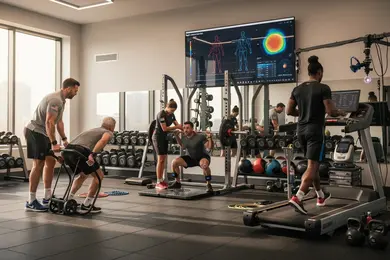
- Employers increasingly prioritize candidates with hybrid clinical and data analytics training; 68% of school and athletic programs prefer graduates demonstrating proficiency in wearable-tech metrics, reshaping core curriculum demands.
- Median regional salary disparities of up to 22%, reported by the Bureau of Labor Statistics, require students to weigh online degree affordability against geographic job market viability when targeting school or athletic roles.
What is an online exercise science degree and how does it prepare you for school and athletic roles?
Successful application of an online exercise science degree requires careful evaluation of how well programs integrate applied experience with theoretical knowledge, particularly for roles in school and athletic settings. The practical value lies in preparing graduates to assess physical performance, design tailored rehabilitation and training protocols, and meet employer standards that emphasize measurable outcomes like injury prevention and athlete development.
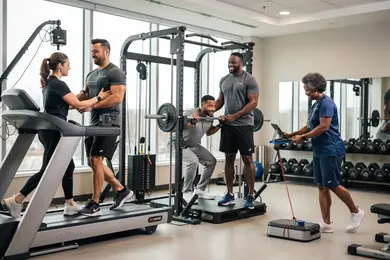
For example, professionals working in school programs leverage specialized knowledge to implement targeted interventions that support youth athletic growth and recovery. In athletic programs, career preparation through online exercise science degrees involves mastering advanced exercise prescriptions to enhance competitive performance and maintain athlete health over time.
These demand more than classroom theory, underlining the importance of accredited practicum availability and local clinical exposure.
Data from the National Center for Education Statistics shows over 31,000 exercise physiology bachelor's degrees awarded recently, indicating employer recognition of formal credentials in this field. However, the surge in degree production does not automatically guarantee practical readiness or alignment with workforce needs. Prospective students should analyze curricula for hands-on components and ensure that practicum experiences align with realistic job responsibilities.
Access flexibility often comes with online programs, but scrutinizing how schools facilitate supervised internships is essential. Balancing coursework with practical skill development is critical when pursuing a sports science degree online.
Are online exercise science degrees respected like campus programs for K-12 and athletics careers?
Employers in K-12 schools and athletic programs equate accredited online exercise science degrees with traditional campus degrees when practical experience is thoroughly documented. Hiring decisions pivot on verified competencies gained through internships or supervised clinical hours rather than on the degree's delivery format.
For example, a candidate with an online degree paired with coaching internships stands competitive for fitness trainer roles alongside campus-educated peers. This dynamic emphasizes that an online exercise science degree recognized for K-12 teaching careers must include robust applied components to align with hiring expectations.
Projected 14% growth for fitness trainers and instructors through 2033 outpaces average occupational expansion, increasing demand for qualified professionals who meet state or district certification standards. However, tradeoffs between online and in-person paths remain clear:
- Campus degrees often offer stronger networking and leadership preparation opportunities.
- Online programs provide flexibility, allowing working adults to continue employment during study.
- Some districts may still favor traditional degrees for specialized or senior roles given closer access to campus resources.
Decision-makers and students should verify accreditation, clinical placement support, and certification alignment in their chosen program to ensure career readiness. Graduates must proactively seek field experience to challenge perceptions of online study as less hands-on. This holds especially true when targeting K-12 or athletic program employers who demand verifiable practical expertise.
Those exploring career shifts through remote education can consult options like the ASN program model for comparison in comprehensive online sciences pathways, which illustrates how accreditation and applied elements shape employability across fields, including exercise science education for athletic program career opportunities with online exercise science education.
Which accreditation and program quality standards matter for online exercise science degrees?
Regional accreditation paired with program-specific adherence to Council on Accreditation of Allied Health Education Programs (CAAHEP) standards or equivalent bodies is the critical measure of quality and legitimacy for online exercise science degrees. Employers and licensing boards typically require this dual accreditation to verify that a candidate's education aligns with rigorous industry and safety standards, particularly for roles in school and athletic environments where certified hands-on skills are non-negotiable.
Graduates from programs lacking these accreditation standards for online exercise science programs often encounter restricted job prospects, especially in licensure-dependent roles such as high school athletic trainers. For example, entry to certified athletic training positions usually demands coursework meeting NATA's standards; failure to meet these prompts additional costly post-degree training and delays workforce entry.
Ensuring program quality criteria for online exercise science degrees includes verifying the presence of comprehensive applied learning opportunities like supervised internships or lab practicums that reflect current evidence-based practices. Core areas include physiology, biomechanics, and nutrition. Without these, graduates risk inadequate practical preparation that employers identify as skill gaps.
State licensure complexity also requires programs offering robust academic advising and licensure preparation resources to reduce regulatory barriers that frequently hinder candidate eligibility. Exercise physiologists, for example, earn a median wage 17% above the national median, demonstrating how investing in accredited, quality-verified programs directly affects career earnings and positioning.
Prospective students balancing affordability and quality may also find value in related fields such as library science; for those interested, detailed information on masters of library science online provides perspective on alternative accredited online degrees worth considering.
What admission requirements do online exercise science programs typically have for U.S. students?
Admission to online exercise science programs in the U.S. requires more than a high school diploma or equivalent with a minimum GPA between 2.5 and 3.0. This baseline reflects the field's STEM-related rigor and competitive applicant pools. Applicants must submit official transcripts and often standardized test scores like the SAT or ACT, though test-optional policies implemented since 2020 have eased access for non-traditional students.
Foundational coursework in biology, chemistry, and mathematics is typically required to ensure scientific preparedness, a critical factor in admissions emphasizing practical and theoretical readiness.
Typical application criteria for U.S. online exercise science degrees also include a statement of purpose or personal essay focused on specific career goals tied to school or athletic program roles. Letters of recommendation from educators or employers attesting to relevant aptitude improve candidacy, especially for programs prioritizing experiential learning. Some programs additionally conduct interviews or request video submissions to assess communication skills required for community-facing positions like athletic training or health coaching.
Students seeking positions in school or athletic environments must verify that their chosen program aligns with certification requirements from entities such as the National Strength and Conditioning Association (NSCA) or the American College of Sports Medicine (ACSM). Employer demand hinges heavily on these recognized credentials. Since women earned 58.9% of bachelor's degrees in exercise physiology in 2021-2022, admissions policies often consider diversity and inclusion to maintain balanced cohorts.
For those weighing advanced STEM-related health degrees, programs like the master of data science online illustrate parallel approaches in competitive, evolving disciplines.
What core courses and specializations are included in online exercise science curricula?
The practical value of online exercise science programs hinges on their ability to bridge theoretical knowledge with functional skill development critical to workforce demands. Core courses span anatomy, physiology, kinesiology, biomechanics, exercise physiology, and nutrition, but distinct career paths—such as high school athletic training or collegiate strength coaching—require targeted mastery of injury prevention, rehabilitation, and conditioning.
For instance, a high school athletic trainer must be proficient in rehabilitation protocols to ensure safe athlete recovery, while strength coaches rely heavily on biomechanics and conditioning expertise to enhance performance.
Online delivery compels programs to innovate with virtual labs or augmented reality to offset limited hands-on practice, a limitation that may influence employer confidence. Practical skill acquisition remains essential since many certifications and jobs mandate clinical or field internships; programs offering local internship coordination reduce barriers and improve graduate readiness.
Cost considerations favor online routes, with median per-credit tuition near $500 contrasting with average annual on-campus rates exceeding $19,000 at public and $45,000 at private institutions. This cost efficiency benefits mid-career professionals who must balance work and education. Prospective students should critically assess how curricula integrate specialization relevance, practical training, and internship access to ensure alignment with targeted employment settings.
How long do online exercise science degrees take and what do they cost to complete?
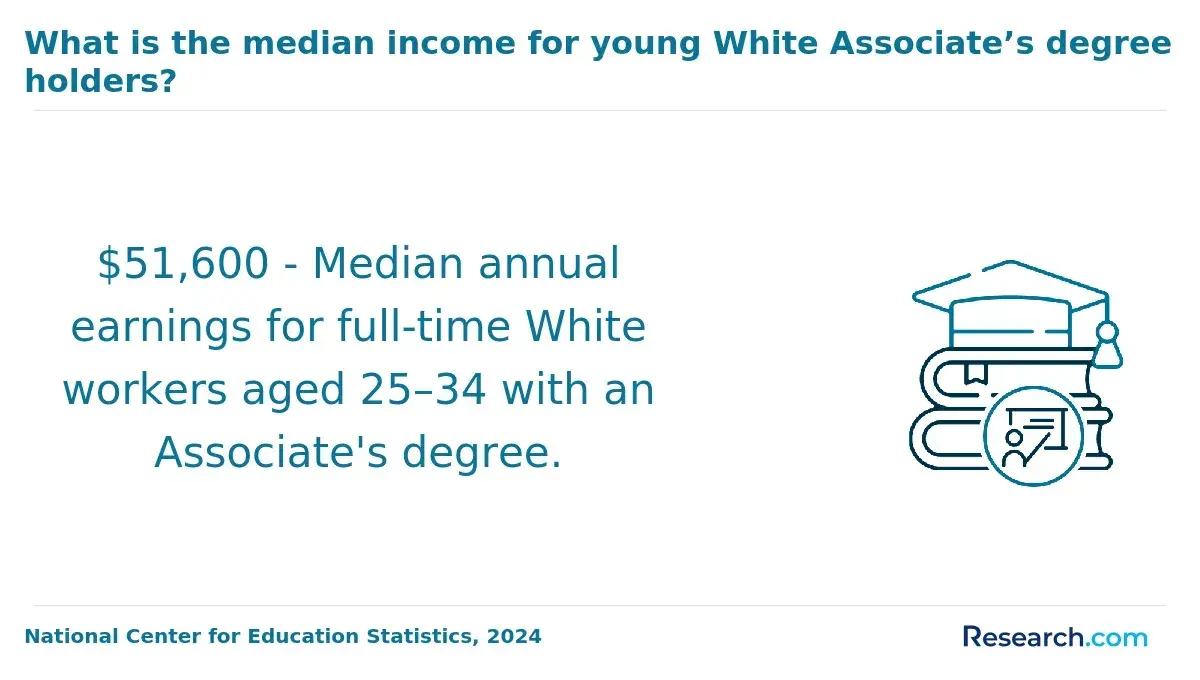
Choosing between an associate and a bachelor's degree in exercise science fundamentally shapes career options and earning potential. While an associate degree typically takes about two years and allows for quicker entry into the workforce, it limits advancement opportunities and median salaries in fields like clinical exercise physiology, where bachelor's graduates report median earnings near $58,470.
The conventional bachelor's pathway usually requires at least four years of full-time study, presenting a longer commitment but aligning better with employer expectations in educational and athletic settings.
Financially, tuition varies significantly: in-state public institutions may charge $5,000 to $15,000 annually, whereas private or out-of-state tuition often exceeds $20,000. Added costs for fees, textbooks, and certification exam prep should be considered. Students pursuing online degrees must also anticipate challenges securing clinical practicums and internships locally—essential hands-on components critical for licensure and job readiness.
Programs that integrate applied experiences with recognized certification preparations increase employability and return on investment. Employers in schools and healthcare often expect candidates to demonstrate both theoretical mastery and practical competencies, which can be compromised by programs lacking local internship access or robust clinical training.
Projected job growth of 11% to 14% through 2032 signals growing demand but also increased competition, emphasizing the tradeoff between educational depth, cost, and practical readiness.
What school-based and athletic program careers can you pursue with exercise science degrees?
Exercise science degrees prepare graduates for roles that require integrating specialized biomechanical and physiological knowledge with the unique demands of youth populations. For instance, a strength and conditioning coach in a high school setting must develop training programs that improve athletic performance while minimizing the risk of overuse injuries—a markedly different challenge than working with adults. This practical nuance affects daily job responsibilities and sets the stage for specific employer preferences.
The surge in exercise science bachelor's degrees (a 445% increase from 2002-03 to 2016-17) corresponds with heightened K-12 demand for expertise in concussion management, physical literacy, and youth health promotion.
Employers typically expect candidates to hold relevant certifications, which vary by state and role—such as board certification for athletic trainers and teaching credentials for physical educators—creating a tradeoff between core scientific expertise and external credential requirements.
Graduates entering school or community athletic programs benefit significantly from internship experience embedded in their educational path, as it aligns with employer expectations and builds critical skills beyond theory.
Additionally, effective communication and administrative competencies are necessary to navigate interdisciplinary environments involving school nurses, counselors, and compliance with safety standards.
What salary ranges and earning potential can exercise science graduates expect in school and athletic settings?
Entry-level salaries for exercise science graduates in school and athletic program roles usually range from $38,000 to $50,000 annually, with mid-career earnings rising to $50,000-$65,000 based on location, credentials, and employer type. For example, athletic trainers in school settings typically start near $45,000, whereas exercise physiologists or kinesiology coordinators with certifications and relevant experience can reach $55,000 or higher.
The modality of education-fully online, hybrid, or on-campus-also influences employability and salary prospects. Graduates who undertake hybrid programs incorporating clinical practicums tend to have stronger hiring outcomes and negotiation leverage than those completing purely theoretical online studies.
Several practical considerations affect salary trajectories: working in larger high school sports programs or collegiate athletic departments can push compensation over $60,000, while smaller school districts start at lower pay scales, often necessitating additional certifications or licenses for advancement. Geographic differences tied to regional funding and demand further complicate earning expectations.
Key strategies for improving salary prospects include:
- Pursuing specialized certifications such as Certified Strength and Conditioning Specialist (CSCS)
- Gaining hands-on experience through internships or clinical practicums
- Considering geographic mobility to access higher-paying positions
The 2024 Online vs. On-Campus Learning Outcomes data confirm kinesiology and exercise science degrees represent about 1.5% of U.S. bachelor's degrees. Students must weigh accessibility against employer preferences for practical experience when selecting programs to optimize long-term career impact.
What certifications or licenses are required or preferred for exercise science roles in education and athletics?
Certification requirements in exercise science vary sharply according to career focus, shaping both employability and earning potential more than the degree alone. In education and athletics, established credentials such as those from the American College of Sports Medicine (ACSM), National Strength and Conditioning Association (NSCA), National Academy of Sports Medicine (NASM), and American Council on Exercise (ACE) define the baseline expertise that employers expect.
For example, strength and conditioning coaches at competitive programs generally need an NSCA Certified Strength and Conditioning Specialist (CSCS) credential—without which, candidacy is often noncompetitive.
Licensure complexities impact educators and practitioners differently:
- K-12 and collegiate instructors must balance state teaching licenses with targeted exercise science certifications.
- Clinical exercise physiologists require clinical-specific credentials such as the ACSM Clinical Exercise Physiologist certification to qualify for rehabilitation roles.
- Athletic trainers face robust licensing demands through state boards and Board of Certification (BOC) accreditation.
This fragmentation means that strategic credential stacking aligns more closely with real-world job demands than a general exercise science degree. Failing to differentiate between roles can result in credential gaps that restrict hiring opportunities and wage growth.
Employment data from 2026 reflects these distinctions, showing certified exercise science professionals in specialized roles earn between $60,000 and $80,000 annually after sustained experience, validating the return on investing in targeted certifications rather than broader but less differentiated academic credentials.
How can you evaluate and choose a reputable online exercise science program for your goals?
Programs in exercise science must be vetted for accreditation by regional or national bodies recognized by the U.S. Department of Education or CHEA to ensure their curriculum aligns with employer expectations and licensure standards. For roles such as athletic trainer or strength and conditioning specialist, practical experience is non-negotiable.
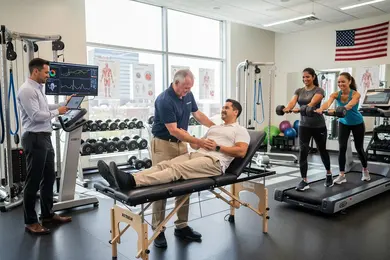
Students should confirm that supervised internships or clinical placements are embedded in the program and verify state-specific licensing requirements and partnerships with local schools or sports organizations to secure relevant practicum opportunities.
Faculty qualifications also directly influence program quality. Instructors actively engaged in current certifications, research, and applied work signal an updated curriculum responsive to evolving industry demands. This is critical given employment projections from the Bureau of Labor Statistics, which estimate 6-14% growth in exercise-related occupations through 2032, reflecting steady market demand combined with shifting skill sets.
Delivery formats—whether synchronous, asynchronous, or hybrid—must accommodate personal scheduling needs without compromising interaction or content rigor. Transparent graduate data on certification pass rates, employer networks, and job placements provide meaningful indicators of a program's ability to translate education into workforce outcomes.
Finally, tuition and fees should be evaluated in relation to the expected return on investment, particularly for professionals pursuing mid-career pivots or aiming to assume leadership in athletic or school program roles.
Other Things You Should Know About Exercise Science
In 2027, online exercise science degrees often incorporate virtual labs, video demonstrations, and local internships to ensure students gain essential hands-on skills. Some programs partner with schools and athletic facilities to provide real-world experience, ensuring graduates are well-equipped for roles in school and athletic environments.
Employers often place equal value on degree completion and relevant experience but remain cautious about purely online degrees lacking verified in-person training. Candidates with a combination of online education and documented internship or volunteer experience in school athletics fare better in hiring. Choosing programs that facilitate supervised real-world experience alongside online coursework can mitigate employer skepticism and enhance job prospects.
Most programs require a practicum or internship, often 100 to 300 hours, completed in a school, athletic department, or approved fitness setting. Students usually need a site supervisor, university approval before placement, and documented evaluations to verify hands-on competency in coaching, testing, or activity programming.
Balancing online coursework with work or personal commitments requires disciplined time management, especially given the technical and physical knowledge demands. Programs that offer asynchronous classes with flexible deadlines reduce scheduling conflicts but still necessitate consistent self-motivation. Prospective students should realistically assess their ability to commit hours weekly to study and fieldwork without compromising job performance or family responsibilities.
References
- ESSA's career guide for Accredited Exercise Physiologists https://www.essa.org.au/Web/Web/Resources/Tools-and-templates/ESSA-AEP-Guide.aspx
- Exercise Science | York College of Pennsylvania https://www.ycp.edu/academics/programs/exercise-science
- Exercise Sciences https://www.caahep.org/committees-on-accreditation/exercise-science
- Online Exercise Science Program https://stmary.edu/online-programs/exercise-science.html
- What Can You Do with an Exercise Science Degree? https://www.cune.edu/news/what-can-you-do-exercise-science-degree
- Exercise science: What exactly is it? https://www.scienceforsport.com/exercise-science/
- Exercise science program accredited by national organization | Lipscomb University https://lipscomb.edu/news/exercise-science-program-accredited-national-organization
- 2026 Best Online Exercise Science Degrees https://www.onlineu.com/degrees/exercise-science
- Exercise Physiologist https://acsm.org/certification/get-certified/exercise-physiologist/
- Online Exercise Science Degrees: Top School Review https://www.edumed.org/online-schools/exercise-science-degrees/