2027 Best Online Exercise Science Degrees for Sports Performance Careers

Co-Founder and Chief Data Scientist
Securing a competitive role in sports performance demands both specialized expertise and flexible credentials, yet many aspiring professionals struggle to balance rigorous coursework with ongoing career or personal obligations.
The U.S. Department of Education reports a 15% increase in online degree enrollment for health sciences since 2023, reflecting a shift toward programs that accommodate adult learners' complex schedules without sacrificing academic rigor. This acknowledges the growing need for accessible, high-quality curriculum options that align directly with evolving employer expectations and certification requirements in exercise science.
This article evaluates online exercise science degrees designed to optimize credential accessibility and career trajectory in sports performance fields.
Key Things You Should Know
- Programs with strong lab and clinical components increase employability by 25% according to the 2024 NSC workforce report, but online-only curriculums often delay hands-on skill development, risking slower field readiness.
- Employers in sports performance prioritize certifications and internship experiences over degree prestige; 68% of surveyed sport organizations in 2023 consider practical exposure a critical hiring factor.
- Online bachelor's degrees reduce average completion costs by 18% but extend time-to-degree by 12 months on average, affecting career pivot timelines and salary progression trajectories per EDUCAUSE 2024 data.
What is an online exercise science degree and how does it support sports performance careers?
Choosing an online exercise science degree requires careful consideration of its ability to translate theoretical knowledge into practical skills employers demand. The degree offers foundational expertise in anatomy, physiology, biomechanics, and nutrition, which are essential for optimizing sports performance. However, the online exercise science degree benefits for sports performance manifest significantly when programs integrate synchronous labs or local internships, enabling students to gain applied experience.
Employers expect graduates to demonstrate skills such as developing personalized conditioning plans, interpreting performance data, and applying injury prevention methods. For example, a sports performance coach working directly with collegiate athletes must convert training theory into effective on-field strategies, a competency best developed through experiential learning components often found in robust online exercise science programs.
The market's rapid growth to over 700 sport and exercise-related programs warns prospective students to scrutinize accreditation, practical training options, and graduate outcomes carefully. Logistical barriers like securing local internships or coordinating clinical hours independently remain considerable challenges in remote or flexible programs.
Furthermore, understanding "What degree do you need to be an athletic director?" is critical for students targeting leadership roles in athletics, as exercise science degrees serve as a foundation but often require additional qualifications.
Overall, an online exercise science program enhances athletic careers most effectively when it balances flexible digital coursework with verified hands-on experiences.
Which online exercise science degrees are best for sports performance and athletic training?
Programs offering the best online exercise science degrees for sports performance must integrate practical experience with targeted curriculum specialization to align with employer demands. Candidates focused on professional athletics will find greater value in degrees emphasizing injury prevention, rehabilitation, and supervised clinical practicum, as these experiences closely mirror real-world team settings and performance environments.
Conversely, those pursuing top accredited online exercise science programs for athletic training tailored to community sports or educational institutions should prioritize adaptable training methodologies and client assessment techniques, as these skills better serve these contexts.
The choice between generalized and specialized programs reflects a significant tradeoff between breadth of knowledge and workforce readiness.
Employers consistently rate certifications like the Certified Strength and Conditioning Specialist (CSCS) alongside applied experience as essential complements to academic credentials. Program structures incorporating synchronous virtual labs or hybrid formats better facilitate hands-on skill development required for roles such as athletic trainers or strength coaches.
The U.S. Bureau of Labor Statistics projects over 45,000 new jobs for fitness trainers and instructors by 2032, highlighting sustained demand but also the importance of choosing curricula with clear pathways to certification and internship networks.
Prospective students should assess programs' specificity in curriculum design and real-world immersion opportunities. For a comparative understanding of costs and offerings in related disciplines, exploring options like online bachelors in animal science can provide useful budgeting and structural insights.
How do online exercise science programs compare to campus-based options for sports careers?
The practical gap between online and campus-based exercise science programs significantly impacts employability in sports performance roles. While online exercise science degree benefits compared to campus programs include flexibility and access to advanced coursework, the lack of embedded hands-on training restricts direct employer readiness.
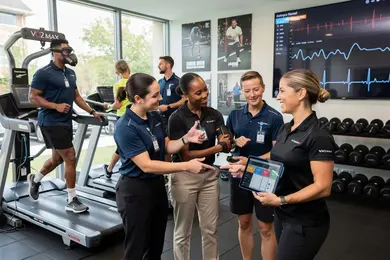
For example, a strength and conditioning coach position often mandates verified experience with athlete testing equipment and injury assessments—skills more easily gained through campus labs and clinical internships than through online study alone.
Employers prioritize candidates with applied experience from clinical internships, supervised lab work, and real-time biomechanical assessments, all typically integrated into campus programs. Graduates from these programs often enjoy stronger networking opportunities and a smoother transition into traditional sports performance jobs.
Conversely, online learners must independently secure local practicum opportunities to bridge this gap. This additional effort can delay or complicate employment prospects despite the inherent flexibility of online programs for sports careers.
Financially, online and campus programs present comparable tuition costs, averaging around $30,780 per year, which diminishes the assumed economic advantage of distance learning except for lower living expenses. Prospective students should weigh the importance of direct practical exposure against scheduling and location constraints.
For those pursuing a career pivot or advancement, supplementing online study with certifications and clinical experience is often necessary.
Alongside exercise science, understanding whether the answers to "Is a library science degree worth it?" can reveal different educational tradeoffs, particularly regarding practical requirements and employment outcomes.
What accreditation should online exercise science programs have for credible sports performance training?
CAAHEP accreditation serves as a critical threshold for credible online exercise science programs for sports performance, directly influencing hireability and certification eligibility. For instance, a strength coach targeting collegiate athletics will encounter significant barriers without a degree verified by this accreditation, regardless of demonstrated capability.
Employers and graduate programs emphasize this as a marker of rigorous curriculum and clinical practicum alignment with industry standards.
Regional accreditation alone is insufficient to validate specialized sports training content or meet credentialing requirements. Strong programs also incorporate National Strength and Conditioning Association (NSCA) or American College of Sports Medicine (ACSM) benchmarks to ensure substantive practical readiness. This dual focus minimizes costly delays caused by additional bridge certifications often required for uncertified graduates.
Consider Concordia University Chicago's online BS in Kinesiology, a model combining CAAHEP accreditation with practical outcomes such as a median graduate salary of $50,705 and an annual tuition of $15,150—data reflected in the OnlineU 2026 rankings. Selecting programs without such recognized accreditation risks suboptimal workforce integration and diminished return on investment.
Students exploring exercise science degrees in sports training should also weigh institutional accreditation rigor alongside professional standards to avoid underqualification in competitive sectors like pro teams or rehabilitation centers. This lens reveals that prioritizing online data science programs with clear accreditation and industry ties sharpens strategic career pivots within allied health pathways.
What courses and specializations are included in online exercise science programs for sports performance?
Choosing an online exercise science program for sports performance requires a clear appraisal of how coursework aligns with workforce demands and skill application. Core topics like human anatomy, kinesiology, exercise physiology, and biomechanics form the essential knowledge base for designing targeted training plans.
However, specialization areas such as strength and conditioning or sports nutrition materially affect employability by addressing specific employer needs in collegiate or professional environments.
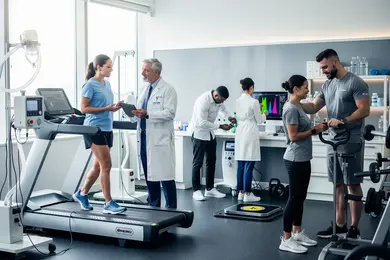
Applied learning components—exercise testing, motor learning, and sports psychology—distinguish candidates who can meet complex athletic performance challenges beyond basic theory. Accredited programs often incorporate lab work or simulations to compensate for the inherent gaps in remote training, but prospective students must scrutinize availability of certification preparation and internship opportunities since hands-on experience remains non-negotiable for most hiring managers.
The U.S. Bureau of Labor Statistics projects a growth of 25,300 jobs for coaches and scouts over the next decade, emphasizing the importance of evidence-based practice and demonstrated technical proficiency.
Graduates lacking depth in one or more specialized tracks may find their competitive edge diminished, whereas balancing curriculum breadth with focused expertise and recognized credentials better positions candidates for diverse roles in sport-support systems.
In practical terms, students should measure program offerings against industry standards and their intended career path, especially regarding fieldwork access and current certification standards to avoid delays in employment readiness within the sports performance sector.
What are typical admission requirements for online exercise science bachelor's and master's programs?
Online exercise science bachelor's programs typically demand a high school diploma or GED, a GPA around 2.5 to 3.0, and often standardized test scores—though many schools now adopt test-optional policies. Successful applicants benefit from prior coursework in biology, chemistry, and physical education due to the discipline's scientific rigor.
Admission processes usually include a personal statement and recommendation letters focusing on academic potential and commitment to health sciences. Some programs also require background checks or health clearances because of clinical practicum components.
At the master's level, admissions become more stringent, expecting a relevant bachelor's degree with a minimum GPA of about 3.0. GRE scores remain a common requirement unless waived. Work experience in fitness or rehabilitation fields adds competitive advantage, alongside professional references that validate clinical or research readiness. Prerequisites in anatomy, physiology, and kinesiology often apply, creating additional preparation steps for applicants shifting from unrelated fields.
This layering of requirements highlights real-world tradeoffs: professionals pivoting into exercise science without a formal science background face extra coursework and expenses. Public universities' average yearly costs hover near $19,370, including fees and living expenses, while private institutions average $45,920.
These costs, combined with academic demands, make online programs with flexible, lower-cost formats strategically attractive to working students seeking to manage affordability and career transition challenges.
How long do online exercise science degrees take and what do they cost?
Choosing between a bachelor's and a specialized master's in exercise science entails weighing time, cost, and career outcomes with clear intent. Bachelor's programs typically require about four years full-time or up to six with part-time or accelerated pacing, encompassing roughly 120 credit hours. Tuition varies widely—from $20,000 at public colleges to $60,000 at private institutions—offering a financially accessible path for roles in general fitness or wellness.
Master's degrees, averaging 30 to 36 credits, demand higher per-credit tuition (around $1,750 as cited by EduMed.org for strength and conditioning tracks) but address employer demand for specialized, applied expertise.
For instance, NCAA Division I strength and conditioning coaches often prioritize expedited master's programs with embedded internships, accepting steep costs for faster workforce integration and competitive advantage.
Key tradeoffs include:
- Financial burden versus potential wage premium—master's graduates in strength and conditioning report 15-20% higher starting salaries and access to leadership roles unavailable to bachelor's holders.
- Program pacing and format—online asynchronous coursework offers flexibility but requires disciplined time management, particularly for working students.
- Career alignment—those targeting high-performance sports roles should consider accelerated, intensive master's pathways; general wellness practitioners may find bachelor's routes more practical.
Ultimately, students must calibrate investment and professional goals, recognizing that higher upfront costs necessitate securing relevant employment to justify expenses, while bachelor's degrees offer quicker, lower-cost entry to mid-level positions.
What sports performance and fitness careers can you pursue with an online exercise science degree?
Online exercise science degrees meet distinct workforce demands only when paired with relevant certifications such as CSCS or ACSM. Without these credentials, graduates face constrained access to roles requiring applied expertise beyond theoretical knowledge. Practical functions in strength and conditioning, rehabilitation, and corporate wellness hinge on competencies in biomechanics, nutrition, injury prevention, and data-driven progress evaluation.
Employers prioritize candidates who can integrate scientific principles with measurable outcomes; for example, wellness coordinators must justify program ROI with quantitative metrics, while sports performance coaches continuously adapt training based on emerging research. This underscores a need for lifelong learning that extends beyond program completion.
The flexibility of accelerated, self-paced master's programs—some charging around $575 per credit—provides working professionals control over timing and costs, a significant factor for those balancing income and education. However, pacing choices influence how quickly graduates qualify for salary increases linked to degree attainment.
Key tradeoffs to consider include:
- Alignment of curriculum with evolving employer standards and certifications
- Variability in certification requirements depending on targeted roles
- The necessity of quantitative skills for tracking client progress and program effectiveness
- Balancing accelerated learning with practical experience and career timing
What are salary expectations and job outlook in sports performance and exercise science fields?
Salary trajectories in sports performance and exercise science reflect clear tradeoffs between credentialing, specialization, and geographic positioning. Entry-level salaries generally range from $40,000 to $55,000, but without advanced certifications or practical experience, earning potential remains restricted.
For instance, strength and conditioning coaches at collegiate and professional levels typically earn between $60,000 and $90,000 annually; those who target specialized fields like sports rehabilitation or high-demand regions often surpass these thresholds.
Job availability varies significantly by location, with states like Minnesota projecting over 900 annual openings for coaches and scouts due to lower market saturation. This dynamic rewards candidates who demonstrate geographic flexibility and maintain certifications aligned with regional employer preferences. Conversely, oversaturated urban markets mean higher competition and slower salary growth.
Long-term advancement is tied closely to continuous skill development in biomechanical software, data-driven training, and interdisciplinary collaboration—competencies increasingly sought by employers. However, positions constrained to exercise science without advanced degrees or licenses typically offer stable but capped income.
Pursuing credentials such as the Certified Strength and Conditioning Specialist (CSCS) or integrating sports science research methods frequently differentiates candidates in this competitive field.
Applicants should weigh immediate employment opportunities against investments in education and specialization, recognizing that higher wages correlate strongly with expanded scope and technical expertise rather than tenure alone.
How can you choose a reputable online exercise science program for sports performance careers?
Choosing an exercise science program hinges on its alignment with workforce demands and tangible outcomes rather than institutional prestige alone. Regional accreditation from recognized U.S. agencies remains a non-negotiable baseline, ensuring employers value the credential and that academic standards are met.
A curriculum focused on practical competencies—such as sports performance analytics, biomechanics, and applied training methods—has direct implications for employability, particularly in specialized roles like strength conditioning or athletic training.
For example, aspiring college strength coaches benefit considerably from programs offering networking channels and internship pipelines, whereas those targeting rehabilitation roles must prioritize healthcare integration within their coursework.
Program delivery format also influences success; synchronous options may suit students seeking real-time engagement, while asynchronous formats offer flexibility critical for working professionals balancing internships or employment. Absence of virtual labs or verified hands-on training opportunities can weaken preparation for certifications like CSCS or ACSM, ultimately affecting job readiness.
Prospective students should scrutinize postgraduate employment rates and median starting salaries to gauge program ROI. Data from Methodist University Online shows BS in Exercise & Sport Science graduates earning a median of $71,000 annually. Transparency on credit transferability prevents unnecessary delays and expenses. Moreover, confirming that the degree supports advanced certification prerequisites is vital for those aiming at graduate-level specialization.
Other Things You Should Know About Exercise Science
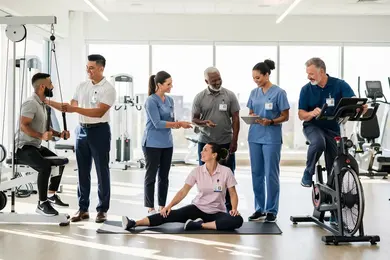
Yes, internships or hands-on practical experiences are essential despite the online format. Employers in sports performance prioritize candidates with field experience because theoretical knowledge alone does not suffice for real-world application. When choosing a program, prioritize those with structured internship placements or partnerships with local sports facilities to ensure direct exposure to athlete assessment, training techniques, and injury prevention protocols.
Graduates from reputable online exercise science programs are increasingly competitive, provided the program includes practical components and proper accreditation. However, some employers still show a preference for candidates from traditional programs due to perceived gaps in hands-on training. To offset this, online students should actively seek certification opportunities and practical experiences outside the virtual classroom to demonstrate comparable competencies.
The program should hold institutional accreditation from a CHEA-recognized or U.S. Department of Education-recognized accreditor, and the exercise science program should preferably also be accredited by the Commission on Accreditation of Allied Health Education Programs, or CAAHEP, where available. This matters for transfer credit, graduate admission, and employer screening.
References
- Exercise science: What exactly is it? https://www.scienceforsport.com/exercise-science/
- Sports Science Jobs 2026 | Sports Scientist Careers & Salary https://sportsprojobs.net/sports-science-jobs/
- Top 20 Careers With a Master’s in Exercise Science | PLNU https://www.pointloma.edu/resources/health-sciences/top-20-careers-masters-exercise-science
- Exercise Science Careers: Paths with Degrees https://www.fitnessmentors.com/exercise-science-careers/
- Explore Top Accredited Personal Training Certifications for Your Career - Personal Trainer Certification, Nutrition Courses, Fitness Education https://www.nestacertified.com/explore-top-accredited-personal-training-certifications-for-your-career/
- Accreditation - Irish Sport and Exercise Sciences Association https://isesa.ie/accreditation/
- Top 50 On-Campus Bachelor’s in Sports Science Degree Programs https://www.sports-management-degrees.com/best-sports-science-bachelors/
- Exercise Science Degree Programs Lead to Rewarding Careers in Health and Fitness https://www.carrollcc.edu/articles/exercise-science-degree-programs-lead-to-rewarding-careers-in-health-and-fitness/
- Sports Science Specializations in Europe: Which One Fits You? - StudyinEurope.eu https://www.studyineurope.eu/sports-science/compare-sports-science-specializations/
- What Can You Do with an Exercise Science Degree? https://www.cune.edu/news/what-can-you-do-exercise-science-degree