2027 Exercise Science Career Paths With the Best Advancement Potential

Co-Founder and Chief Data Scientist
Deciding where to invest time and resources in exercise science education presents a critical challenge for professionals facing evolving workforce demands. A surge in online program enrollment—growing over 30%, according to the National Center for Education Statistics—reflects a shift toward flexible study models, yet not all pathways guarantee leverageable credentials or career mobility.
For working adults balancing job responsibilities, the choice between traditional, hybrid, and fully online degrees impacts both immediate employability and long-term advancement, especially as employers tighten expectations around clinical experience and certification.
This article evaluates career paths with the strongest advancement potential to guide strategic decisions across diverse student and professional circumstances.
Key Things You Should Know
- Master's-level exercise science graduates earn 18% higher median salaries but face a 25% reduction in early job placement rates due to longer educational commitments, per 2024 BLS workforce data.
- Healthcare employers prioritize candidates with integrated clinical certifications alongside exercise science degrees, reflecting a 32% increase in multidisciplinary role demand reported by the American College of Sports Medicine in 2024.
- Certificate programs accelerate market entry by 40% on average yet limit advancement beyond entry-level positions, indicating a critical tradeoff between speed and long-term career growth identified in recent labor market analyses.
What are the most promising exercise science career paths for long-term advancement potential?
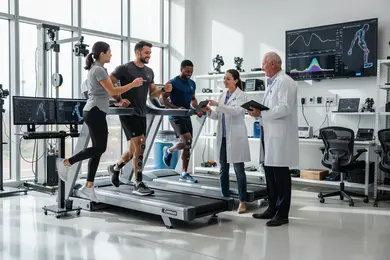
Long-term growth in exercise science careers favors roles demanding specialized certifications and clear institutional frameworks, such as clinical exercise physiologists. These professionals, with a median wage of $54,020 in 2024, benefit from a 6% employment growth rate through 2034, driven by healthcare systems prioritizing medically tailored exercise in cardiac, pulmonary, and geriatric care.
However, securing these positions typically requires graduate-level education and compliance with standardized protocols, which can restrict professional creativity but enhance job stability.
Sports performance specialists offer a contrasting path that prioritizes entrepreneurial skills and adaptability, necessary for success within collegiate and professional athletics. Advancement hinges on measurable athlete outcomes and maintaining current credentials amid fluctuating demand, presenting less predictability than clinical roles.
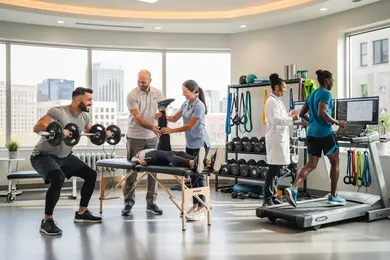
Rehabilitative exercise science roles integrated with physical or occupational therapy credentials present a hybrid approach, enabling leadership in recovery and chronic disease management programs where employer demand is increasing for comprehensive care providers. Evaluating these options involves a tradeoff between credentialing timelines, salary potential, and job security.
For those who want flexibility in how they acquire qualifications, it is worth noting that individuals can study exercise science online, which may ease progression for working professionals.
These dynamics illustrate the practical decision-making necessary when navigating the most promising exercise science career paths with long-term growth potential in the United States workforce.
What degrees in exercise science do you need for different career levels and specialties?
Careers in exercise science in the United States demand a layered educational approach where degree level strongly correlates with role complexity and opportunity. Entry into practical roles such as fitness trainer or strength and conditioning assistant consistently requires a bachelor's degree in exercise science or kinesiology paired with relevant certifications. This foundation aligns with projected employment growth of 12% over the next decade, indicating robust demand but also competition for positions that necessitate proven practical knowledge.
Mid-level specialization—targeting positions like certified strength and conditioning specialist or rehabilitation coordinator—almost always requires a master's degree combined with professional certifications. Those pursuing advanced exercise science degrees for specialized career paths benefit from focused study in biomechanics, exercise physiology, or sports nutrition.
For example, working as a strength coach at the collegiate level typically mandates graduate education due to the intricacies of athlete management and program design.
At the most advanced level, clinical and research careers favor professionals with master's or doctoral degrees, often with accreditation tied to specific rehabilitation or cardiovascular domains. Research roles emphasizing policy or data analytics further restrict access to individuals with comprehensive graduate training. Without such credentials, career progression beyond entry-level roles proves challenging.
Prospective students should carefully weigh the tradeoffs of these pathways, including the time and financial investment required. For context on related degree options and costs, reviewing animal science degrees online may offer useful comparative insight into online program frameworks and pricing.
What is the job outlook and demand for exercise science professionals in the United States?
Demand for exercise science professionals nationwide is driven primarily by a growing senior population and rising chronic health conditions, particularly cardiac and pulmonary diseases. Physical therapists, who often represent an advanced pathway for exercise science graduates, currently command a median annual wage of $101,020 as of May 2024, reflecting strong employer demand and competitive compensation in these specialized rehabilitation roles.
Employment growth for physical therapists and related rehabilitation specialists outpaces many healthcare sectors, incentivizing graduates to pursue advanced degrees or certifications in therapy fields to maximize labor market opportunities. However, entry-level exercise science positions typically offer lower wages and limited upward mobility, underscoring the necessity of further education and licensure for sustainable career progression.
Prospective students must weigh the costs and time commitments of graduate-level physical therapy or cardiac rehabilitation certification programs against the potential for $100,000+ salaries in advanced roles. Geographic variability also influences job availability and compensation, with urban centers generally providing greater opportunities.
Key considerations for those evaluating this pathway include:
- Gaining clinically relevant experience for greater employability
- Developing interdisciplinary skills suited to healthcare and outpatient settings
- Balancing educational investment with realistic salary expectations
For individuals exploring a pivot into this field, assessing alternatives such as a computer science online degree may offer different tradeoffs between education time, cost, and market demand.
How much do exercise science professionals earn in major career tracks and settings?
Exercise science salary ranges by career track reveal distinct tradeoffs in earning potential, job security, and required competencies, which must inform any strategic educational decision. Corporate wellness specialists typically start between $50,000 and $65,000, with opportunities exceeding $90,000 for those managing extensive programs or consulting.
This path offers faster salary growth and a 6-14% job growth rate through 2032, fueled by rising corporate investment in employee health promotion. However, success here demands skills in program management and business communication rather than solely clinical expertise.
Clinical exercise physiologists working in hospitals or rehabilitation centers see median salaries from $55,000 to $70,000, rarely surpassing $80,000 without advanced credentials. This role emphasizes patient interaction and requires certification, providing clearer licensing frameworks and more stable employment tied to healthcare demand.
Strength and conditioning coaches earning between $40,000 and $75,000 generally face high competition for six-figure roles in major college or professional sports settings, where contract lengths and geographic mobility impact job continuity.
Individuals evaluating average earnings for exercise science professionals in major settings should weigh these realities against their career preferences. Investing in certifications, advanced degrees, or combining exercise science with business or clinical credentials notably enhances employability and salary prospects.
Prospective students can consider a data science master online to complement this expertise, leveraging analytical skills increasingly valued in wellness program evaluation and clinical decision-making.
What exercise science concentrations lead to the strongest career growth opportunities?
Specializing in sports performance analysis or biomechanics offers the strongest career upside within exercise science due to sharply rising employer demand. In Australia, sectors employing around 66,400 sports coaches and officials show 5,200 new annual jobs with a dominant 79% part-time workforce, signaling shifting labor patterns toward flexible, data-focused roles.
This dynamic translates directly to U.S. markets where professionals equipped with skills in motion capture, wearable technology analytics, and sports-specific programming are sought after in environments like collegiate athletics, military training, and rehabilitation centers.
For instance, a biomechanics specialist working with a university sports team might tangibly boost recruitment by improving athlete speed and injury rates through precise data interpretation. However, this pathway demands advanced technical aptitude alongside interdisciplinary communication—barriers that prospective students must consider before specializing.
In contrast, broader exercise physiology and wellness coaching tracks face slower growth, partly due to a fragmented market lacking rigorous performance metrics. Employers prefer candidates with demonstrable tech capability and quantifiable outcomes. Without relevant certification or hands-on experience in emerging technologies, graduates risk relegation to part-time or adjunct positions with limited career momentum.
Prospective students should weigh these practical tradeoffs carefully: the technical intensity and ongoing education requirements of high-growth specializations versus the relative ease but constrained opportunities of generalist pathways.
How do online exercise science programs compare with campus-based options for career advancement?
Online exercise science programs deliver theory comparable to traditional campus options but fall short in providing the hands-on clinical hours essential for employer readiness. Employers, especially in allied health, expect graduates with substantial practicum experience and direct mentorship, typically gained through campus-based labs and internships.
For example, physical therapy roles, projected to have a median annual salary of $91,010 in 2026 according to U.S. Bureau of Labor Statistics data compiled by Trainer Academy, require strong clinical placements that purely online formats often cannot reliably guarantee.
Advanced career paths like occupational therapy, physician assistant, or medical doctor heavily depend on networking opportunities and supervised fieldwork available through in-person programs. While some online courses attempt to arrange local clinical experiences, inconsistent quality and limited oversight reduce their effectiveness in matching workforce standards.
Online programs offer time flexibility ideal for working students but often extend the time to credential completion, potentially delaying entry into higher-paying roles. Investment in campus programs tends to correlate with accelerated credentialing, greater access to competitive internships, and stronger career support services.
Key considerations for students include:
- Whether short-term scheduling flexibility outweighs the need for intensive clinical experience
- The critical role of verified practical training aligned with employer expectations
- Impact of program format on timely progression into specialized allied health roles with salaries above $70,000
What accreditation and program quality standards should exercise science students look for?
Selecting an exercise science program without accreditation from CAAHEP or CoAES undercuts a student's ability to meet employer expectations for clinical competence and practical rigor. These accreditations ensure the curriculum integrates biomechanics, physiology, and exercise prescription at levels demanded by major healthcare and fitness employers.
For instance, clinical exercise physiology roles typically require programs with supervised internships aligned to certification requirements—omitting this risks prolonging time to certification and limiting job prospects.
The ability to graduate on time and secure relevant employment correlates strongly with program quality; therefore, graduation rates above 70% and transparent postgraduation placement statistics should be nonnegotiable metrics during program selection.
Prospective students must weigh programs' emphasis on applied learning—such as biofeedback and data analytics—which increasingly dictates employability in technology-driven sports performance and rehabilitation sectors.
Entrepreneurial pathways tied to business and client management skills remain viable, highlighted by Australian labor data showing fitness instructors' median weekly earnings near $1,500 with clear job market growth. U.S. students equipped with these hybrid skills can expect comparable market opportunities beyond traditional exercise science roles.
Supplemental certifications like Certified Strength and Conditioning Specialist (CSCS) or Certified Personal Trainer (CPT) remain essential to bridging academic knowledge with employer hiring protocols. Programs integrating these credentials streamline market readiness by reducing credentialing friction and accelerating employment entry.
What core coursework and hands-on training prepare students for advanced exercise science roles?
Specializing in exercise science demands balancing broad scientific foundations with targeted applied skills, a choice that heavily influences employability and career adaptability. Core areas such as human anatomy, physiology, kinesiology, biomechanics, and nutrition are indispensable, but mastering applied exercise physiology to develop precise fitness and rehabilitation protocols directly aligns with employer expectations in clinical and athletic settings.
Hands-on experience through clinical internships or community health placements is often a decisive factor in job market readiness. For instance, working in cardiac rehabilitation clinics under licensed supervisors equips students with the technical skills and patient interaction experience demanded in specialized roles.
Similarly, fieldwork promoting physical activity in public health contexts reflects growing workforce needs, supported by a projected 7% growth and a median salary near $60,000 for health educators and community health workers.
Tradeoffs between pursuing a comprehensive education versus focusing on niche fields like clinical exercise physiology or wellness program coordination affect not only immediate job placement but also long-term flexibility and certification options. Programs that integrate practicum experiences tailored to specific career paths tend to outperform less aligned curricula in graduate employment outcomes.
Which licenses and professional certifications are required or recommended in exercise science careers?
Licenses and certifications shape the trajectory within exercise science careers, with differing demands depending on specialization and job setting. Clinical roles, such as physical or occupational therapy, mandate state licensure involving accredited doctoral programs and passing rigorous exams.
Conversely, exercise physiologists strengthen job prospects through certifications from bodies like the American College of Sports Medicine (ACSM), the National Strength and Conditioning Association (NSCA), or the American Society of Exercise Physiologists (ASEP).
For personal trainers and fitness instructors, certifications such as the ACSM Certified Personal Trainer or the National Academy of Sports Medicine (NASM) offer entry points but typically lack legal requirements. This distinction is important for those weighing the tradeoff between upfront investment and career flexibility.
In academic or research roles, graduate degrees often substitute clinical licensure but require certifications to demonstrate competency in specialized methods or data tools. Employers favor applicants with credentials proving skills in exercise testing, health assessment, or rehabilitation protocols.
UK data reveals that only 4% of sport and exercise science graduates enter licensure-dependent therapy roles, while 13% pursue coaching positions where certifications are variably regulated. This shows how formal licensure demands longer education but delivers clearer advancement, whereas coaching roles offer rapid entry with constrained upward mobility.
U.S. candidates should evaluate employer-specific credential expectations early and consider combining certifications tailored to niches like cardiac rehab alongside ACSM exercise physiologist credentials to boost marketability and salary potential.
How can you strategically choose an exercise science program to maximize career progression?
Career outcomes in exercise science hinge on program specificity tied to workforce demands, especially within tactical, aerospace, and high-risk operational roles. Graduates positioned for success are those from programs offering specialized certifications and applied training aligned with sectors like the U.S. Space Force or NASA, where expertise in astronaut resilience and strength conditioning is increasingly essential.
For example, Texas Woman's University's focus on these competencies in 2024 illustrates the importance of curricular relevance to emerging federal and space-related employment.
Key evaluation factors include
- Evidence-based protocols tailored to tactical populations such as military or first responders.
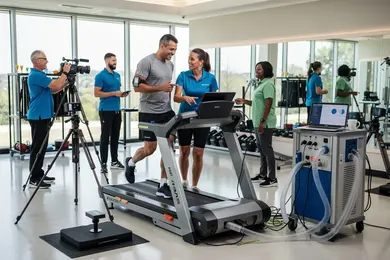
- Access to applied performance labs featuring wearable technologies and biomechanical simulations.
- Faculty whose experience reflects operational fitness needs in high-risk environments.
- Accreditations facilitating eligibility for certifications recognized by government and aerospace employers.
- Graduate placement in specialized roles exceeding traditional clinical or fitness settings.
For working professionals, hybrid or asynchronous program formats reduce disruption while enhancing skills directly applicable to evolving roles. However, broader clinical or athletic tracks may inadequately prepare candidates aiming for tactical or aerospace sectors, underscoring the necessity of scrutinizing program outcomes. This alignment is a critical determinant of hiring viability and long-term career trajectory within evolving exercise science niches.
Other Things You Should Know About Exercise Science
Early specialization can limit flexibility in a field that values multidisciplinary knowledge, especially since employer expectations often favor candidates with a broad understanding of physiology, biomechanics, and nutrition. A balanced approach prioritizing a solid foundational skillset in undergraduate studies followed by targeted specialization at the graduate or certification level improves adaptability and long-term advancement potential.
Employers in exercise science prioritize candidates who combine hands-on experience with relevant academic credentials. Practical internships and clinical hours often outweigh additional coursework alone because they demonstrate applied competencies critical in clinical and athletic settings. Prioritize programs that mandate extensive fieldwork or partnerships with health organizations to meet real-world employer standards effectively.
Most exercise science certifications require renewal every 2 to 4 years, plus continuing education units, often 20 to 45 hours per cycle. For example, ACSM certifications typically need 45 CEUs over three years, while NSCA certifications require 6.0 continuing education units every three years.
References
- Exercise Sciences https://www.caahep.org/committees-on-accreditation/exercise-science
- Top 20 Careers With a Master’s in Exercise Science | PLNU https://www.pointloma.edu/resources/health-sciences/top-20-careers-masters-exercise-science
- Best Exercise Science Careers - Let's Find out! https://www.ptpioneer.com/personal-training/exercise-science-careers/
- Exercise Science | Columbia College https://www.columbiasc.edu/academics/undergraduate/exercise-science
- Prospects https://www.prospects.ac.uk
- Exercise Science Careers: Paths with Degrees https://www.fitnessmentors.com/exercise-science-careers/
- Online Exercise Science Degrees: Top School Review https://www.edumed.org/online-schools/exercise-science-degrees/
- Exercise science: What exactly is it? https://www.scienceforsport.com/exercise-science/
- ESSA's career guide for Accredited Exercise Physiologists https://www.essa.org.au/Web/Web/Resources/Tools-and-templates/ESSA-AEP-Guide.aspx
- Exercise Physiologist https://acsm.org/certification/get-certified/exercise-physiologist/