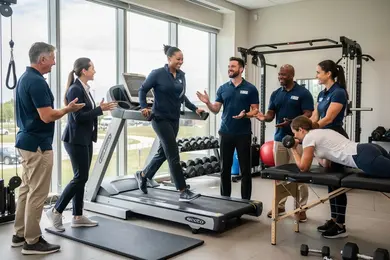
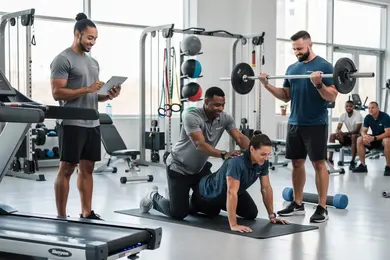
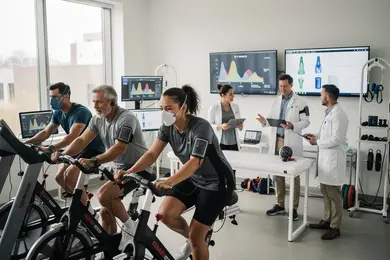
2027 Online Exercise Science Degrees With Performance and Recovery Concentrations

Co-Founder and Chief Data Scientist
Mid-career professionals in exercise science often confront a tough paradox: advancing their credentials without sacrificing current job obligations or personal responsibilities. Traditional on-campus programs rarely accommodate such constraints, yet workforce demand for specialists in performance optimization and recovery strategies is projected to grow 15% over the next decade, according to the U.S. Bureau of Labor Statistics. This rise fuels competition and necessitates flexible, rigorous educational options that maintain the relevance and depth employers seek. Moreover, recent NCES data show that online degree enrollment among working adults increased by 20% between 2022 and 2024, reflecting a shift toward accessible learning pathways. This article evaluates online exercise science degrees with performance and recovery concentrations, offering critical insight into how these programs address scheduling, content applicability, and career impact to resolve the challenge of balancing advancement with existing professional commitments.
Key Things You Should Know
- Data from the Bureau of Labor Statistics shows 12% growth for exercise science-related roles through 2030, pressuring degree seekers to specialize in performance or recovery to differentiate in an overcrowded market.
- Employers increasingly require applied certifications beyond degree completion; programs lacking integrated practical credentials limit immediate job readiness despite academic rigor.
- Online degrees with performance and recovery concentrations often entail higher total costs due to extended practicum requirements, impacting time-to-employment and net return on investment compared to general exercise science degrees.
What is an online exercise science degree with performance and recovery concentrations?
Choosing an online exercise science degree with a performance focus requires weighing the balance between remote learning flexibility and the tangible need for hands-on experience. Programs that combine biomechanics, nutrition, and therapeutic modalities through digital platforms offer convenience, but often mandate local internships or clinical partnerships to meet licensure or certification criteria. This tradeoff means students must be proactive in securing relevant placements, a challenge for those balancing work and study.
Employers increasingly seek graduates fluent in data-driven performance metrics and recovery protocols adaptable across diverse populations, a demand emphasized by many exercise science recovery concentration programs. For instance, a fitness professional can immediately integrate recovery tracking software knowledge gained through coursework to enhance client outcomes, validating their expertise in competitive job markets. Yet, supplemental credentialing beyond the degree is often necessary to fully access regulated roles.
The rise in online health studies-with 36% enrolling fully online per the National Center for Education Statistics, reflects shifting workforce needs for flexible education. Prospective students should critically assess programs that claim comprehensive practical training remotely and consider confirmation of on-site requirements.
For informed comparisons and further details on programs, visit exercise science degree online.
How do online exercise science programs compare to campus-based options for hands-on learning?
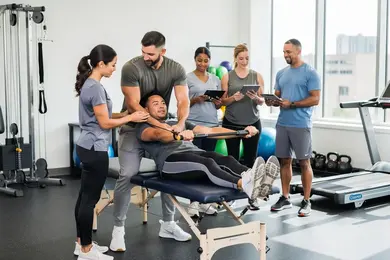
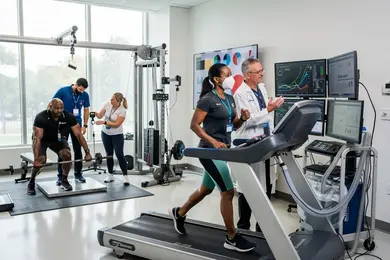
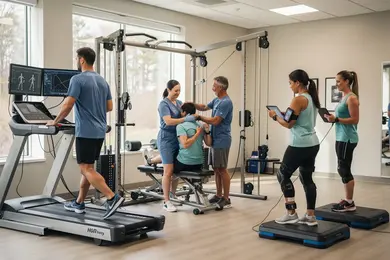
Online exercise science programs face a significant practical gap compared to campus-based exercise science experiential training, especially in competencies requiring direct manual interaction such as functional movement assessments and load management. Without in-person supervision, students risk graduating with theoretical knowledge but limited ability to apply recovery protocols using specialized equipment or real-time athlete feedback.
Employers in sports medicine and rehabilitation increasingly prioritize hands-on skillsets connected to recovery and load management demands, as demonstrated by a 41% increase in related job postings from 2018 to 2023. Students pursuing online routes must secure high-quality local internships or partnerships to meet these applied experience expectations; otherwise, they may encounter slower workforce integration or depend heavily on additional certifications and shadowing to compensate.
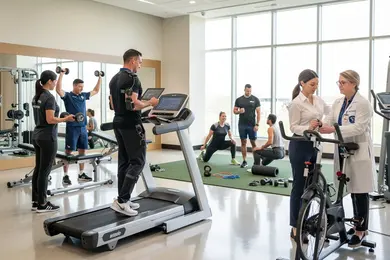
Meanwhile, campus-based programs embed lab work and continuous supervision within their curriculum, offering a more streamlined path to mastering these critical skills aligned with employer needs. Prospective students without reliable access to onsite practicums should carefully weigh how this limitation affects their readiness for roles in collegiate or professional sports settings or other clinical environments.
Ultimately, online programs deliver foundational knowledge efficiently but require deliberate arrangements to bridge the practical skill divide. Those evaluating this pathway alongside jobs for environmental science majors or related fields must factor in these tradeoffs when mapping their career trajectory within exercise science.
Are online exercise science degrees with performance and recovery specializations properly accredited?
The value of online exercise science degrees with performance specialization accreditation depends heavily on recognized regional or national accreditation accepted by key certifying bodies, such as the American Society of Exercise Physiologists (ASEP) or American College of Sports Medicine (ACSM). Graduating from programs without these credentials places graduates at a distinct disadvantage for licensure, clinical roles, or advanced study. As such, choosing accredited online exercise science programs for recovery concentrations is not merely a matter of academic reputation but foundational to meeting the practical requirements employers and credentialing organizations demand.
Employment for exercise physiologists is expected to increase by 10% over the next decade, generating roughly 1,500 job openings annually in the U.S. Yet, many graduates from non-accredited or inadequately structured programs confront limited opportunities, notably in clinical, rehabilitative, or sports performance settings. Employers prioritize candidates who demonstrate validated hands-on experience alongside theoretical knowledge, stressing the importance of practicum components integral to online formats.
Prospective students should rigorously verify accrediting bodies such as the Higher Learning Commission and ensure their curricula meet these standards. Without practical clinical engagement, even courses claiming concentration in recovery or performance risk produce graduates with gaps in applied competencies, directly impacting workforce integration. For those considering alternative fields, a library degree might offer a different experiential and professional pathway worth exploring.
What courses and concentrations are included in performance and recovery-focused exercise science programs?
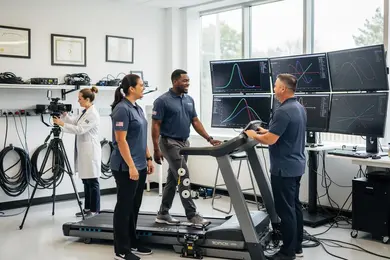
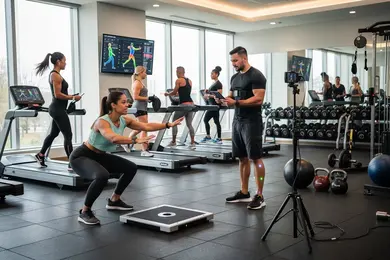
Choosing between performance and recovery course curriculum in exercise science shapes not only academic focus but also subsequent workforce outcomes. Specializations in performance prioritize biomechanics, sport-specific training, and exercise physiology enhanced by technologies like motion capture, targeting roles in sports teams or private centers with a high premium on athletic output. Recovery paths emphasize clinical competencies, including musculoskeletal assessment, injury prevention, and rehabilitation methods such as cryotherapy, aligning with hospital or outpatient settings.
Programs typically mandate foundational studies in anatomy, kinesiology, and nutrition for all students. However, specialized concentrations in exercise science for performance and recovery diverge with performance students receiving more training in sport psychology and periodization, while recovery students engage intensively in pathology and clinical assessment.
Practical experiences reflect these distinctions: internships for performance students commonly occur under athletic trainers or strength coaches, contrasting with recovery students who gain clinical exposure through rehabilitation departments. Salary data further illustrate real-world tradeoffs; exercise physiologists in performance roles earned a median wage of $61,920-about 22% above the $50,640 median for hospital-based roles, indicating employer valuation of high-intensity, specialized skills over broader clinical versatility.
For prospective students weighing strategic career pivots or advancement, these differentiated pathways carry implications for employability and job environment. Resource planning could include exploring options such as online master data science programs to build complementary technical skills applicable across sectors.
What admission requirements and prerequisites do online exercise science programs typically have?
Admission criteria for online exercise science programs frequently reflect a balance between scientific rigor and practical readiness. Candidates must hold an accredited high school diploma or GED and provide official transcripts showing proficiency in algebra, biology, and chemistry. As anatomy and physiology underpin much of the coursework, prior experience in these subjects-either through classes or placement exams-is essential. While some institutions still require SAT or ACT scores, many waive these for applicants with relevant work history or college credits, streamlining access for career changers. Transfer students generally need a cumulative GPA between 2.5 and 3.0 to demonstrate preparedness for advanced courses.
Technical requirements extend beyond academics: stable internet access and compatible devices are necessary for remote labs or simulation software often integrated into curricula. Those targeting specializations like performance or recovery may face additional prerequisites in kinesiology or biomechanics, potentially prolonging admission timelines if not completed beforehand.
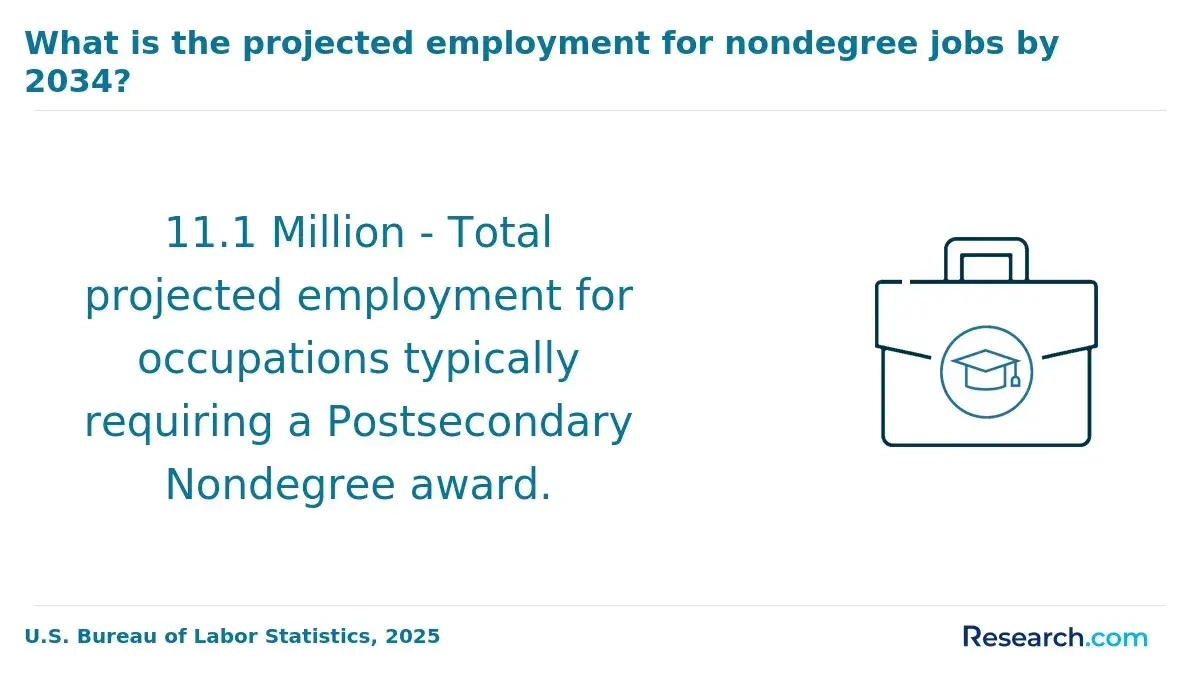
Employers value these clear standards as evidence that graduates possess reliable foundational competencies, facilitating quicker integration into specialized roles. For individuals pivoting careers, meeting these prerequisites demands upfront investment in scientific literacy and impacts graduation timing and salary progression. Georgetown University data shows that health and exercise science bachelor's graduates earn a median 19% more by age 30 than peers with only high school credentials, translating into median annual incomes of $56,000 versus $47,000. Prospective students must weigh initial academic gating against this long-term economic advantage.
How long do online exercise science degrees take and what do they cost?
Online exercise science degrees with a focus on performance and recovery require a strategic balance between time, cost, and applied skills to meet employer expectations in a growing market. Typically spanning two to four years, these programs demand approximately 120 credit hours for bachelor's completion, but accelerated tracks or transfer credits can shorten this timeframe.
Cost disparities reflect institutional type and residency: public universities charge $7,500 to $15,000 annually for in-state students, contrasting with $20,000 to $35,000 per year for private colleges. Total expenses can range from $30,000 to $100,000, influenced by credit load and additional fees, including technology and learning materials.
Employers in sports medicine and rehabilitation emphasize practical proficiency in injury prevention and therapeutic exercise over theoretical knowledge alone. The sports injury rehabilitation market's expansion, from $1.9 billion in 2013 to an anticipated $4.2 billion by 2028 with a 6.2% compound annual growth rate (Market Research Future, Sports Medicine & Rehabilitation Report 2024), drives demand for graduates with applied recovery expertise.
Working professionals face a tradeoff: part-time online study extends program duration, maintaining income but delaying certification and wage growth; full-time students invest more upfront but access the workforce sooner, capitalizing on market momentum. Candidates must weigh these dynamics carefully to align education with career objectives and financial constraints.
What careers can you pursue with an exercise science degree in performance and recovery?
A degree in exercise science with a focus on performance and recovery equips graduates for roles including strength and conditioning coach, physical therapist assistant, rehabilitation specialist, and athletic trainer. These positions demand thorough expertise in biomechanics, exercise physiology, and tailored recovery strategies for distinct populations, such as athletes and clinical patients. For instance, strength and conditioning coaches develop data-driven training plans aimed at boosting athletic power and endurance, often within competitive collegiate or professional sports environments where measurable results influence job stability. In contrast, rehabilitation specialists concentrate on post-injury recovery, delivering individualized protocols in clinical settings to accelerate healing timelines.
Employment demand correlates strongly with aging demographics and increased emphasis on preventive health care, yet competition intensifies for roles lacking advanced certifications like CSCS or ATC. Salaries tend to grow more robustly in metropolitan areas combining exercise science expertise with clinical rehabilitation. Students evaluating programs should weigh tuition costs, which for online degrees average around $327 per credit, with some options closer to $250 per data from EduMed.org. Higher tuition may be justified if programs offer clinical practicums essential for licensure and practical experience.
Beyond financial factors, securing supervised clinical hours post-graduation presents logistical challenges influenced by state laws. Students balancing online coursework with work obligations must consider these realities. Programs integrating recovery science coursework can also open diversified roles such as wellness design in corporate or military sectors, providing broader employment prospects beyond traditional clinical fields.
What salary ranges and earning potential exist for performance and recovery exercise science careers?
Salary ranges in performance and recovery exercise science depend heavily on sector, credentials, and location, with entry roles near $45,000 and specialist positions surpassing $90,000. For instance, clinical exercise physiologists commonly earn between $50,000 and $75,000, while professionals integrating recovery technologies and advanced load management in pro sports or private practice can exceed $90,000.
Career progress typically involves combining a bachelor's degree with targeted certifications in areas such as performance analytics or rehabilitation technology. Consider a strength and conditioning coach in collegiate athletics starting around $50,000, who can push earnings beyond $75,000 by mastering biometric data interpretation or elite recovery protocols. By contrast, recovery specialists in clinical environments might see median wages of $60,000 to $70,000, reliant on growing preventive care reimbursements.
Several practical factors influence employability and income:
- Hands-on experience with industry-standard monitoring and data analytics tools is expected.
- Candidates lacking technological proficiency tend to be restricted to support roles rather than decision-making positions.
- Geographic markets with professional teams or research centers offer premium salaries, unlike smaller regions.
The expanding $4.3 billion global sports performance analytics market, projected to nearly double by 2030, further drives demand for expertise in wearable tech integration and data-driven athlete programming (Grand View Research, Sports Analytics Market 2024).
What certifications or licenses align with performance and recovery exercise science roles?
Certifications for performance and recovery roles in exercise science reflect distinct professional priorities and regulatory demands. For example, strength and conditioning roles almost universally require the Certified Strength and Conditioning Specialist (CSCS) credential, which mandates a bachelor's degree and successful completion of a comprehensive exam emphasizing applied exercise science. This ensures candidates meet employer expectations in athletic performance optimization.
Recovery-oriented professionals, by contrast, often pursue the Certified Athletic Trainer (ATC) credential or the Certified Exercise Physiologist (EP-C) for roles involving injury prevention, rehabilitation, and chronic disease management. These credentials frequently intersect with state-level licensure requirements in clinical environments, adding layers of complexity not seen in purely performance-focused paths.
Remote or hybrid formats for these certifications have proven equally effective, as evidenced by a 2024 meta-analysis revealing equivalent or superior outcomes in most studies, including certification exam pass rates. This flexibility can be decisive for candidates balancing employment or geographic constraints.
Employers value documented clinical hours and continuing education units (CEUs) alongside certifications, given the evolving standards in both performance and recovery practices. Strength coaches commonly recertify every three years, while recovery specialists navigate ongoing licensure renewals tied to legal and medical updates. Ultimately, selecting a certification should align sharply with targeted job functions to avoid credential mismatch and optimize employability.
How can you choose a reputable online exercise science program focused on performance and recovery?
Deciding on an online exercise science program demands a focus on how accreditation and curriculum content translate into employable skills within target labor markets. Accreditation from nationally recognized bodies like CAAHEP signals academic quality, but program viability pivots on contemporary, evidence-based coverage of both performance enhancement and recovery science. For instance, graduates entering general fitness sectors may benefit more from recovery-focused training to broaden eligibility, while those aiming at sports organizations require deeper biomechanics and physiology expertise.
Beware tradeoffs between accelerated degree tracks that streamline coursework but limit clinical exposure versus lengthier programs offering internships or virtual labs that facilitate practical skill application. Employers increasingly value candidates versed in periodization, injury prevention, and rehabilitation protocols, aligned with a projected 14% job growth for fitness trainers and 7% for health educators through 2033, emphasizing recovery and performance competencies in over 4,000 new positions according to the U.S. Bureau of Labor Statistics.
Program delivery flexibility matters for working professionals, balancing asynchronous learning with accessible faculty mentorship. Tuition should be weighed alongside career placement success and licensure preparation to assess return on investment. Ultimately, selecting a program that matches specialization focus and rigor to targeted employer demands mitigates risks of credential obsolescence and improves career trajectory clarity.
Other Things You Should Know About Exercise Science
No fully virtual alternative currently matches the depth of hands-on experience gained in traditional labs or clinical settings, especially for performance and recovery-focused students. While simulations and virtual labs can build some technical skills and conceptual understanding, they often lack the tactile feedback and real-time adjustments critical for mastering assessment, exercise technique, and recovery modalities. Students prioritizing clinical competence or immediate employability in applied settings should seek programs with hybrid components or verified local practicum options.
Most programs require 1 year each of anatomy and physiology, general biology, and chemistry, plus college algebra or statistics before admission or during the first year. Some schools also expect a minimum 2.5 GPA and require prerequisite grades of C or better, especially for upper-division exercise science coursework.
Choosing a program with embedded recovery certifications can save time and ensure a cohesive learning experience tailored to current performance and recovery demands. It also streamlines the credentialing process, making graduates more marketable in the competitive 2027 job market.
Employer acceptance varies significantly with the reputation of the online program and its clinical training opportunities. Top-tier or well-known programs with hybrid practicums tend to be viewed comparably to traditional degrees, while lesser-known purely online degrees can raise concerns about practical readiness. Professionals aiming for roles in direct client care, rehabilitation, or athletic support must carefully verify that their chosen online program includes verifiable hands-on elements and is recognized by key industry stakeholders.
References
- Exercise Science Degree Careers, Jobs and Salaries - Peak Physical Therapy and Sports Performance https://peaktherapy.com/blog/exercise-science-degree-careers-jobs-and-salaries/
- Online Exercise Science Program https://stmary.edu/online-programs/exercise-science.html
- ESSA's career guide for Accredited Exercise Physiologists https://www.essa.org.au/Web/Web/Resources/Tools-and-templates/ESSA-AEP-Guide.aspx
- Edumed https://edumed.org
- Online Degree vs. Traditional: Choosing the Right Path https://beal.edu/online-degree-vs-traditional/
- Online Exercise Science Degrees: Top School Review https://www.edumed.org/online-schools/exercise-science-degrees/
- Kinesiology Program Provides Options in Health and Human Performance | Florida College https://floridacollege.edu/news/kinesiology-program-options/
- International Clinical Exercise Physiology Qualification Application Pathways https://icsesp.global/resources/international-clinical-exercise-physiology-recognition-opportunities/