2027 Corporate Wellness Roles You Can Target With an Exercise Science Degree

Co-Founder and Chief Data Scientist
Professionals holding an exercise science degree often confront a pivotal challenge: translating academic credentials into viable corporate wellness roles amid a competitive, evolving job market. Recent analyses from the National Center for Education Statistics reveal a 35% increase in part-time and adult learner enrollment in health-related degrees, signaling a shift toward flexible, career-focused education pathways. This trend affects employer expectations, with many prioritizing candidates who combine foundational knowledge with practical wellness program delivery skills. Understanding which corporate wellness positions align realistically with an exercise science background, and the specific competencies employers seek, can determine strategic career moves and program selection.
This article systematically identifies targetable corporate wellness roles and how exercise science graduates can leverage their qualifications to enter or advance within these niches.
Key Things You Should Know
- Corporate wellness roles with an exercise science degree show 12% growth through 2032 per the U.S. Bureau of Labor Statistics, yet require specialized certifications that delay entry and add 15-25% to upfront education costs.
- Employers increasingly prioritize exercise science graduates proficient in data analytics and behavioral health integration, creating workforce tensions where traditional kinesiology skills alone are less competitive in wellness tech-driven environments.
- Positions focused on population health management outperform standard fitness roles by 18% in salary, but demand cross-disciplinary knowledge, posing strategic tradeoffs between broad versus niche training during degree selection.
What corporate wellness jobs can you pursue with an exercise science degree?
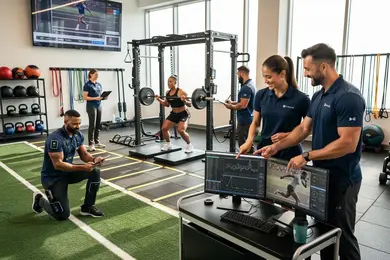
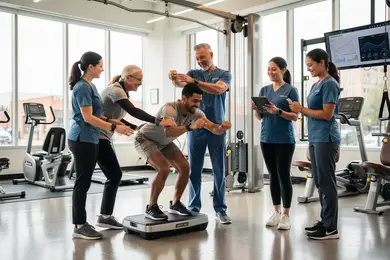
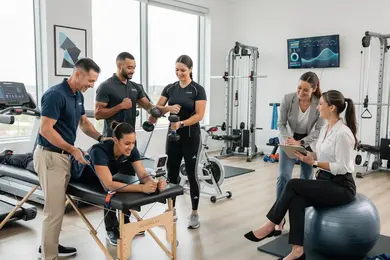
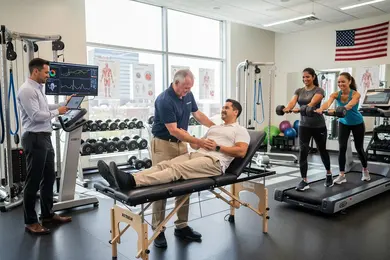
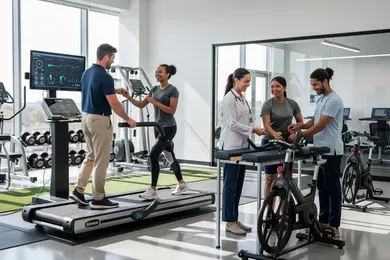
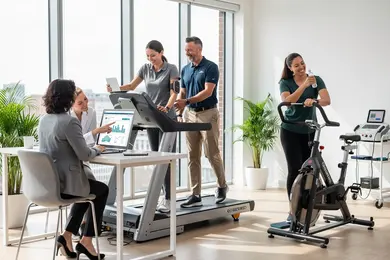
Corporate wellness roles demand more than exercise science expertise; they require navigating complex organizational cultures and aligning health initiatives with business outcomes. Graduates pursuing corporate wellness careers for exercise science graduates often encounter positions like corporate wellness coordinator, health promotion specialist, wellness program manager, and corporate wellness director. For example, a corporate wellness coordinator at a tech company might focus on ergonomic education and stress management, while a wellness program manager in manufacturing prioritizes injury prevention tailored to labor-intensive environments.
The corporate wellness director position typically commands the greatest responsibility and compensation, overseeing large-scale programs. According to Willamette University's Exercise & Health Science career data, health promotion and wellness roles had an average median income of $73,740 and a projected growth rate of 9%. Employers expect proficiency in behavior change strategies, data analysis, and integrating health science with cost reduction via improved productivity and reduced absenteeism.
Practical challenges include complying with federal regulations like OSHA and ADA, while effectively evaluating programs and communicating within corporations. Many aspiring professionals supplement their degree with certifications in wellness coaching or occupational health and leverage internships to gain relevant experience. Those considering this pathway may benefit from exploring options such as an exercise science degree online to access flexible learning aligned with workforce demands.
This strategic approach addresses the realities of exercise science degree job opportunities in corporate wellness, recognizing the need for business acumen alongside scientific knowledge to succeed in these roles.
How does an exercise science degree prepare you for corporate wellness specialist roles?
An exercise science degree delivers targeted knowledge that directly enables corporate wellness specialists to address employer healthcare cost challenges through strategic program design. With U.S. employers spending roughly $18,000 annually per employee on health benefits and about 40-50% engaging in formal wellness initiatives, specialists are expected to drive measurable improvements that align with these financial constraints.
Career opportunities in corporate wellness with an exercise science background include roles focused on the prevention of chronic conditions, reduction of absenteeism, and enhancement of workforce productivity. For instance, graduates can tailor interventions to different industry demands-creating ergonomics-centered programs for manufacturing employees or stress-reduction and cardiovascular fitness strategies for sedentary IT workers.
This degree also equips professionals with skills to interpret health data for continuous program refinement and outcome validation; however, success in corporate settings equally depends on strong communication and organizational skills to engage diverse employee populations effectively.
Pragmatically, an exercise science degree's value lies in applying scientific principles to real-world employer needs, balancing cost control with health optimization. Prospective students should weigh these benefits against the necessity for practical experience and interdisciplinary competencies.
Those exploring this pathway might consider complementary credentials or online alternatives, such as an ASN program, to diversify their health expertise and increase employability in integrated wellness environments.

What are the typical salary ranges for exercise-science-trained corporate wellness professionals?
Salaries for corporate wellness professionals with exercise science training typically reflect the complexity of their roles and the size of their employers. Health coach and health education specialist positions, key roles within this sector, report a median salary near $73,740 annually, according to Willamette University's Exercise & Health Science career outcomes data. This range reflects the practical earnings for entry- to mid-level positions that involve designing wellness programs, fitness assessments, and health promotion strategies.
In larger corporations-especially within healthcare, technology, or insurance-salaries can surpass $90,000 when candidates bring certifications and proven impact in reducing healthcare costs or boosting employee engagement. Conversely, smaller companies or nonprofits often offer starting salaries closer to $45,000 to $55,000, underscoring a tradeoff between immediate income and opportunities to build skills and credentials that influence longer-term pay.
Projected 9% employment growth in health promotion suggests steady demand, but employers increasingly seek multi-disciplinary abilities beyond core exercise science. This dynamic calls for strategic upskilling to stay competitive, particularly for those focused on average pay for corporate wellness professionals with exercise science degrees.
Practical decision-making involves weighing salary expectations against workplace complexity and future advancement potential. For professionals evaluating educational pathways, comparing exercise science options with alternatives like online library science programs may provide insights into different market demands and career flexibility.
Which exercise science concentrations best align with corporate wellness career paths?
Corporate wellness careers most effectively leverage exercise science specializations that combine applied fitness, biomechanics, and health promotion within workplace contexts. Applied fitness and strength training prepares professionals to develop onsite programs tailored to employee capabilities and environmental challenges, directly addressing workforce health and productivity goals. Biomechanics focuses on injury prevention and ergonomic analysis, essential for minimizing musculoskeletal disorders and their associated corporate healthcare costs.
Health promotion and behavioral science concentrations equip graduates to craft scalable wellness initiatives that drive lasting lifestyle improvements and enhance organizational engagement. For example, onsite corporate fitness specialists integrate strength conditioning expertise with motivational strategies to support diverse employee populations. According to Willamette University's Exercise & Health Science career statistics, roles emphasizing fitness, strength, and human performance report a median income of $51,695 alongside an 8% job growth projection, reflecting steady employer demand for these skill sets.
Choosing an exercise science concentration requires balancing practical certification requirements and immediate workforce applicability. Those pursuing clinical exercise physiology face lengthier credentialing and clinical hour expectations, which may delay entry into corporate wellness roles. Conversely, specializations in occupational health or fitness management often align certification with on-the-job readiness, facilitating a smoother transition into employment. These factors are critical when evaluating exercise science specializations for corporate wellness roles and top exercise science focus areas in corporate health careers.
Prospective students weighing educational paths should also consider affordability and program quality. For comparative insight into program costs, exploring the best data science master's programs offers a model of how rigorous, cost-effective options can shape career trajectories.
What certifications do you need to work in corporate wellness with an exercise science background?
Certification requirements shape access to most corporate wellness roles for those with an exercise science background. Employers favor credentials such as the Certified Exercise Physiologist (EP-C) from the American College of Sports Medicine or Certified Strength and Conditioning Specialist (CSCS) credentials that verify skills in clinical exercise testing, program design, and health risk assessment. For instance, a wellness coordinator overseeing chronic disease prevention must hold an EP-C to legally and safely develop exercise protocols for at-risk staff.
Additional certificates like Certified Health Education Specialist (CHES) or wellness coaching credentials increase professional flexibility but do not substitute for core exercise physiology certifications. Organizations incorporating biometric screenings and behavior modification strategies prize health coaching skills yet still require certified exercise physiologists for clinical testing.
State licensure varies and can restrict clinical roles without specific legal authorization, especially in settings lacking direct medical oversight. Navigating these regulatory complexities is essential for targeting roles involving direct health assessment versus program administration.
With projected employment growth of 10% and 1,600 annual openings according to the U.S. Bureau of Labor Statistics, certifications remain key gates for wage-earning opportunities, typically $79,000 to $87,000 yearly. Without certification, even candidates with degrees face frequent screening elimination by corporate wellness employers seeking compliance and reduced liability.
Plan to pursue recognized certification immediately after graduation while obtaining practical experience, as employers filter applicants primarily based on credentialing status rather than academic background alone.
How do online exercise science programs compare to campus programs for corporate wellness careers?
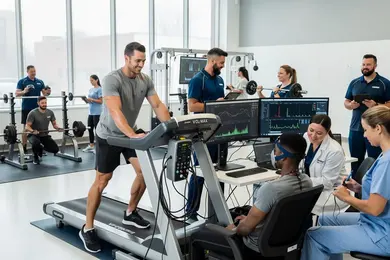
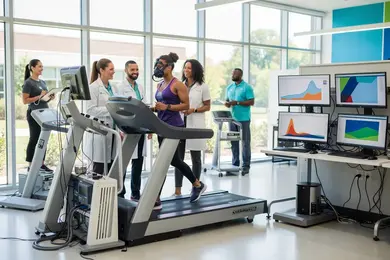
The decision between online and campus exercise science programs hinges on differences in experiential learning critical to corporate wellness roles, particularly those blending data analytics with client interaction. While online programs have adapted by integrating wellness data and health informatics coursework, they often substitute hands-on practice with virtual labs and simulations. This can leave a gap in the nuanced clinical judgment that campus programs provide through direct access to biometric screening, exercise labs, and client supervision.
Employers recruiting for roles such as Wellness Program Data Analyst increasingly expect proficiency in data-driven decision-making, a competency that often benefits from both technical training and in-person exposure. According to research from Willamette University, companies with structured wellness analytics report significantly lower employee turnover and health costs, underscoring the value of applied experience.
- Campus programs typically offer embedded internships and networking with local health organizations, crucial for securing client-facing opportunities.
- Online learners gain flexibility but must proactively seek external practical experiences to build the same competencies.
- Certification in health informatics or analytics supports data-centric positions and can be pursued alongside online study.
- Ultimately, employers prioritize demonstrated applied skills and professional networks over whether a degree is earned online or on campus.
Prospective students aiming for leadership in corporate wellness should weigh program connections to employers and availability of internships as a decisive factor beyond curriculum content.
What core courses in exercise science are most valuable for corporate wellness roles?
Core coursework critical to corporate wellness roles in exercise science extends beyond theory, focusing sharply on applied physiology, behavior modification, and data analysis skills that align with workforce realities. Physical capacity assessment and injury risk reduction require robust knowledge from exercise physiology and kinesiology, tailored specifically to varied job demands such as sedentary office environments versus active industrial settings.
Behavioral science competencies enable professionals to design incentive and engagement strategies that resonate with different employee groups; for instance, a wellness consultant aiding a tech firm's sedentary staff might apply targeted motivation techniques to reduce inactivity-related complaints, improving participation rates measurably.
Data literacy through biostatistics and research methods is increasingly non-negotiable, as corporate wellness programs face scrutiny for ROI and outcome validation. Skills in epidemiology refine targeting by chronic disease patterns, helping employers allocate limited resources effectively.
While Willamette University's Exercise & Health Science career data indicates a 9% sector growth and median income of $73,740 for wellness consultants, prospective students should weigh the practical implications of acquiring cross-disciplinary skills that integrate physiology, psychology, and analytics. This blended expertise addresses employer expectations but requires commitment to diverse learning areas, potentially increasing time and effort compared to narrower tracks.
How long does it take to earn an exercise science degree and start in corporate wellness?
The path to a corporate wellness role via an exercise science degree involves significant time investment and strategic credentialing that directly affect employability. Most entry-level positions require a bachelor's degree completed in about four years, but specializing for managerial or clinical roles often demands additional graduate education or certifications, extending the timeline by two or more years. For working professionals juggling employment and study, this can realistically stretch to five years or longer.
Certification exams such as Certified Strength and Conditioning Specialist (CSCS) or National Commission for Health Education Credentialing (CHES) add three to six months but are increasingly non-negotiable in competitive hiring environments. The prevalence of remote and virtual wellness programs-already adopted by roughly 60-65% of large U.S. employers-accentuates the importance of digital fluency alongside academic credentials.
Practical experience with online fitness platforms during or after degree completion often differentiates candidates in hiring decisions. This means that students should weigh the tradeoffs between a swift four-year degree focused on foundational knowledge and longer, certification-inclusive pathways that enhance resilience against evolving workforce demands.
What is the job outlook and industry demand for corporate wellness roles in the U.S.?
Corporate wellness roles in the U.S. are experiencing targeted growth, particularly positions that blend health communications with exercise science expertise-expected to expand by 9% through 2024. Employers prioritize candidates who can convert complex safety and wellness protocols into actionable messaging, especially in high-risk settings like manufacturing. This practical focus often outweighs generalized wellness knowledge.
Advancement demands more than a foundational degree; employers seek professionals integrating behavioral science, biometric data analytics, and digital health tools to customize programs for diverse workforces. This specialization influences wage outcomes, with median salaries around $73,740 reflecting the technical and managerial skills required. Candidates lacking these competencies face intensified competition.
Real-world success hinges on building networks across corporate HR, healthcare vendors, and leadership teams. Job opportunities frequently emerge through partnerships rather than typical listings, necessitating proactive engagement and cross-functional negotiation skills. Additionally, understanding industry-specific health risks and regulatory compliance can accelerate career momentum by aligning expertise with organizational priorities.
How can you evaluate and choose an accredited exercise science program for corporate wellness?
Choosing an accredited exercise science program with a focus on corporate wellness requires more than confirming credentials-it demands scrutiny of practical outcomes and curriculum alignment with workforce needs. Accreditation bodies such as CAAHEP or CoAES validate program rigor and are essential for roles like Corporate Wellness Operations Manager, where the median income is $102,362 with a 9.7% job growth rate according to Willamette University's Exercise & Health Science data.
Students should examine whether the program includes targeted courses in occupational health, organizational behavior, and corporate wellness program development. Missing these elements can leave graduates ill-prepared for critical operational tasks and employee engagement strategies that employers prioritize.
Programs that integrate clinical practicum experiences within corporate or allied health settings improve job placement success by providing real-world skills and industry connections. Graduates from programs partnering with local businesses or health systems often transition more smoothly into employment.
Prospective students must weigh tradeoffs related to program cost, duration, and delivery format. Fully online programs might restrict access to essential lab components and hands-on practice, which impacts long-term competency and advancement.
- Verify accreditation through recognized bodies (CAAHEP, CoAES).
- Prioritize curricula with specialized corporate wellness coursework.
- Seek programs offering practicum opportunities tied to employer networks.
- Consider program flexibility versus practical skill requirements.
Focusing on these factors aligns educational choices with employer expectations and evolving industry demands, enhancing the viability of a career in corporate wellness management.
Other Things You Should Know About Exercise Science
While a bachelor's degree in exercise science can qualify you for entry-level corporate wellness roles, advancing beyond basic program delivery often requires a master's degree or specialized certifications. Employers increasingly expect graduate education for positions involving program design, leadership, and data analysis. Prioritizing a master's that emphasizes applied corporate wellness or health promotion improves your competitiveness for management roles and can significantly impact salary potential.
Employers frequently prioritize hands-on experience with corporate clients, health risk assessments, and behavior change interventions over purely academic credentials. Exercise science programs with integrated internships or practicum placements provide a distinct advantage. Without applied experience, degree holders may find it difficult to secure roles that influence organizational health strategies or demonstrate measurable outcomes.
The ACSM Certified Exercise Physiologist and the NSCA Certified Strength and Conditioning Specialist are the most relevant credentials. Many employers also value wellness coaching or health education certificates, especially for roles in employee fitness assessments, behavior change support, and program coordination.
References
- Preparing for the Next Wave of Wellness Careers | American College of Healthcare Sciences https://achs.edu/blog/next-wave-of-wellness-careers/
- Exercise Science Degree Programs Lead to Rewarding Careers in Health and Fitness https://www.carrollcc.edu/articles/exercise-science-degree-programs-lead-to-rewarding-careers-in-health-and-fitness/
- What a Corporate Wellness Specialist Does Explained https://opstudiohk.com/what-does-a-corporate-wellness-specialist-do/
- United States Corporate Wellness Market Size & Share 2034 https://www.imarcgroup.com/united-states-corporate-wellness-market
- How to Select Healthy Lifestyle Programs for Corporate Wellness - Personal Trainer Certification, Nutrition Courses, Fitness Education https://www.nestacertified.com/how-to-select-healthy-lifestyle-programs-for-corporate-wellness/
- Clinical Exercise Physiologists in the Workforce https://acsm.org/cep-in-the-workforce/
- How to Become a Corporate Fitness Professional in 2025 - IDEA Health & Fitness Association https://www.ideafit.com/how-to-become-corporate-fitness-professional/
- What Does a Corporate Wellness Specialist Do? | ISSA https://www.issaonline.com/blogs/business/what-does-a-corporate-wellness-specialist-do
- Applied Exercise Science https://www.gannon.edu/academic-offerings/health-professions-and-sciences/undergraduate/applied-exercise-science/
- Three Up-and-Coming Careers for Health Science and Exercise Science Majors - La Sierra University Blog https://blog.lasierra.edu/three-up-and-coming-careers-for-health-science-and-exercise-science-majors/