2027 Exercise Science Job Market Outlook Through 2030

Co-Founder and Chief Data Scientist
Professionals aiming to enter or advance in exercise science face a critical obstacle: navigating a rapidly evolving job market amid shifting educational formats and employer expectations. Despite growing demand, 45% of exercise science students now enroll in part-time or fully online programs, according to the National Center for Education Statistics.
This trend highlights a broader shift toward flexible learning but raises concerns about skill acquisition and employer confidence in nontraditional credentials.
As workforce demands increasingly emphasize practical experience alongside academic credentials, aspiring practitioners must carefully evaluate how education pathways align with their career goals. This article assesses employment trends, credential relevance, and educational formats to inform effective career planning through 2030.
Key Things You Should Know
- Job growth in exercise science-related roles is forecasted at 12% through 2030, outpacing overall healthcare sectors, yet most employers require specialized certifications beyond a general degree, creating credential inflation risks.
- Employers increasingly demand integrated skills in data analytics and rehabilitation science, resulting in a widening gap between traditional exercise science curricula and practical workforce needs.
- Programs averaging 4 years with costs exceeding $50,000 limit access, delaying workforce entry by 2+ years and amplifying opportunity costs compared to shorter allied health credentials with faster employment outcomes.
What is the exercise science job market outlook in the United States through 2030?
Employment for exercise physiologists is expected to grow 9% between 2024 and 2034, outpacing average occupational growth due to expanding demand in healthcare and wellness sectors. This growth translates into roughly 1,700 annual job openings, yet applicants face intensified competition, especially in metropolitan areas with established health systems.
Success hinges on specialized skill sets, including clinical experience and certifications focused on cardiovascular or pulmonary rehabilitation.
United States exercise science career opportunities often require more than a degree; employers increasingly expect candidates to demonstrate proven hands-on clinical training. For instance, hospitals integrate exercise physiologists to tailor recovery plans for cardiac or diabetic patients, underscoring the value of practical internships.
Entry-level programs without clinical components may limit early-career progress, necessitating additional certification or training.
Demographic shifts, such as aging populations, continue to drive demand for rehabilitation expertise, yet transitions from unrelated fields demand patience, as initial years focus on credentialing and skill acquisition affecting income trajectories.
Prospective students should assess not only curriculum but also program investment in real-world clinical placements to enhance employability in this crowded market.
Those evaluating pathways can explore options like an online exercise science degree that offers accessible clinical practicum opportunities, balancing flexibility with workforce readiness.
Which exercise science careers are projected to be in highest demand by 2030?
The highest demand exercise science jobs in North America by 2030 focus primarily on specialized clinical roles such as exercise physiologists, physical therapy assistants, and occupational therapy aides.
These positions respond directly to the growth of chronic diseases and an aging population requiring targeted rehabilitation and preventative care. Employers prioritize candidates with practical clinical experience and interdisciplinary collaboration skills to address complexities in patient care.
For example, exercise physiologists often lead cardiac and pulmonary rehabilitation, with a median wage of $58,160 as reported by the U.S. Bureau of Labor Statistics in May 2024. This reflects a solid employer demand for bachelor's-level graduates in this sector.
Conversely, physical therapy assistants provide broader hiring opportunities with associate degrees, typically serving outpatient and home health settings, although these roles offer less upward mobility without advanced credentials.
Wellness coaching and corporate fitness jobs are emerging but tend to offer lower salaries and rely heavily on communication skills and certifications. These might serve as transitional roles rather than sustainable careers for those weighing exercise science career growth in the United States.
Students should assess educational paths realistically, balancing licensing requirements and credential timelines against immediate workforce entry points. Coursework with a clinical emphasis is essential to navigating an evolving market concentrated on rehabilitation and disease prevention.
For those exploring varied specializations, understanding costs and programs, including options like the online animal science degree, can inform broader academic and career strategies.
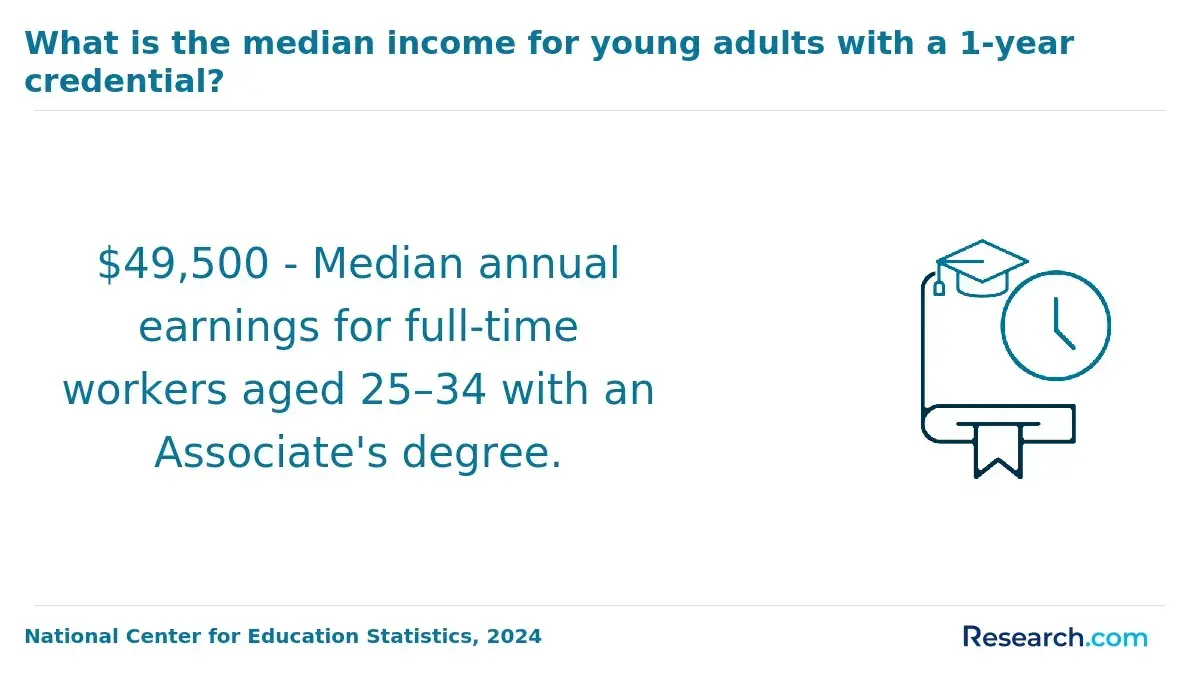
What salary ranges can exercise science graduates expect across common career paths?
Salary ranges for exercise science graduates in the United States typically span from about $35,000 to $70,000 annually, though these figures depend heavily on certification level, experience, and employment setting.
Entry-level fitness trainers and instructors generally start between $35,000 and $45,000, with positions at established health clubs or corporate wellness programs offering mid-range salaries often supplemented by commission or bonuses tied to client retention.
Specialized roles, such as exercise physiologists or rehabilitation professionals, command higher earnings between $50,000 and $65,000, especially with credentials like Certified Strength and Conditioning Specialist (CSCS) or Clinical Exercise Physiologist certifications.
Hospital and clinical roles frequently exceed $60,000 but require advanced schooling and related health degrees, adding complexity and cost to the educational pathway. Prospective students should weigh these requirements carefully against their career goals.
Growth sectors like corporate wellness and online personal training can push income beyond $70,000 but demand entrepreneurial acumen, ongoing marketing efforts, and willingness to accept income variability and fewer traditional benefits.
More stable, salaried jobs in government or education tend to offer steadier, but generally lower average earnings closer to $40,000. This income vs. stability tradeoff is a key consideration when evaluating exercise science salary ranges in the United States for sustainable career planning.
Employment of fitness trainers and instructors is projected to grow 14% through 2032, outpacing average job growth, which signals steady demand but increased competition for higher-paying roles requiring more than a bachelor's degree. Prospective professionals must strategize around credentials and market positioning to access these opportunities.
Those looking to pivot into specialized health-related roles might find value in combining exercise science study with other disciplines; for example, pursuing an MLIS can enhance career versatility and open additional pathways where precise knowledge management intersects with health science.
What degrees and training pathways lead to careers in exercise science fields?
A bachelor's degree in exercise science, kinesiology, or similar fields remains the foundational credential for most careers in this area, reflecting employer expectations for core knowledge in anatomy, physiology, biomechanics, and exercise physiology.
However, advancing into clinical roles such as cardiac rehabilitation specialists requires graduate education or specialized certifications to meet licensure and clinical standards, introducing additional time and financial investment. This distinction shapes workforce outcomes within the exercise science degree programs in the United States.
For professionals focused on clinical pathways, accredited master's programs or credentials like Certified Clinical Exercise Physiologist unlock employment opportunities in hospitals and cardiac rehab settings. Conversely, those pursuing roles in fitness training or wellness coaching often combine a bachelor's with nationally recognized certifications emphasizing applied client skills and internships, which employers rate highly for practical competence.
Industry sectors prioritizing occupational health or performance roles typically require exercise science degrees paired with allied health certifications, such as CPR and emergency response. Professionals weighing career shifts must consider these factors carefully, balancing the wage premiums of healthcare-focused positions against longer training periods and regulatory compliance.
Those exploring top training pathways for exercise science careers in the US may also find value in hybrid or accelerated options, including online data science programs, which can complement analytics skills relevant to performance and health metrics in exercise science.
How do online exercise science programs compare to campus-based options for career preparation?
Choosing between online and campus-based exercise science programs demands a clear-eyed understanding of how practical experience shapes employability. While online formats deliver foundational knowledge comparable to traditional settings, they often lack integrated hands-on training critical for roles requiring immediate application of skills, such as wellness coordinators or clinical exercise specialists.
Employers in corporate wellness and public health increasingly prioritize candidates with verified real-world experience, which campus programs facilitate through in-person labs, internships, and direct mentorship.
For instance, a student pursuing a career in corporate wellness must account for the 39% job growth projected by the Bureau of Labor Statistics for health educators in employer-based programs from 2020 to 2030, a sector that heavily values applied skills. Campus-based paths typically offer structured practicums aligned with these workforce demands, producing graduates with stronger professional references and enhanced readiness for employer expectations.
Online learners benefit from flexibility, especially when balancing work or remote living, but face challenges securing supervised clinical hours necessary for credentialing and career advancement.
Without proactive planning to supplement online coursework with local internships or practicums, credentialing bodies and employers may view candidates as less prepared for roles involving direct client interaction or fieldwork.
Prospective students should evaluate if programs maintain partnerships for experiential learning, weigh commuting and relocation costs against access to research facilities and employer networks, and consider how delivery mode impacts initial salary prospects and hiring timelines in this competitive field.
What accreditation and program quality standards should exercise science students look for?
Choosing an accredited exercise science program is critical for aligning with employer standards and securing relevant certifications. Accreditation by CAAHEP verifies curriculum rigor in anatomy, physiology, biomechanics, and evidence-based methods, directly impacting graduate competitiveness in fields like strength and conditioning or rehabilitation clinics.
Without this endorsement, graduates risk limited job opportunities as employers increasingly require credentials backed by recognized programs.
Beyond accreditation, evaluating graduate outcomes such as licensure pass rates and job placement within one year offers insight into program effectiveness. Integration with certifications like the Certified Strength and Conditioning Specialist (CSCS) often reflects practical readiness employers seek, especially in competitive sports roles where coaching positions are projected to grow by 9% through 2033, based on BLS data cited by Methodist University.
Access to quality internships or clinical placements within elite sports or rehab settings serves as a practical differentiator. Students lacking hands-on experience face challenges meeting employer expectations in environments demanding immediate applied skills. Additionally, programs offering articulation agreements for graduate study provide valuable flexibility for long-term career growth.
Accelerated or non-accredited online options may offer convenience but often sacrifice essential networking and experiential learning components, thereby reducing employability and eligibility for key certifications. Prospective students must weigh these tradeoffs carefully to ensure their educational choices align with realistic career trajectories in exercise science.
What core courses and specializations do exercise science degree programs typically include?
Exercise science degree programs must bridge theory and measurable skills to align with employer expectations, particularly in clinical or fitness settings. While core courses cover anatomy, physiology, kinesiology, and biomechanics for essential foundational knowledge, the practical application through labs and movement analysis tools distinguishes effective graduates.
Without this, candidates risk underperforming in roles that demand evidence-based program development and accurate movement evaluation.
Market demand favors specializations directly linked to workforce needs: personal training, strength and conditioning, clinical exercise physiology focusing on chronic disease management, and sports performance analysis. These areas correspond to nearly 40,000 anticipated job openings by 2025, with average salaries around $41,669-a modest 6% growth over five years, signaling moderate but stable opportunities.
Tradeoffs appear for students targeting self-employment or group fitness instruction, where business acumen, client communication, and program design coursework are essential yet sometimes overlooked.
Conversely, those pursuing hospital or research roles must seek programs emphasizing advanced physiology, pathophysiology, and structured practicum experiences. Insufficient hands-on exposure or rigid curricula limit employability, illustrating the importance of matching specialization with career objectives to avoid credential obsolescence.
Prospective students should critically examine curricula for integrated practical components and flexible paths that align with their career intentions, rather than relying on broad degree titles. This approach mitigates common employability gaps and improves long-term workforce relevance.
What are typical admission requirements, program length, and total costs for exercise science degrees?
Admission criteria for exercise science bachelor's programs demand more than minimum academic thresholds; competitive candidates often need relevant volunteer or work experience in health or fitness to improve prospects. Coursework prerequisites typically cover biology, chemistry, and math, while standardized testing is increasingly optional. These prerequisites shape a student's readiness for a field that blends science with practical application.
Degree lengths vary from 3 to 4 years, with accelerated options leveraging summer terms or transfer credits. Pursuing clinical roles-such as physical or occupational therapy-usually requires further graduate education, adding 2 to 4 years beyond the bachelor's. This extended timeline demands prospective students weigh time and financial investment against career trajectory and job market conditions.
Cost differences between public and private institutions have notable implications for student debt and return on investment. Typical four-year program costs range from $40,000 to $120,000, factoring tuition, fees, and living expenses. Public in-state tuition often falls under $25,000 annually, while private schools may exceed $35,000. Early engagement with financial aid and scholarships substantially affects affordability but is contingent on timing and merit.
The labor market frequently values a BS in Exercise & Sport Science at around $68,000 yearly, but higher earnings generally occur with advanced clinical qualifications. Thus, the decision to invest in graduate studies significantly impacts long-term stability and wage potential. Students must balance upfront costs and program duration with realistic employment outcomes and professional specialization opportunities.
What certifications or licenses are required for popular exercise science roles?
A critical decision point for those entering exercise science careers is the necessity and type of certification or licensure, which dramatically influences employability and earning potential.
Personal trainers, for instance, often require nationally recognized credentials such as the Certified Personal Trainer (CPT) from NCCA-accredited bodies, with employers increasingly favoring ACSM-CPT or NASM for validating practical expertise. Without these, candidates face limited access to competitive roles and constrained salary growth.
Exercise physiologists must balance formal education-a bachelor's degree is a minimum-with additional certification through ACSM or the American Society of Exercise Physiologists to meet clinical or athletic employment criteria.
Importantly, state-specific licensure and allied health credentials come into play particularly in medical and rehabilitation settings, impacting employment prospects in hospitals where pay aligns closer to $55,000-$65,000 annually.
Recreational therapists encounter similar licensing challenges, often mandating NCTRC certification plus state licensure, which can delay workforce entry and requires ongoing continuing education. These regulatory complexities have practical implications for workforce flexibility and educational routes, especially for nontraditional or remote learners.
How can prospective students choose a reputable exercise science program aligned with their career goals?
Program selection in exercise science must weigh the tangible link between curriculum design and specific employment sectors rather than rely solely on reputation or broad rankings. For example, Bemidji State University documented that 87.5% of its graduates secured relevant roles within a year, illustrating the impact of intentional regional alignment and employer networks on job placement.
Those aiming for clinical rehabilitation should prioritize programs offering internships or partnerships with local health systems, as this experience directly affects hiring decisions in hospitals and outpatient facilities. Conversely, research-oriented careers demand access to active faculty projects and methodologies consistent with labor market data.
Critical evaluation of curriculum content is necessary-only programs integrating biomechanics, physiology, and evidence-based practice genuinely meet the nuanced demands of sports performance and health sectors. Aligning coursework with national certifications such as Exercise Physiology or Strength and Conditioning can accelerate employment and contribute to higher starting wages.
Prospective students must scrutinize graduate outcomes data, considering regional labor markets and program-specific placement rates rather than generic national averages. Tradeoffs include potentially higher tuition at prestigious institutions versus localized niche programs that may provide direct pipelines to employers.
Strategic choices involve prioritizing established employer relationships, measurable training outcomes, and transparent metrics tailored to the target job market segment to optimize employability in exercise science paths.
Other Things You Should Know About Exercise Science
As of 2027, gaining work experience immediately after graduation can enhance your practical skills and employability in exercise science. While specialized certification is valuable, employers often prioritize hands-on experience, particularly in clinical and wellness settings, for entry-level roles.
Clinical employers expect more rigorous adherence to evidence-based protocols and interdisciplinary collaboration, often requiring familiarity with healthcare documentation and patient management software. Fitness and wellness employers prioritize client communication skills, program customization, and business acumen, placing less emphasis on clinical knowledge. Candidates should align their training and internship choices with the sector they target to meet these divergent expectations effectively.
The ACSM-CEP, NSCA-CSCS, and ACSM-EP certifications are among the most valued through 2030 because they align with clinical exercise, strength and conditioning, and health-fitness roles. Employers also look for CPR/AED certification and supervised practicum or internship experience for entry-level hiring.
Programs emphasizing practicum or clinical internships provide essential real-world exposure that employers consistently seek, improving job placement rates post-graduation. Theoretical knowledge without substantial hands-on training often results in steeper learning curves and lower initial productivity in professional settings. Students should prioritize program structures offering direct client interaction, diverse practicum sites, and mentorship to enhance both skill development and employability.
References
- Careers in Exercise Science – Jobs, Salaries, and Growth Opportunities https://www.pickmyuni.com/student-resources/careers-in-exercise-science-123
- Exercise science: What exactly is it? https://www.scienceforsport.com/exercise-science/
- What Can You Do with an Exercise Science Degree? https://www.cune.edu/news/what-can-you-do-exercise-science-degree
- Exercise Science | York College of Pennsylvania https://www.ycp.edu/academics/programs/exercise-science
- Exercise Science Degree Careers, Jobs and Salaries - Peak Physical Therapy and Sports Performance https://peaktherapy.com/blog/exercise-science-degree-careers-jobs-and-salaries/
- Top 20 Careers With a Master’s in Exercise Science | PLNU https://www.pointloma.edu/resources/health-sciences/top-20-careers-masters-exercise-science
- World's Largest platform as University Common Application https://www.planstudyabroad.uniagents.com/course-details.php
- Careers That Will Dominate the U.S. Job Market by 2030 https://www.floridacoastaluniversity.com/jobs-of-the-future-careers-that-will-dominate-the-u-s-job-market-by-2030/
- Exercise science program accredited by national organization | Lipscomb University https://lipscomb.edu/news/exercise-science-program-accredited-national-organization
- Online Exercise Science Degrees: Top School Review https://www.edumed.org/online-schools/exercise-science-degrees/