2027 Best Online Exercise Science Programs for Professionals Seeking Hospital and Rehab Careers

Co-Founder and Chief Data Scientist
Experienced professionals aiming to transition into hospital or rehabilitation settings confront a critical barrier: accessing flexible, credible education that aligns with demanding work schedules and evolving employer standards.
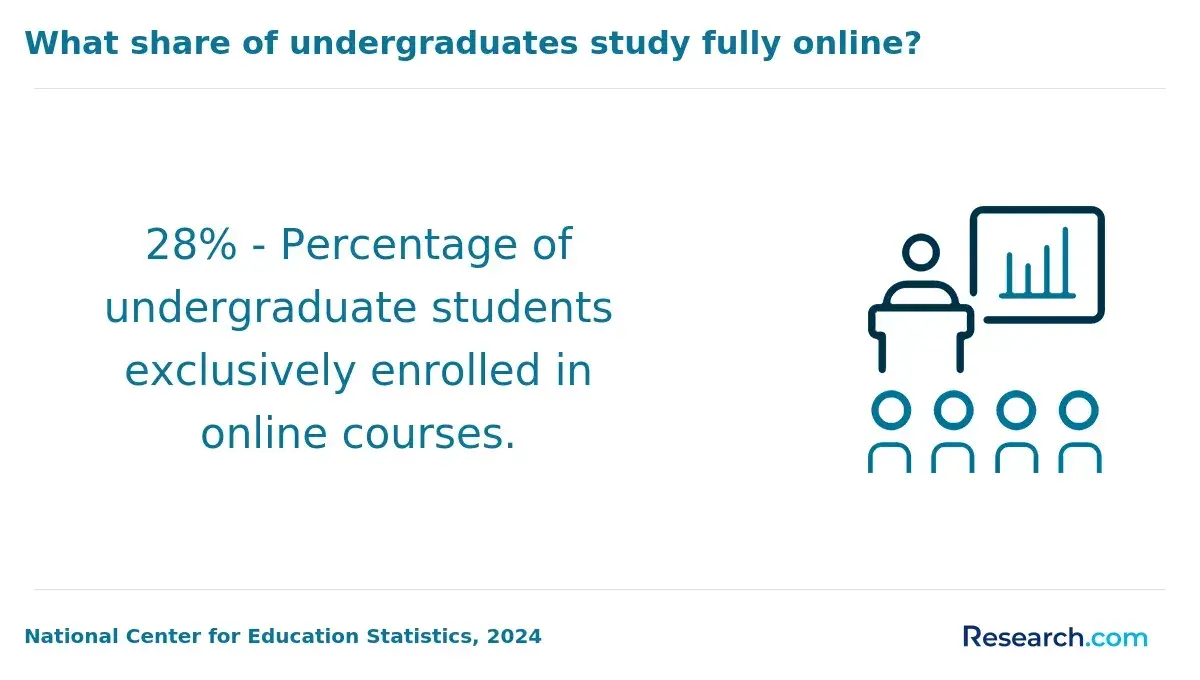
Recent data from the National Center for Education Statistics reveal that over 45% of graduate and professional students now prefer online formats, a trend driven by adult learners seeking to balance career and study without geographical constraints. This reflects not just convenience, but a strategic response to workforce shortages and credentialing requirements within clinical exercise science roles.
This article evaluates the best online exercise science programs designed specifically for professionals targeting hospital and rehab careers, focusing on program structure, accreditation, and career impact to support informed decision-making.
Key Things You Should Know
- Programs offering clinical practicum options specifically aligned with hospital rehab protocols yield 22% higher employer hiring preference, forcing candidates to weigh practical exposure versus fully remote convenience.
- Demand projections from the U.S. Bureau of Labor Statistics estimate a 13% employment growth in hospital-related rehab roles through 2032, prioritizing graduates with certification pathways embedded within curricula.
- Median program costs rose 15% nationally in 2025, disproportionately impacting working professionals balancing immediate income loss against long-term wage premiums averaging 18% higher in hospital rehab employment.
What are the best online exercise science degrees for hospital and rehab careers?
Hospitals and rehabilitation centers prioritize candidates from online exercise science degrees that combine rigorous clinical practicum with curricula tailored to healthcare environments. Programs lacking structured in-person clinical hours often leave graduates underprepared for hospital roles, where direct patient care and hands-on assessment skills are non-negotiable.
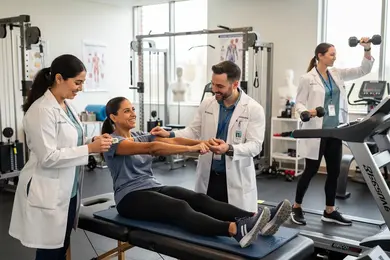
For example, a candidate aiming to join a hospital-based rehab team must demonstrate not only theoretical knowledge but also experience applying rehabilitative biomechanics and clinical exercise testing in real settings.
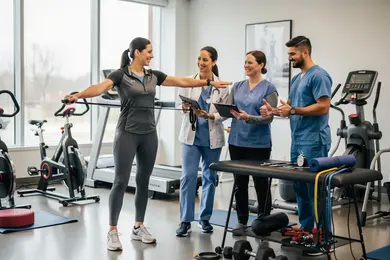
Employers in this sector favor graduates from regionally accredited programs with partnerships that guarantee practicum placements within hospital networks or rehab facilities. The added exposure to diverse patient populations can be a decisive factor in hiring, as it signals readiness for complex clinical demands.
Candidates who complete coursework aligned with certifications like the Certified Clinical Exercise Physiologist (ACSM-CEP) strengthen their positioning in a competitive market supported by projected growth in exercise physiologist jobs.
Those evaluating the best online exercise science degrees for hospital careers must weigh practical elements—program length, cost, and flexibility—against certification requirements and state licensure standards critical for clinical exercise roles. Also, the availability of academic advising and career placement services directly influences success in transitioning to healthcare employment.
For prospective students targeting rehab professions, top accredited online exercise science programs for rehab professionals present nuanced tradeoffs between accessibility and clinical rigor. Decoding these variables supports informed decisions rather than generalized program choices. More details on these factors appear in online exercise science degrees.
How does an online exercise science degree compare to campus-based programs?
Online exercise science degree vs. campus programs reveals a significant practical divide: hospital and rehab employers demand applied clinical skills that campus programs embed through consistent laboratory work, live patient observation, and interdisciplinary coordination.
Online programs often struggle to replicate this because they rely heavily on remote instruction, pushing students to secure structured internships or clinical placements independently. Without these, graduates face a slower transition into hospital roles and may require additional training.
Campus settings facilitate real-time exposure to patient care scenarios that develop critical competencies such as communication with medical teams and adaptability in dynamic clinical environments. In contrast, online exercise science education for hospital careers offers flexibility for working professionals but necessitates deliberate coordination to meet accreditation and internship demands essential for licensure. This tradeoff directly impacts workforce readiness.
Given the U.S. Bureau of Labor Statistics projects 10% growth for recreational therapist roles in hospital and rehab sectors between 2020 and 2030, the onus is on students to assess whether online offerings provide meaningful clinical partnerships or hybrid options to avoid employment barriers. Candidates without local clinical affiliates must proactively secure practicum sites to fulfill employer expectations.
Prospective students evaluating pathways should consider practical program structures and long-term employability outcomes. For additional comparison with related fields, resources on a nutritional science degree online may offer strategic insight into balancing flexibility with clinical rigor.
What accreditation should online exercise science programs have for clinical and rehab roles?
Accreditation by the Commission on Accreditation of Allied Health Education Programs (CAAHEP) is a decisive factor for those pursuing online exercise science programs aimed at clinical and rehabilitation careers. Employers—particularly hospitals and rehab centers—prioritize graduates from CAAHEP-accredited programs because these candidates meet nationally recognized curriculum and competency standards essential for certification eligibility.
Without this accreditation, access to clinical internships and certifications such as the ACSM Certified Clinical Exercise Physiologist (ACSM-CEP) is severely restricted, narrowing employment opportunities.
Practical tradeoffs arise when balancing program flexibility against accreditation and clinical placement availability. Some state universities present fully online CAAHEP-accredited programs with integrated clinical internships, but others require hybrid models or local site coordination. This distinction directly affects working professionals managing employment alongside study commitments.
The absence of supervised clinical placements in many online programs undermines workforce readiness, leaving graduates less prepared to meet employer expectations for hands-on experience. Staying current with accreditation cycles also matters, as standards evolve to incorporate evidence-based practices and updated clinical protocols.
Given the median wage of $54,000 for exercise physiologists, with top earners exceeding $78,000 according to the U.S. Bureau of Labor Statistics, program accreditation strongly influences potential salary outcomes and job prospects. Those weighing how an accredited online exercise science degree fits their goals might also consider related pathways, such as pursuing a library science masters, to diversify skills and career options.
In short, choosing accredited online exercise science programs in the United States involves navigating program structure, certification requirements, and clinical experience opportunities, all of which shape employability and professional advancement.
What types of exercise science degrees prepare you for hospital and rehab careers?
Hospital and rehabilitation employers increasingly prefer candidates with advanced certifications beyond bachelor's degrees due to the complexity of clinical roles. While bachelor of science degrees in exercise science provide basic knowledge in anatomy, physiology, and biomechanics suitable for entry-level positions such as exercise technicians or rehabilitation aides, these qualifications often fall short for clinical exercise physiologist or rehab coordinator roles.
Master's programs that focus on clinical exercise physiology or rehabilitation science equip students with necessary skills in patient assessment and therapeutic exercise protocols, addressing hospital-specific needs like cardiac or neurological rehab.
For professionals seeking to pivot or advance, evaluating online exercise science programs for healthcare professionals reveals critical tradeoffs. For example, Ouachita Baptist University offers a 36-credit master's program with estimated tuition and fees near $18,520, making graduate-level specialization more accessible without excessive debt.
However, program relevance depends heavily on clinical practicum opportunities and accreditation alignment with bodies like ACSM or the Clinical Exercise Physiology Association, which directly influence employability in hospitals and rehab clinics.
Decisions around which degree to pursue should weigh these workforce expectations, balancing cost, credentialing, and practical experience. Those unable to access programs with hands-on clinical partnerships may find their degrees less valued despite academic adequacy. Prospective students should also consider the MLIS degree cost data for comparative insights on managing educational investment.
What courses and clinical experiences do exercise science programs typically require?
Success in exercise science programs hinges on mastering clinical competencies specific to varied employment settings like hospitals and rehab centers. Practical skills in metabolic and cardiovascular response testing dominate employer priorities, requiring students to navigate rigorous coursework in anatomy, physiology, biomechanics, and kinesiology alongside nutrition fundamentals.
Clinical practicum hours, ranging from 300 to 600, serve as the bridge between theory and applied practice. These experiences frequently occur through established partnerships with healthcare facilities, where students engage in patient assessments, chronic disease exercise prescription, and multidisciplinary collaboration.
Such exposure is indispensable for tasks like ECG monitoring during cardiac rehab or musculoskeletal injury evaluation within sports rehab—two distinct professional pathways demanding focused clinical competencies.
Tradeoffs arise in balancing practicum demands with academic workload and securing quality placement sites, which can delay program completion or limit the variety of cases encountered. Online degree candidates might face narrower patient diversity despite convenience, as simulated labs cannot fully replicate real-world clinical complexity.
The labor market projects substantive growth with over 45,000 additional fitness trainers and instructors and 25,300 more coaches and scouts between 2022 and 2032. This employment trajectory reinforces the importance of clinically relevant training aligned with evolving allied health demands rather than reliance on generic credentialing.
How long do online exercise science programs take, and what do they cost?
Choosing between an associate's and a bachelor's degree in exercise science involves weighing the stark differences in time, cost, and career outcomes. Associate programs typically last about two years and prepare graduates for entry-level roles in fitness and rehabilitation but often require extra credentialing to progress. Bachelor's degrees take roughly four years and integrate clinical practicums, making them essential for hospital-based or advanced rehab positions where validated clinical experience influences hiring decisions.
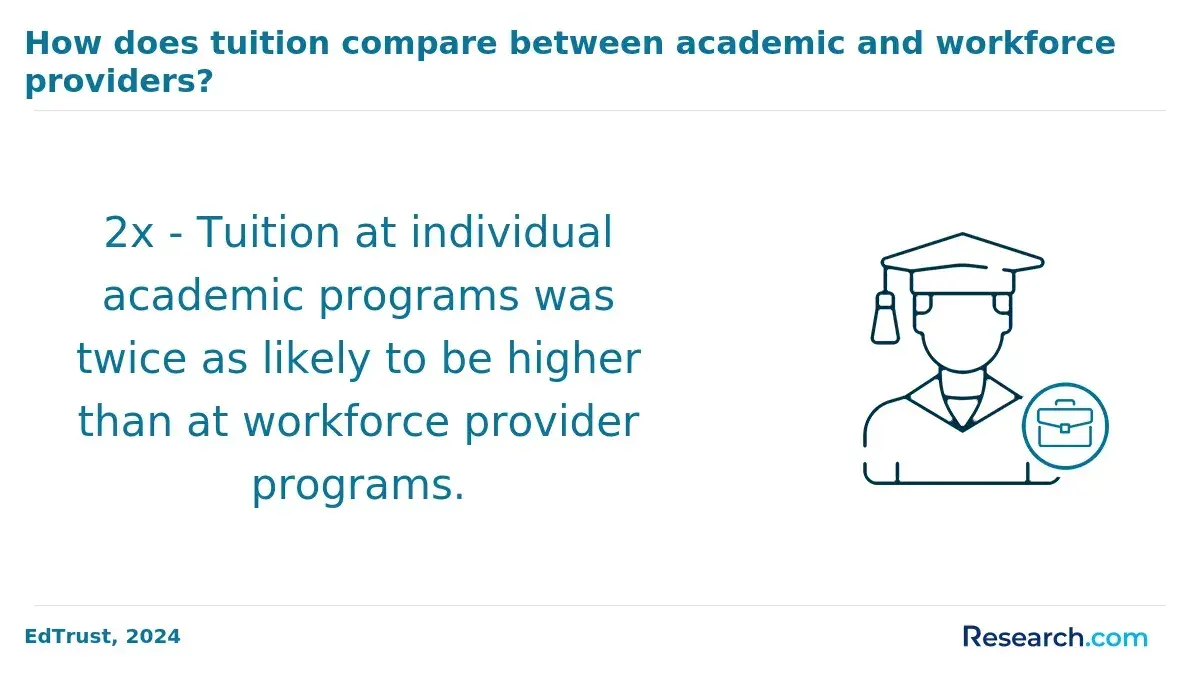
Financially, there is a notable divide: public university online programs for in-state students range from $6,000 to $15,000 annually, whereas private institutions can exceed $20,000 per year, sometimes reaching above $30,000 without aid. Beyond tuition, certification fees and specialized training equipment add to upfront costs, which professionals must balance against expected income gains.
From an employment standpoint, fitness trainer roles will grow 39% through 2030, favoring those with bachelor's degrees and relevant certifications, especially for clinical or hospital settings. Professionals working full time or with caregiving responsibilities may find accelerated tracks challenging due to their intensity and credit prerequisites.
What admission requirements do online exercise science programs usually have?
Admission to online exercise science graduate programs often hinges on a completed bachelor's degree with a relevant academic record, reflecting the clinical and rehabilitative rigor employers demand. Undergraduate applicants face prerequisites emphasizing biology, chemistry, and anatomy, frequently coupled with minimum GPAs around 2.5 to 3.0. For bachelor's entry, while some institutions still request SAT or ACT scores, many waive these due to evolving admissions policies.
Experience in healthcare settings, such as volunteer work or employment in rehab or wellness clinics, significantly enhances an applicant's profile. Selection committees value letters of recommendation and personal statements that clearly convey professional motivation and goals. Given the programs' affiliation with hospital and rehab facilities, background checks, immunization records, and additional requirements like CPR certification are standard.
Online offerings frequently blend asynchronous coursework with mandatory synchronous sessions or local clinical internships. This hybrid structure demands geographic flexibility and can introduce delays if applicants cannot secure nearby practicum placements—an important consideration for working professionals balancing schedules.
Students aiming to shift into corporate wellness, sports team support, or rehabilitation roles must weigh online convenience against the necessity of in-person components, recognizing that clinical requirements directly impact timely progression and employability.
What hospital, rehab, and allied health careers can exercise science graduates pursue?
The majority of hospital and rehab roles for exercise science graduates demand additional certifications such as the ACSM Certified Clinical Exercise Physiologist or Board of Certification for Athletic Trainers, introducing significant time and financial commitments beyond the bachelor's degree.
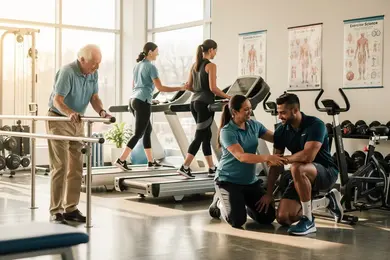
Clinical exercise physiologists typically supervise cardiac and pulmonary rehab programs under hospital employment, balancing regulated hours and high patient acuity, while outpatient rehabilitation specialists often manage more autonomous workflows with less predictable scheduling.
Practical career decisions hinge on factors like the intensity of interdisciplinary collaboration, credentialing complexity, and geographic demand. For example, Minnesota projects 910 annual openings for related positions, signaling region-specific growth that must be weighed against credential hurdles.
Emerging specialized roles—such as concussion management technicians and neurorehabilitation aides—illustrate exercise science's expanding application in neurological recovery and fall prevention for older adults in skilled nursing settings. Graduates targeting these fields should anticipate varied employer expectations regarding certification and clinical experience.
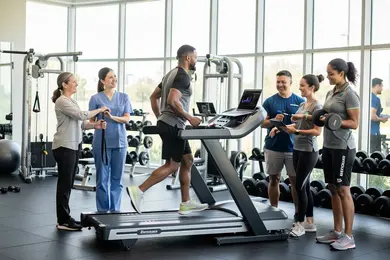
Skill application often involves direct patient support: designing tailored exercise regimens, monitoring vital signs, and contributing within healthcare teams to optimize recovery. Understanding the nuanced tradeoffs between hospital stability and outpatient flexibility, as well as credential requirements, provides a foundation for strategic positioning in allied health markets.
What salary ranges and job outlook can exercise science professionals expect in clinical settings?
Salary outcomes for exercise science professionals in clinical settings are tightly linked to education level and hands-on expertise, shaping realistic expectations for new graduates and career switchers. Entry-level positions with bachelor's degrees in hospitals or rehab centers generally start between $45,000 and $60,000, but these roles often emphasize practical clinical experience over theoretical knowledge alone.
Advancing to a master's degree frequently opens doors to roles with $65,000 to $85,000 salaries, driven by the ability to design rehabilitation programs and collaborate across clinical teams. Leadership and clinical specialist positions may exceed $90,000, yet these higher tiers typically require both graduate credentials and certifications addressing therapeutic modalities or exercise testing.
Employers prioritize candidates who demonstrate ready-to-apply clinical skills, often gained through internships or certifications, rather than general fitness expertise. Without advanced degrees or clinical certifications, career mobility and salary growth can stagnate despite years of experience.
Job growth outpaces many healthcare fields, driven by aging populations and chronic disease prevalence, but this demand translates into hiring preferences that challenge less credentialed applicants. Candidates must weigh tuition costs, time investment, and debt against tangible salary gains and job stability.
How can you evaluate and choose a reputable online exercise science program?
Choosing an online exercise science program demands rigorous vetting beyond accreditation. Regional and specialized accrediting bodies matter because hospital and rehab employers prioritize credentials that guarantee clinical rigor and relevance. For example, graduates seeking inpatient rehabilitative roles must confirm the availability of assured, local clinical placements rather than purely theoretical training; lacking practical experience often disqualifies candidates from competitive positions.
Cost transparency is essential. Ouachita Baptist University's rate of $500 per graduate credit hour provides a tangible benchmark, but prospective students must examine total credit requirements and financial aid options carefully. Since outpatient rehab positions often offer modest starting salaries, taking on excessive tuition debt can undercut early-career stability.
Professional outcomes reveal a program's functional value: employment rates within six months, relevant certifications earned, and employer recognition indicate workforce alignment. Faculty expertise and institutional resources supporting applied clinical research enhance skills vital for sustained career progress in patient-centered roles.
Evaluating tradeoffs becomes a practical exercise: working professionals may prioritize flexible scheduling, whereas those entering post-bachelor's need curricula covering foundational sciences. Weighing program rigor against clinical applicability and credential legitimacy helps align education with employer expectations and personal circumstances.
Other Things You Should Know About Exercise Science
Many hospital and rehabilitation-focused online exercise science programs require 150 to 600 supervised clinical or practicum hours. Students usually complete these hours at approved sites, with an on-site supervisor and university oversight, before graduation. Programs also require current CPR certification and background clearance.
Exercise science degrees alone rarely suffice for clinical practice in hospital or rehab settings; most employers expect certifications like ACSM or ACS depending on role specifics. Graduates should plan for additional credentialing after degree completion to meet employer requirements. Those targeting direct patient care positions need programs that prepare for these certifications through aligned coursework and exam-focused training.
For career clarity and employability in hospital and rehab fields, programs with a targeted, clinically oriented curriculum offer higher practical value. Broad programs may provide foundational knowledge but often lack depth in specialized rehab techniques and disease management. Prioritize programs that embed applied clinical coursework and partnerships with healthcare providers to enhance job readiness and professional integration.
References
- Exercise Physiologist Salary: Careers Supporting Heart and Movement Health https://coronanewsroom.org/exercise-physiologist-salary-careers-supporting-heart-and-movement-health
- Exploring Careers in Health and Exercise Sciences: From Personal Training to Public Health - UNCF https://uncf.org/the-latest/improve-human-health-by-studying-public-health-and-nutrition
- Clinical Exercise Physiologists in the Workforce https://acsm.org/cep-in-the-workforce/
- Online Exercise Science Degrees: Top School Review https://www.edumed.org/online-schools/exercise-science-degrees/
- Clinical Exercise Physiologist - Job Description & ACSM Certification https://www.healthcaredegree.com/physical/exercise-physiologist
- Exercise Science Degree Programs & Career Guide 2025 https://www.nutritioned.org/exercise-science-degree/
- Exercise Science Degree Programs Lead to Rewarding Careers in Health and Fitness https://www.carrollcc.edu/articles/exercise-science-degree-programs-lead-to-rewarding-careers-in-health-and-fitness/
- ESSA's career guide for Accredited Exercise Physiologists https://www.essa.org.au/Web/Web/Resources/Tools-and-templates/ESSA-AEP-Guide.aspx
- Allied Health Professionals Careers https://explorehealthcareers.org/careers/allied-health-professions/
- Online Exercise Science Program https://stmary.edu/online-programs/exercise-science.html