2027 Exercise Science Careers With the Best Long-Term Stability

Co-Founder and Chief Data Scientist
Exercise science students and professionals face a critical tension between advancing their qualifications and navigating a saturated job market with fluctuating employer expectations. The U.S. Bureau of Labor Statistics projects growth but emphasizes the need for specialized skills, creating pressure to select stable career paths within this diverse field. Meanwhile, adult learners increasingly rely on flexible enrollment options, as a recent National Center for Education Statistics report shows a 17% rise in online exercise science program enrollment since 2022, signaling shifting strategies toward balancing work, study, and skill acquisition. This article evaluates exercise science careers with the strongest long-term stability to guide strategic educational and professional decisions.
Key Things You Should Know
- Labor market data from the U.S. Bureau of Labor Statistics shows exercise science roles with advanced certifications see 12% faster wage growth, yet delayed entry due to certification costs often exceeds $5,000, affecting career pivot timing.
- Employers prioritize clinical internship experience over GPA in hiring for stability; 68% of surveyed healthcare facilities require practical exposure, pressuring programs to emphasize real-world placement quality.
- The $50k median student debt for exercise science graduates contrasts sharply with a median starting salary of nearly $40k, imposing a tradeoff between degree length and long-term financial sustainability.
Which exercise science careers offer the strongest long-term job stability and growth?
Exercise physiologists represent one of the few exercise science careers with highest job stability, with the U.S. Bureau of Labor Statistics projecting a 9% employment growth from 2024 to 2034-well above average occupational trends. This specialization offers steady placement in clinical and rehabilitation settings that are increasingly integrated into healthcare models emphasizing chronic disease management and preventive care. The median annual wage of $58,160 in May 2024 reflects demand linked to these healthcare shifts.
In contrast, physical therapists and occupational therapists also enjoy long-term growth opportunities in exercise science professions but require lengthy educational commitments and licensure. These roles provide higher income potential and partnerships with hospitals, yet the extended path to qualification can deter candidates seeking faster workforce entry or flexibility for mid-career transitions.
Fitness trainers and wellness coaches face more market volatility tied to economic cycles and discretionary spending; securing supplemental certifications or niche corporate and clinical clientele can mitigate this risk but seldom matches the security found in allied health roles.
Real-world hiring increasingly favors candidates combining formal exercise science knowledge with clinical experience and specialized certifications. Graduates must weigh the tradeoff between education duration and immediate employability, planning for continued credential renewal to maintain competitiveness. For those evaluating online options, exercise science degrees online offer varied pacing tailored to these practical demands.
What degree levels in exercise science best support durable, recession-resistant careers?
Exercise science degree levels significantly influence career durability and stability, particularly in healthcare and rehabilitation sectors resilient to economic downturns. Bachelor's and graduate degrees in exercise science align with medical settings, enabling access to roles in cardiac rehabilitation and clinical exercise physiology, where over 70% of recent graduates secure full-time permanent positions within a year, according to a study in the Journal of Clinical and Experimental Physiology 2024. This data highlights how advanced credentials are critical for recession-resistant jobs in the field.
Associate degrees or certificates tend to funnel graduates into entry-level roles with limited upward mobility and greater job insecurity. In comparison, bachelor's degrees provide foundational knowledge suitable for clinical and allied health exercise settings, while master's degrees open doors to specialized, medically integrated positions and certifications such as Certified Clinical Exercise Physiologist. Real-world employer preferences prioritize graduate training for patient care, risk evaluation, and data-driven programming, raising barriers for candidates lacking these advanced qualifications.
Students weighing best educational paths in exercise science for recession-resistant jobs should consider:
- Minimum bachelor's degree attainment for entry into clinical allied health roles
- Master's degrees for targeting cardiac rehab, chronic disease management, or leadership positions
- Relevant clinical certifications to buffer employability during economic shifts
For those seeking flexible degree options, a sport management degree online can supplement exercise science training with applicable administrative skills. Navigating these educational pathways requires balancing immediate workforce demands against long-term role stability within the evolving healthcare landscape.
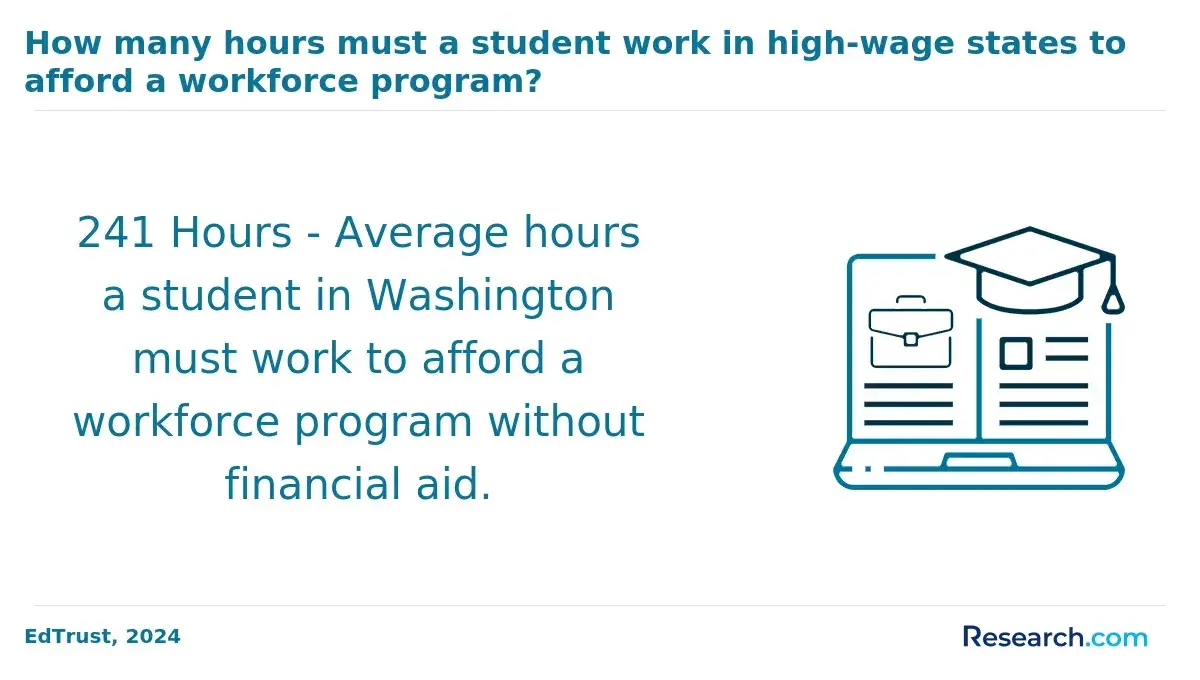
Which exercise science roles have the highest salary potential and benefits over time?
Physical therapists, occupational therapists, and exercise physiologists represent the exercise science careers with the highest long-term salary and benefits, but the pathways and job stability differ significantly. Physical therapists command median salaries near $95,000 annually, benefiting from a healthcare system increasingly focused on chronic disease management and an aging population. Occupational therapists earn slightly less, around $85,000 median, but enjoy consistent demand in rehabilitation settings. By contrast, exercise physiologists start near $50,000; their growth depends heavily on health prevention initiatives and clinical certifications tied to insurance reimbursements.
Fitness trainers and instructors, essential to many corporate wellness programs, face a distinct labor market dynamic. Employment in this role is projected to rise 14% from 2023 to 2033, outpacing the average for all occupations, but median salaries typically range only between $40,000 and $60,000. This makes grasping the tradeoff between stable but moderate income and volatile earning potential key when considering this role within top exercise science roles with the best job stability and compensation.
Employer context also strongly influences long-term benefits: hospital-based therapists often access superior retirement plans and health coverage, whereas independent trainers encounter income variability and fewer benefits. Candidates prioritizing stable remuneration should seek accredited programs that qualify them for licensure or certification in therapy fields. Exercise physiology programs emphasizing clinical credentials and insurance reimbursement capabilities offer a pragmatic middle path. For more nuanced comparisons, including across seemingly unrelated fields like library sciences, prospective students can consult resources such as the best online library science programs.
How do clinical, sports, and corporate wellness paths in exercise science compare for stability?
Clinical exercise science career stability comparisons reveal significant differences driven by credentialing and sector demand. Clinical roles demand advanced certifications and often graduate degrees, positioning professionals within hospitals and rehab centers with steady employment tied to aging populations and chronic disease management. This path imposes higher educational barriers but delivers more predictable job security.
In contrast, sports and corporate wellness job outlooks present more variability. Sports exercise science professionals, such as strength and conditioning coaches, rely on fluctuating institutional budgets and competitive contracts, which can destabilize long-term prospects despite salaries averaging between $60,527 and $84,575. Specialists demonstrating measurable athlete performance improvements have better retention but face a narrower job market vulnerable to cuts.
Corporate wellness roles are expanding as businesses prioritize preventive health to reduce costs and enhance productivity. These positions require multidisciplinary skills beyond exercise science, including health coaching and data analysis, increasing accessibility but demanding continuous learning. Career trajectories here lack the structural security of clinical paths, reflecting a tradeoff between initial ease of entry and long-term stability.
Prospective students weighing these paths should align decisions with their tolerance for educational investment, sector funding fluctuations, and workplace adaptability. For example, clinical work offers robust long-term security at the cost of advanced schooling, while sports science entails higher pay paired with volatility, and corporate wellness prioritizes versatility with less defined career ladders. Those considering skill expansion might explore an online master data science program to complement their exercise science expertise and enhance marketability.
What education, certifications, and licenses are required for the most stable exercise science jobs?
Securing stability in exercise science careers demands strategic credentialing beyond a bachelor's degree. Employers typically require foundational expertise in anatomy and biomechanics alongside targeted certifications. For instance, a Certified Strength and Conditioning Specialist (CSCS) credential markedly improves placement prospects in athletic organizations, with over 60% of sport scientists attaining such roles within three years post-graduation, according to longitudinal data from the Journal of Sports and Exercise Science.
Licensing standards and renewal costs vary significantly by state and specialization, particularly for clinical exercise physiologists working with cardiac or rehabilitative patients. Maintenance of certification also necessitates ongoing education, adding layers of time and financial commitment that candidates must evaluate carefully.
Graduate degrees are generally essential for entry into research or academic positions, whereas field roles emphasize relevant certifications combined with practical experience. This dichotomy requires students to balance the higher cost and duration of advanced degrees against certification paths that may accelerate workforce entry but limit long-term upward mobility.
Decisions on specialization-clinical rehabilitation, sports performance, or corporate wellness-directly influence employment durability and salary trajectory. Advanced certifications from recognized bodies such as the American College of Sports Medicine (ACSM) provide measurable gains in job security and sector mobility, especially when paired with degree-level training.
How do online versus campus-based exercise science programs affect career outcomes and credibility?
Choosing between online and campus-based exercise science programs directly affects licensure eligibility and employment prospects, especially in clinical fields requiring in-person training. For example, physical therapy positions, with a median salary of $99,710 per the U.S. Bureau of Labor Statistics, require accredited coursework paired with supervised clinical hours that fully online programs rarely provide. Campus-based studies typically ensure structured lab access, internships, and immediate faculty guidance, all vital for meeting professional standards and gaining employer trust.
While online programs offer flexibility, they often compel students to independently arrange costly, time-intensive clinical practicums to fulfill licensing requirements. This can be a significant barrier for those without local healthcare collaborations or whose roles demand robust hands-on skills. Moreover, some employers question the validity of credentials lacking well-documented, in-person clinical experience, which may hinder hiring competitiveness.
When evaluating programs, prioritize accreditation that includes clinical placement support and integration of experiential learning. Hybrid models, combining remote theory with guaranteed in-person clinical exposure, mitigate many risks associated with fully online formats. Neglecting physical campus or clinical engagement can delay licensure and workforce entry, ultimately impacting long-term earning potential and job security in healthcare.
What should students look for in an accredited, high-quality exercise science program in the U.S.?
Programs accredited by the Commission on Accreditation of Allied Health Education Programs (CAAHEP) or the Accreditation Council for Occupational Therapy Education (ACOTE) significantly influence employability by ensuring graduates meet employer and licensing expectations. Clinical experience is not optional; practical internships in varied settings, such as outpatient therapy clinics, improve adaptability and workplace readiness far beyond purely academic training. For instance, candidates from programs with hands-on internships consistently outperform peers confined to classroom learning in real-world job scenarios.
Coursework must balance biomechanics, physiology, therapeutic modalities, and evidence-based practice, with employers increasingly prioritizing competencies in data analysis and patient outcome measurement. This focus on measurable treatment effectiveness aligns with evolving employer demands for accountability and quality metrics. Students who overlook healthcare systems knowledge, including insurance protocols, face greater challenges navigating interdisciplinary roles and long-term job stability.
Financial costs should be measured against median salaries, currently $96,370 annually for occupational therapists, as reported by the U.S. Bureau of Labor Statistics via Central Michigan University. Decision-making should consider whether an exercise science degree aligns with prerequisites and grade requirements necessary for a seamless transition into accredited occupational therapy programs.
Key evaluative factors include graduation rates, certification exam pass rates, and employment within six months. Partnerships with local employers and state licensure preparation are indicators of workforce relevance. Programs offering part-time or flexible scheduling options better accommodate working students, reducing barriers to completion and financial strain.
What core coursework and specializations best prepare students for stable exercise science careers?
Core coursework in anatomy, physiology, kinesiology, and biomechanics forms the necessary foundation for stable careers in exercise science by grounding students in how human movement and performance operate. Applied study in exercise physiology and nutrition links theory to practical client needs, an essential balance for roles ranging from fitness trainers to rehabilitation specialists. Employers place a high value on programs that deliver this dual focus.
Specializations can significantly influence career trajectory and stability. Clinical exercise science targets chronic disease management amid growing preventive healthcare demands, while strength and conditioning meet sports industry needs through data-driven performance improvements. Occupational health offers another path, intersecting workplace wellness with regulatory and safety standards.
Practical experience, including internships or practicum, often determines employability and starting salary. For example, trainers working with older adults must master age-appropriate modifications to minimize injury, skills best acquired hands-on. Those demonstrating applied learning consistently advance faster in the workforce.
With the national demand for fitness trainers projected to increase 19% through 2031 and earnings ranging from $22,960 to $75,940 annually (Occupational Outlook Handbook, summarized by Bemidji State University Career Outlook: Exercise Science), students should prioritize coursework integrating client assessment, exercise prescription, and certification preparation. Competencies in behavior change techniques and digital health platforms further optimize client adherence and retention, aligning graduates with employer expectations.
How do program length, tuition costs, and financial aid options impact long-term ROI in exercise science?
Program length and tuition costs directly influence the return on investment for exercise science graduates by affecting debt burden, time to employment, and job prospects. Shorter degree options, like accelerated bachelor's or associate-to-bachelor's pathways, reduce opportunity costs by enabling quicker workforce entry, which is critical when median starting salaries in fields such as recreational therapy hover near $65,350.
Choosing longer programs requires balancing higher tuition and delayed earnings against potential gains from specialized certifications or advanced roles. Tuition disparities between public and private institutions also impact net lifetime income; higher costs without adequate financial aid inflate debt and slow wealth accumulation.
Key considerations include:
- Evaluating scholarship and grant availability to minimize reliance on high-interest loans.
- Comparing program length relative to employer preferences for timely completion and relevant experience.
- Assessing sector growth projections-such as the 4.3% job increase forecasted through 2033 in recreation and fitness careers-to gauge the practicality of incurring substantial debt.
For example, a candidate targeting recreational therapy might prioritize a four-year accredited program with strong financial aid over a lengthier, customized curriculum, optimizing early employment and income despite modest industry growth. This reflects the tangible tradeoffs affecting educational and workforce decisions in exercise science today.
What strategies help exercise science graduates build resilient careers across changing health industries?
Graduates with advanced qualifications in exercise science secure more stable roles by aligning their skills with sector-specific demands and emphasizing continuous adaptability. Over 80% of exercise professionals holding postgraduate degrees work in positions explicitly requiring such credentials, especially in academia and clinical research settings linked to federally funded projects or university partnerships. This specialization acts as a buffer against fluctuations in the broader health job market.
Success in this field increasingly requires diversifying expertise beyond traditional exercise physiology. Competencies in data analytics, telehealth technologies, and interdisciplinary communication enable professionals to pivot toward emerging areas such as remote rehabilitation and integrative corporate wellness programs. Employers prioritize candidates capable of translating exercise science knowledge into applied behavioral interventions with measurable outcomes, particularly for aging populations and chronic disease management.
Networking with healthcare providers, policymakers, and technology developers also directly influences career resilience by improving anticipation of regulatory or funding changes. Students face a key tradeoff: pursuing entry-level employment immediately versus investing time and resources in postgraduate education, which correlates strongly with enhanced job security. Choosing academic programs with strong placement services and clear pathways to advanced degrees can significantly impact long-term career trajectory and earning potential.
Other Things You Should Know About Exercise Science
Certified Exercise Physiologist credentials from ACSM and strength-and-conditioning certification from NSCA improve job stability because they show validated testing and applied skills. ACSM certification requires a bachelor’s degree, CPR/AED training, and passing the exam; many employers also prefer 1,200 hours of supervised experience.
Specialization can significantly impact career stability by aligning skills with market demand, but it narrows flexibility. For example, focusing on strength and conditioning can lead to roles with athletic populations but limits options in clinical settings, which often have stronger long-term funding. Prioritize specializations tied to healthcare or aging populations if your goal is durable employment, since those sectors face sustained growth and require increasingly complex expertise.
Yes, programs incorporating structured internships provide critical real-world experience, which employers in exercise science consistently prioritize. Internships facilitate professional networking, help develop applicable skills, and improve employability over graduating from programs without practical components. When choosing a program, prioritize those with strong industry partnerships and mandatory internships to enhance career resilience and market readiness.
References
- Online vs in-person learning in higher education: effects on student achievement and recommendations for leadership - Humanities and Social Sciences Communications https://www.nature.com/articles/s41599-023-02590-1
- Exercise Science Degree Programs Lead to Rewarding Careers in Health and Fitness https://www.carrollcc.edu/articles/exercise-science-degree-programs-lead-to-rewarding-careers-in-health-and-fitness/
- Online Degree vs. Traditional: Choosing the Right Path https://beal.edu/online-degree-vs-traditional/
- College ROI | Understanding Return on Investment for College Degrees https://www.collegeflightpath.com/cfp-blog/understanding-the-roi-of-college-majors-financial-considerations
- ESSA's career guide for Accredited Exercise Scientists https://www.essa.org.au/Web/Web/Resources/Tools-and-templates/ESSA-AES-Guide.aspx
- Exercise Science Careers: Paths with Degrees https://www.fitnessmentors.com/exercise-science-careers/
- Exercise Science Degree Careers, Jobs and Salaries - Peak Physical Therapy and Sports Performance https://peaktherapy.com/blog/exercise-science-degree-careers-jobs-and-salaries/
- Beyond the Gym and the Field: Career Paths You Might Not Expect https://www.snu.edu/blog/beyond-the-gym-and-the-field-career-paths-you-might-not-expect
- Recession-Proof Jobs That Thrive During Downturns https://create.fit/recession-proof-jobs/
- Scholarships and ROI: How Money Changes the Equation | Articles | Unimy https://www.unimy.com/article/scholarships-and-roi-how-money-changes-the-equation