2027 Online Exercise Science Degrees With Strong Human Performance Training

Co-Founder and Chief Data Scientist
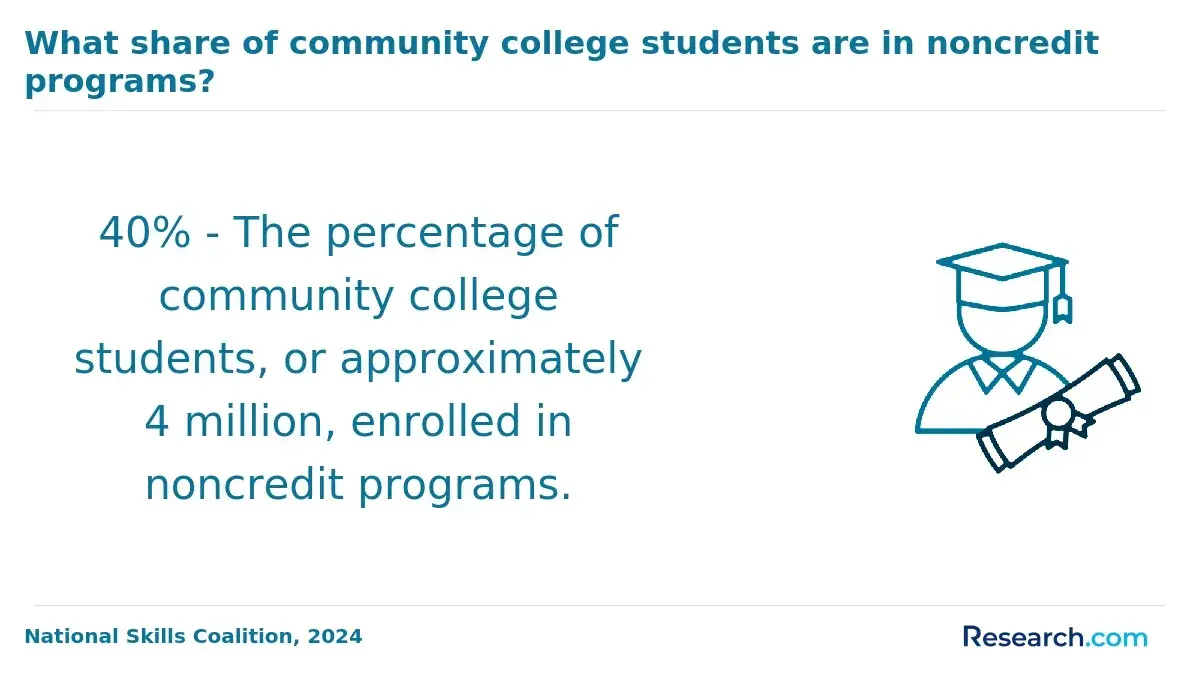
Professionals aiming to pivot into exercise science or deepen expertise in human performance face a daunting barrier: accessing flexible, rigorous programs that align with demanding work schedules and evolving industry standards. The U.S. Department of Education reported that nearly 60% of college enrollees in recent years pursue online programs, marking a sustained shift toward remote learning to accommodate adult learners balancing careers and family.
This reflects a broader imperative for exercise science education to deliver both practical training and evidence-based curriculum without sacrificing accessibility or employer-recognized credentials.
Addressing this challenge, this article evaluates online exercise science degrees with the strongest human performance training, guiding readers through program quality, curriculum focus, and career impact to optimize educational investment and workforce readiness.
Key Things You Should Know
- Online exercise science degrees average 25% lower tuition than on-campus equivalents in 2026, but reduced lab access delays hands-on skill acquisition, impacting credential readiness for performance-focused roles.
- Employers increasingly require certifications alongside degrees; 62% of sports science job listings in 2024 emphasized integrated human performance credentials, pressuring candidates to pursue costly supplementary pathways.
- Direct workforce entry rates post-graduation for online exercise science programs lag on-campus counterparts by 15%, reflecting employer hesitation around remote learning's experiential tradeoffs in applied training.
What is an online exercise science degree with a focus on human performance training?
Degrees focusing on human performance training within online exercise science degrees emphasize translating biomechanical and physiological metrics into functional training programs. These pathways prioritize applied skills critical for roles in fitness and rehabilitation that demand injury prevention strategies and data-driven periodized workouts tailored to diverse populations, from elite athletes to tactical operators.
Students face a notable challenge in securing hands-on experience remotely, requiring programs to incorporate virtual labs, detailed case studies, and local practicum alignments. Without practical immersion, theoretical knowledge alone struggles to meet employer expectations, especially for strength and conditioning coaches needing to customize regimens that optimize both safety and performance output.
The projected 14% job growth for fitness trainers and instructors by the U.S. Bureau of Labor Statistics reflects robust demand, yet those with specialized training in human performance often hold an edge by demonstrating proficiency in performance analysis technologies and individualized program development. Ultimately, credentials aligned with recognized accreditation and demonstrable real-world impact carry higher market value.
Considering the real challenges and competitive requirements, candidates exploring human performance training programs in online exercise science must weigh program design carefully.
For users seeking reputable options to validate their expertise, exploring kinesiology certification online may offer additional pathways for certification and skill diversification.
How do online exercise science programs compare to campus-based degrees for human performance?
Choosing between online exercise science degrees with human performance focus and campus-based programs involves a tradeoff between flexibility and practical preparation. Online programs deliver comparable theoretical knowledge in biomechanics, physiology, and kinesiology but often lack the built-in lab work and supervised clinical experiences campus programs provide.
This forces online students to independently secure local internships or certifications, which can complicate scheduling and limit consistent skill development.
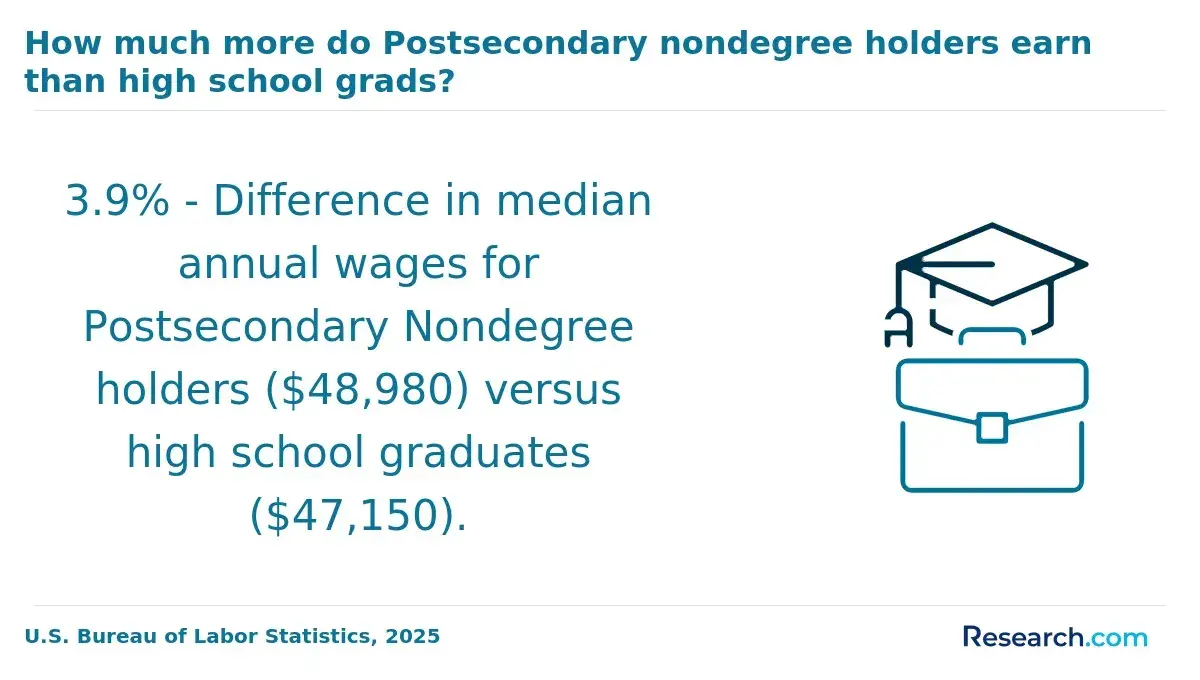
The median annual wage for fitness trainers and instructors was $46,180 in May 2024, highlighting the competitive nature of entry-level roles. Employers, especially in sports performance and rehabilitation, often prioritize candidates with direct, hands-on exposure available more reliably through campus programs.
For instance, a candidate seeking employment in a collegiate athletic department may face challenges without university connections or face-to-face demonstrations of competence. Campus-based students benefit from embedded practicum placements and consistent faculty mentorship, facilitating smoother transitions into applied roles.
Evaluating a comparison of online and campus exercise science programs for performance training, working professionals must weigh the convenience of remote learning against the necessity of gaining on-site clinical hours and local mentorship. Workforce outcomes suggest online degree holders often require additional certifications or extended timelines to reach comparable career milestones.
Students interested in combining flexibility with foundational health knowledge may also consider a nutrition school online as a relevant adjacent pathway.
Which online exercise science degrees are properly accredited and recognized in the United States?
Degree accreditation fundamentally affects employability and credential eligibility in exercise science careers. Regional accreditation by bodies like the Higher Learning Commission (HLC) or Southern Association of Colleges and Schools Commission on Colleges (SACSCOC) remains the baseline for recognized online human performance training degrees in America, directly influencing access to federal financial aid and employer acceptance.
Certification pathways, such as the Certified Strength and Conditioning Specialist (CSCS), typically require degrees from programs with additional endorsements, like the Commission on Accreditation of Allied Health Education Programs (CAAHEP) or endorsements from the American Kinesiology Association.
Graduates from non-accredited or nationally accredited-only programs often face restricted certification eligibility and limited placement outcomes, as national data indicates measurable hiring advantages for CAAHEP-accredited degrees.
Financial and logistical tradeoffs also influence outcomes. Franklin University's exercise science tuition of $398 per credit illustrates a balanced cost point among accredited online exercise science programs in the United States. However, prospective students must consider transfer credit policies, clinical practical requirements, and synchronous versus asynchronous course delivery, all of which affect program duration and alignment with certification prerequisites.
Careful verification of institutional accreditation against U.S. Department of Education-recognized agencies mitigates risks of investing in programs with limited employer recognition. Those aiming to pivot or advance strategically within human performance fields should evaluate these factors pragmatically rather than superficially.
For a broader perspective on selecting accredited online programs in a different discipline, review best online library science programs.
What courses and training in human performance are typically included in online exercise science curricula?
Programs emphasizing online exercise science with human performance training courses prioritize core competencies in exercise physiology, biomechanics, motor learning, and nutrition specific to athletic contexts. This curriculum foundation supports roles requiring precise understanding of how the body adapts to different training stimuli and recovery protocols, crucial for strength and conditioning specialists or rehabilitation professionals.
By integrating human performance assessment and conditioning in exercise science programs, students gain practical exposure to performance measurement tools such as VO2 max testing, lactate threshold analysis, and force plate data interpretation, which directly inform evidence-based program design.
Specialized content often extends to periodization techniques, sport-specific conditioning, injury mitigation strategies, and advanced subjects like neuromuscular adaptation and metabolic conditioning. For instance, a strength coach within professional sports relies on periodization knowledge to strategically plan competitive peak cycles.
In contrast, cardiac rehabilitation specialists utilize exercise physiology principles to customize safe and effective patient recovery paths, underscoring the diversity of applied contexts.
While internships or practicum components are critical for embedding hands-on competence, their execution poses challenges for fully online learners, especially due to geographic and scheduling constraints.
To mitigate this, many programs establish partnerships with local organizations to facilitate supervised practical experiences aligned with employer expectations. Cost considerations also weigh heavily, as exemplified by Liberty University's 2025-2026 graduate full-time online rate of $580 per credit, placing it among the more affordable options within this competitive educational domain.
Prospective students evaluating these pathways must balance tuition costs, program rigor, and demonstrated employer demand for certified expertise. To assist with comparative analysis of relevant online offerings, resources like online masters in data science may provide methodological insights applicable to selecting programs that combine affordability and practical outcomes.
What admission requirements and prerequisites do online exercise science programs usually have?
Admission criteria for online exercise science graduate programs typically require a bachelor's degree in a related field such as kinesiology, biology, or health sciences from an accredited institution, alongside a minimum GPA near 3.0. This baseline ensures students can handle the substantial scientific and quantitative content ahead, including courses in anatomy, physiology, chemistry, and statistics. Meeting these prerequisites upfront is essential to avoid extended study durations and additional costs from remedial or bridge classes after enrollment.
The inclusion of GRE scores varies, often waived for applicants with significant professional experience in fitness or rehabilitation, which aligns with employer preferences for applied competencies. Certifications from recognized bodies like ACSM or NASM and internships reinforce practical readiness, particularly in clinical or human performance roles.
Programs such as Liberty University's M.S. in Human Performance demand rigorous core coursework across biomechanics, exercise physiology, sports nutrition, statistics, and research methods. Graduates must be adept at interpreting complex data and integrating interdisciplinary insights to meet workforce expectations, especially in team-based environments optimizing athlete outcomes.
Prospective students should weigh the trade-offs between coursework intensity, prior preparation, and practical experience. Those entering without a strong science foundation or relevant certifications may face greater challenges and delayed entry into advanced professional roles.
How long do online exercise science degrees take, and what do they cost?
Pursuing an online exercise science degree demands a clear assessment of time, cost, and professional requirements tailored to individual career goals. While associate degrees typically conclude within two years with tuition between $15,000 and $20,000, they offer limited advancement without further study. Bachelor's degrees span four years and can cost from $40,000 up to $80,000, depending on institutional type, often serving as the minimum credential for many clinical or human performance roles.
Graduate-level programs condense study time but require deeper specialization and research effort. Master's degrees involve 36 to 48 credit hours over two to three years, with tuition ranging broadly from $20,000 to over $50,000. Doctoral programs, such as those requiring 67 online credit hours, can extend from three to six years and exceed $70,000 in tuition, reflecting intense research, coursework, and practicum demands.
Working professionals face a tradeoff between rigorous academic commitments and employer expectations, since hands-on experience and certifications often impact hiring as much as formal degrees. Flexible pacing and hybrid practicum options can mitigate dropout risk while aligning education with ongoing employment obligations.
Practical considerations include how the degree's duration and cost will weigh against potential salary gains and role eligibility within healthcare, rehabilitation, or academic settings.
What careers can graduates of online exercise science and human performance programs pursue?
The division between clinical and performance-focused exercise science roles shapes the educational needs and career trajectories in this sector. Clinical exercise physiologists typically operate within healthcare settings, designing interventions for chronic disease management, where validated clinical assessment and patient communication skills predominate.
Conversely, human performance specialists working with collegiate or professional sports teams center on biomechanical evaluation and athlete conditioning, emphasizing data analytics and technology proficiency.
For professionals targeting corporate wellness, program management aptitude and behavioral coaching become critical, yet these competencies are often underrepresented in standard curricula, necessitating additional certifications or practical experience.
Students must carefully weigh the financial investment of online programs—such as the 36-credit Human Performance and Fitness master's at Trevecca Nazarene University, with a tuition of approximately $20,268—against potential salary increases and flexibility benefits. This cost-to-benefit calculation differs widely across institutional models, with online options mitigating relocation and scheduling constraints but sometimes lacking hands-on exposure.
Employment outcomes hinge on demonstrating competencies aligned with employer expectations, including clinical acumen, performance technology usage, or wellness program facilitation. Selecting a program without this alignment risks limited job prospects despite degree completion.
Prospective students should integrate these workforce realities with their own career objectives when evaluating online human performance and fitness degrees.
What salary ranges and earning potential exist for exercise science and human performance professionals?
Salary potential in exercise science and human performance is tightly linked to specialization, geographic location, and credential depth rather than merely holding a degree. Entry-level roles in community health or outpatient settings commonly start at about $40,000, but this can stagnate in urban areas with oversaturated job markets.
Those in mid-career positions within corporate wellness or collegiate sports tend to earn between $55,000 and $65,000, while senior clinical exercise physiologists or research coordinators in major metros may exceed $70,000 annually.
Career progression often demands deliberate upskilling through advanced certifications or a master's degree. For example, professionals shifting from general fitness to clinical exercise physiology frequently face limited salary gains without pursuing postgraduate education or specialized licensing.
Decision-making around education must consider these pay ceilings and workforce competition, especially since employers prioritize candidates capable of applying evidence-based human performance interventions in practical settings.
Choosing to work in private practice offers wider income variability but introduces challenges with client sourcing and insurance. Conversely, government and nonprofit employment yields more predictable—but typically lower—wages. Strong professional networks, geographic flexibility, and layered credentials remain critical tactics to unlocking higher compensation within this field.
The Bureau of Labor Statistics projects robust demand for health educators with over 4,000 new positions by 2033, yet this growth often favors those who strategically combine experiential training with formal education, affirming the value of targeted credentialing on salary trajectories.
What certifications or licenses align with online exercise science and human performance training?
Certified credentials like the Certified Strength and Conditioning Specialist (CSCS) and the Certified Exercise Physiologist (EP-C) substantially shape employment prospects beyond a bachelor's degree in exercise science. The CSCS, mandated by many sports programs and professional teams, requires a degree plus passing a demanding exam focused on scientific and applied knowledge. Practical experience shows that without CSCS, career advancement in NCAA strength coaching stalls, regardless of academic background.
The EP-C, governed by the American College of Sports Medicine, targets clinical and fitness-based roles, emphasizing cardiovascular, metabolic, and musculoskeletal systems for diverse populations. This certification or its advanced counterpart, the Clinical Exercise Physiologist (CEP), is crucial for trainers working in rehabilitation or chronic disease management. However, clinical roles often add complexity with licensure or state certifications, especially when medical oversight is involved.
Financial implications are noteworthy. Strength and conditioning coaches report average annual earnings near $48,610, demonstrating CSCS's market value. Conversely, ACSM certifications carry initial testing and ongoing fees, plus mandatory continuing education, which candidates should weigh against their career trajectory.
Key operational factors for candidates include:
- Alignment of credentials with specific job markets and employer requirements
- Cost and commitment involved in certification maintenance
- The necessity of additional licensure for clinical practice roles
- Potential stagnation without certifications despite academic qualifications
Decisions around certification must consider these practical tradeoffs to ensure credentials provide tangible workforce advantages rather than academic credentials alone.
How can students evaluate and choose a high-quality online exercise science program?
Choosing an online exercise science degree requires prioritizing accredited programs that deliver verifiable outcomes rather than appealing marketing. Accreditation ensures curriculum rigor and recognition by employers, which directly influences job placement chances. For example, Manchester University reports 98% of its Human Performance graduates gain acceptance to their preferred graduate schools, illustrating the critical link between academic preparation and career pathways.
Students must evaluate curricula for substantive content in biomechanics, physiology, and data analytics, as these areas address evolving industry needs. Programs incorporating clinical practicums or internships with healthcare or athletic organizations provide a tangible advantage, especially for careers centered on sports rehabilitation or physical therapy. Without these applied components, graduates risk holding theoretical knowledge insufficient for many workforce roles.
Financial investment should be weighed against realistic returns. Degrees tied to certifications like ACSM or NSCA often correlate with higher salary potential and faster employment. Students balancing full-time work should seek asynchronous formats that offer necessary flexibility without sacrificing educational quality.
Technology infrastructure and student services are non-negotiable for successful completion; strong advising and career counseling mitigate dropout risks and facilitate employment. Selecting a program that comprehensively addresses these factors prepares students not just to graduate but to enter the job market equipped for sustained success.
Other Things You Should Know About Exercise Science
Hands-on experience is essential for competence in exercise science, particularly in human performance applications. Online programs that integrate internships, lab courses, or supervised practicums provide critical practical skills that purely virtual coursework can't replicate. Students should prioritize programs with structured, employer-recognized fieldwork or clinical components to meet industry standards and boost job readiness.
Yes. Most accredited online programs require a supervised practicum or internship, often 120 to 300 hours, completed at an approved site with a qualified preceptor. Programs may also require CPR/AED certification before placement and a background check before students begin fieldwork.
Employer perception varies widely based on program reputation, accreditation, and demonstrable skills rather than delivery mode alone. Graduates from well-established online programs with verified practical experience and recognized certifications face fewer barriers. Candidates should complement their degree with internships and relevant certifications to overcome any potential employer bias and validate their readiness for human performance roles.
References
- Lipscomb launches online graduate certificates in exercise and human performance | Lipscomb University https://lipscomb.edu/news/lipscomb-launches-online-graduate-certificates-exercise-and-human-performance
- Exercise Science and Human Performance https://mcm.edu/major/exercise-science-and-human-performance/
- Online Sport and Human Performance https://www.aic.edu/school-of-health-sciences/program/sport-and-human-performance-master-of-science/
- Five Online Degrees For Students With A Passion For Fitness https://www.academicinfo.net/blog/2023-02-16-five-online-degrees-for-students-with-a-passion-for-fitness/
- Exercise Physiologist https://acsm.org/certification/get-certified/exercise-physiologist/
- Sports Science Degree Careers and Salary in Europe - StudyinEurope.eu https://www.studyineurope.eu/sports-science/sports-science-degree-careers-salary-europe/
- Discover Exciting Career Options With a Health & Human Performance Degree https://www.salemu.edu/blog/health-human-performance-degree-careers/
- Online Exercise Science Degrees: Top School Review https://www.edumed.org/online-schools/exercise-science-degrees/
- Bachelor of Science Degree in Strength and Human Performance - Parker University https://www.parker.edu/academics/bachelor-of-science-degree-in-strength-and-human-performance/
- Human Performance Bachelor's Degree https://northern.edu/degrees/human-performance-and-fitness-bachelors-degree